How To Make Your Own Coffee From Scratch At Home Today
Making your own coffee from scratch is easier than you think. You will learn how to pick the right beans, grind them fresh, and brew a cup that beats any café. This guide covers every step of the process, from choosing beans to mastering your brew ratio. How To Make Your Own Coffee From Scratch gives you full control over flavor, strength, and freshness. By the end, you will have the confidence to brew like a pro every single morning.
There is something truly special about making your own coffee from scratch. The smell of freshly ground beans filling your kitchen is a feeling no café can replicate at home. When you make your own coffee from scratch, you control every single detail. You decide how strong it is, how smooth or bold the flavor turns out, and what goes into your cup. This guide walks you through the entire journey. Whether you are a total beginner or someone who already drinks coffee daily, you will find useful tips here. Let us get started on your path to better homemade coffee.
Making coffee from scratch does not require expensive gear or years of experience. All you need are a few simple tools, good beans, and a willingness to learn. The process might feel new at first, but it quickly becomes second nature. In fact, many people find that homemade coffee saves money and tastes far better than store-bought options. You will be surprised how fast you can go from unsure to confident. So grab a cup, and let us dive into everything you need to know.
Key Takeaways
- Start with whole beans: Fresh whole beans give you the best flavor and aroma every time you brew.
- Grind just before brewing: Grinding your own beans right before brewing unlocks richer, more complex coffee taste.
- Choose the right brewing method: Pour over, French press, and drip brewing each create a unique cup profile.
- Master your brew ratio: The right coffee-to-water ratio is the secret to a balanced, delicious cup every time.
- Store beans properly: Keeping beans in an airtight container away from light preserves freshness for weeks.
- Clean your equipment regularly: Regular maintenance keeps your coffee tasting great and your gear lasting longer.
📑 Table of Contents
- What It Means to Make Coffee From Scratch
- Choosing the Right Coffee Beans
- Grinding Your Own Beans
- Brewing Methods You Can Try at Home
- Mastering the Perfect Brew Ratio
- Storing Your Coffee Beans Properly
- Cleaning and Maintaining Your Equipment
- Common Mistakes to Avoid When Making Coffee From Scratch
- Conclusion
What It Means to Make Coffee From Scratch
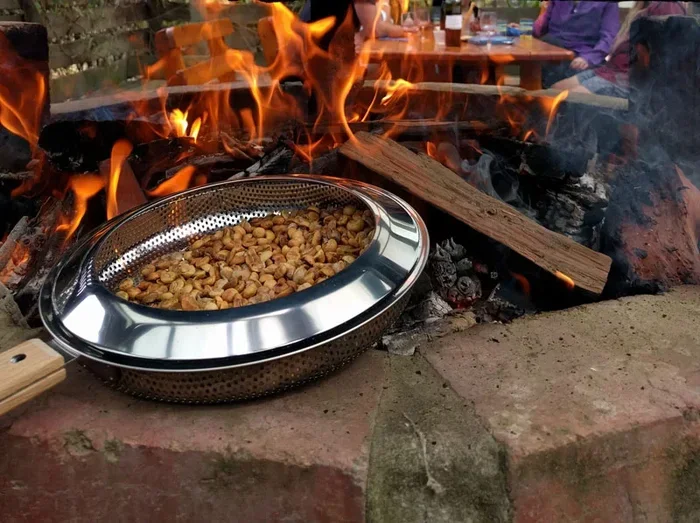
When we say how to make your own coffee from scratch, we mean starting from the very beginning. This means using whole coffee beans, not pre-ground coffee from a store shelf. You roast, grind, and brew everything yourself. It sounds like a lot, but each step is simple and rewarding. The result is a cup of coffee that tastes incredibly fresh and full of flavor. Pre-ground coffee loses its aroma fast. Whole beans keep their oils and compounds intact until the moment you grind them. That is why homemade coffee tastes so much better.
Making coffee from scratch also means choosing your own beans. You get to pick the origin, roast level, and flavor profile. Do you like bright, fruity Ethiopian beans? Or maybe a deep, chocolatey Brazilian roast? The choice is entirely yours. This level of customization is something no pre-packaged coffee can offer. Once you start making your own coffee from scratch, you will never want to go back to generic grounds.
Why Freshness Matters So Much
Coffee is at its best within two to four weeks of being roasted. After that, the flavors start to fade. Pre-ground coffee can lose its freshness in just minutes after grinding. When you grind your own beans right before brewing, you capture all the natural oils and aromas. This is the single biggest difference between homemade and store-bought coffee. Fresh coffee simply tastes brighter, richer, and more alive.
Choosing the Right Coffee Beans
Picking the right beans is the foundation of great coffee. Not all beans are created equal, and understanding the basics helps you make better choices. There are two main types of coffee beans you will come across: Arabica and Robusta. Arabica beans are known for their smooth, complex flavors. They tend to be less bitter and have a sweeter taste. Robusta beans, on the other hand, have more caffeine and a stronger, more bitter flavor. Most coffee lovers prefer Arabica for its balanced taste.
Beyond the bean type, you also want to look at the roast level. Light roasts preserve the original flavors of the bean. They often have fruity or floral notes. Medium roasts offer a balance of origin flavor and roast character. Dark roasts bring out bold, smoky, and chocolatey tones. When you are learning how to make your own coffee from scratch, start with medium roast beans. They are versatile and work well with most brewing methods.
Where to Buy Quality Beans
You do not need a fancy coffee shop to find great beans. Many local roasters sell fresh beans online or at farmers markets. Look for beans with a roast date printed on the bag, not just an expiration date. The closer the roast date, the fresher your coffee will be. Buying beans in small quantities also helps you stay within the freshness window. A good rule is to buy only what you will use within two to three weeks.
Understanding Coffee Origins and Flavor Profiles
Coffee beans grow in different regions around the world, and each region produces unique flavors. Ethiopian beans often have bright, fruity, and floral notes. Colombian beans tend to be smooth with nutty and caramel undertones. Kenyan beans are known for their bold, wine-like acidity. Trying beans from different origins is one of the best parts of making your own coffee from scratch. It is like exploring the world through your morning cup.
Grinding Your Own Beans
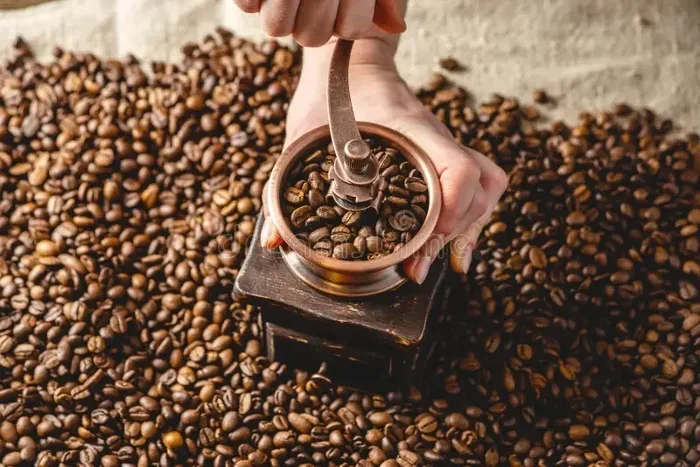
Grinding is where the magic really happens. Whole beans sit in your cupboard for weeks without losing much flavor. But the moment you grind them, the clock starts ticking. The oils and aromatic compounds begin to evaporate quickly. This is why grinding just before brewing is so important. It is the simplest step that makes the biggest difference in taste.
Types of Coffee Grinders
There are two main types of grinders: blade grinders and burr grinders. Blade grinders are cheaper and work by spinning a blade to chop the beans. They are okay for beginners, but they produce an uneven grind size. Burr grinders, on the other hand, crush beans between two rotating surfaces. This creates a much more consistent grind, which leads to better extraction and a smoother cup. If you are serious about making your own coffee from scratch, a burr grinder is worth the investment.
Grind Sizes for Different Brew Methods
Not all brews need the same grind size. Here is a quick guide to help you match your grind to your method:
- Extra coarse: Best for cold brew. The grounds look like rough sea salt.
- Coarse: Perfect for French press. Think of the texture of breadcrumbs.
- Medium-coarse: Great for pour over and Chemex brewing.
- Medium: Works well for drip coffee makers and standard machines.
- Fine: Ideal for espresso machines. The texture should feel like table salt.
- Extra fine: Used for Turkish coffee. It feels almost like powdered sugar.
Getting the grind size right is one of the most important parts of how to make your own coffee from scratch. Too fine and your coffee will taste bitter and over-extracted. Too coarse and it will taste weak and sour. Do not be afraid to experiment until you find the sweet spot.
Brewing Methods You Can Try at Home
One of the best things about making coffee from scratch is choosing how to brew it. Each method brings out different flavors and textures. You can try several methods and find the one that suits your taste the best. Here are the most popular options for home brewing.
Pour Over Coffee
Pour over brewing gives you full control over the process. You pour hot water slowly over coffee grounds in a filter. The water drips through and extracts the flavors as it passes. This method produces a clean, bright cup that lets the bean’s origin flavors shine. All you need is a pour over dripper, a paper filter, and a gooseneck kettle. Pour over coffee is a favorite among people who love a light, nuanced brew.
French Press Coffee
The French press is one of the simplest and most satisfying ways to brew coffee at home. You add coarsely ground beans to the press, pour hot water over them, and let them steep for four minutes. Then you press the plunger down and pour. French press coffee is rich, full-bodied, and oily. It captures more of the natural oils from the beans, which gives it a heavier mouthfeel. If you like bold coffee, the French press is hard to beat.
Drip Brewing
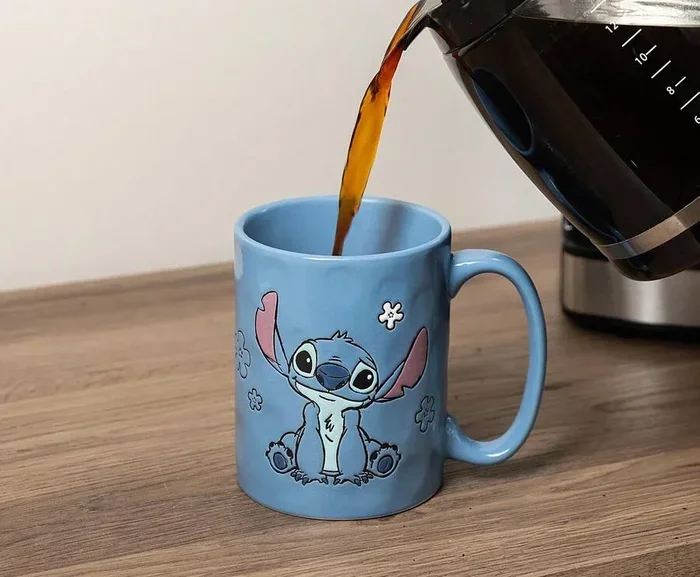
Drip coffee makers are the most common way people brew coffee at home. They are easy to use and perfect for making multiple cups at once. You add ground coffee to a filter, fill the water reservoir, and press start. Drip machines work well with medium grind sizes. They produce a clean, consistent cup every time. If convenience matters to you, drip brewing is a great choice for your daily routine.
AeroPress and Moka Pot Options
If you want to explore more, the AeroPress and Moka pot are worth trying. The AeroPress uses air pressure to push water through fine coffee grounds. It makes a smooth, concentrated cup in about a minute. The Moka pot stews on the stove and produces a strong, espresso-like coffee. Both methods are affordable and fun to experiment with. They add variety to your morning routine and help you grow as a home brewer.
Mastering the Perfect Brew Ratio
The brew ratio is the amount of coffee you use compared to the amount of water. Getting this ratio right is the key to a balanced, delicious cup. Too much coffee and your drink will taste harsh and overpowering. Too little and it will be weak and watery. The general starting point is the “Golden Ratio.” This means using about 1 to 2 tablespoons of ground coffee for every 6 ounces of water. Most experts recommend starting with 1 tablespoon per 6 ounces for a milder cup and 2 tablespoons for a stronger brew.
Using a kitchen scale makes a huge difference. Measuring by weight is far more accurate than using tablespoons. A good starting point is 15 grams of coffee for every 250 grams of water. Once you find a ratio you like, stick with it and adjust from there. The beauty of making your own coffee from scratch is that you can tweak everything until it tastes exactly how you want it.
The Role of Water Temperature
Water temperature plays a big role in how your coffee tastes. Water that is too hot will over-extract the grounds, leading to bitterness. Water that is too cool will under-extract, leaving your coffee sour and flat. The ideal temperature range is between 195 and 205 degrees Fahrenheit. If you do not have a thermometer, just bring your water to a boil and then let it sit for 30 seconds. That gives you a great temperature to work with.
Blooming Your Coffee Grounds
Blooming is a step that many beginners skip, but it makes a real difference. When hot water first touches coffee grounds, they release carbon dioxide gas. This is called the bloom. Pour a small amount of water over your grounds and wait 30 to 45 seconds. You will see the grounds bubble and puff up. This process helps release trapped gases and allows for a more even extraction. Blooming is especially important for pour over and French press methods.
Storing Your Coffee Beans Properly
Once you have great beans, you want to keep them fresh for as long as possible. Proper storage makes a big impact on the taste of your coffee. The biggest enemies of coffee beans are air, moisture, heat, and light. Exposure to any of these elements causes the beans to lose their flavor faster. The best way to store beans is in an opaque, airtight container at room temperature. Keep the container away from your stove, where heat can speed up flavor loss.
Never store coffee beans in the refrigerator or freezer. The moisture and odors in these environments can affect the taste. Many people make this mistake thinking it keeps beans fresher longer. In reality, the temperature changes when you take the container in and out cause condensation, which ruins the beans faster. A simple airtight jar on your counter works perfectly for most coffee drinkers.
How Long Do Beans Stay Fresh?
Whole coffee beans stay fresh for about two to four weeks after the roast date. Ground coffee loses its freshness much faster, usually within minutes to hours. This is another reason why grinding just before brewing is so important. If you buy beans in larger quantities, consider splitting them into smaller portions. Store one portion in your regular container and keep the rest sealed tightly in a cool, dark place.
Cleaning and Maintaining Your Equipment
Clean equipment is essential for great tasting coffee. Old coffee oils build up in grinders, brewers, and filters over time. These leftover oils turn rancid and can make your coffee taste bitter or stale. Cleaning your gear after every few uses keeps your coffee tasting fresh and extends the life of your equipment.
For your grinder, a quick brush after each use removes loose grounds and oils. For brewing devices like French presses and pour over drippers, wash them with warm water and mild soap after every brew. If you use a drip machine, run a monthly cleaning cycle with white vinegar and water. This removes mineral buildup and keeps the machine running smoothly. Regular maintenance is one of the easiest ways to make sure your homemade coffee always tastes its best.
If you use a Keurig or similar single-serve machine, descaling is especially important. Over time, mineral deposits build up inside the machine and affect both performance and taste. Learning how to decalcify your coffee maker regularly keeps it in top shape. For general appliance cleaning, keeping your equipment free of grease and residue makes a noticeable difference in every cup you brew.
Common Mistakes to Avoid When Making Coffee From Scratch
Even the best intentions can lead to mistakes in the kitchen. Here are some common errors that hurt the quality of your homemade coffee:
- Using stale beans: Old beans produce flat, lifeless coffee. Always check the roast date before you buy.
- Grinding too far in advance: Pre-ground coffee loses its aroma fast. Grind only what you need for each brew.
- Using boiling water: Boiling water burns the coffee grounds and creates a bitter taste. Let the water cool slightly before pouring.
- Ignoring the grind size: Using the wrong grind size for your brewing method leads to over or under-extraction.
- Skipping the bloom: While not mandatory, blooming your grounds improves extraction and flavor clarity.
- Not measuring your ratio: Eyeballing coffee and water leads to inconsistent results every time.
Avoiding these simple mistakes will instantly improve your coffee. Once you correct them, you will notice a dramatic difference in taste and quality.
Quick Tips for Better Coffee at Home
- Always use filtered water for the cleanest taste.
- Weigh your beans and water with a kitchen scale for consistency.
- Experiment with different beans and roast levels to find your favorite.
- Clean your grinder and brewer at least once a week.
- Store beans in an airtight container away from sunlight.
- Let boiled water rest for 30 seconds before pouring over grounds.
Conclusion
Making your own coffee from scratch is one of the most rewarding skills you can build at home. It gives you complete control over flavor, strength, and freshness. You get to choose your beans, grind them to the perfect size, and brew them exactly the way you like. The process might seem intimidating at first, but it becomes second nature very quickly. Every step, from selecting beans to mastering your brew ratio, is a chance to learn and improve.
The best part is that homemade coffee tastes noticeably better than anything you can buy off a shelf. Freshly ground beans release aromas and flavors that pre-ground coffee simply cannot match. Once you taste the difference, you will wonder why you ever settled for anything less. Start with the basics, experiment often, and enjoy the journey. Your perfect cup of coffee is waiting for you to make it.
Now that you know how to make your own coffee from scratch, it is time to put what you have learned into practice. Grab some fresh beans, fire up your grinder, and brew your first cup from scratch today. You will not regret it.
Frequently Asked Questions
Do I need expensive equipment to make coffee from scratch?
Not at all. You can start with a simple manual grinder and a basic French press or pour over dripper. The most important investment is buying fresh, quality beans. As you grow more confident, you can gradually upgrade your equipment. Great coffee is about technique and fresh ingredients, not price tags.
How long do whole coffee beans stay fresh?
Whole beans stay fresh for about two to four weeks after the roast date. Always look for a roast date on the bag when you buy. Storing them in an airtight container at room temperature helps preserve their flavor for as long as possible.
Can I use regular tap water for brewing coffee?
You can, but filtered water produces a much cleaner and better-tasting cup. Tap water sometimes contains chlorine and minerals that can affect the flavor of your coffee. If you want the best results, filtering your water before brewing is a simple change that makes a big difference.
What is the best grind size for beginners?
A medium grind is the best starting point for most beginners. It works well with drip coffee makers and pour over methods. As you try different brewing styles, you can adjust the grind size to match each method. Consistency in grind size matters more than finding the perfect setting right away.
Is it worth buying a burr grinder over a blade grinder?
Yes, if you are serious about coffee quality. Burr grinders produce a much more consistent grind size, which leads to better extraction and a smoother cup. Blade grinders chop beans unevenly, which can result in some grounds being over-extracted and others under-extracted. The difference in taste is noticeable once you make the switch.
How do I know if my coffee beans are fresh?
Check for a roast date on the packaging. Beans are at their best within two to four weeks of roasting. You can also look for a slight oily sheen on the beans, which indicates freshness. Beans that smell flat or dusty are likely old and will not produce a flavorful cup.