How To Make Coffee Without A Cafetiere Or A Machine
You can easily make delicious coffee without a cafetiere or machine using simple methods like stovetop brewing, pour-over, and cold brew. These techniques give you full control over your coffee flavor and save money on expensive equipment. This guide walks you through each method step by step with practical tips for perfect results every time.
There is something deeply satisfying about making a great cup of coffee without relying on fancy gadgets. Whether your cafetiere broke, you are traveling, or you simply want to try something new, how to make coffee without cafetiere is a skill worth learning. You do not need an expensive machine to enjoy rich, flavorful coffee. In fact, some of the best coffee brewing methods have been around for centuries.
This guide covers everything you need to know about coffee without machine methods. From stovetop brewing to cold steeping, you will find practical steps and honest tips. Each method is simple, affordable, and produces amazing results. Let us dive in and explore your options.
Many people think they need special equipment to brew good coffee. That is simply not true. With just a few basic tools and some fresh coffee grounds, you can create a cup that rivals anything from a coffee shop. The key is understanding the basics of coffee extraction and choosing the method that fits your lifestyle.
Key Takeaways
- Multiple methods work: You can brew coffee using a stovetop, pour-over setup, or cold brew method without any fancy machine.
- Minimal equipment needed: Most methods only require basic kitchen items you already have at home.
- Better flavor control: Making coffee manually lets you adjust strength, temperature, and brewing time to your exact taste.
- Cost effective: Skip the expensive coffee maker and still enjoy café-quality coffee at home.
- Cold brew is simple: Just soak grounds in water overnight for smooth, low-acid coffee.
- Avoid common mistakes: Using the wrong grind size or water temperature can ruin your brew.
📑 Table of Contents
Understanding What A Cafetiere Is And Why You Might Skip It
A cafetiere, also known as a French press, is a popular brewing device. It uses a plunger and metal filter to steep coarse coffee grounds in hot water. The result is a full-bodied cup with lots of natural oils. But cafetieres are not perfect for everyone. They can be bulky, hard to clean, and fragile.
Some people prefer coffee without machine methods because they want more control. Others simply do not own a cafetiere. Whatever your reason, there are plenty of alternatives. Each method brings its own unique coffee flavor profile. You might even discover a new favorite way to brew.
Learning how to make coffee without cafetiere opens up a world of possibilities. You get to experiment with different techniques, grind sizes, and steeping times. This hands-on approach makes every cup feel personal and rewarding.
The Best Methods To Make Coffee Without A Cafetiere
Not all coffee brewing methods require special equipment. Some use items you already have in your kitchen. Below are the best ways to brew coffee manually. Each one is simple, effective, and produces excellent results.
Stovetop Brewing Method
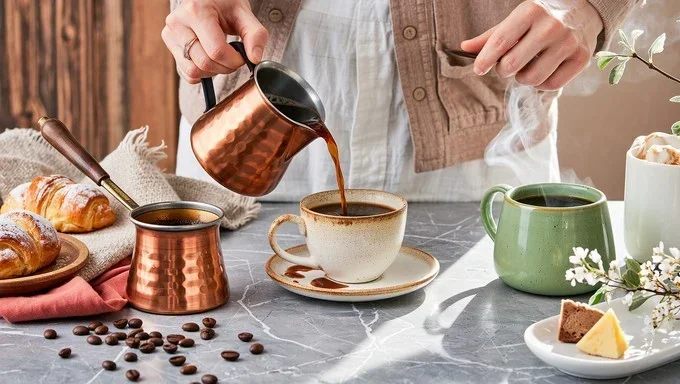
The stovetop method is one of the oldest ways to brew coffee. It works by heating water and coffee grounds together on your stove. This technique is perfect for making strong coffee without any special tools.
Here is how to do it:
- Add cold water to a small saucepan.
- Stir in two tablespoons of coffee grounds per cup.
- Place the pan on medium heat and bring to a gentle boil.
- Watch for the foam to rise. Remove from heat just before it boils over.
- Let the grounds settle for about two minutes.
- Pour slowly into your cup, leaving the sediment behind.
This method produces a bold, rich cup. It is popular in many cultures around the world. The key is to heat the water gently. Boiling too aggressively can make your coffee taste bitter.
Pour-Over Coffee Technique
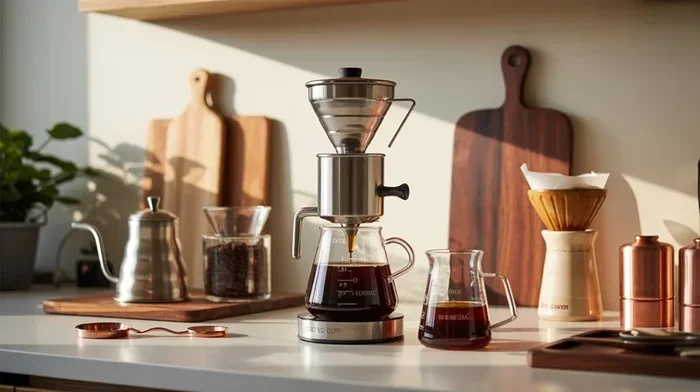
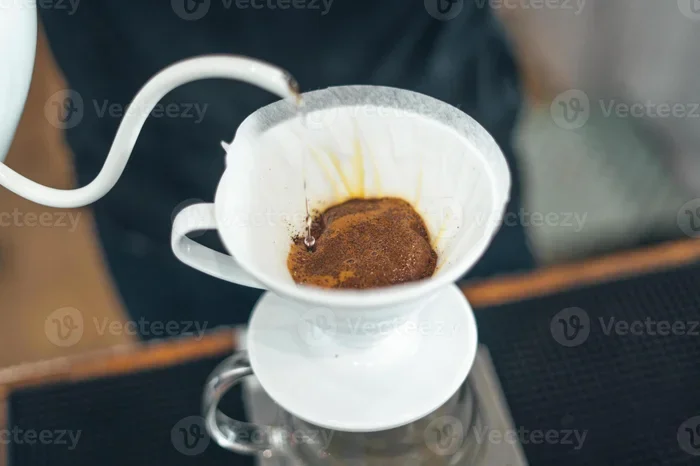
Pour-over coffee gives you clean, bright cups with great clarity. You need a pour-over dripper, a coffee filter, and hot water. This method is a favorite among coffee enthusiasts who love precision.
Here is what to do:
- Place a paper or reusable filter in your dripper.
- Add medium-fine coffee grounds (about two tablespoons per cup).
- Wet the filter first with hot water. This removes the paper taste.
- Discard the rinse water and add your grounds.
- Pour hot water (around 200°F) slowly over the grounds in circles.
- Let the water drip through. Total brew time should be three to four minutes.
Pour-over coffee highlights the delicate notes in your beans. The coffee extraction happens gradually, which creates a balanced and smooth cup. If you want a cleaner taste than a cafetiere provides, this method is hard to beat.
If you enjoy flavored coffee drinks, you might also enjoy how to make your own Dunkin iced coffee using a similar pour-over base. It is a great way to experiment with different flavors at home.
Cold Brew Coffee Method
Cold brew coffee is smooth, low in acidity, and incredibly refreshing. The best part? You do not need any machine at all. Just water, grounds, and time.
Here is the simple process:
- Coarsely grind your coffee beans (about one cup of grounds).
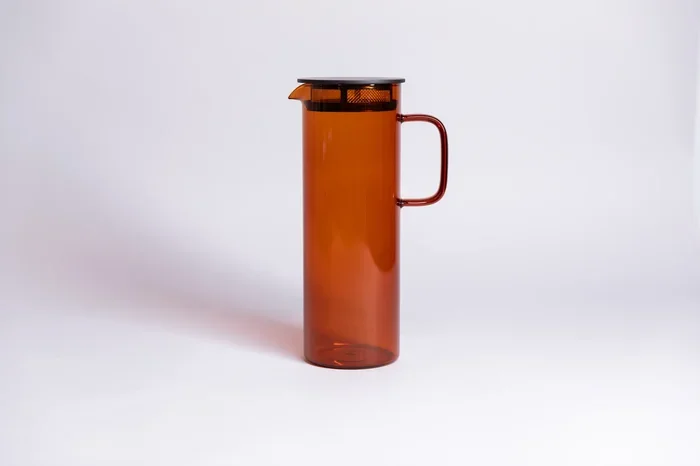
- Place the grounds in a large jar or pitcher.
- Add four cups of cold filtered water.
- Stir gently and cover the jar.
- Let it sit in the fridge for 12 to 24 hours.
- Strain through a coffee filter or fine mesh sieve.
- Serve over ice and add milk or sweetener if you like.
Cold brew takes patience, but the result is worth it. The long steeping time creates a naturally sweet and mellow cup. You can store the concentrate in the fridge for up to a week. Just dilute with water or milk when you are ready to drink.
Moka Pot Coffee Making
A Moka pot is a stovetop espresso maker. It uses steam pressure to push water through coffee grounds. The result is a strong, concentrated brew that tastes similar to espresso. Moka pots are affordable and last for years.
Here is how to use one:
- Fill the bottom chamber with water up to the valve.
- Add finely ground coffee to the filter basket. Do not pack it tight.
- Screw the top chamber onto the base securely.
- Place the pot on medium-low heat.
- Listen for a gurgling sound. This means the coffee is brewing.
- Remove from heat as soon as you hear a hissing, sputtering sound.
- Serve immediately for the best coffee taste.
A Moka pot is a wonderful manual coffee maker for those who love bold coffee. It gives you the closest thing to espresso without an expensive machine. Many coffee lovers consider it a kitchen essential.
What You Need To Get Started
One of the best things about coffee without machine brewing is how little you need. You probably already have most of these items in your kitchen. Here is a simple checklist.
- Fresh coffee beans: Whole beans give the best flavor. Grind them just before brewing for the freshest coffee flavor.
- A burr or blade grinder: Consistent grind size matters a lot for coffee extraction. A hand grinder works perfectly fine.
- A kettle or saucepan: You need to heat water. A kettle gives you more control over temperature.
- A filter or strainer: Paper filters work great for pour-over. A fine mesh sieve works for cold brew and stovetop.
- A jar or pitcher: Useful for cold brew and storing your concentrate.
- A good-quality coffee mug: Something heat-resistant and comfortable to hold.
You do not need to buy everything at once. Start with one method and build your setup over time. The beauty of brewing coffee manually is that you can keep it as simple or as elaborate as you want.
Step-By-Step Guide For Each Method
Now that you know the options, let us walk through the process in detail. Each method has its own charm and learning curve. Start with the one that excites you most.
For stovetop brewing: Use fresh cold water and a medium-coarse grind. Heat slowly and watch the pot carefully. The moment the foam starts rising, pull it off the heat. Patience is your best friend here. Rushing the process leads to over-extraction and bitter flavors.
For pour-over coffee: Use a medium-fine grind and water that is just off the boil. Pour in stages. Start with a small amount to wet the grounds, wait 30 seconds, then pour the rest slowly. This blooming step releases CO2 and helps with even coffee extraction.
For cold brew: Use a coarse grind and a 1:4 ratio of coffee to water. Stir well and let time do the work. The longer it steeps, the stronger and more concentrated your brew will be. Strain thoroughly to avoid grit in your cup.
For Moka pot coffee: Use a fine grind but do not tamp. Fill the water chamber properly and use medium-low heat. Never leave a Moka pot unattended. The coffee is ready the moment you hear it bubbling. Remove it immediately to avoid burning the grounds.
Each of these methods proves that how to make coffee without cafetiere is not only possible but enjoyable. You get to control every variable and create a cup tailored exactly to your preferences.
Tips For Perfect Coffee Every Time
Brewing great coffee is part science, part art. A few simple tips can dramatically improve your results. Here are the things that make the biggest difference.
- Use fresh water: Always start with filtered or fresh cold water. The water quality affects the taste more than you might think.
- Heat water to the right temperature: Ideal brewing temperature is between 195°F and 205°F. Boiling water can scorch your grounds and create bitterness.
- Measure your grounds: Use a kitchen scale for consistency. A good starting ratio is two tablespoons of coffee per six ounces of water.
- Grind fresh: Pre-ground coffee loses flavor quickly. Grind just before brewing for the best coffee taste.
- Clean your equipment: Residue from previous brews can affect flavor. If you use a Keurig or any machine, remember to decalcify your Keurig coffee maker regularly. For manual methods, rinse your filters and jars after each use.
- Experiment with ratios: Everyone’s palate is different. Adjust the coffee-to-water ratio until you find your perfect cup.
- Store beans properly: Keep your beans in an airtight container away from light and heat. Never store them in the fridge.
These tips apply to every coffee brewing method on this list. Follow them consistently and you will notice a big improvement in your morning cup.
Quick Tips
- Always use water that is just off the boil, not a rolling boil.
- Pre-wet paper filters to remove any papery taste.
- Keep a coffee journal to track what works best for you.
- Clean your manual coffee maker parts after every use.
- Use coarser grinds for slower brewing methods and finer grinds for faster ones.
Common Mistakes To Avoid
Even experienced coffee lovers make mistakes. Knowing what to avoid saves you from bad cups of coffee. Here are the most common errors people make when brewing without a machine.
- Using the wrong grind size: Too fine and your coffee will be over-extracted and bitter. Too coarse and it will be weak and sour. Match your grind to your method.
- Boiling the water too long: Water that boils for too long loses oxygen. This leads to flat-tasting coffee. Heat fresh water each time.
- Not timing your brew: Every method has an ideal brew time. Stovetop should be watched closely. Pour-over takes three to four minutes. Cold brew needs 12 to 24 hours.
- Using stale coffee grounds: Old grounds lose their aroma and flavor. Always use fresh coffee grounds and store them properly.
- Skipping the bloom in pour-over: The blooming step releases trapped CO2. Skipping it leads to uneven extraction and a sour taste.
- Rushing the cold brew: Cold brew needs time. Do not try to speed it up with hot water. That defeats the purpose and changes the flavor profile.
Avoiding these mistakes will immediately improve your homemade coffee. Take your time, pay attention, and you will get great results from the very first cup.
For those who also enjoy baking, keeping your kitchen clean and organized helps everything run smoothly. If you ever need to clean your oven, you can learn how to burn off oven cleaner safely and effectively. A clean kitchen makes for a better coffee experience too!
Final Thoughts
How to make coffee without cafetiere is easier than you think. Whether you choose stovetop brewing, pour-over, cold brew, or a Moka pot, each method delivers wonderful results. You do not need an expensive machine to enjoy great coffee flavor and strong coffee every morning.
The beauty of these coffee brewing methods is their simplicity. You control the process from start to finish. You choose the grind, the water temperature, the steeping time, and the ratio. This level of control is something no machine can truly replicate.
Start with one method that appeals to you. Practice it a few times. Adjust the variables until you find your perfect cup. Once you master one method, try another. The journey of exploring coffee without machine brewing is half the fun.
Remember, great coffee comes from fresh beans, clean equipment, and a little patience. You do not need a cafetiere or an expensive machine. You just need the right technique and the willingness to experiment. Your morning coffee ritual can be simple, affordable, and deeply satisfying.
So go ahead. Pick a method, gather your supplies, and brew your first manual cup today. You might just discover your new favorite way to start the day. The world of coffee without machine brewing is waiting for you.
Frequently Asked Questions
Can I make good coffee without any special equipment?
Absolutely. The stovetop method requires nothing more than a saucepan and a spoon. Pour-over just needs a dripper and a filter. Cold brew only requires a jar and a strainer. You can make excellent coffee without machine using items already in your kitchen.
What is the easiest method for beginners?
Cold brew is the easiest method for beginners. You simply mix coffee grounds and water, let it sit overnight, and strain it in the morning. No heat, no timing pressure, and no special skills needed. It is the most forgiving coffee brewing method for those just starting out.
How do I know if my coffee grounds are the right size?
Grind size matters a lot for coffee extraction and taste. Use a coarse grind for cold brew and stovetop methods. Use a medium-fine grind for pour-over. A fine grind works best for Moka pots. If you do not have a grinder, many coffee shops will grind beans for you to order.
Can I reuse coffee grounds for a second brew?
You can, but the second brew will be much weaker and less flavorful. Coffee grounds release most of their flavor in the first extraction. If you want to save grounds, consider composting them instead. Fresh grounds always make the best cup of homemade coffee.
How long does cold brew coffee concentrate last in the fridge?
Cold brew concentrate stays fresh for up to seven days in the refrigerator. Store it in a sealed jar or airtight container. Always dilute the concentrate with water or milk before drinking. The concentrated form is quite strong and best enjoyed over ice.
Is stovetop coffee the same as Turkish coffee?
They are similar but not the same. Turkish coffee uses very finely ground beans and is served with the grounds in the cup. Stovetop brewing uses a medium-coarse grind and you strain the grounds out before serving. Both are wonderful coffee without machine methods that produce bold, rich cups.