How Do Colombians Make Coffee and Why It Tastes So Good
Colombian coffee is world-renowned for its rich flavor and smooth taste. The secret lies in the unique growing conditions, traditional brewing methods, and the care Colombians put into every cup. Learn how Colombians make coffee and bring that authentic taste to your kitchen.
Colombia is one of the most famous coffee-producing countries in the world. People everywhere love Colombian coffee for its smooth, rich, and well-balanced flavor. But have you ever wondered how Colombians actually make their coffee? The process is different from what most of us do at home every morning.
Colombians take their coffee seriously. It is not just a drink. It is a way of life. From the mountains where the beans grow to the small kitchen where the coffee brews, every step matters. In this article, we will explore the full story of how Colombians make coffee and why it tastes so good.
Whether you are a coffee lover or just curious about other cultures, this guide will give you everything you need to know. You will learn about the beans, the tools, the methods, and the traditions. By the end, you will want to brew your own cup the Colombian way.
Key Takeaways
- Colombian coffee beans grow in perfect volcanic soil and high-altitude conditions that create unmatched flavor.
- Traditional brewing uses a small pot called a “tetera” or a hand-pump coffee maker known as a “colombiana.”
- Colombians always use fresh, finely ground beans and clean filtered water for the best taste.
- The brewing temperature and timing matter just as much as the beans themselves.
- You can recreate authentic Colombian coffee at home with simple tools and quality beans.
- Colombian coffee culture is deeply social, and sharing a cup is a daily tradition.
📑 Table of Contents
The History of Colombian Coffee
Coffee has been part of Colombia’s identity for centuries. The country’s coffee-growing region, known as the Coffee Axis or Eje Cafetero, is in the central part of the country. This area has the perfect climate for growing coffee plants.
Coffee first arrived in Colombia in the early 1700s. By the 1800s, farmers began growing it as a major crop. Today, Colombia is the third-largest coffee producer in the world. But what makes Colombian coffee special is not just the quantity. It is the quality.
Why Colombia Is Perfect for Coffee
The geography of Colombia gives it a huge advantage. The volcanic soil is rich in nutrients. The high altitude slows down the growth of coffee cherries. This allows the beans to develop more complex sugars and flavors. The climate has the right mix of rain, sun, and cool temperatures.
Most Colombian coffee comes from the Arabica species. Arabica beans are known for their smooth and slightly sweet taste. They have less caffeine than Robusta beans but more flavor depth. This is one of the main reasons why Colombian coffee taste is so beloved around the world.
Understanding Colombian Coffee Beans
Not all coffee beans are the same. Colombians take great care in selecting and processing their beans. The way the beans are grown, picked, and prepared directly affects the final cup.
Bean Varieties Grown in Colombia
Colombia grows several types of Arabica beans. The most common ones include:
- Caturra: A popular variety that produces a bright and clean cup with mild acidity.
- Castillo: A disease-resistant variety that still delivers rich flavor and aroma.
- Typica: One of the oldest varieties, known for its sweet and balanced profile.
- Bourbon: Grown in some regions, it adds a creamy body and natural sweetness.
Each region in Colombia produces beans with slightly different characteristics. Farmers in Huila, Antioquia, and Nariño are especially well known for their high-quality harvests. The coffee beans from these areas are often sold as single-origin specialty coffee.
How Colombian Coffee Is Harvested
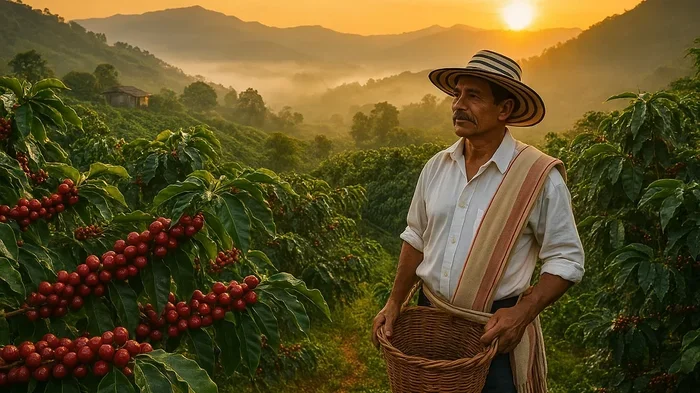
Unlike large industrial farms, many Colombian coffee growers handpick their beans. This means workers select only the ripe cherries one by one. Handpicking ensures that only the best beans make it into the final product.
The harvest season in Colombia runs from October to December. Families and entire communities come together for this time of year. It is hard work, but it is also a source of pride. The care that goes into harvesting is one reason Colombian coffee flavor is so consistent and high quality.
Traditional Colombian Coffee Brewing Methods
This is where things get really interesting. Colombians do not just dump grounds into a drip machine and call it done. They have their own special tools and techniques that have been passed down for generations.
The Tetera (Traditional Coffee Pot)
The tetera is a small stovetop pot used to brew coffee the old-fashioned way. It looks a bit like a small kettle with a built-in filter basket at the top. You fill the bottom with water, add coffee grounds to the filter, and let it boil on the stove.
Here is how it works step by step:
- Fill the bottom chamber of the tetera with cold filtered water.
- Add finely ground coffee to the filter basket. Use about two tablespoons per cup.
- Place the tetera on the stove over medium heat.
- Wait for the water to heat up and push through the grounds.
- Once the coffee starts to rise into the top chamber, remove it from the heat.
- Pour and enjoy immediately.
The tetera produces a strong and full-bodied cup. It is the most common way to brew coffee in Colombian homes. The method gives you control over the brewing temperature and the steeping time.
The Colombiana (Hand-Pump Coffee Maker)
You have probably seen one of these at a Colombian household or a local cafe. The colombiana is a stovetop coffee maker with a hand pump on top. You add water to the bottom and grounds to the filter. Then you pump the handle up and down to push hot water through the coffee.
This method creates a rich and concentrated brew. It is similar to a Moka pot but with a more hands-on approach. The coffee extraction happens faster and under pressure, which brings out more of the bean’s natural oils and flavors.
If you want to try this at home, you can find a colombiana at most Latin grocery stores. It is an affordable tool that makes a big difference in taste.
Using a Regular Drip Coffee Maker
Many Colombians also use standard drip coffee makers, especially in cities. But even with a regular machine, there are a few rules Colombians follow to get the best results:
- Always use freshly ground beans. Pre-ground coffee loses flavor fast.
- Use clean, filtered water. The water makes up over 98 percent of your cup.
- Do not let the coffee sit on the hot plate too long. It turns bitter.
- Clean your machine regularly. A dirty coffee maker affects the taste of every cup.
If you own a Keurig or similar single-serve machine, make sure you decalcify a Keurig coffee maker often. Mineral buildup can change the temperature and flow of water, which directly impacts your coffee’s flavor.
The Role of Water and Temperature
One thing Colombians understand very well is that water quality and temperature are just as important as the beans. Great beans with bad water will still taste flat.
Water Quality Matters
Colombian tap water varies by region. In many coffee-growing areas, the water is naturally filtered through volcanic rock. This gives it a clean and mineral-rich quality. At home, Colombians usually use filtered or bottled water for brewing.
If your tap water tastes chlorinated or off, it will affect your coffee. Invest in a simple water filter. It is one of the easiest upgrades you can make to improve your daily brew.
The Right Brewing Temperature
The ideal water temperature for brewing coffee is between 195 and 205 degrees Fahrenheit. Boiling water (212°F) is too hot and will over-extract the grounds, making the coffee bitter. Water that is too cool will under-extract and leave the coffee weak and sour.
Colombians pay close attention to this. When using a tetera, they watch for the moment the water starts to bubble and pull the pot off the heat right away. This gentle approach preserves the delicate coffee aroma and flavor notes.
Why Colombian Coffee Tastes So Good
Now that you know the methods, let us talk about the flavor. Why does Colombian coffee have that signature taste that keeps people coming back?
Perfect Growing Conditions
The combination of volcanic soil, high altitude, and tropical climate creates beans with a natural sweetness and bright acidity. The coffee roast is usually medium, which brings out the bean’s natural flavors without burning them.
Colombian coffee often has notes of caramel, nuts, citrus, and chocolate. It is smooth enough for beginners but complex enough for coffee experts. This balance is hard to achieve, and Colombia does it consistently.
Freshness Is Everything
Colombians buy their beans whole and grind them just before brewing. This is one of the biggest differences between how coffee is made in Colombia versus how it is made in many other countries.
Pre-ground coffee can lose up to 60 percent of its flavor within 15 minutes of grinding. When you grind fresh, you get all the natural oils and aromas intact. If you do not have a grinder at home, consider buying a simple one. Just make sure you understand whether you can coffee grinder be used for wet grinding or if you need a dry-only model. For Colombian coffee, you always want a dry grind.
The Social Ritual of Coffee
In Colombia, coffee is a social experience. People do not just grab a cup and rush out the door. They sit down, sip slowly, and enjoy the moment. This mindful approach to drinking coffee means that every cup is treated with care and respect.
The tradition of sharing coffee is called “tinto.” A tinto is a small, strong cup of black coffee. It is offered to guests, coworkers, and family members throughout the day. This culture of savoring coffee adds to the overall experience and makes every cup feel special.
How to Make Colombian Coffee at Home
You do not need to travel to Colombia to enjoy an authentic cup. With the right beans and a simple method, you can bring Colombian coffee into your own kitchen.
Step-by-Step Guide to Brewing Colombian Coffee
- Buy whole beans from Colombia. Look for beans labeled as single-origin from regions like Huila, Nariño, or Antioquia.
- Grind the beans just before brewing. Use a medium-fine grind for a tetera or colombiana. A coarse grind works for a drip machine.
- Heat filtered water to 195-205°F. If you do not have a thermometer, let boiling water sit for 30 seconds.
- Add grounds to your brewer. Use about two tablespoons of coffee per six ounces of water.
- Brew for 3-5 minutes. Do not let it over-steep. Remove from heat as soon as the coffee is ready.
- Pour and enjoy black. Colombians traditionally drink their coffee without milk or sugar, though you can add them if you prefer.
If you want to try something different, you can also make iced coffee using the same Colombian brewing method. Brew a strong cup, let it cool, and pour it over ice. This is a popular way to enjoy Colombian coffee during the warmer months. You can even experiment with your own version of making your own Dunkin iced coffee at home using Colombian beans for an authentic twist.
Quick Tips for the Best Results
- Store your beans in an airtight container away from sunlight.
- Do not reuse coffee grounds. They have already released most of their flavor.
- Clean your brewing equipment after every use.
- Experiment with grind size to find what works best for your palate.
- Drink your coffee within 20 minutes of brewing for the freshest taste.
Common Mistakes to Avoid
Even if you use great beans, small mistakes can ruin your cup. Here are the most common ones to watch out for:
- Using boiling water: This scorches the grounds and creates a bitter taste.
- Grinding too early: Ground coffee loses its freshness very quickly.
- Using tap water with chlorine: It adds an off-flavor that masks the bean’s natural taste.
- Over-steeping the coffee: Leaving grounds in the water too long pulls out bitter compounds.
- Skipping the cleaning: Old coffee oils build up in your equipment and go rancid.
Avoiding these simple mistakes will immediately improve the quality of your coffee. It is amazing how much difference the right technique makes.
Expert Insights on Colombian Coffee
Coffee growers and baristas in Colombia often share the same advice: keep it simple and let the beans speak for themselves. The best Colombian coffee does not need fancy additions. It just needs good water, fresh grounds, and proper technique.
Many experts also emphasize the importance of supporting local farmers. When you buy Colombian coffee from reputable sources, you are helping sustain the communities that make this incredible product possible. Fair trade and direct trade practices ensure that farmers receive a fair price for their hard work.
The caffeine content in Colombian Arabica beans is moderate, making it a great choice for people who want a smooth energy boost without the jitters. This is another reason why Colombian coffee is enjoyed throughout the day, from morning tinto to an after-dinner cup.
Final Thoughts
Colombian coffee is more than just a beverage. It is a tradition, a craft, and a source of national pride. From the mountains of the Coffee Axis to kitchens around the world, the way Colombians make coffee reflects generations of knowledge and care.
The secret to its great taste is simple: quality beans, clean water, proper temperature, and fresh grinding. When you combine these elements with a traditional brewing method, you get a cup of coffee that is truly special.
So the next time you brew a cup, take a moment to slow down. Use fresh beans. Pay attention to the water temperature. Sip it slowly. You might just discover that your morning coffee has never tasted better. And that is exactly how Colombians have been enjoying their coffee for centuries.
If you are looking to expand your coffee skills further, try exploring different brewing tools and techniques. Each method brings out new notes and flavors in the same bag of beans. The journey of learning how to make great coffee never really ends, and that is part of what makes it so enjoyable.
Frequently Asked Questions
What makes Colombian coffee different from other coffees?
Colombian coffee is different because of its growing conditions, bean varieties, and brewing traditions. The volcanic soil and high altitude in Colombia produce Arabica beans with a naturally sweet and balanced flavor. The traditional brewing methods also play a big role in bringing out the best in every cup.
Can I use a regular coffee maker to brew Colombian coffee?
Yes, you can absolutely use a regular drip coffee maker. The key is to use freshly ground beans and clean filtered water. Many Colombians in cities use standard machines but still follow the same principles of freshness and quality that traditional methods emphasize.
What is the best grind size for Colombian coffee?
A medium-fine grind works best for traditional Colombian brewing methods like the tetera or colombiana. For a drip coffee maker, a medium grind is ideal. The grind size affects extraction, so adjust it based on your brewing method and taste preference.
Do Colombians add milk or sugar to their coffee?
Traditionally, Colombians drink their coffee black, especially the small tinto cups. However, adding milk or sugar is becoming more common, especially among younger generations. There is no right or wrong way, so feel free to customize it to your liking.
How long does Colombian coffee stay fresh?
Whole bean Colombian coffee stays fresh for about two to four weeks after roasting. Once ground, it is best used within 15 to 20 minutes. Store beans in an airtight container in a cool, dark place to preserve their flavor as long as possible.
Where can I buy authentic Colombian coffee beans?
You can find authentic Colombian coffee at specialty grocery stores, online retailers, and Latin markets. Look for beans labeled as single-origin from regions like Huila, Nariño, or Antioquia. Buying from reputable roasters ensures you get high-quality, ethically sourced beans.