Can U Use Distilled Water To Make Coffee Taste Better
Using distilled water to make coffee is a game-changer for many home brewers. Pure water removes minerals that cause buildup and off-flavors, letting your coffee beans shine. However, distilled water lacks minerals that help extract flavor, so a few adjustments are needed. This guide covers everything you need to know about using distilled water for a cleaner, better-tasting cup.
Have you ever wondered whether the water you use to brew your morning cup actually matters? Most people grab whatever comes out of the tap and move on with their day. But if you have ever tasted coffee made with different types of water, you know the difference can be striking. The question of whether you can use distilled water to make coffee opens up a surprisingly deep conversation about taste, health, and how your brewing equipment works.
Let us break this down in a straightforward way. By the end, you will know exactly what distilled water does to your coffee and whether it is worth switching to.
## What Is Distilled Water, Exactly?
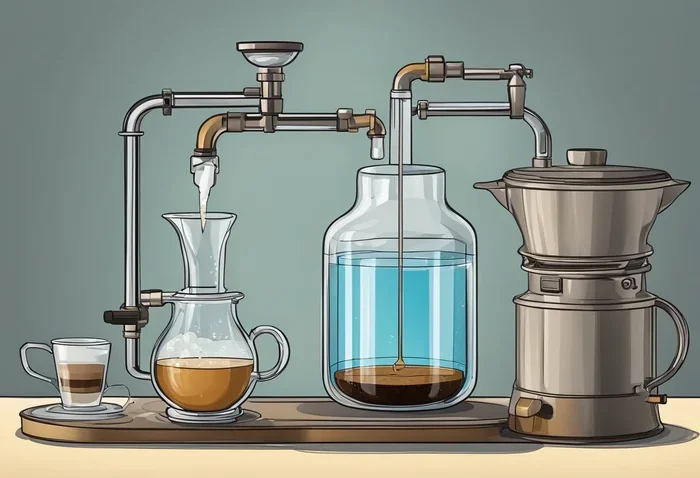
Distilled water is water that has been boiled into steam and then condensed back into liquid form. This process strips away nearly everything, including minerals like calcium, magnesium, and sodium. It also removes chlorine, fluoride, and most contaminants. What you are left with is as close to pure H2O as you can get.
This makes distilled water different from tap water, spring water, or even filtered water. Those other types still contain varying levels of dissolved minerals. Distilled water is essentially blank. It has nothing in it except the water itself.
## How Water Affects the Taste of Coffee
Coffee is about 98 percent water. That fact alone should tell you that water quality plays a huge role in the final cup. The minerals in water interact with coffee grounds during brewing. They help extract flavor compounds, oils, and aromas. Without some minerals, extraction does not happen the way it should.
Tap water often contains chlorine and other chemicals that can add off-flavors. Hard water, on the other hand, can over-extract certain compounds and leave a bitter or metallic taste. Soft water tends to under-extract, resulting in a flat, weak cup. So where does distilled water fit in?
Distilled water sits in a tricky spot. Because it has no minerals, it tends to under-extract coffee. This can lead to a sour or hollow taste. However, many coffee enthusiasts find that distilled water produces a cleaner, brighter cup compared to tap water. The absence of chlorine and chemicals means nothing is masking the true flavor of the beans.
## Benefits of Using Distilled Water for Coffee
There are several real advantages to brewing with distilled water. Here is what you can expect.
### Cleaner, Purer Flavor
Since distilled water contains no chlorine or additives, it does not introduce any off-flavors. You get to taste what the coffee beans actually taste like. This is especially noticeable with high-quality, single-origin beans where subtle flavor notes matter.
### Better for Your Equipment
Mineral buildup, also known as limescale, is a real problem for coffee makers, espresso machines, and kettles. Hard water causes scale to accumulate inside pipes, heating elements, and valves. Over time, this reduces efficiency and can even break your machine. Distilled water eliminates this issue almost entirely. Your equipment stays cleaner and lasts longer.
### Consistent Results
Tap water quality changes depending on where you live and even what season it is. Using distilled water gives you a consistent base every time you brew. You eliminate one variable from the equation, which makes it easier to dial in your perfect cup.
### Health Considerations
Some people worry about drinking distilled water long-term because it lacks minerals. However, the small amount of water you use for coffee does not significantly impact your mineral intake. You get the vast majority of your minerals from food, not water. So this should not be a concern for most people.
## Drawbacks of Brewing with Distilled Water
It is not all positives. There are some real downsides to consider.
### Under-Extraction and Sour Taste
The biggest complaint about using distilled water for coffee is under-extraction. Because there are no minerals to help pull flavor out of the grounds, the coffee can taste sour, thin, or weak. This is the most common issue people run into when they first switch to distilled water.
### Lack of Body and Mouthfeel
Minerals like calcium and magnesium contribute to what coffee people call “body” or “mouthfeel.” That satisfying, full feeling you get from a well-brewed cup. Distilled water often produces a lighter, more watery cup that lacks this richness.
### Not Ideal for Espresso
Espresso relies on precise extraction, and water chemistry plays a bigger role here than in drip coffee. Distilled water can make it harder to get the right pressure and extraction time for a balanced espresso shot. Many baristas avoid using it for espresso specifically.
## How to Make Distilled Water Work for Your Coffee
If you want to use distilled water but avoid the downsides, there are some practical steps you can take.
### Add a Pinch of Sea Salt
This sounds strange, but adding a tiny pinch of sea salt to your distilled water can make a noticeable difference. The salt introduces a small amount of minerals that help with extraction without adding any real flavor of its own. Start with a pinch per cup and adjust from there.
### Mix with Filtered Water
A popular approach among coffee lovers is to blend distilled water with filtered water. This gives you the purity of distilled water with enough minerals to extract properly. A common starting ratio is about 60 percent distilled water and 40 percent filtered water. Adjust to taste.
### Use a Third Wave Water Packet
Third Wave Water is a product designed specifically for coffee brewing. It is a mineral packet that you add to distilled water to create the ideal brewing water. It is an easy and consistent way to get the best of both worlds. Many specialty coffee shops use versions of this approach.
### Adjust Your Brew Time
Since distilled water extracts more slowly, you may need to extend your brew time slightly. For pour-over coffee, try letting the water sit on the grounds for an extra 15 to 30 seconds. For French press, give it a longer steep. Small adjustments like this can make a big difference.
## Distilled Water vs. Other Water Types for Coffee
Here is a quick comparison to help you decide.
| Water Type | Mineral Content | Effect on Coffee | Equipment Impact |
|—|—|—|—|
| Tap Water | Varies by location | Can taste chlorinated or metallic | High scale buildup over time |
| Filtered Water | Low to moderate | Clean taste, decent extraction | Low scale buildup |
| Spring Water | Moderate | Good flavor, natural minerals | Moderate scale buildup |
| Distilled Water | None | Clean but can taste flat or sour | Virtually no scale buildup |
| Third Wave Water (added to distilled) | Balanced | Optimal extraction and flavor | No scale buildup |
This table shows that distilled water is not the worst option, but it is not the best on its own either. The sweet spot is adding minerals back in some way.
## What Coffee Professionals Say
The Specialty Coffee Association (SCA) recommends water with a total dissolved solids (TDS) level between 75 and 250 parts per million for brewing coffee. Distilled water has a TDS of nearly zero, which falls well below that range. This confirms what many home brewers already know, distilled water alone is not ideal.
However, the SCA also emphasizes that water should be free of chlorine and contaminants. In that sense, distilled water checks an important box. Many coffee professionals use distilled water as a starting point and then add minerals back to hit the right balance.
If you are serious about coffee, this approach gives you full control over your water chemistry. You can adjust mineral content, pH, and TDS to match your personal preference and the beans you are using.
## Common Mistakes People Make with Distilled Water and Coffee
### Using It Straight from the Jug
As we covered above, using pure distilled water without any adjustments often leads to a sour, flat cup. Do not make this mistake. Always add minerals back in some form.
### Forgetting to Store It Properly
Distilled water can absorb carbon dioxide from the air once the container is opened. This slightly lowers the pH and can change how it interacts with coffee. Store it in a sealed container and use it within a few days of opening.
### Ignoring Your Brew Method
Different brewing methods respond differently to water chemistry. A French press is more forgiving than espresso. Drip coffee makers are more sensitive to mineral content. Consider your specific method when deciding how to treat your water.
### Assuming All Distilled Water Is the Same
Not all distilled water is created equal. Some brands add trace minerals back after distillation. Check the label. You want pure distilled water with nothing added if you plan to customize it yourself.
## Final Thoughts
So, can you use distilled water to make coffee? Absolutely. Should you use it straight from the bottle? Probably not. The best approach is to use distilled water as a base and add minerals back in through a pinch of salt, a blend with filtered water, or a product like Third Wave Water.
This way, you get the purity benefits without sacrificing taste or mouthfeel. Your coffee will taste cleaner, your equipment will stay healthier, and you will have full control over your brew. If you are willing to put in a little extra effort, distilled water can genuinely elevate your coffee experience.
Give it a try for a week and see how it changes your morning cup. You might be surprised at the difference a little water chemistry can make.
Key Takeaways
- Distilled water removes impurities: It eliminates minerals, chlorine, and contaminants that can negatively affect coffee taste.
- It reduces scale buildup in coffee makers: Using pure water extends the life of your machine and keeps it running efficiently.
- Distilled water can taste flat if used alone: The lack of minerals may lead to under-extraction, so some adjustments are needed.
- A blend of distilled and filtered water works best: Combining both gives you clean water with enough minerals for great extraction.
- Brewing with pure water highlights bean quality: You will taste more of the natural flavors in your coffee grounds.
- It is safe and affordable: Distilled water is widely available and inexpensive for everyday use.
- Regular cleaning still matters: Even with distilled water, descaling and maintenance keep your coffee maker in top shape.
What is Can U Use Distilled Water To Make Coffee?
Can U Use Distilled Water To Make Coffee is an important topic with many practical applications.