How To Reheat Sliced Brisket In The Oven Perfectly
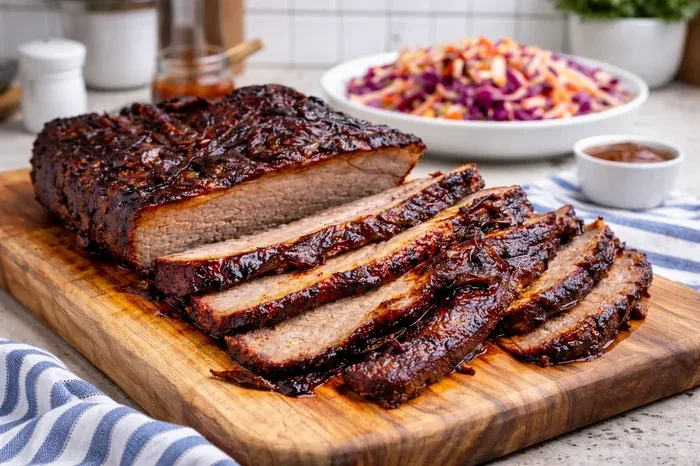
Reheating sliced brisket in the oven is the best way to keep it moist and flavorful. This guide walks you through the exact steps to bring your leftover beef brisket back to life. You will learn the right oven temperature, wrapping method, and timing to avoid dry meat.
There is nothing quite like leftover sliced brisket for a quick and satisfying meal. Whether you smoked a whole packer or picked up some beef brisket from your favorite pitmaster, reheating it properly makes all the difference. The oven is hands down the best tool for this job.
Many people make the mistake of nuking their brisket leftovers in the microwave. That leads to rubbery, dry meat with zero bark texture. But when you follow the right method, your reheated slices taste almost as good as the day they came off the smoker. This guide covers everything you need to know.
You will learn the exact oven temperature, how long to reheat, and simple tricks to keep every slice moist. Let us dive in and bring that brisket back to life.
Key Takeaways
- Low and slow is the key: Reheat at 225°F to 250°F to keep your brisket slices tender and juicy.
- Wrap in foil: This locks in moisture and prevents the bark from drying out during reheating.
- Use a meat thermometer: Internal temperature of 165°F ensures your reheating brisket is safe and delicious.
- Rest the meat: Letting it sit after reheating redistributes the juices for the best texture.
- Add moisture if needed: A splash of beef broth or apple juice can revive dry leftovers.
- Avoid high heat: Cranking the oven up will toughen the meat and ruin the bark.
📑 Table of Contents
- Why Reheating Brisket In The Oven Works Best
- How To Reheat Sliced Brisket In The Oven: Step By Step
- Common Mistakes People Make When Reheating Brisket
- How To Keep Your Reheated Brisket Moist And Juicy
- Brisket Reheating Time Chart
- Expert Tips For Perfect Reheated Brisket Every Time
- How To Store Brisket Leftovers For Best Reheating Results
- Frequently Asked Questions
- Final Thoughts On Reheating Sliced Brisket In The Oven
Why Reheating Brisket In The Oven Works Best
When it comes to reheating meat, the oven offers gentle, even heat. Unlike a microwave that creates hot spots, an oven warms your sliced brisket consistently from edge to center. This matters a lot for smoked meats like beef smoked meat.
The low heat also preserves the brisket bark, that delicious crust formed during the smoke. Microwaves steam the bark right off, leaving you with soggy slices. The oven keeps the texture intact. Plus, you can add a little moisture during the process to boost juiciness.
For these reasons, oven-baked brisket reheating is the gold standard among barbecue enthusiasts. It takes a bit more time than a microwave, but the results speak for themselves.
The Science Behind Low and Slow Reheating
Brisket is a tough cut with lots of connective tissue. During the original smoke, collagen breaks down into gelatin at low temperatures over many hours. When you reheat too fast, that gelatin tightens up and squeezes out moisture. The meat turns tough and chewy.
By keeping the temperature low, you gently warm the meat without shocking the proteins. The gelatin stays soft and lubricates each muscle fiber. This is why low and slow reheating produces the juiciest results. It mirrors the original cooking process in reverse.
How To Reheat Sliced Brisket In The Oven: Step By Step
Now let us get into the actual process. Following these steps will give you perfectly reheated brisket every single time. The method is simple but requires a little patience.
Step 1: Preheat Your Oven
Set your oven to 225°F or 250°F. This low temperature is the foundation of a great reheat. Do not skip preheating. A cold oven will cook the meat unevenly and extend the total time.
While the oven warms up, pull your brisket slices out of the refrigerator. Letting them sit at room temperature for about 15 minutes helps them warm more evenly. This small step makes a big difference in the final texture.
Step 2: Wrap The Slices In Foil
Place your sliced brisket in a single layer inside an oven-safe dish. You can use a baking pan, a glass dish, or even a cast iron skillet. The key is to keep the slices flat and not stacked on top of each other.
Now, wrap the dish tightly with aluminum foil. The foil creates a sealed environment that traps steam and moisture. This prevents the beef brisket from drying out during the reheating brisket process. If you have extra juices from the original cooking, pour them over the slices before wrapping.
Step 3: Add Moisture If Needed
Not all leftovers have juices to spare. If your brisket leftovers look dry, add a small amount of liquid. Beef broth works great. So does apple juice or even a splash of water. About two tablespoons spread over the slices is enough.
The steam created inside the foil packet will infuse the meat with moisture as it heats. This is one of the easiest brisket reheating tips to remember. A little liquid goes a long way toward restaurant-quality results.
Step 4: Reheat Slowly And Check The Temperature
Place the wrapped dish in the oven. Now comes the waiting game. A general rule is to reheat for about 15 to 20 minutes per pound of beef smoked meat. For individual portions, 10 to 15 minutes usually does the trick.
Use a meat thermometer to check the internal temperature. You want the brisket to reach 165°F in the center. This is the sweet spot where the meat is hot and safe to eat but has not dried out. Avoid going above 170°F, as that can start to toughen the fibers.
Step 5: Rest Before Serving
Once your reheated brisket hits 165°F, pull it out of the oven. Keep it wrapped in foil and let it rest for 5 to 10 minutes. This resting period allows the juices to redistribute throughout each slice.
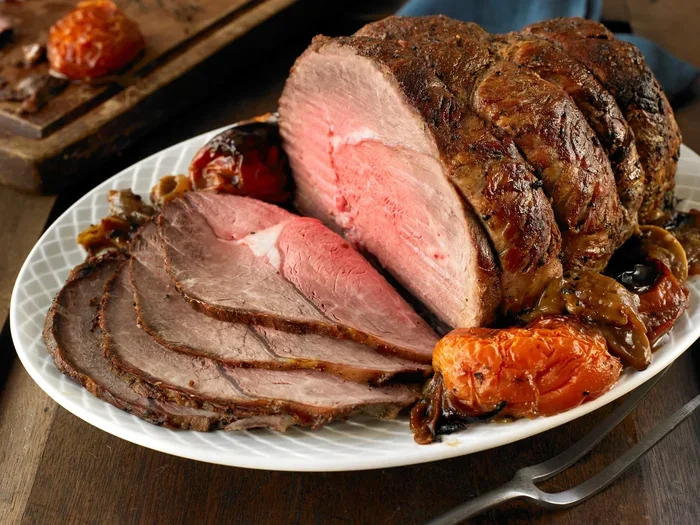
After resting, unwrap and serve. The meat should be juicy, tender, and full of smoky flavor. If you want to restore some crunch to the bark, you can unwrap and pop the slices under the broiler for 1 to 2 minutes. Watch them closely to avoid burning.
Common Mistakes People Make When Reheating Brisket
Even with the best intentions, mistakes happen. Knowing what to avoid will save your sliced brisket from turning into a disappointment. Here are the most common errors.
Using Too High A Temperature
This is the number one mistake people make. Cranking the oven up to 350°F or higher seems faster, but it ruins the meat. High heat dries out the exterior before the interior warms through. Your once-tender brisket slices turn tough and chewy.
Stick with the low temperature. It takes a little longer, but the results are worth every minute. Patience is your best friend when reheating smoked meats.
Skipping The Foil Wrap
Some people toss their brisket leftovers directly into an unwrapped dish. This lets all the moisture escape. The bark becomes hard and the meat turns dry. The foil wrap is not optional if you want great results.
Think of the foil as a steam chamber. It creates a humid environment that keeps the beef brisket succulent. Do not skip this simple step.
Overheating The Meat
Reheating beyond 170°F internal temperature is a common trap. The meat may look fine on the outside but be dry and stringy on the inside. Always use a meat thermometer and pull the dish as soon as it hits 165°F.
Remember, the meat continues to rise in temperature after you take it out of the oven. That carryover cooking adds another 5 to 10 degrees. Factor this in to avoid overcooking your leftovers.
How To Keep Your Reheated Brisket Moist And Juicy
Moisture is everything when it comes to reheating sliced brisket. Dry brisket is a tragedy, and it happens more often than you might think. Here are proven techniques to keep every bite succulent.
The Apple Juice Trick
Brasstown Bull, a pitmaster from Texas, swears by a splash of apple juice. Before wrapping the dish in foil, drizzle a tablespoon of apple juice over each layer of slices. The natural sugars add a subtle sweetness while the liquid creates steam during reheating.
This trick works especially well for brisket leftovers that have been in the fridge overnight. The juice penetrates the meat and refreshes the flavor profile. It is a simple addition that makes a noticeable difference.
The Broth Method
Beef bone broth is another excellent option. It adds depth of flavor while keeping the meat moist. Pour a quarter cup of broth into the bottom of the oven-safe dish before adding the slices. The steam from the broth works as a natural humidifier.
This method is especially useful if you reheated the brisket once before and it has already dried out slightly. The broth essentially rehydrates the meat fibers during the second warming. Your oven-baked brisket will taste fresh off the smoker.
Store Leftovers Properly From The Start
Good reheating starts with proper storage. When you first put your brisket slices in the fridge, store them in an airtight container with any juices. This preserves moisture from the beginning.
Avoid leaving the meat uncovered in the refrigerator. Exposure to cold air dries out the surface and accelerates moisture loss. Proper storage means your leftovers will reheat better and taste fresher for an extra day or two.
Brisket Reheating Time Chart
Timing depends on the amount of meat you are reheating. Use this chart as a general guide for your reheating brisket sessions.
- Single portion (half pound): 10 to 12 minutes at 250°F
- Two portions (one pound): 15 to 20 minutes at 250°F
- Quarter batch (two pounds): 25 to 30 minutes at 250°F
- Half batch (four pounds): 35 to 45 minutes at 225°F
- Full batch (eight pounds or more): 50 to 60 minutes at 225°F
These times are approximate. Always use a meat thermometer to confirm doneness. Every oven runs slightly differently, and the starting temperature of the meat matters too.
Expert Tips For Perfect Reheated Brisket Every Time
Beyond the basic steps, a few expert-level tricks can elevate your reheated brisket from good to outstanding. These are the kind of tips pitmasters and barbecue competition winners use.
Double Wrap For Extra Moisture
If you are reheating a large batch or older leftovers, try double wrapping. Use one layer of foil directly on the meat and a second layer around the dish. This creates an extra barrier against moisture loss. It is especially helpful for sliced brisket that has been in the fridge for more than two days.
The Oven-Bag Alternative
Some people prefer using an oven bag instead of foil. Oven bags trap steam even more effectively and are mess-free. Place your brisket slices inside the bag with a tablespoon of broth, seal it, and place it in your oven-safe dish. The results are remarkably juicy.
Slice Against The Grain Before Reheating
If you have a whole piece of leftover brisket, slice it against the grain before reheating. This ensures each brisket slice heats evenly and remains tender. Reheating a whole piece and slicing after can leave some parts overcooked and others still cool.
Add A Little Smoke Flavor Back
Over time, the smoky flavor of beef brisket can fade in the fridge. A tiny pinch of smoked paprika or a few drops of liquid smoke added to the broth can bring that smoky depth back. It is a subtle trick that makes a surprising difference in flavor.
How To Store Brisket Leftovers For Best Reheating Results
Proper storage sets you up for success when reheating time comes around. Follow these guidelines to keep your brisket leftovers fresh and flavorful.
Refrigerate leftover sliced brisket within two hours of cooking. Store it in an airtight container or wrap it tightly in plastic wrap followed by foil. The fridge keeps the meat safe for up to four days.
For longer storage, freeze your beef brisket slices. Wrap them tightly in plastic wrap and place them in a freezer bag, removing as much air as possible. Frozen brisket keeps well for up to three months. When you are ready to eat, thaw overnight in the fridge before reheating.
Never leave brisket slices at room temperature for more than two hours. Bacteria growth accelerates quickly between 40°F and 140°F. When in doubt, refrigerate early and reheat thoroughly.
Frequently Asked Questions
Can I reheat sliced brisket in the oven without foil?
You can, but the results will not be as good. Foil traps steam and keeps the sliced brisket moist. Without it, the meat is more likely to dry out. If you must go without foil, add a little broth to the dish and cover it with a lid instead.
What is the best oven temperature to reheat brisket?
The sweet spot is between 225°F and 250°F. This low temperature warms the meat gently without drying it out. Avoid temperatures above 300°F, as they will toughen the meat and ruin the texture of your brisket bark.
How long can I keep reheated brisket in the fridge?
Properly stored reheated brisket lasts three to four days in the refrigerator. Keep it in an airtight container. If you need to store it longer, freeze it within two days of reheating for the best quality.
Can I reheat brisket more than once?
Technically yes, but it is not recommended. Each reheating cycle dries the meat further and increases the risk of food safety issues. Plan your portions so you only reheat what you will eat in one sitting.
Should I add sauce when reheating brisket?
It is better to add sauce after reheating, not before. Heat can cause the sugars in barbecue sauce to burn. Reheat the plain meat first, then brush or drizzle sauce on top just before serving for the best flavor and texture.
Why is my reheated brisket tough and dry?
This usually happens when the oven temperature is too high or the meat is reheated for too long. Both factors squeeze moisture out of the muscle fibers. Always use low heat, wrap in foil, and monitor the internal temperature with a meat thermometer to avoid this problem.
Final Thoughts On Reheating Sliced Brisket In The Oven
Reheating sliced brisket in the oven is simple once you know the right method. Keep the temperature low, wrap the meat in foil, and use a meat thermometer to guide you. These brisket reheating tips will transform your leftovers into a meal that tastes almost as good as the original.
The oven gives you control and consistency that a microwave simply cannot match. Your beef brisket retains its moisture, its bark, and its smoky flavor when you follow these steps. Whether you are feeding a family or hosting a gathering, perfectly reheated brisket always impresses.
So next time you have brisket leftovers, do not reach for the microwave. Take the extra time to reheat them properly in the oven. Your taste buds will thank you. Follow this guide, experiment with the tips, and enjoy juicy brisket leftovers whenever the craving strikes.