How To Keep Mice Out Of Your Oven And Prevent Them
Mice can sneak into your oven and cause serious health and safety risks. This guide covers everything you need to know about how to keep mice out of your oven using simple, effective methods. You will learn how to seal entry points, use natural deterrents, and maintain a mouse-free kitchen for good.
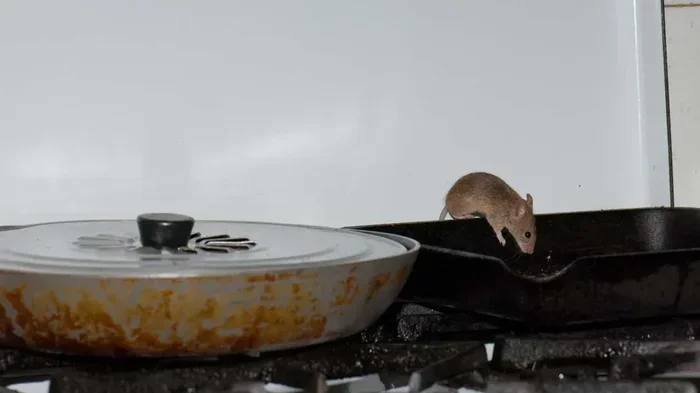
Finding mice in your oven is a nightmare no one wants to deal with. These tiny creatures can squeeze through gaps as small as a pencil. Once inside, they chew on wires, leave droppings, and create a terrible mess. The good news is that how to keep mice out of your oven is simpler than you think.
Mice love warm, dark places. Your oven offers the perfect hiding spot, especially when it is not in use. They also seek food crumbs and grease buildup inside and around the appliance. This guide will walk you through every step to prevent mice from getting into your oven and keep your kitchen safe and clean.
Whether you have seen a single mouse or noticed tiny droppings near your stove, acting fast matters. The longer you wait, the bigger the problem becomes. Let us dive into the most effective methods for rodent proof oven protection and long-term pest control oven solutions.
Key Takeaways
- Seal all gaps and cracks: Mice can enter through tiny openings around your oven. Use steel wool and caulk to block them.
- Keep your kitchen clean: Food crumbs and grease attract mice. Regular cleaning removes their reason to stay.
- Use natural mouse deterrents: Peppermint oil, vinegar, and cloves are safe and effective ways to repel mice.
- Inspect your oven regularly: Early detection prevents full-blown infestations. Check for droppings, nests, and gnaw marks often.
- Store food properly: Airtight containers deny mice access to food sources near your oven and kitchen.
- Call a professional if needed: Severe infestations require expert pest control for safe and complete removal.
📑 Table of Contents
- Why Mice Are Attracted To Your Oven
- How Mice Enter Your Oven
- How To Keep Mice Out Of Your Oven With Proven Methods
- Quick Tips For Long-Term Mouse Prevention
- Common Mistakes People Make When Dealing With Mice In The Oven
- When To Call A Professional For Mouse Removal
- Health Risks Of Mice In Your Oven
- Comparison Of Mouse Prevention Methods
- Conclusion
Why Mice Are Attracted To Your Oven
Understanding why mice target your oven helps you stop them. These pests are always looking for three things: food, water, and warmth. Your kitchen delivers all three in abundance.
The Warmth Factor
Ovens retain heat long after you finish cooking. Mice feel this warmth and see it as a cozy nesting spot. During cold months, they especially seek out warm appliances. Even a slightly warm oven can attract them from outside your home.
The area behind and beneath your oven also traps heat. Mice build nests in these hidden spaces where they feel safe. They shred insulation, paper, and fabric to create soft bedding. This nesting behavior can damage your oven and surrounding areas.
Food Sources That Draw Mice
Grease splatters inside your oven act as a food source. Crumbs that fall behind or around the stove attract mice too. Even tiny amounts of food residue are enough to draw them in.
Open food containers near the oven make the problem worse. Pet food left out overnight is another big attractant. Mice have an incredible sense of smell and can detect food from far away. Keeping your kitchen free of food debris is the first step in mice prevention.
Water And Moisture
Leaky pipes or condensation near your oven create water sources. Mice need very little water to survive. Even a small drip under your stove can attract them. Fixing leaks and wiping up spills removes this incentive for mice in kitchen appliances.
How Mice Enter Your Oven
Mice are incredibly flexible and can fit through spaces you would never expect. Knowing their entry points helps you seal oven gaps effectively.
Common Entry Points
Gaps around the back of your oven are the most common entry route. Utility lines, pipes, and vents create small openings. Mice use these as highways into your home. The gap between your oven and the wall is often large enough for them to pass through.
Cracked or damaged oven door seals also invite mice inside. The rubber gasket around the oven door can wear out over time. When it loses its seal, mice find their way in easily. Old oven models often have larger gaps around the control panel too.
Ductwork and ventilation openings near the oven are another entry point. Mice climb through ducts and enter from the attic or walls. Even dryer vents connected to the same wall cavity can serve as pathways for rodent infestation.
How Small Is Too Small?
Here is a shocking fact: a mouse can squeeze through a hole the size of a dime. This means even the tiniest crack in your kitchen wall is an open door. Gaps around pipes, wires, and baseboards all count as potential entry points for mice entry points that lead to your oven.
Regular inspection of these areas is essential. Use a flashlight to check behind and beneath your oven. Look for dark spots, grease marks, or tiny droppings. These signs tell you where mice are getting in.
How To Keep Mice Out Of Your Oven With Proven Methods
Now that you understand why mice come and how they get in, let us explore the best ways to keep mice out of your oven. These methods work together for the strongest protection.
Step One: Seal Every Gap And Crack
Sealing entry points is the most important step in pest proof oven defense. Start by inspecting the entire area around your oven. Check the back, sides, and beneath the unit carefully.
Use steel wool to fill small gaps. Mice hate chewing through steel wool because it hurts their teeth. Pack it tightly into any holes you find around pipes and wires. Then apply caulk over the steel wool to create a permanent seal.
For larger gaps, use metal flashing or hardware cloth. These materials are too tough for mice to chew through. Focus especially on the gap between your oven and the back wall. Even a half-inch gap is enough for a mouse to squeeze through.
Replace worn oven door seals with new gaskets. Visit your appliance store or order the exact model online. A proper seal keeps both heat inside and mice out. This simple fix is one of the best mice deterrent strategies you can use.
Step Two: Use Natural Mouse Repellents
Natural repellents are safe, affordable, and highly effective. They work by overwhelming mice with strong smells they hate. Here are the best options for natural mouse repellent use near your oven.
Peppermint oil is the gold standard for repelling mice. Soak cotton balls in pure peppermint oil and place them near oven openings. Replace them every week for best results. The strong scent confuses mice and drives them away from the area.
Vinegar is another powerful cleaning agent and deterrent. Mix equal parts white vinegar and water in a spray bottle. Wipe down the area around your oven with this solution. The sharp smell repels mice and removes food traces that attract them.
Cloves and bay leaves work well as natural mice deterrent options. Place whole cloves in small bowls near the oven. Scatter dried bay leaves behind and beneath the appliance. These are safe around food and add a pleasant scent to your kitchen.
Ammonia-soaked rags can also deter mice effectively. Place them in areas where you have seen mouse activity. However, use caution with ammonia around food preparation areas. The smell is strong but fades quickly.
Step Three: Keep Your Kitchen Spotless
Cleanliness is your strongest defense against mice in kitchen appliances. A dirty kitchen gives mice every reason to stay and build a nest.
Wipe down your oven after every use. Remove all food spills and grease splatters immediately. Pay special attention to the bottom of the oven and the area behind it. Use degreaser cleaners for tough grease buildup that attracts mice.
Sweep and mop your kitchen floors daily. Crumbs under the stove and around the oven base are prime food sources for mice. Do not leave dirty dishes in the sink overnight. Store all food in airtight containers, including pet food.
Take out the trash regularly and use bins with tight-fitting lids. Compost bins should be kept far from your kitchen entrance. Good kitchen hygiene removes the reasons mice want to be anywhere near your oven.
Step Four: Set Up Mouse Traps And Barriers
Traps serve two purposes: they catch mice that are already inside and they act as a warning system. Place snap traps near the oven, especially along walls where mice travel.
Use peanut butter as bait. It sticks well to the trigger and attracts mice effectively. Check traps daily and dispose of caught mice promptly. For a humane mouse trap option, live catch traps let you release mice far from your home.
Electronic mouse repellers are another option. These small devices plug into outlets and emit ultrasonic sounds that bother mice but are inaudible to humans. Place them near the oven area for continuous mice prevention.
For a physical barrier, consider installing a mesh cover over oven vents and openings. This blocks mice from entering through ductwork while still allowing proper ventilation.
Step Five: Maintain Regular Oven Inspections
Prevention requires ongoing effort. Make oven inspections part of your regular oven cleaning tips routine. Set a reminder to check behind and beneath your oven every two weeks.
Look for these warning signs of mice nesting in oven areas:
- Tiny droppings near the oven base or inside the oven cavity
- Grease marks along walls and floors from mouse body oils
- Chewed wires or insulation behind the appliance
- Nesting materials like shredded paper, fabric, or insulation
- Strange smells that come from the oven when it is not in use
- Scratching sounds coming from inside the walls near the oven
Catching an infestation early saves you from costly repairs and health risks. Early mice detection makes the whole removal process much easier.
Quick Tips For Long-Term Mouse Prevention
Short-term fixes help, but long-term prevention keeps mice away for good. Here are the best practices to follow every day.
- Clean up spills immediately. Do not let food residue sit on or around your oven overnight.
- Store food in sealed containers. This includes dry goods like flour, sugar, and cereal that mice love.
- Keep pet food sealed. Open pet food bags are an open invitation for mice to enter your kitchen.
- Trim vegetation near your home. Overgrown plants close to your walls give mice easy access to your roof and oven area.
- Seal exterior cracks. Check the outside of your home for holes and fill them with caulk or steel wool.
- Remove clutter. Cardboard boxes and piles of paper near the oven give mice perfect nesting material.
- Use door sweeps. Seal gaps under kitchen doors to block mice from entering the room.
Common Mistakes People Make When Dealing With Mice In The Oven
Avoid these mistakes that make mice control harder than it needs to be.
Mistake One: Ignoring the problem. Many homeowners hope mice will leave on their own. They do not. Mice multiply quickly, and a single pair can produce dozens of offspring in a year. What starts as one mouse becomes a full infestation fast.
Mistake Two: Using only one method. Sealing gaps without cleaning is like locking the front door but leaving windows open. You need a combined approach for real mice prevention. Use sealing, cleaning, repellents, and traps together.
Mistake Three: Using poison near the oven. Poisoned mice often die inside walls or behind appliances. The decomposing body creates a terrible smell that can last for weeks. It also poses a danger to pets and children. Stick to traps and natural repellents for safe pest control oven solutions.
Mistake Four: Forgetting to check outside. Mice enter from outside first. If you only treat the inside, new mice will keep coming. Always address exterior entry points as part of your how to keep mice out of your oven strategy.
Mistake Five: Neglecting regular maintenance. One-time efforts do not provide lasting results. Mice are persistent and will return if you let your guard down. Consistent cleaning and inspection keep them away permanently.
When To Call A Professional For Mouse Removal
Sometimes DIY methods are not enough. If you have tried sealing gaps, using repellents, and setting traps but still see mice, it is time to call an expert.
Professional pest control services have the tools and experience to handle severe rodent infestations. They can identify hidden entry points you might miss. Experts also use industrial-grade mice deterrent methods that are more effective than store-bought products.
Call a professional immediately if you notice any of these signs:
- Seeing multiple mice in your kitchen daily
- Finding mouse droppings inside your oven frequently
- Hearing scratching or gnawing sounds inside walls constantly
- Noticing a strong urine smell near your oven
- Seeing damage to oven wiring or insulation
Professional pest control oven services also provide warranty plans. This means they will return and re-treat if mice come back. For many homeowners, this peace of mind is worth the investment.
Health Risks Of Mice In Your Oven
Mice in your oven are not just a nuisance. They pose real health risks that every homeowner should understand.
Mouse droppings and urine spread harmful bacteria. They can contaminate food surfaces and cooking areas. Hantavirus, salmonella, and leptospirosis are all diseases associated with mice. Even breathing in dust from dried droppings can cause respiratory problems.
Mice also carry parasites like fleas, ticks, and mites. These pests can spread to your home and affect your family and pets. The earlier you address mice in kitchen appliances, the lower your health risk becomes.
Gnawed wires inside your oven create a fire hazard. Mice chew on electrical insulation constantly. Damaged wires behind or inside the oven can spark and start a fire. This is one of the most dangerous reasons to take how to keep mice out of your oven seriously.
Comparison Of Mouse Prevention Methods
| Method | Effectiveness | Cost | Ease of Use |
|---|---|---|---|
| Sealing gaps with steel wool and caulk | Very High | Low | Moderate |
| Peppermint oil repellent | High | Low | Very Easy |
| Snap traps | High | Low | Easy |
| Electronic ultrasonic repellers | Moderate | Medium | Very Easy |
| Professional pest control | Very High | High | Easy |
| Vinegar cleaning solution | Moderate | Very Low | Very Easy |
The best approach combines several methods. No single solution works on its own. Use sealing, repellents, and traps together for the strongest mice prevention strategy.
Conclusion
How to keep mice out of your oven comes down to three core actions: seal, clean, and maintain. Seal every gap and crack around your oven to block entry. Keep your kitchen spotless to remove the food and shelter that attract mice. Maintain regular inspections to catch problems early before they grow.
Natural repellents like peppermint oil and vinegar add an extra layer of protection. Mouse traps give you active control over any existing visitors. And when the problem is too big to handle alone, professional pest control is always a smart choice.
Taking action now saves you from bigger headaches later. Mice damage appliances, spread disease, and create unsafe conditions in your kitchen. With the right mice prevention plan, you can enjoy a clean, mouse-free oven and a worry-free kitchen. Start today, stay consistent, and your oven will stay protected for good.
Frequently Asked Questions
What smell keeps mice away from ovens?
Peppermint oil is the most effective scent for repelling mice. Soak cotton balls in pure peppermint oil and place them near oven openings and gaps. Vinegar, cloves, and bay leaves also work well as natural mice deterrent options to keep rodents away from your kitchen.
Can mice live inside an oven?
Yes, mice can and do live inside ovens. They are attracted to the warmth, dark spaces, and any food residue inside. Mice build nests behind and beneath ovens using shredded materials. Regular oven cleaning tips and inspections help prevent this from happening.
How do I mouse proof my oven area?
Start by sealing all gaps with steel wool and caulk around pipes, wires, and the back wall. Install door sweeps and repair damaged oven door seals. Use natural repellents and keep the area clean of food debris. These steps are the foundation of effective rodent proof oven protection.
Are mice in the oven dangerous?
Yes, mice in ovens pose serious health and safety risks. They spread bacteria through droppings and urine, and they chew on electrical wires which creates a fire hazard. Addressing mice in kitchen appliances quickly reduces the risk of contamination and property damage.
What is the fastest way to get mice out of the kitchen?
Set snap traps with peanut butter near the oven and along walls. Seal all food in airtight containers and clean up crumbs immediately. Combine trapping with sealing entry points for the fastest results. For severe infestations, call professional pest control oven services right away.
How often should I inspect my oven for mice?
Inspect your oven area every two weeks for signs of mice. Look for droppings, grease marks, chewed wires, and nesting materials. Regular mice detection catches small problems before they become major infestations. Make this part of your routine kitchen hygiene practices.