How To Make Swiss Steak In The Oven With Perfect Results
Learn how to make Swiss steak in the oven with perfect results. This Swiss steak recipe uses simple ingredients and low-and-slow oven cooking to deliver a tender, juicy meal. You’ll master the oven-braised steak technique and create a rich homemade gravy in under two hours.
There’s something deeply satisfying about a beef steak that has been slow-cooked until it practically melts on your tongue. If you’ve been searching for a reliable Swiss steak recipe that fits right into your weeknight routine, you’re in the right place. How To Make Swiss Steak In The Oven is simpler than you might think, and the results are restaurant-quality comfort food you can serve with confidence.
This guide walks you through every step, from picking the perfect cut of meat to building a flavorful pan gravy. We’ll cover the best beef for the job, the ideal oven temperature, and the little tricks that make the difference between good and great. Whether you’re a beginner or a seasoned home cook, you’ll find practical tips here that make oven-braised steak a regular on your dinner table.
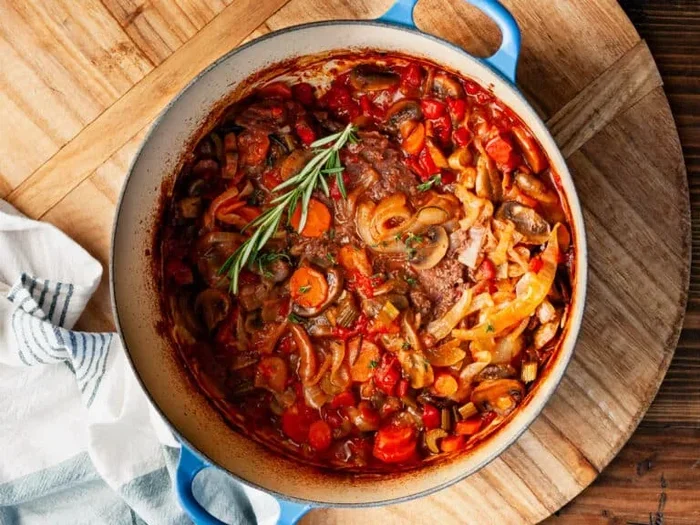
You don’t need fancy equipment or hard-to-find ingredients. A basic Dutch oven, a few humble vegetables, and a little patience are all you need. Let’s dive in and make a Swiss steak in oven that your whole family will love.
Key Takeaways
- Choose the right cut: Cube steak or top round gives you the best texture for oven-braised steak.
- Sear before baking: Browning the steak builds deep flavor in every bite.
- Low and slow is key: Baking at 325°F for about 2 hours makes the meat fall-apart tender.
- Homemade gravy elevates the dish: Deglazing the pan with broth creates a silky pan sauce.
- Serve with comfort sides: Mashed potatoes, egg noodles, or rice soak up the rich juices perfectly.
- Store safely: Leftovers keep for 3-4 days in the fridge and freeze well for a quick meal later.
📑 Table of Contents
What Is Swiss Steak?
More Than Just A Fancy Name
Swiss steak isn’t about the country of Switzerland. It’s a cooking method where a tough cut of beef is tenderized, then braised slowly in liquid until it becomes incredibly soft. The meat is often pounded or run through a meat tenderizer, giving it a distinctive texture that soaks up savory juices like a sponge.
Think of it as a cousin to pot roast, but with a thinner cut that cooks faster. Because the steak is tenderized before braising, it turns out melt-in-your-mouth tender without needing hours of cooking. This makes Swiss steak in oven a perfect one-pot meal for busy evenings.
The dish is often associated with homestyle cooking and hearty comfort food. It’s the kind of meal that fills your kitchen with the aroma of garlic, onions, and herbs. Once you learn the basics, you can customize the recipe endlessly with different herbs, spices, or even a splash of red wine.
A Brief History Of Braised Beef
Braising has been a cornerstone of home cooking for centuries. The idea is simple: use moist heat and low temperatures to break down tough connective tissues in less-expensive cuts of meat. Swiss steak follows this same principle, but the tenderizing step sets it apart.
In the early 20th century, this dish became a staple in American households because it transformed affordable beef into something special. Today, it remains a favorite comfort food across the country. The oven method gives you even heat distribution, which is why so many cooks swear by how to make Swiss steak in the oven for consistent, foolproof results.
Why The Oven Is The Best Way To Cook Swiss Steak
Even Heat And Hands-Off Cooking
When you braise on the stovetop, you risk hot spots that can scorch the meat. The oven surrounds the pot with gentle, consistent heat from all sides. This means every part of the steak cooks at the same rate, giving you an evenly tender result from edge to center.
Another big advantage is that you can set it and forget it. Once the pot goes into the oven, you’re free to prep a salad, set the table, or help the kids with homework. The low-and-slow approach works without your constant attention, which is why oven-braised steak is such a popular weeknight dinner choice.
Better Flavor Development
The enclosed environment of the oven traps moisture and aromas. As the steak braises, the juices concentrate and mingle with the vegetables and herbs. This creates a rich, layered flavor that’s hard to replicate on the stovetop. The gentle heat also prevents the meat from drying out, even if you cook it for a couple of extra minutes.
Plus, the oven makes it easy to scale up. You can cook a larger piece of beef or double the recipe without worrying about uneven cooking. This is especially handy when you’re feeding a crowd or meal prepping for the week. The Swiss steak recipe becomes a reliable fallback you can trust every single time.
Minimal Cleanup
Because everything cooks in one pot, you only have one dish to wash. A Dutch oven or heavy baking dish does all the work. The easy beef recipe keeps your kitchen clean and your evening relaxed, which is a win for any busy household.
Choosing The Right Beef Cut
Cube Steak: The Classic Choice
Cube steak is the most traditional cut for Swiss steak. It’s typically made from top round or bottom round, which is then run through a meat tenderizer. The process creates small, cube-shaped indentations that help the meat cook evenly and absorb marinades and gravies beautifully.
You can find cube steak pre-tenderized at most grocery stores. Look for cuts that are about 1/4-inch thick. They’re affordable and perfect for how to make Swiss steak in the oven. If you’re unsure, ask your butcher for a top round steak that’s already been cubed.
Top Round Or Bottom Round Steaks
If you can’t find cube steak, a top round roast or bottom round roast works just as well. Slice it into 1-inch thick steaks and pound them with a meat mallet until they’re about 1/4-inch thick. The pounding tenderizes the fibers and ensures the steak cooks quickly and evenly in the oven.
These cuts are lean, which means they benefit greatly from the long, moist cooking method. Lean beef can dry out fast, but braising in liquid keeps it juicy. This is the secret behind a truly tender oven-braised steak. Avoid well-marbled cuts like ribeye for this recipe, because the fat can render out too quickly and leave the meat greasy.
A Quick Comparison Table
Here’s a simple guide to help you choose the right cut and oven settings:
- Cube Steak (1/4-inch thick): Bake at 325°F for 1.5 to 2 hours.
- Top Round Steak (1-inch thick, pounded): Bake at 325°F for 2 to 2.5 hours.
- Bottom Round Steak (1-inch thick, pounded): Bake at 325°F for 2 to 2.5 hours.
Always use a meat thermometer to check doneness. The internal temperature should reach 145°F for a tender but sliceable steak, or 160°F for a truly fall-apart texture. This small step makes a huge difference in your Swiss steak recipe.
Step-By-Step Guide To Making Swiss Steak In The Oven
Step 1: Prep And Season The Meat
Start by removing the steak from the refrigerator about 30 minutes before cooking. This lets it come to room temperature, which promotes even cooking. Pat the steak dry with paper towels and season generously with salt and pepper on both sides.
For extra flavor, add a teaspoon of garlic powder and a dash of paprika. These simple spices form the base of a delicious pan sauce later. If you have time, let the seasoned steak rest on a plate uncovered in the fridge for a few hours. This dries the surface slightly, which leads to a better sear.
Step 2: Sear For A Deep, Savory Crust
Heat a tablespoon of oil in a Dutch oven over medium-high heat. Once the oil shimmers, place the steak in the pot. You should hear a satisfying sizzle. Let it cook undisturbed for 3 to 4 minutes on each side until you get a rich brown crust.
Don’t skip this step. Searing creates the Maillard reaction, which develops complex flavors that make your Swiss steak in oven taste deeply savory. Work in batches if needed to avoid crowding the pot. Crowding lowers the temperature and causes the meat to steam instead of brown.
Step 3: Add Aromatics And Liquid
Remove the steak and set it aside on a plate. In the same pot, add chopped onions, minced garlic, and diced carrots. Sauté for about 3 minutes until the vegetables soften and release their fragrance. Deglaze the pan with a splash of beef broth, scraping up any browned bits from the bottom.
Those browned bits are pure flavor gold. Return the steak to the pot and add enough beef broth to come about halfway up the meat. Toss in a bay leaf, a sprig of thyme, and a few whole peppercorns. You can also add a splash of Worcestershire sauce for extra depth. This is the heart of your Swiss steak recipe.
Step 4: Low And Slow Baking
Cover the Dutch oven with a tight-fitting lid and place it in a preheated 325°F oven. The low temperature gently breaks down the tough fibers in the beef over time. For a 1/4-inch thick cube steak, 1.5 to 2 hours is usually perfect. For thicker pounded steaks, aim for 2 to 2.5 hours.
Resist the urge to peek too often. Every time you lift the lid, you release steam and extend the cooking time. Trust the process. The kitchen will fill with a mouthwatering aroma that tells you everything is working. This hands-off approach is what makes how to make Swiss steak in the oven so appealing for busy families.
After the first hour, check the liquid level. If it’s reducing too quickly, add a splash more broth. The goal is to keep the steak mostly submerged, but not swimming. The liquid will reduce slightly and concentrate into a flavorful base for the gravy.
Quick Tips For Perfect Results
- Use a heavy pot: A Dutch oven retains heat evenly and prevents hot spots.
- Don’t rush the sear: A good brown crust adds immense flavor.
- Keep the oven temperature steady: Avoid opening the door frequently.
- Rest the steak before serving: Let it sit in the liquid for a few minutes after baking for maximum juiciness.
How To Make A Flavorful Pan Gravy
Deglazing And Building The Sauce
Once the steak is cooked and tender, it’s time to make the gravy. Remove the steak to a plate and cover it loosely with foil. Set the Dutch oven on the stovetop over medium heat. The braising liquid is full of dissolved meat juices and vegetable flavors, which is exactly what you want.
If the liquid is too thin, simmer it uncovered for 5 to 10 minutes to reduce and concentrate. For a thicker gravy, mix a tablespoon of flour with a tablespoon of cold butter to make a slurry. Whisk this into the simmering liquid and cook for a couple of minutes until it coats the back of a spoon. This simple technique turns your braising liquid into a luscious pan sauce that elevates the entire dish.
Seasoning And Finishing Touches
Taste the gravy and adjust the seasoning with salt, pepper, or a splash of Worcestershire sauce. If you like a richer flavor, stir in a knob of butter at the end for a glossy finish. Remove the bay leaf and thyme sprigs before serving.
For a heartier touch, you can add the cooked carrots and onions back into the gravy. Some cooks like to blend a portion of the braised vegetables and stir them back in for a thicker, more rustic gravy. This gives the Swiss steak in oven a homey, almost stew-like quality that pairs perfectly with mashed potatoes or egg noodles.
Expert Insight On Gravy Consistency
A great gravy should be smooth and coat the meat without being overly thick. If it’s too thin, reduce it more. If it’s too thick, thin it with a splash of beef broth. Remember that the gravy will thicken slightly as it cools, so aim for a consistency that’s a little looser than you want it to be when hot. This is a small trick that separates a good oven-braised steak from a great one.
Serving Suggestions And Storage Tips
The Best Sides For Swiss Steak
Swiss steak is a complete meal in a pot, but the right side makes it even more satisfying. Creamy mashed potatoes are the classic pairing, as they soak up the rich gravy beautifully. Egg noodles, buttered egg noodles, or even simple steamed rice work wonderfully too.
For a lighter option, serve the steak over a bed of egg noodles with a side of buttered green beans or roasted broccoli. The fresh vegetables cut through the richness of the braised beef and add color to the plate. A simple crusty bread is another great choice for mopping up every last drop of the pan sauce.
Storing Leftovers Safely
Let the steak cool to room temperature before storing. Transfer the meat and gravy to an airtight container and refrigerate within two hours. Properly stored, Swiss steak in oven keeps for 3 to 4 days in the fridge. The flavors actually deepen overnight, making leftovers even more delicious.
To reheat, place the steak and gravy in a covered baking dish at 325°F for about 20 minutes. You can also reheat individual portions in the microwave, but the oven method helps keep the meat tender. For longer storage, freeze the cooled steak and gravy in a freezer-safe container for up to 3 months. Thaw overnight in the refrigerator before reheating.
Common Mistakes To Avoid
- Skipping the sear: Browning adds a layer of flavor you can’t get any other way.
- Using too high an oven temperature: High heat dries out the meat before the connective tissues have time to break down.
- Overcrowding the pot: This prevents proper searing and leads to steaming instead of braising.
- Not enough liquid: The steak should be at least halfway submerged to stay moist.
- Cutting the steak too thin: Very thin steaks can overcook and become stringy.
Expert Tips For Even Better Results
Make It A One-Pot Meal
Add diced potatoes and celery to the pot about 45 minutes before the steak is done. They’ll absorb the savory juices and cook through at the same time. This turns your Swiss steak recipe into a complete one-pot meal that requires minimal extra dishes.
Use A Slow Cooker As An Alternative
If you prefer, you can transfer the seared steak and aromatics to a slow cooker after step 3. Cook on low for 6 to 8 hours or on high for 3 to 4 hours. The results are similar, but the oven method gives you a better sear and a more concentrated flavor. Still, the slow cooker is a great backup for how to make Swiss steak in the oven when you need to leave the house.
Experiment With Herbs And Spices
Fresh rosemary, oregano, or a pinch of red pepper flakes can completely change the profile of your braised beef. Try adding a tablespoon of tomato paste during the sautéing step for a richer, deeper color and flavor. A splash of red wine instead of extra broth adds sophistication and pairs beautifully with the savory gravy.
Don’t be afraid to customize the recipe to your family’s taste. The beauty of oven-braised steak is its flexibility. Once you understand the basic method, you can adapt it with whatever flavors you love. Keep a note of what works best for you, and soon you’ll have your own signature Swiss steak in oven that everyone requests.
A Final Word On Patience
The secret to a perfect Swiss steak recipe is patience. Low heat and gentle braising transform a humble cut of beef into something extraordinary. Trust the process, resist the urge to rush it, and you’ll be rewarded with a meal that tastes like it simmered all day, even on a busy weeknight. Serve it with love, and it will be the highlight of your dinner table.
Conclusion
Mastering how to make Swiss steak in the oven is easier than you think. With the right cut of beef, a good sear, and low-and-slow baking, you’ll create a tender, juicy meal that’s packed with flavor. The homemade gravy adds a restaurant-quality touch without any extra fuss. This Swiss steak recipe is a reliable comfort food that works for weeknights and special occasions alike.
Now that you have the step-by-step guide, it’s time to gather your ingredients and fire up the oven. Start with cube steak or top round, build those layers of flavor, and let the oven do the hard work. You’ll walk away with a Swiss steak in oven that’s tender, savory, and absolutely perfect. Enjoy the process and the delicious results that follow.
Frequently Asked Questions
What cut of beef is best for Swiss steak?
Cube steak is the classic choice because it’s already tenderized. Top round or bottom round steaks that have been pounded to 1/4-inch thickness also work wonderfully. These lean cuts benefit from the long, moist braising method and turn out incredibly tender.
Can I use a different oven temperature?
325°F is the sweet spot for even, gentle cooking. Higher temperatures can dry out the meat before the connective tissues break down. If you need to cook faster, you can increase to 350°F, but reduce the cooking time and check the steak more often to prevent drying.
How long does Swiss steak take in the oven?
For 1/4-inch thick cube steak, plan for 1.5 to 2 hours. Thicker pounded steaks need 2 to 2.5 hours. Always use a meat thermometer to check the internal temperature. The steak is done when it reaches 145°F for sliceable tenderness or 160°F for fall-apart texture.
Do I need to brown the steak first?
Yes, browning is highly recommended. The sear creates the Maillard reaction, which adds deep, savory flavors that make the entire dish taste richer. Skipping this step will give you a milder result, but the steak will still be tender if you braise it long enough.
Can I make Swiss steak in a Dutch oven?
Absolutely. A Dutch oven is the ideal pot for this recipe because it distributes heat evenly and retains moisture well. If you don’t have one, a heavy baking dish with a tight-fitting lid works just as fine. The key is to keep the environment sealed so the steam circulates and braises the meat gently.
How do I store and reheat Swiss steak?
Refrigerate the cooked steak and gravy in an airtight container for up to 4 days. Reheat in a covered baking dish at 325°F for about 20 minutes, or until warmed through. You can also freeze portions for up to 3 months. Thaw overnight in the fridge and reheat gently to maintain the tender texture.