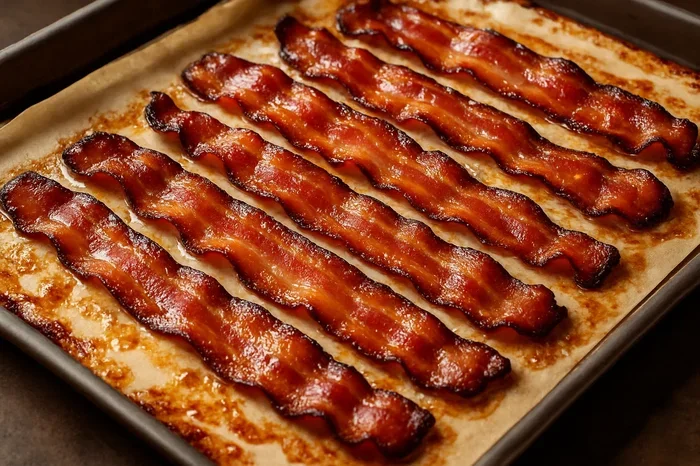
How To Make Chewy Bacon In The Oven For Perfect Results
Making chewy bacon in the oven is the easiest way to get perfectly cooked strips every single time. This simple oven-baked bacon method saves you from messy stovetop splatter and gives you even cooking with minimal effort. You will learn the exact bacon temperature, timing, and tricks to achieve tender, chewy results that elevate your breakfast game.
There is nothing quite like a plate of chewy bacon in the morning. The kind that bends slightly, has a satisfying pull, and melts in your mouth. If you have ever struggled with bacon that burns on the edges or cooks unevenly on the stove, you are not alone.
Making chewy bacon in the oven changes everything. It is simple, hands-off, and produces consistent results every time. You line a pan, lay down the strips, and let the oven do the work. No flipping. No splattering. No standing over a hot skillet worrying about grease popping at you.
This oven-baked bacon method has become a go-to for home cooks and weekend breakfast lovers alike. Whether you are feeding a crowd or just making breakfast for two, the bacon oven method delivers perfectly cooked strips with minimal cleanup. In this guide, you will find everything you need to know about how to make chewy bacon in the oven for perfect results every single time.
Key Takeaways
- Low and slow cooking at 375°F produces the best chewy bacon texture.
- Using a wire rack on a baking sheet ensures even cooking and crisp edges.
- Thick-cut bacon works best for chewy results compared to thin-cut.
- Line your pan with parchment paper for easy cleanup and even rendering.
- Cooking time of 18 to 22 minutes gives you perfectly chewy strips.
- Draining bacon grease properly keeps the meat from getting soggy.
- Resting the bacon briefly after baking locks in moisture and chewiness.
📑 Table of Contents
- Why Oven-Baked Bacon Is Better Than Stovetop
- What You Need to Make Chewy Bacon in the Oven
- Step-by-Step Guide: How To Make Chewy Bacon In The Oven
- The Best Bacon Types for Chewy Results
- Common Mistakes to Avoid
- Expert Tips for the Perfect Chewy Bacon
- Frequently Asked Questions About Making Chewy Bacon in the Oven
- Final Thoughts on Making Chewy Bacon in the Oven
Why Oven-Baked Bacon Is Better Than Stovetop
You might be wondering why so many people are switching to the oven-baked bacon approach. The answer is simple. It works better for most people, most of the time. Here is why this bacon recipe has become so popular.
Even Cooking Every Time
When you cook bacon on the stovetop, the heat hits the pan unevenly. Some strips get too crispy while others stay flabby. With oven-baked bacon, the heat surrounds every strip equally. This means even cooking from edge to edge. Every piece comes out the same way, which is exactly what you want.
Less Mess and Cleanup
Let us be honest. Stovetop bacon is messy. Grease splatters everywhere. You wipe down your stovetop, your backsplash, maybe even your shirt. The oven-baked bacon method keeps all that grease contained in the pan. You line the pan with parchment paper, cook the bacon, and toss the paper when you are done. Cleanup takes seconds.
Cook More Bacon at Once
Stovetop cooking means you are limited by pan size. Most pans only fit four or five strips at a time. A standard baking sheet fits a full dozen or more strips. This makes the oven method ideal for weekend brunches, holiday mornings, or when you are meal prepping. You can cook bacon in bulk without breaking a sweat.
What You Need to Make Chewy Bacon in the Oven
Before you start, gather your tools and ingredients. The good news is that you do not need anything fancy. This bacon recipe works with basic kitchen staples and a few simple tools.
Ingredients
- Thick-cut bacon strips — this is the best choice for chewy texture
- Parchment paper — for lining the baking sheet
- A wire cooling rack — optional but highly recommended
Tools You Will Need
- A large baking sheet or rimmed sheet pan
- A wire rack that fits inside the baking sheet
- Tongs for flipping and removing bacon
- Paper towels for draining
- A spatula for easy transfer
Thick-cut bacon is the secret weapon here. Thin-cut bacon tends to overcook quickly and turns brittle. Thick-cut strips hold more moisture during baking, which gives you that chewy texture you are after. If you can only find thin-cut, simply reduce your cooking time by two to three minutes and watch carefully.
Step-by-Step Guide: How To Make Chewy Bacon In The Oven
Now for the part you have been waiting for. Here is exactly how to make chewy bacon in the oven for perfect results. Follow these steps closely and you will never go back to the stovetop.
Step 1: Prep Your Baking Sheet
Line a baking sheet with parchment paper. This does two things. It prevents the bacon from sticking, and it makes cleanup a breeze. If you want even better results, place a wire rack on top of the parchment paper. The rack allows grease to drip away from the bacon while it cooks, giving you crisp edges with a tender center.
Step 2: Arrange the Bacon Strips
Lay out your bacon strips on the parchment paper or wire rack. Leave a small gap between each strip. You want air to circulate around every piece. Overcrowding the pan leads to uneven cooking and steamed bacon, which is the opposite of what you want.
Step 3: Preheat and Set the Temperature
Preheat your oven to 375°F. This is the sweet spot for chewy bacon in the oven. Some recipes call for higher temperatures, but 375°F gives you the best balance of rendered fat and tender meat. The bacon temperature matters more than most people realize, so do not skip preheating.
Step 4: Bake for 18 to 22 Minutes
Place the baking sheet on the middle oven rack. Set your timer for 18 minutes. At this point, check the bacon. Look for golden-brown color and rendered fat. If you prefer chewy bacon, pull it at 18 to 20 minutes. If you like it slightly crisp, go up to 22 minutes. Every oven runs a little differently, so keep an eye on it during the first few tries.
Step 5: Drain and Rest
Remove the baking sheet from the oven. Use tongs to transfer the strips to a plate lined with paper towels. Let the bacon rest for two to three minutes. This resting period allows the fat to settle and the texture to firm up just enough. The result is perfectly cooked bacon with a satisfying chew.
Step 6: Serve and Enjoy
Your oven-baked bacon is ready to eat. Serve it on toast, with eggs, in a sandwich, or straight off the pan. The aroma alone will make everyone in the house come running. This bacon recipe works beautifully for any meal of the day, not just breakfast.
The Best Bacon Types for Chewy Results
Not all bacon is created equal. The type of bacon you choose plays a big role in your final result. Here is a quick look at the options and what works best for chewy bacon in the oven.
| Bacon Type | Texture After Baking | Best For |
|---|---|---|
| Thick-cut bacon | Chewy and tender | Chewy bacon in the oven |
| Thin-cut bacon | Crispy and brittle | Snacks and garnishes |
| Applewood-smoked | Rich and flavorful | All-around best choice |
| Maple-cured | Sweet and chewy | Special breakfast treats |
| Turkey bacon | Lean and chewy | Lighter breakfast options |
Thick-cut bacon remains the top choice for chewy results. The extra meat content holds moisture during baking, preventing the bacon from drying out. Applewood-smoked bacon adds a wonderful depth of flavor that pairs perfectly with the tender texture. If you want to get creative, try maple-cured bacon for a slightly sweet twist on your morning plate.
Common Mistakes to Avoid
Even with a great bacon recipe, small mistakes can ruin your results. Here are the most common pitfalls people make when trying to make chewy bacon in the oven, and how to avoid them.
Using the Wrong Temperature
Too high a temperature burns the edges before the fat has time to render. Too low and the bacon dries out. Stick with 375°F for the best chewy bacon in the oven results. This temperature renders the fat slowly and evenly, which is exactly what creates that tender, chewy bite.
Overcrowding the Pan
It is tempting to fit as many strips as possible on the pan. Resist that urge. When bacon strips touch or overlap, they steam instead of bake. The result is soggy, unevenly cooked bacon. Give each strip room to breathe for even cooking and better texture.
Skipping the Parchment Paper
Some people skip parchment paper to save time. Do not do it. Parchment paper prevents sticking and absorbs excess grease. Without it, you risk tearing the bacon when you try to remove it from the pan. A few seconds of prep saves you minutes of frustration later.
Not Checking the Bacon in Time
Ovens vary. A minute or two can make the difference between chewy and burnt. Start checking at 18 minutes. Look at the color and texture. When the bacon looks golden brown and the fat has turned slightly opaque, it is done. Pulling it at the right moment is the key to perfectly cooked bacon.
Forgetting to Drain the Bacon
Fresh from the oven, bacon is hot and full of grease. If you leave it on the baking sheet, it will keep cooking and become too crispy. Transfer it to a paper towel-lined plate immediately. This stops the cooking process and keeps the chewy texture intact.
Expert Tips for the Perfect Chewy Bacon
Want to take your oven-baked bacon to the next level? These expert tips will help you get restaurant-quality results at home.
Soak the Bacon Before Baking
This is a lesser-known trick that works wonders. Soak your bacon strips in cold water for 30 minutes before baking. This removes some of the salt and helps the bacon render fat more evenly. The result is a more balanced flavor and a chewy texture that is not overly salty.
Use a Wire Rack for the Best Texture
A wire rack elevates the bacon above the grease. This allows the fat to drip away while the bacon cooks. The bacon gets crispy edges on the bottom while the top stays tender and chewy. If you do not have a wire rack, parchment paper alone works fine, but the rack gives you noticeably better results.
Save Your Bacon Grease
Do not pour the bacon grease down the drain. Strain it through a fine mesh sieve and store it in a jar in the fridge. Bacon grease is a flavor powerhouse. Use it to cook eggs, sauté vegetables, or fry potatoes. It adds a rich, smoky flavor that store-bought cooking oils simply cannot match.
Make Ahead and Reheat
Chewy bacon in the oven tastes great the next day too. Store cooked bacon in an airtight container in the fridge for up to five days. To reheat, place the strips on a baking sheet and warm them at 350°F for three to four minutes. This brings back the chewy texture without drying them out.
Add a Finishing Touch
For a special treat, sprinkle a tiny bit of brown sugar or cracked black pepper on the bacon before baking. The sugar caramelizes slightly and adds a subtle sweetness. Black pepper gives a gentle kick that pairs beautifully with the smoky flavor. These small additions turn simple oven-baked bacon into something memorable.
Frequently Asked Questions About Making Chewy Bacon in the Oven
Can I Use Thin-Cut Bacon for Chewy Results?
Yes, but thin-cut bacon requires closer attention. Reduce the cooking time to about 15 to 18 minutes at 375°F. Check the bacon early and often. Thin-cut strips cook faster and can go from chewy to burnt quickly. If you want foolproof chewy results, thick-cut bacon is the safer choice.
How Do I Know When My Bacon Is Done?
Look for golden-brown color and rendered fat that looks slightly opaque. The bacon should bend slightly when you lift it with tongs but should not be brittle or crumbly. A good rule of thumb is 18 to 22 minutes at 375°F, but always check a few minutes early the first time you try a new batch.
Can I Make Chewy Bacon in the Oven Without a Wire Rack?
Absolutely. You can bake chewy bacon in the oven directly on parchment paper. The wire rack simply helps grease drain away better and promotes even cooking. Without a rack, your bacon will still turn out great, but you may notice slightly less crispness on the bottom compared to the top.
What Is the Best Way to Store Leftover Bacon?
Let the bacon cool completely, then store it in an airtight container in the refrigerator. It keeps well for up to five days. For longer storage, you can freeze cooked bacon for up to three months. Reheat gently in the oven at 350°F to restore the chewy texture without overcooking it.
Why Does My Bacon Turn Out Crispy Instead of Chewy?
This usually happens for one of three reasons. The oven temperature is too high, the bacon cooks too long, or you are using thin-cut bacon. To fix this, lower the temperature to 375°F, reduce the cooking time, and switch to thick-cut bacon. Small adjustments make a big difference in the final texture.
Can I Cook Bacon on Foil Instead of Parchment Paper?
You can, but parchment paper works better. Foil can cause the bacon to stick, especially in areas where the grease pools. Parchment paper provides a non-stick surface naturally and makes cleanup much easier. It also helps absorb excess grease, which contributes to a better chewy texture.
Final Thoughts on Making Chewy Bacon in the Oven
How to make chewy bacon in the oven is one of the simplest cooking skills you can learn. Once you try the oven-baked bacon method, you will wonder why you ever bothered with the stovetop. The process is easy, the results are consistent, and the cleanup is minimal.
Remember the key points. Use thick-cut bacon, keep the bacon temperature at 375°F, bake for 18 to 22 minutes, and let the strips rest on paper towels. These small details make all the difference between mediocre bacon and perfectly cooked bacon that has a beautiful chew and rich flavor.
This bacon recipe works for any occasion. Weekday breakfasts, weekend brunches, holiday meals, or just a snack. Once you master the chewy bacon in the oven technique, you will make it again and again. The aroma alone will become a favorite part of your morning routine.
So go ahead. Preheat your oven. Line that pan. Lay out the bacon. In less than half an hour, you will have a plate of chewy bacon in the oven that rivals any breakfast restaurant. Your taste buds will thank you, and your kitchen will stay clean. That is a win-win in anyone’s book.