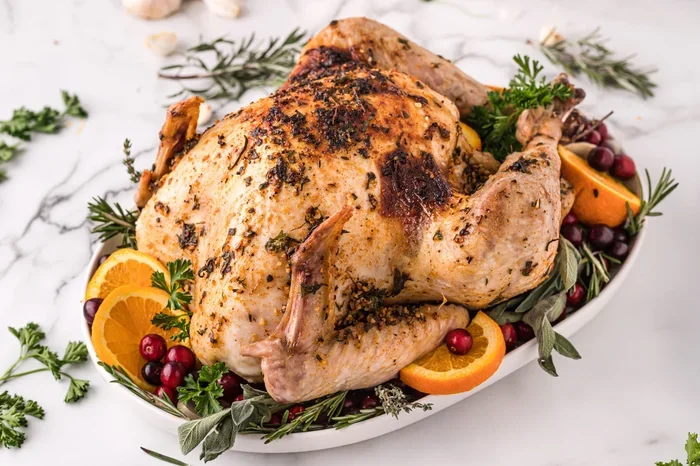
How Long To Oven Roast Turkey For A Juicy Thanksgiving
How long to oven roast turkey depends on the size of your bird, but most whole turkeys need about 13 minutes per pound at 325°F. This guide covers everything from prep to carving, so you can serve a juicy Thanksgiving turkey that wows your guests. We break down timing, temperature, seasoning, and common mistakes to help you roast turkey like a pro.
Thanksgiving is all about the turkey. The center of every holiday table, the bird that brings everyone together, and the dish that can make or break the entire meal. But here is the thing. A lot of home cooks stress out about how long to oven roast turkey. They worry about dry meat, uneven cooking, or serving a bird that falls apart before everyone is seated.
The good news is that roasting a turkey in the oven is not as hard as it seems. Once you understand the basics of timing, temperature, and preparation, you will feel confident in the kitchen. This guide walks you through every step of the process. From choosing the right bird to pulling it out of the oven perfectly done. You will learn exactly how long to oven roast turkey for a juicy Thanksgiving dinner that your whole family will love.
We have tested dozens of recipes, talked to professional chefs, and refined our methods over years of holiday cooking. The tips and techniques in this article are tried and true. Whether you are a first time turkey roaster or a seasoned pro looking for a refresher, you will find practical advice you can use right away. Let us get started.
Key Takeaways
- Plan for 13 minutes per pound: A standard 12-pound turkey roasts in about 2.5 to 3 hours at 325°F.
- Always use a meat thermometer: The internal temperature must reach 165°F in the thickest part of the thigh and breast.
- Brine or dry brine for juiciness: Seasoning the turkey ahead of time keeps the meat moist during roasting.
- Let the turkey rest for 30 to 45 minutes: Resting allows the juices to redistribute for a moister result.
- Avoid overcooking the breast: Tent the breast with foil if it browns too fast.
- Use a roasting pan with a rack: This promotes even heat circulation around the turkey.
- Stuffing adds cooking time: If you stuff the turkey, add 30 to 45 minutes to the total roast time.
📑 Table of Contents
- How Long To Oven Roast Turkey: The Basics
- Choosing The Right Turkey For Your Oven
- Essential Turkey Prep And Seasoning Tips
- Step By Step Turkey Roasting Instructions
- Turkey Temperature Guide And Timing Charts
- Expert Tips For The Juiciest Thanksgiving Turkey
- How Long To Oven Roast Turkey: Quick Reference Chart
- Conclusion
How Long To Oven Roast Turkey: The Basics
The most common question we get is, “How long does it take to roast a turkey?” The answer depends on a few key factors. The weight of the bird is the biggest one. But the oven temperature, whether the turkey is stuffed, and even the shape of the roasting pan all play a role.
As a general rule, you should plan for about 13 minutes of roasting time per pound of turkey at 325°F. This is the standard temperature recommended by most food safety experts and professional chefs. Here is a quick breakdown to help you plan.
Turkey Roasting Time By Weight
- 8 to 10 pounds: About 2.5 to 3 hours
- 12 to 14 pounds: About 3 to 3.5 hours
- 16 to 18 pounds: About 3.5 to 4 hours
- 20 to 22 pounds: About 4 to 4.5 hours
- 24 pounds and up: About 4.5 to 5.5 hours
These times are for an unstuffed turkey roasted at 325°F. If you stuff your turkey, add about 30 to 45 minutes to the total cook time. A stuffed turkey takes longer because the heat has to penetrate through the filling to reach a safe internal temperature.
Also keep in mind that dark meat, like the thighs, takes slightly longer to cook than white meat, like the breast. This is because dark meat has more connective tissue and a higher fat content. That is why it is so important to check the temperature in both the breast and the thigh.
Choosing The Right Turkey For Your Oven
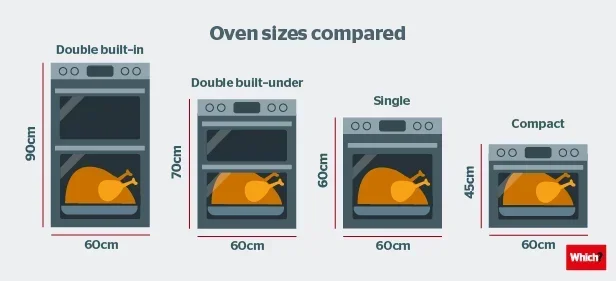
Before you even think about timing, you need to pick the right turkey. Not all turkeys are the same, and choosing the wrong size or type can affect your roasting time and the final result.
Fresh vs Frozen Turkey
Fresh turkeys are convenient and often have a slightly better texture. But they cost more and need to be purchased close to the holiday. Frozen turkeys are more affordable and widely available. The key is to plan ahead. A frozen turkey needs to thaw in the refrigerator for about 24 hours for every 4 to 5 pounds of weight. So a 12-pound frozen turkey will take roughly 3 days to thaw properly.
Never thaw a turkey at room temperature. Bacteria can grow rapidly on the outer layers while the inside is still frozen. Always thaw in the refrigerator, in cold water, or using your microwave if the packaging allows it.
Bronzed Turkey vs Regular Turkey
Bronzed turkeys are pre treated with a butter and spice rub that gives them a golden color and richer flavor. They are a great choice if you want extra flavor without a lot of extra work. Regular fresh or frozen turkeys work just as well, but you will need to season them yourself. Either way, the roasting time is based on weight, not the type of bird.
Heritage and Organic Turkeys
Heritage turkeys are smaller, more flavorful, and often have a denser texture than commercial turkeys. Because they are smaller and more compact, they may roast a bit faster per pound. Keep a close eye on the temperature and adjust your timing accordingly. Organic turkeys also tend to cook slightly differently due to their different fat distribution.
Essential Turkey Prep And Seasoning Tips
Proper preparation is the secret to a great roasted turkey. Take the time to prep your bird correctly, and the oven will do most of the work for you.
Brining Your Turkey For Juiciness
Brining is one of the best things you can do to ensure a moist turkey. A brine is a salt water solution that the turkey soaks in for 12 to 24 hours before roasting. The salt helps the meat retain moisture during cooking, which results in a juicier bird.
To make a basic brine, dissolve 1 cup of kosher salt in 1 gallon of cold water. You can also add sugar, bay leaves, peppercorns, and herbs like thyme and rosemary for extra flavor. Submerge the turkey in the brine and refrigerate until it is time to roast.
If you do not have time to brine, try a dry brine instead. Simply rub the turkey with kosher salt and let it sit uncovered in the refrigerator overnight. The salt draws out moisture and then reabsorbs it, seasoning the meat deeply and improving the texture.
Seasoning The Turkey Inside And Out
Seasoning is where you can get creative. A classic blend of butter, garlic, rosemary, thyme, and sage rubbed under the skin of the breast and all over the outside creates incredible flavor. Make sure to loosen the skin gently with your fingers and rub the butter mixture directly against the breast meat.
Some cooks also place aromatic vegetables like onions, carrots, and celery in the bottom of the roasting pan. These add flavor to the drippings and create a great base for gravy. Just make sure they do not block the airflow around the turkey.
Bringing The Turkey To Room Temperature
This is a step many people skip, but it matters. Take the turkey out of the refrigerator about 1 hour before roasting. Letting it sit at room temperature helps it cook more evenly. A cold turkey going into a hot oven will cook unevenly, with the outside overcooking before the inside reaches the right temperature.
Step By Step Turkey Roasting Instructions
Now that your turkey is prepped and seasoned, it is time to put it in the oven. Follow these steps for the best results every time.
Step 1: Preheat The Oven
Preheat your oven to 325°F. Use the conventional bake setting, not the convection setting if you can avoid it. Convection fans can dry out the turkey by blowing hot air directly on the surface. If you must use convection, reduce the temperature by 25°F and check the turkey earlier than expected.
Step 2: Position The Turkey In The Roasting Pan
Place the turkey breast side up on a roasting rack inside a large roasting pan. The rack lifts the turkey off the bottom of the pan, allowing hot air to circulate underneath. This promotes even cooking and prevents the bottom from getting soggy.
Step 3: Calculate Your Roasting Time
Use the 13 minutes per pound rule as your starting point. For a 12-pound turkey, that is about 2.5 to 3 hours. Set a timer and check the temperature frequently after the first 2 hours.
Step 4: Baste The Turkey Every 45 Minutes
Basting keeps the turkey moist and helps develop a beautiful golden brown skin. Use a basting bulb or spoon to scoop up the pan juices and pour them over the turkey every 45 minutes or so. This simple step makes a big difference in the final texture and flavor.
Step 5: Check The Internal Temperature
This is the most important step. Use an instant read meat thermometer to check the temperature. Insert it into the thickest part of the thigh, making sure it does not touch the bone. The temperature should read 165°F. Also check the thickest part of the breast. Both areas need to reach 165°F for the turkey to be safe to eat.
Step 6: Let The Turkey Rest
Once the turkey reaches 165°F, take it out of the oven and tent it loosely with aluminum foil. Let it rest for at least 30 to 45 minutes. This resting period allows the juices to redistribute throughout the meat. If you carve too soon, the juices will run out and the meat will be dry.
Turkey Temperature Guide And Timing Charts
Understanding temperature is the key to perfecting your how long to oven roast turkey timing. A thermometer is not optional. It is essential. Here is a detailed guide to help you track the process.
Safe Internal Temperatures
- Turkey breast: 165°F
- Turkey thigh: 165°F to 175°F
- Turkey wing: 165°F
- Stuffing (if inside the bird): 165°F
The thigh can go slightly above 165°F without drying out because dark meat is more forgiving. The breast, however, dries out quickly once it passes 165°F. This is why many chefs recommend pulling the turkey out of the oven when the breast reaches 160°F and letting carryover cooking bring it up to 165°F during the resting period.
Carryover Cooking Explained
Carryover cooking happens because the turkey retains heat after it comes out of the oven. The internal temperature can rise 5 to 10 degrees Fahrenheit during resting. This is why experienced cooks pull the turkey out a few degrees early. It is a small trick that prevents overcooking and keeps the breast meat juicy.
Using A Meat Thermometer Correctly
Insert the thermometer into the thickest part of the meat without touching bone, fat, or gristle. Check multiple spots, especially in the breast and both thighs. The temperature should be consistent across all areas. If one spot reads below 165°F, keep roasting and check again in 15 minutes.
Expert Tips For The Juiciest Thanksgiving Turkey
Now that you know the timing and temperature basics, let us share some expert tips that will take your turkey to the next level.
Butter Basting For Rich Flavor
Melted butter basted over the turkey during roasting adds richness and helps the skin crisp up beautifully. Mix softened butter with a little garlic, herbs, and lemon zest, and brush it on the turkey every time you baste. This is a restaurant quality technique you can easily do at home.
Protecting The Breast From Overcooking
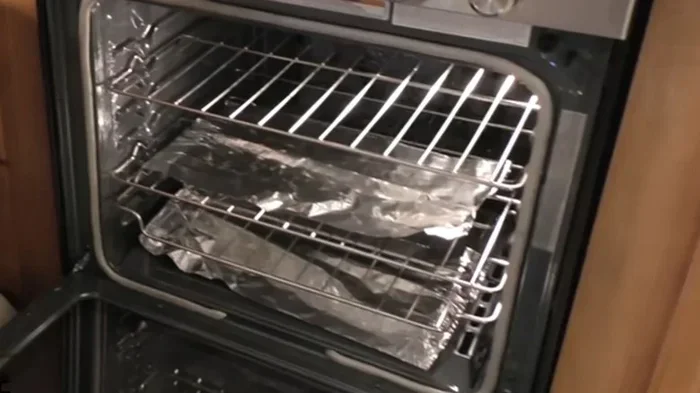
The breast tends to cook faster than the thighs because it is leaner. If you notice the breast browning too quickly, tent it loosely with a piece of aluminum foil. This slows down the cooking and prevents the breast from drying out before the thighs are done.
Using A V Shaped Roasting Rack
A V shaped roasting rack cradles the turkey and keeps it stable in the pan. It also elevates the bird higher, which allows more hot air to flow around it. This leads to more even cooking and crispier skin on all sides.
Roasting Vegetables Alongside The Turkey
Toss potatoes, carrots, onions, and celery with olive oil and herbs, and spread them around the turkey in the roasting pan. The vegetables absorb the turkey drippings and become incredibly flavorful. Just make sure the vegetables do not crowd the pan, as good airflow is important for even roasting.
Common Mistakes To Avoid
Here are a few mistakes that can ruin your turkey. Avoid these and you will be on your way to a perfect bird.
- Not thawing the turkey properly: A frozen or partially frozen turkey will cook unevenly and take much longer than expected.
- Skipping the thermometer: Relying on time alone is not enough. Always use a meat thermometer.
- Overcooking the bird: Every extra 10 minutes in the oven dries out the meat. Pull the turkey out as soon as it reaches temperature.
- Not letting the turkey rest: Cutting into the turkey immediately after roasting releases all the juices and leaves the meat dry.
- Over seasoning the outside: Too much salt on the skin can make it taste harsh. Season generously but not excessively.
How Long To Oven Roast Turkey: Quick Reference Chart
Here is a handy reference chart you can print out or save to your phone for Thanksgiving day.
- 8 pound turkey: 1.5 to 2 hours
- 10 pound turkey: 2 to 2.5 hours
- 12 pound turkey: 2.5 to 3 hours
- 14 pound turkey: 3 to 3.5 hours
- 16 pound turkey: 3.5 to 4 hours
- 18 pound turkey: 4 to 4.5 hours
- 20 pound turkey: 4.5 to 5 hours
- 22 pound turkey: 5 to 5.5 hours
Remember to add 30 to 45 minutes if the turkey is stuffed. And always let the turkey rest for at least 30 minutes after it comes out of the oven. These small pauses make a huge difference in the final result.
Conclusion
Roasting a turkey in the oven for Thanksgiving does not have to be stressful. Once you understand how long to oven roast turkey and follow a few simple guidelines, you can serve a beautiful, juicy bird that everyone will rave about. The key is to plan ahead, use a meat thermometer, and resist the urge to overcook the turkey. Let the bird rest properly after roasting, carve it with confidence, and enjoy the compliments from your family and guests.
Whether this is your first time roasting a turkey or your fiftieth, the principles remain the same. Choose the right bird, season it well, roast it at 325°F, and check the temperature often. With the tips and timing charts in this guide, you have everything you need to make this Thanksgiving the best one yet. Happy roasting.
Frequently Asked Questions
How long does it take to roast a 12 pound turkey?
A 12 pound turkey takes about 2.5 to 3 hours to roast at 325°F. This timing is for an unstuffed bird. If you stuff the turkey, add about 30 to 45 minutes. Always use a meat thermometer to confirm the internal temperature reaches 165°F in both the breast and the thigh.
What is the best oven temperature for roasting a turkey?
The recommended oven temperature for roasting a turkey is 325°F. This low and steady heat allows the turkey to cook evenly without drying out. Some cooks start at a higher temperature for the first 30 minutes to crisp the skin, then reduce to 325°F for the rest of the roast. Avoid using convection heat as it can dry out the bird.
Should I cover my turkey with foil while roasting?
Most of the time, you do not need to cover the turkey with foil. Leaving it uncovered allows the skin to crisp up and brown beautifully. However, if you notice the breast browning too quickly, you can tent it loosely with foil for the last hour of roasting. This protects the breast meat from drying out while the thighs finish cooking.
How do I know when my turkey is done?
The only reliable way to know if your turkey is done is by using a meat thermometer. Insert it into the thickest part of the thigh and the thickest part of the breast. Both should read 165°F. Do not rely on the pop up timer that comes with some turkeys, as these can be inaccurate.
Can I roast a frozen turkey in the oven?
Yes, but it takes significantly longer. A frozen turkey can take up to 50% more time to cook than a thawed one. The USDA says it is safe to cook a turkey from frozen, but you must make sure the internal temperature reaches 165°F throughout. It is always better to thaw the turkey first for more even cooking and better results.
How long should I let my turkey rest before carving?
Let the turkey rest for at least 30 to 45 minutes after taking it out of the oven. Tent it loosely with aluminum foil to keep it warm. Resting allows the juices to settle back into the meat, which makes the turkey juicier and easier to carve. Skipping this step is one of the most common mistakes home cooks make.