How Long To Cook Bacon Wrapped Filet In Oven Perfectly
How Long To Cook Bacon Wrapped Filet In Oven perfectly requires the right temperature and timing. This guide gives you the exact cooking time and oven temperature for a juicy steak. You will learn how to wrap the beef tenderloin with pork bacon for maximum flavor. Follow these simple cooking instructions to impress your guests.
There is nothing quite like a bacon wrapped filet on the dinner table. It combines the richness of a tender beef tenderloin with the salty crunch of crispy bacon. Many home cooks worry about getting the cooking time just right. They wonder if the meat will be dry or if the bacon will burn. If you have ever wondered how long to cook this savory dish, you are in the right place.
This guide will walk you through every step of the process. We will cover the exact oven temperature, the best cooking instructions, and how to achieve the perfect level of doneness. Whether you are a beginner or a seasoned home chef, you will find valuable tips here. You will learn how to select the perfect center cut and the right type of pork bacon. By the end, you will be ready to make a restaurant-quality roast beef in your own kitchen. Let us dive into the world of oven-baked perfection.
Key Takeaways
- Perfect Temperature: Roast at 400°F for crispy bacon wrapping and a juicy steak.
- Exact Timing: Cook for 20 to 30 minutes depending on your preferred doneness.
- Use a Thermometer: An instant-read meat thermometer is essential for the perfect center cut.
- Rest the Meat: Always let your roast beef rest for 5 to 10 minutes before slicing.
- Choose the Right Bacon: Thick-cut pork bacon works best for oven-baked bacon wrapped filet.
📑 Table of Contents
Understanding Your Bacon Wrapped Filet
Before you turn on the oven, you need to understand what you are working with. The cut of beef and the type of bacon make a huge difference in the final result. A center cut filet mignon is the most popular choice for this recipe. It is lean, tender, and cooks evenly. However, you can use any beef tenderloin roast you find at your local butcher shop. The key is to start with a high-quality piece of meat. This is the foundation of a great savory dish.
The flavor infusion happens when the fatty pork bacon meets the lean beef. As the oven heats up, the fat from the pork belly renders out. This basted the tenderloin from the inside out. The result is a meal that is incredibly juicy and full of flavor. You want every bite to have that perfect balance of beef and pork. This is why choosing the right ingredients matters so much. A cheap cut of beef or thin bacon will result in a less satisfying dinner idea.
Choosing the Right Cut of Beef
The center cut of the tenderloin is ideal because it is uniform in size. This ensures that the cooking time is consistent throughout the meat. If you use a tapered end, the thinner part might overcook before the thick part is done. Look for a piece that is at least two inches thick. This thickness allows the bacon wrapping to crisp up without burning before the beef is cooked.
When shopping for your beef tenderloin, look for a bright red color. Avoid any meat that looks brown or gray. The fat should be white and firm, not yellow or soft. A good center cut will have a consistent diameter from one end to the other. This makes it much easier to predict the cooking time and achieve a perfect pink center every single time. Ask your butcher to trim the silverskin off the meat. This will make the bacon wrapping easier and help the flavor infusion penetrate deeper into the beef.
Picking the Best Bacon
Not all bacon is created equal for this recipe. You want a fatty bacon that will render out and crisp up. Thick-cut pork bacon is the best option. It stays on the beef better during the roasting process. Thin bacon will shrink too much and might burn in the hot oven. Avoid pre-cooked bacon for this easy recipe, as it will not crisp up the same way.
You can choose between slab bacon and streaky bacon. Slab bacon gives you more control over the thickness. You can cut it into strips that fit your beef perfectly. Streaky bacon has more fat marbling, which creates incredible crispy bits. Whatever you choose, make sure the pork bacon is fresh and has not been sitting in your fridge for too long. Fresh bacon will adhere better to the beef and create a tighter bacon wrapping. The fat content is what gives you that satisfying crunch and rich taste.
The Ultimate Oven Temperature Guide
Getting the oven temperature right is the key to a successful roast beef. Too hot, and the bacon will burn before the beef is done. Too low, and the bacon will not crisp up. The sweet spot for this dish is 400 degrees Fahrenheit. This high heat creates a beautiful sear on the outside while keeping the inside moist.
Why Temperature Matters
When you cook a savory dish at the right oven temperature, the fats render properly. The flavor infusion from the pork bacon soaks into the beef as it cooks. If you set the oven too low, the bacon will just shrivel up and get chewy. You want it to be crispy and golden brown. A meat thermometer helps you track the internal heat of the beef.
High heat also triggers the Maillard reaction. This is the chemical reaction that gives roasted meats their deep, brown color and rich aroma. Without enough heat, you just end up with pale, steamed meat and limp bacon. By keeping your oven at 400 degrees, you ensure that the bacon wrapped filet gets that gorgeous, appetizing look and taste. The sizzle you hear when the meat goes in is a good sign that the heat is high enough.
Low and Slow vs. High Heat
Some recipes call for low and slow roasting. However, for bacon wrapped filet, high heat is better. High heat cooks the beef quickly and gives the bacon a satisfying crunch. If you try to cook it low and slow, the bacon will dry out and become tough. Stick to the 400-degree method for the best flavor infusion and texture.
Low and slow methods work well for larger roasts with more fat. But a tenderloin is naturally lean. It does not need hours of slow cooking. In fact, cooking it too slowly can cause the meat to lose its moisture. The high heat of the oven seals the outside quickly, locking in those precious juices. This method is the secret to a truly juicy steak. You want to cook it fast enough to keep the moisture in, but slow enough to let the bacon crisp.
How Long To Cook Bacon Wrapped Filet In Oven
The exact cooking time depends on the size of your beef tenderloin and how you like your steak cooked. As a general rule, a two-pound tenderloin will take about 25 to 30 minutes in a 400-degree oven. This is the magic number for a bacon wrapped filet that is perfectly pink in the middle.
Keep in mind that these times are estimates. Every oven is different. Some ovens run hot, while others run cold. The age and model of your oven can affect the cooking time. This is why relying on a visual cue is not enough. You must use an instant-read meat thermometer to be absolutely sure. It is the only tool that gives you a precise reading of the internal temperature. Do not guess, or you might end up with an overcooked or undercooked piece of meat.
Timing for Rare, Medium, and Well-Done
Your preferred level of doneness will change the cooking time slightly. For a rare juicy steak, aim for 20 to 22 minutes. For medium-rare, which is the most popular choice, cook it for 25 to 28 minutes. If you prefer a center cut that is well-done, you will need to push the time to 30 to 35 minutes. Always remember that the meat continues to cook as it rests. This is called carryover cooking, and it can raise the internal temperature by 5 to 10 degrees.
If you are new to cooking beef tenderloin, aim for medium-rare. It is the safest bet for a tender and flavorful result. Well-done beef tenderloin can sometimes become tough and dry, even with the protection of the bacon wrapping. The fat from the bacon helps, but it cannot save overcooked lean meat. Pull your roast beef off the oven rack a few degrees early to account for carryover cooking. This simple adjustment makes a huge difference in the final texture.
Using a Meat Thermometer
A meat thermometer is the only way to know for sure if your roast beef is done. Insert the probe into the thickest part of the tenderloin, away from the bone or fat. For rare, pull the beef at 120 degrees Fahrenheit. For medium-rare, pull it at 130 degrees Fahrenheit. For medium, pull it at 140 degrees Fahrenheit. Remember that the temperature will rise by about 5 degrees as the rest meat sits.
Do not leave the thermometer in the meat while it is in the oven. The heat can damage the probe. Instead, insert it quickly right before you think the meat is done. Take the temperature in multiple spots to ensure even cooking. If one side is hotter than the other, you can rotate the tray halfway through the cooking time. This simple trick ensures a perfectly even flavor infusion throughout the entire piece of beef. It takes just a few seconds but saves you from cutting into a disappointing steak.
| Doneness | Pull Temperature | Final Temp After Rest | Approximate Time at 400F |
|---|---|---|---|
| Rare | 120°F | 125°F | 20-22 minutes |
| Medium-Rare | 130°F | 135°F | 25-28 minutes |
| Medium | 140°F | 145°F | 30-35 minutes |
| Well-Done | 150°F | 155°F | 35-40 minutes |
Step-by-Step Cooking Instructions
Now that you know the oven temperature and cooking time, it is time to put on your apron. Follow these cooking instructions to make the perfect dinner idea for your family. This process is simple and straightforward, but it requires attention to detail.
Preparing the Filet
Start by patting your beef tenderloin dry with paper towels. Moisture is the enemy of a good sear. If the meat is wet, it will steam instead of roast. Season the center cut generously with salt and black pepper. You can also add garlic powder or fresh herbs like rosemary if you like. Let the seasoned beef sit at room temperature for about 30 minutes. This helps it cook more evenly in the oven.
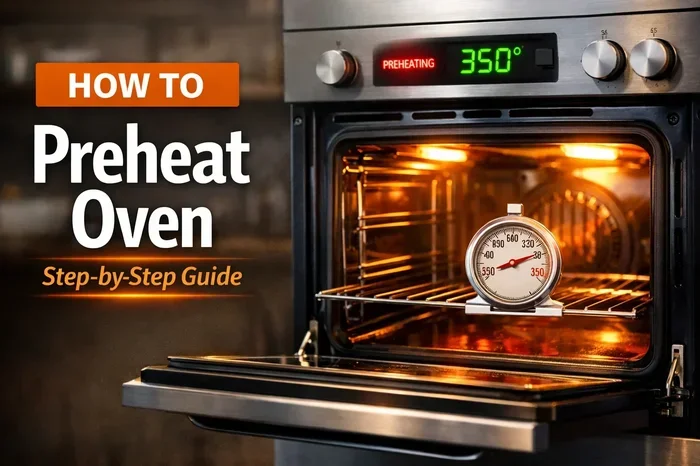
While the beef is resting at room temperature, preheat your oven to 400 degrees Fahrenheit. A hot oven is essential for crispy crispy bacon. If you put cold meat into a cold oven, the cooking time will be longer and the bacon will not crisp up properly. Make sure your oven is fully preheated before the beef goes in. You can also place a rack over the baking sheet to allow air to flow underneath the meat.
Wrapping and Seasoning
Take your thick-cut pork bacon and lay it out flat on a clean surface. Place the seasoned beef tenderloin in the center of the bacon strips. Wrap the bacon tightly around the beef. You can use toothpicks to secure the bacon wrapping if needed. Make sure there are no gaps, as this helps the flavor infusion stay locked in during the roasting process.
Some people like to sear the beef first before wrapping it in bacon. This adds an extra layer of flavor and texture. If you choose to sear, do it on the stovetop for about one minute per side. Then transfer the seared tenderloin to the oven. This step is optional, but it does elevate the savory dish to the next level. Just make sure the bacon wrapping is tight so it does not unravel during searing. Use kitchen twine if the toothpicks keep slipping out.
The Baking Process
Preheat your oven to 400 degrees Fahrenheit. Place the wrapped tenderloin on a wire rack set inside a baking sheet. The wire rack allows hot air to circulate around the beef, which helps the crispy bacon cook evenly. Put the tray in the oven and set your timer. Avoid opening the oven door too often, as this lets the heat escape.
After the cooking time is up, check the internal temperature with your meat thermometer. If it is not quite at your target temperature, put it back in for a few more minutes. Do not overcook it. Once it reaches the right temperature, remove the tray from the oven. Let the rest meat sit on the counter for 5 to 10 minutes. This allows the juices to settle and the bacon wrapping to firm up. While it rests, you can prepare your side dishes.
Expert Tips and Common Mistakes
Even with the best cooking instructions, small mistakes can ruin a great dish. Here are some expert tips to ensure your bacon wrapped filet comes out flawless every time. These tips are based on years of experience and will help you avoid common pitfalls.
Quick Tips for Juiciness
Always let your beef come to room temperature before it goes in the oven. This reduces the cooking time and prevents the outside from burning before the inside is done. Do not skip the resting period after cooking. When you rest meat, the juices redistribute throughout the steak. If you cut into it immediately, all the flavorful juices will run out onto the cutting board.
Another quick tip is to brush the bacon with a little bit of brown sugar. This creates a beautiful glaze and adds a touch of sweetness to the savory dish. The sugar caramelizes in the hot oven, giving you a stunning presentation. Just a light coating is enough. Too much sugar can burn quickly and turn bitter. You can also add a dash of smoked paprika for an extra kick of flavor.
Common Mistakes to Avoid
The biggest mistake people make is using thin bacon. It will not hold up to the high heat and will burn quickly. Another common error is not securing the bacon properly. If the bacon unravels in the oven, it will cook unevenly. You will end up with some crispy bits and some raw spots. Finally, do not rely solely on the oven timer. Ovens vary, and the size of your roast beef affects the time. Always trust your meat thermometer over the clock.
Do not forget to remove the toothpicks before serving. They are a choking hazard and can be very sharp. Pull them out carefully when the meat is resting. If you want to make a pan sauce, pour off the excess fat from the baking sheet, leaving just a tablespoon or two. Add some beef broth and a splash of red wine to the hot pan. Scrape up the browned bits. This creates a delicious sauce that pairs perfectly with your oven-baked tenderloin. A simple red wine reduction takes just five minutes and adds a restaurant-quality finish to your meal.
Serving and Reheating Your Steak
Once your bacon wrapped filet is out of the oven, it is time to rest it. Tent it loosely with aluminum foil and let it sit for 5 to 10 minutes. This step is crucial for a juicy steak. While the steak rests, you can make a simple pan sauce or just let the natural juices do the work.
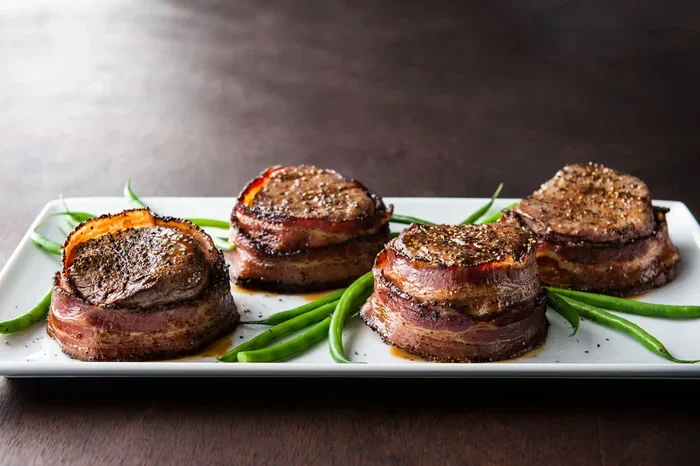
When you are ready to serve, remove the toothpicks. Slice the tenderloin against the grain. The crispy bacon should have a beautiful golden brown color. The beef will be tender and full of savory dish flavor. This easy recipe is perfect for a special dinner idea or a weekend treat. Your family and friends will be impressed by this oven-baked masterpiece. Pair it with roasted vegetables like asparagus or carrots. A creamy mashed potato or a crisp green salad also makes a wonderful side. Enjoy your perfectly cooked meal!
Now you know exactly how long to cook bacon wrapped filet in oven for perfect results every time. Remember to keep your oven at 400 degrees and use a meat thermometer to check the internal temperature. Choosing the right cut of beef and the best thick-cut bacon will make all the difference. Follow the cooking instructions in this guide, and you will have a restaurant-quality roast beef on your table. Do not be afraid to experiment with different bacon wrapping techniques and seasonings. The most important thing is to have fun and enjoy the process. Your kitchen will smell amazing, and your family will love this delicious savory dish. Happy cooking!
Frequently Asked Questions
What is the best temperature to cook bacon wrapped filet in the oven?
The best oven temperature for this dish is 400 degrees Fahrenheit. This high heat ensures that the bacon wrapping becomes crispy while the beef tenderloin cooks evenly. A hotter oven also helps render the fat from the pork bacon quickly, giving you that perfect golden brown finish.
How long does it take to cook a 2-pound bacon wrapped filet?
For a 2-pound tenderloin, the cooking time is typically between 25 and 30 minutes at 400 degrees Fahrenheit. However, the exact cooking time will depend on your desired level of doneness. Always use an instant-read meat thermometer to check the internal temperature for the best results.
Should I sear the beef before wrapping it in bacon?
Searing is optional, but it adds a wonderful layer of flavor. If you choose to sear, do it on the stovetop for about one minute per side. This creates a flavor infusion right at the start. Just make sure the bacon wrapping is tight so it stays in place during the oven roasting process.
Can I use thin bacon for this recipe?
It is best to avoid thin bacon. Thin bacon will shrink too much and likely burn in the hot oven before the beef is done. Thick-cut pork bacon is the ideal choice because it holds up better to the high heat and stays on the meat securely.
How do I know when the bacon wrapped filet is done?
The only reliable way to know is by using a meat thermometer. Pull the beef when it reaches 120 degrees Fahrenheit for rare, 130 for medium-rare, and 140 for medium. Remember that the temperature will continue to rise a few degrees as the meat rests after cooking.
Can I make this dish ahead of time?
Yes, you can prepare the bacon wrapped filet ahead of time. Wrap it tightly in plastic wrap and refrigerate it overnight. When you are ready to cook, let it sit at room temperature for 30 minutes before putting it in the oven. This ensures even cooking time and better results.