How To Use Oven To Reheat Food Perfectly Every Time
Discover how to use oven to reheat food perfectly every time with our complete guide. You will learn the best temperatures, timing, and tricks for keeping leftovers crispy, moist, and full of flavor. From pizza to chicken, this oven reheating guide covers everything you need to know.
There is nothing quite like the disappointment of biting into a cold, soggy leftover. You worked hard to cook a great meal, and now you want to enjoy it again. But the microwave just ruins everything. It turns crispy pizza into a rubbery mess and makes fries limp and sad. That is why how to use oven to reheat food is a skill everyone should master. The oven brings back the crunch, the warmth, and the flavor you loved the first time around.
Whether you are reheating last night’s dinner or meal-prepping for the week, this guide will show you exactly how to do it right. You will learn the best temperatures, the right timing, and simple tricks that make a huge difference. By the end, you will never look at the microwave the same way again. Let us dive in and turn your leftovers into a delicious second meal.
Key Takeaways
- Oven reheating restores crispy textures that microwaves simply cannot match, making leftovers taste almost as good as fresh.
- The ideal temperature range is 250°F to 375°F depending on the food type, ensuring even heating without burning.
- Covering food with foil traps moisture and prevents drying out, especially for meats and casseroles.
- Using a pizza stone or baking sheet helps distribute heat evenly and boosts crispiness on the bottom.
- Always let food rest after reheating to allow heat to distribute evenly throughout.
- Food safety matters — always reheat leftovers to an internal temperature of 165°F to avoid foodborne illness.
- Avoid reheating certain foods in the oven like fried items and foods with high moisture content that can get soggy.
📑 Table of Contents
- Why Oven Reheating Beats the Microwave
- Setting the Right Temperature for Oven Reheating
- How to Reheat Different Foods in the Oven
- Tips for Crispy, Delicious Reheated Food
- Common Mistakes to Avoid When Reheating in the Oven
- Food Safety When Reheating Leftovers in the Oven
- Expert Insights on Oven Reheating
- Final Thoughts
Why Oven Reheating Beats the Microwave
Most people reach for the microwave because it is fast and convenient. And honestly, sometimes speed matters. But when it comes to taste and texture, the oven wins every single time. Here is why you should consider switching to oven reheating for your leftovers.
The Microwave Dries Out Food
Microwaves heat food by exciting water molecules inside your meal. This creates steam from the inside out. The problem is that steam escapes quickly, leaving your food dry and tough. Meats become rubbery. Bread becomes hard. Fries turn into chewy sticks. The microwave just does not give you that satisfying crispness.
The Oven Gives You Even, Gentle Heat
An oven surrounds your food with warm air on all sides. This gentle, consistent heat warms everything evenly. It also allows the surface of your food to dry out slightly, which creates that beautiful crispy texture. Think about it — the difference between a microwaved slice of pizza and an oven-reheated one is night and day.
The Oven Preserves Original Flavors
When you reheat food properly in the oven, the flavors stay intact. Herbs and spices do not get muted. The natural juices in meats stay locked in. Your leftovers taste closer to the original meal, and that makes a world of difference at dinner time.
Setting the Right Temperature for Oven Reheating
Temperature is the single most important factor in how to use oven to reheat food correctly. Too hot and you will burn the edges while the center stays cold. Too low and your food will dry out before it warms through. The sweet spot usually falls between 250°F and 375°F depending on what you are reheating.
Low and Slow: 250°F to 300°F
Use this range for delicate items like casseroles, creamy dishes, and baked pasta. Low heat gives your food time to warm through evenly without overcooking the edges. A good rule of thumb is to reheat at 275°F for about 20 to 30 minutes. This method works wonders for lasagna, mac and cheese, and creamy soups transferred to oven-safe dishes.
Medium Heat: 325°F to 350°F
This is the most versatile temperature range for everyday reheating. Use it for roasted meats, cooked vegetables, rice dishes, and most leftover meals. At 325°F, most foods will reheat thoroughly in about 15 to 25 minutes. This range also helps meats retain their moisture while warming the inside completely.
High Heat: 375°F to 400°F
Save this range for foods that need a crispy boost. Pizza, fries, breaded items, and roasted vegetables all benefit from higher temperatures. The intense heat crisps up the exterior while warming the interior. Just keep a close eye on these items because they can go from perfectly crispy to burnt quickly.
Quick Tip
Always preheat your oven before placing food inside. A hot oven starts cooking the surface immediately, which locks in moisture and creates better texture. Give your oven at least 10 minutes to reach the target temperature.
How to Reheat Different Foods in the Oven
Not all leftovers are created equal. A piece of chicken needs different treatment than a slice of pizza. Here is a detailed breakdown of how to use oven to reheat food for the most common leftover items.
Reheating Pizza Like a Pro
Pizza is the king of leftovers, and reheating it in the oven is the only way to go. Place a pizza stone or baking sheet in the oven while it preheats. The hot stone absorbs moisture from the crust and gives you that crispy bottom. Set your oven to 375°F and reheat for about 8 to 12 minutes. For extra crispiness, skip the foil and let the cheese brown naturally on top.
Reheating Chicken Without Drying It Out
Chicken is tricky because it dries out fast. The key is to keep it covered. Place your chicken pieces in an oven-safe dish and add a splash of chicken broth or a few tablespoons of water. Cover tightly with aluminum foil and reheat at 325°F for 15 to 20 minutes. Remove the foil for the last 5 minutes to crisp up the skin if desired. Always check that the internal temperature reaches 165°F before serving.
Reheating Fried Foods and Fries
Fried foods deserve crispy perfection, and the oven delivers. Spread fries or fried chicken on a wire rack placed over a baking sheet. This setup allows air to circulate underneath, which keeps the bottom from getting soggy. Reheat at 400°F for 10 to 15 minutes. Do not pile the food too high — give each piece space so the hot air can reach every surface.
Reheating Casseroles and Baked Dishes
Casseroles need gentle, even heat to avoid drying out the top while the center stays cold. Cover the dish with foil and reheat at 325°F for 20 to 30 minutes. Remove the foil during the last 10 minutes to brown the top. If your casserole has a cheese crust, the uncovered time will help that cheese get bubbly and golden.
Reheating Bread and Baked Goods
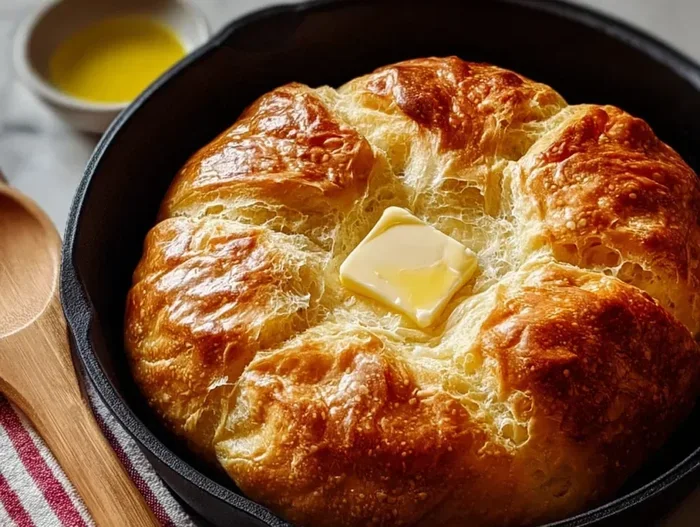
Fresh bread is unbeatable, but day-old bread can still taste great when reheated right. Wrap your bread or rolls in aluminum foil and place them in a 350°F oven for 5 to 10 minutes. The foil traps steam and keeps the inside soft while warming it through. For crusty bread like baguettes, skip the foil and let the surface dry out slightly for that satisfying crunch.
| Food Item | Temperature | Time | Cover? |
|---|---|---|---|
| Pizza | 375°F | 8-12 min | No |
| Chicken | 325°F | 15-20 min | Yes |
| Fries | 400°F | 10-15 min | No (wire rack) |
| Casseroles | 325°F | 20-30 min | Yes (remove last 10 min) |
| Bread | 350°F | 5-10 min | Yes (foil) |
| Pasta/Baked Pasta | 325°F | 15-25 min | Yes |
| Roasted Vegetables | 350°F | 10-15 min | No |
Tips for Crispy, Delicious Reheated Food
Want to take your oven reheating to the next level? These practical tips will transform your leftovers from boring to amazing every single time.
Use a Wire Rack Instead of a Plate
A wire rack elevates your food and allows hot air to flow underneath. This is especially important for fried foods, chicken wings, and anything you want crispy on the bottom. Simply place the rack over a baking sheet and arrange your food on top. The result is evenly crisped food without any soggy spots.
Add a Little Moisture
Dried-out food is the enemy of great reheating. Before covering your dish with foil, add a thin layer of water or broth to the bottom of the pan. This creates steam inside the oven, which keeps your food from drying out. For rice dishes, a sprinkle of water works perfectly. For meats, a light broth does the trick.
Let Your Food Come to Room Temperature First
This is a small step that makes a big difference. Take your leftovers out of the fridge 15 to 20 minutes before reheating. Cold food straight from the refrigerator takes much longer to heat through, which often leads to overcooked edges and a cold center. A quick warm-up at room temperature ensures more even heating in the oven.
Use the Right Pan or Dish
Not all cookware is created equal for oven reheating. Glass and ceramic dishes distribute heat more evenly than metal pans. Dark metal pans absorb more heat and can cause burning on the bottom. If you are reheating something delicate like a creamy sauce, use a glass or ceramic oven-safe dish for the best results.
Do Not Overcrowd the Pan
Overcrowding is one of the biggest mistakes people make when reheating food. When pieces of food touch or pile on top of each other, steam gets trapped and creates soggy spots. Spread your food out in a single layer with some space between each piece. It might take an extra batch, but the results are worth it.
Common Mistakes to Avoid When Reheating in the Oven
Even with the best intentions, it is easy to make mistakes that ruin your leftovers. Here are the most common errors and how to avoid them.
Using Too High a Temperature
Cranking the oven up to 450°F or higher might seem like a shortcut, but it will burn the outside of your food while the inside stays cold. Always stick to the recommended temperature ranges for each food type. Patience gives you better results.
Skipping the Preheat Step
Putting cold food into a cold oven leads to uneven heating. Your food steams instead of crisping, and the texture suffers. Always preheat your oven first. This small habit makes a noticeable difference in the quality of your reheated meals.
Forgetting to Check on Your Food
The oven is not a set-it-and-forget-it appliance when it comes to reheating. Check your food every 5 to 10 minutes to make sure it is heating evenly. Rotate pans if needed, and adjust the time based on how things look and smell.
Reheating Food Multiple Times
This is a food safety issue as much as a quality issue. Every time you reheat food, you change its texture and moisture content. Reheating the same dish twice or three times leads to mushy, flavorless food. It also increases the risk of bacterial growth. Only reheat what you plan to eat in one sitting.
Leaving Food in the Oven Too Long
Overcooking is just as bad as undercooking. Set a timer and stay nearby. Even a few extra minutes can turn crispy chicken into dry, tough meat. Keep an eye on your food and pull it out as soon as it is heated through.
Food Safety When Reheating Leftovers in the Oven
Reheating food is not just about taste and texture — it is also about safety. Leftovers can harbor harmful bacteria if not handled and reheated properly. Follow these simple food safety guidelines to keep your meals both delicious and safe.
The 165°F Rule
The USDA recommends reheating all leftovers to an internal temperature of 165°F. This temperature kills most harmful bacteria that may have grown during storage. Invest in a simple instant-read thermometer if you do not already have one. It takes the guesswork out of reheating and gives you peace of mind.
Store Leftovers Properly Before Reheating
How you store your food affects how well it reheats. Always refrigerate leftovers within two hours of cooking. Use shallow containers so the food cools quickly and evenly. Proper storage also means your food will reheat more evenly when it is time to eat again.
Know What Not to Reheat
Not all foods reheat well in the oven. Foods with high water content like cucumbers, lettuce, and fresh tomatoes do not hold up well. Similarly, fried foods that have already been reheated once should not be reheated again. Use your best judgment and when in doubt, throw it out.
Expert Insights on Oven Reheating
Professional chefs and food experts agree that the oven is the best tool for reheating most foods. Chef Thomas Keller once said that the secret to great reheating is patience and low heat. Chef Massimo Bottura emphasizes that leftovers are not second-best meals — they are opportunities to create something new and delicious with a little care.
One thing all experts agree on is that the oven gives you control. You can adjust the temperature, the timing, and the covering method based on what you are reheating. No other kitchen appliance offers that level of flexibility. Once you learn the basics of how to use oven to reheat food, you will wonder why you ever relied on the microwave.
Final Thoughts
How to use oven to reheat food is a simple skill that transforms your relationship with leftovers. Instead of settling for soggy, unevenly heated meals, you can enjoy crispy, flavorful food that tastes almost as good as the first time around. The key is understanding temperature, timing, and a few simple techniques that make all the difference.
Start with low to medium heat, always preheat your oven, and use foil or a lid to trap moisture when needed. Cover meats with broth, spread fried foods out on a wire rack, and give pizza the hot stone treatment. These small changes add up to a huge improvement in the quality of your reheated meals.
Remember to always check internal temperatures for safety, avoid common mistakes like overcrowding and overheating, and only reheat what you plan to eat. With these tips and tricks, your leftovers will never feel like leftovers again. Your oven is a powerful reheating tool — now you know exactly how to use it to get the best results every single time.
So next time you are staring at a container of yesterday’s dinner, skip the microwave. Preheat your oven, set the right temperature, and give your food the care it deserves. You will taste the difference, and your taste buds will thank you.
Frequently Asked Questions
What is the best temperature to reheat food in the oven?
The best temperature depends on the food, but most items reheat well between 325°F and 375°F. Use lower temperatures around 250°F for delicate dishes like casseroles, and higher temperatures up to 400°F for crispy foods like pizza and fries. Always preheat your oven before adding your food for the best results.
Can I reheat chicken in the oven without drying it out?
Yes, you can. The key is to add a little moisture and keep the chicken covered. Place the chicken in an oven-safe dish, add a splash of broth or water, and cover with aluminum foil. Reheat at 325°F for 15 to 20 minutes, then remove the foil for the last 5 minutes to crisp the skin if desired.
How long should I reheat leftovers in the oven?
Reheating time varies by food type and portion size. Most leftovers take between 10 and 30 minutes at the recommended temperatures. Thin items like pizza take 8 to 12 minutes, while thicker dishes like casseroles may need 20 to 30 minutes. Always check that the internal temperature reaches 165°F for food safety.
Is it safe to reheat food in the oven multiple times?
It is not recommended to reheat the same dish multiple times. Each reheating cycle changes the texture and increases the risk of bacterial growth. Only reheat what you plan to eat in one sitting. Store leftovers properly in the refrigerator and consume them within 3 to 4 days for best quality and safety.
Why does my reheated food taste different from fresh food?
Reheated food often tastes different because the reheating process changes the moisture content and texture of the ingredients. Starches recrystallize, proteins tighten, and flavors can concentrate or diminish. Using the oven instead of the microwave helps preserve texture and flavor much better, making your leftovers taste closer to the original meal.
Do I need to cover food when reheating in the oven?
It depends on what you are reheating. Covering food with aluminum foil traps steam and moisture, which prevents drying out. This works well for meats, casseroles, and pasta. However, you should leave food uncovered if you want a crispy exterior, such as with pizza, fries, or roasted vegetables. A good rule is to cover moist foods and leave crispy foods uncovered.