How To Cook A Turkey In Oven Overnight Like A Pro
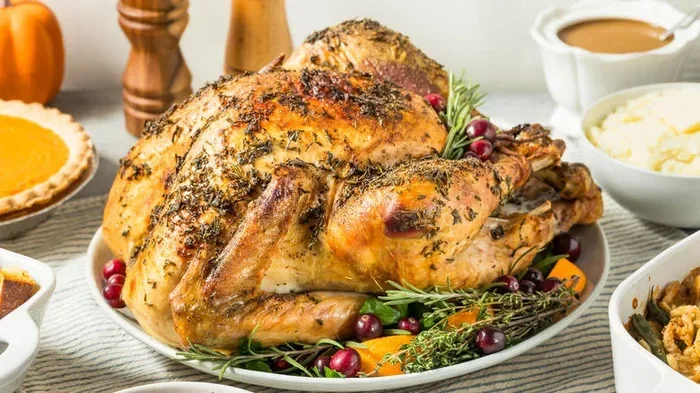
Cooking a turkey in the oven overnight is the secret to a perfectly juicy bird with crispy skin. This overnight turkey recipe uses low heat and simple seasoning to deliver tender meat every time. You’ll learn the exact oven temperature, timing, and prep steps for a stress-free holiday feast.
If you want to learn how to cook a turkey in oven overnight, you’ve found the ultimate guide. This method turns a tough job into a breeze. You wake up to a golden, juicy bird ready for your table.
Cooking turkey overnight uses low heat and time. The result is tender meat and crispy skin. No need to rush or stress. This overnight turkey recipe works for Thanksgiving, Christmas, or any special meal.
In this article, I’ll walk you through every step. You’ll learn how to pick the right bird, prep it, and set your oven. I’ll share tips for a perfect juicy turkey every time. Let’s get started.
Key Takeaways
- Low and slow is the way: Cooking overnight at a low oven temperature keeps the turkey juicy and tender.
- Brining or dry brining matters: A simple turkey brine or herb butter adds flavor and moisture.
- Resting is essential: Letting the bird rest for 30–45 minutes redistributes juices for a perfect juicy turkey.
- Use a meat thermometer: The turkey cooking time varies, so always check internal temp for safety.
- No need to wake up early: An overnight turkey recipe lets you enjoy the holiday without rushing.
- Crispy skin is possible: A quick blast of high heat at the end gives you that golden, crackling finish.
📑 Table of Contents
Why Cook A Turkey In Oven Overnight?
The overnight method uses low and slow heat. It’s the secret to a moist Thanksgiving turkey. Traditional roasting often leads to dry breast meat. The long cook time breaks down fibers gently.
The Low And Slow Magic
Low heat cooks the bird evenly. The turkey cooking time stretches over 12–16 hours. This keeps the dark meat and turkey breast juicy. The fat renders slowly, basting the meat from within.
Quick Tip: Place the turkey in the oven right before bed. Set a timer to check it in the morning.
Benefits For Busy Cooks
You can go to bed and sleep in. No 4 a.m. wake-up calls. The oven does the work while you rest. This low and slow turkey method frees up your day.
Expert Insight: Many professional chefs prefer the overnight roast. It reduces day-of stress and delivers consistent results. The bird comes out tender every time.
Choosing And Prepping Your Turkey
The bird you choose matters. A fresh or fully thawed turkey cooks best. Size depends on your guests. A general rule is 1 pound per person.
Size And Type
For 8–10 people, a 12–14 pound bird works well. You can also buy a turkey breast if you prefer white meat only. A whole bird gives you both dark and white meat.
Common Mistake: Buying a bird that’s too small. It dries out faster. Go one size up if you love leftovers.
Fresh Vs Frozen
If using frozen, thaw it safely in the fridge. Allow 24 hours per 4–5 pounds. Never thaw on the counter. A turkey brine can add flavor and moisture.
Quick Tip: Remove the neck and giblets from the cavity. Save them for gravy. This is a step many beginners forget.
Seasoning And Herb Butter
Make a compound butter with herbs, garlic, and lemon. Rub it under the skin and over the meat. This adds richness and helps the skin crisp up. Use herb butter for extra flavor.
Expert Insight: Softened butter spreads easily under the skin. You can also add orange zest for a bright, festive note.
To Stuff Or Not To Stuff
Stuffing inside the cavity slows cooking. It can also harbor bacteria if not done right. I recommend cooking stuffing separately. This gives you a safer, more even oven turkey.
Expert Insight: If you do stuff the bird, pack it loosely and ensure the center reaches 165°F.
Oven Setup And Temperature Settings
The right oven setup is crucial. You want steady, gentle heat. A turkey rack lifts the bird for airflow.
Temperature And Rack Position
Set your oven to 225–250°F. This is the sweet spot for overnight turkey. The low temperature prevents drying. Place the rack in the lower third of the oven.
Here’s a quick comparison of oven settings:
| Oven Temperature | Pros | Cons |
|---|---|---|
| 225°F | Very moist, minimal monitoring | Longer cook time (16+ hours) |
| 250°F | Good balance of moisture and time | Needs occasional basting |
| 275°F | Faster cooking (10–12 hours) | Slightly higher risk of drying |
Key Takeaway: 250°F is the most popular choice for how to cook a turkey in oven overnight. It’s forgiving and reliable.
Pan And Rack Choices
Use a sturdy roasting pan. A V-rack keeps the bird elevated. If you don’t have a rack, use chopped vegetables as a bed. They also add flavor to the pan drippings.
Quick Tip: Line the pan with foil for easy cleanup. But leave the rack uncovered for crisp skin.
The Overnight Cooking Timeline
Here’s a simple timeline for your overnight turkey recipe. Times vary by bird size and oven temp.
Starting The Roast
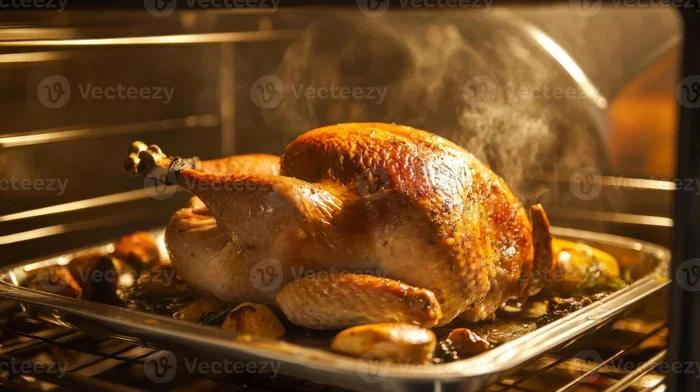
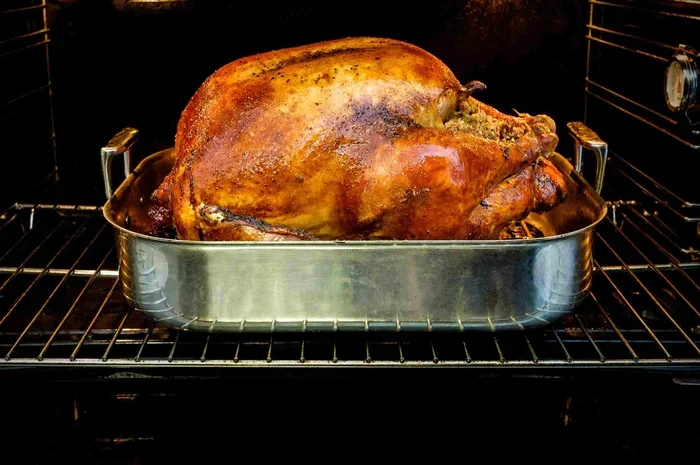
Preheat the oven to 250°F. Place the seasoned turkey breast-side up on the rack. Put it in the oven right before you go to bed. A 14-pound bird needs about 12–14 hours at 250°F.
Common Mistake: Not preheating the oven. A cold start can lead to uneven cooking. Always preheat to your target temperature.
Basting And Monitoring
Don’t open the oven door too often. Heat escapes and cook time increases. If you must baste, do it quickly. Use a bulb baster to spoon pan juices over the bird. Baste once or twice during the night if you wake up.
Expert Insight: If you’re a light sleeper, set a gentle alarm. Quick basting sessions take only 30 seconds.
When To Pull It Out
Use a meat thermometer. Insert it into the thickest part of the thigh. The internal temp should reach 165°F. The breast should be 160–165°F. If the skin is pale, you can crank the oven to 400°F for the last 15–20 minutes for a golden finish.
Quick Tip: Tent the bird with foil if the skin browns too fast. This prevents burning while the inside finishes cooking.
Resting And Carving The Bird
The final steps are just as important as the cook. Resting lets juices settle.
Why Resting Is Non-Negotiable
Remove the turkey from the oven. Tent it loosely with foil. Let it rest for 30–45 minutes. This turkey resting time redistributes juices. Cutting too soon releases all the moisture onto the board.
Expert Insight: The internal temp will rise 5–10 degrees during resting. This carryover cooking brings the bird to a safe 165°F.
Quick Tip: Use a cutting board with a juice groove. It catches drips and keeps your counter clean.
Carving Like A Pro
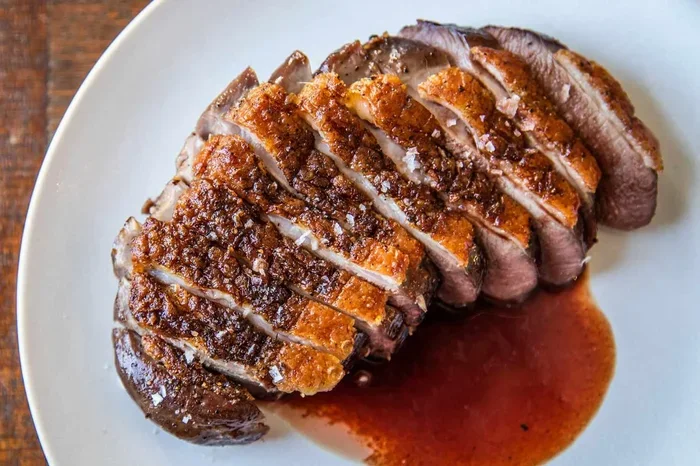
Start with the legs. Cut through the joint. Then slice the breast against the grain. Use a sharp carving knife. A turkey breast slice should be thick and juicy. Serve the dark meat separately for those who love it.
Key Takeaway: A well-rested juicy turkey carves beautifully and tastes incredible.
Troubleshooting And Pro Tips
Even with the best plan, things can go wrong. Here’s how to fix common issues.
Avoiding Dry Turkey
Dry meat usually comes from overcooking. Use a thermometer and pull the bird at 165°F in the thigh. Brining or dry brining adds a buffer. A turkey brine keeps the meat moist even if you cook a few minutes too long.
Expert Insight: Dry brining is easier than wet brining. Just salt the bird overnight and let it sit uncovered in the fridge. The skin dries out, which helps it crisp in the oven.
Fixing Uneven Browning
If one side is darker, rotate the pan halfway through. You can also tent the darker side with foil. The overnight turkey recipe should give you even color, but ovens vary.
Common Mistake: Forgetting to remove the giblet packet from the cavity. Always double-check before roasting.
Quick Tip: If your bird is small (under 10 pounds), check it early. Smaller turkeys cook faster and can dry out.
Conclusion
How To Cook A Turkey In Oven Overnight is easier than you think. The low and slow method delivers a moist, flavorful bird with minimal effort. You get to sleep in and still serve a show-stopping meal. Follow the steps, use a thermometer, and let the bird rest. Your family will rave about the overnight turkey recipe. Try it once, and you’ll never go back to early morning roasting again.
Frequently Asked Questions
Can I cook a turkey in oven overnight at a higher temperature?
Yes, you can use 275°F, but the cook time shortens to about 10–12 hours. Higher temps increase the risk of drying out the breast meat. Stick to 225–250°F for the best results.
Do I need to baste the turkey during an overnight roast?
Basting is optional but helpful. The low heat and covered pan keep moisture in. If you want extra-crispy skin, baste once or twice when you wake up. Just open the oven quickly to minimize heat loss.
What size turkey works best for overnight cooking?
A 12–16 pound bird is ideal. Smaller turkeys can dry out, while very large ones may need extra time. Always allow about 1 pound per guest for leftovers.
Should I brine the turkey before an overnight roast?
Brining adds flavor and moisture. A wet brine works well, but dry brining is simpler. Rub salt and herbs under the skin and refrigerate overnight. The salt draws out moisture and then reabsorbs it, keeping the meat juicy.
How do I know when the turkey is done?
Use a meat thermometer. Insert it into the thickest part of the thigh without touching bone. The temperature must reach 165°F. The breast should read 160–165°F. Let the bird rest for 30–45 minutes; the temperature will rise slightly.
Can I use a convection oven for overnight turkey?
Yes, convection ovens circulate hot air for even cooking. Reduce the temperature by 25°F and check the bird early. Convection can shorten the turkey cooking time by about 30 minutes.