Braised Pork Roast in Oven Is Easier Than You Think
A braised pork roast in oven is one of the most satisfying meals you can make at home. This guide walks you through every step, from choosing the right cut to achieving fall-apart tenderness. You will learn proven techniques, easy recipes, and helpful tips that make oven braising simple and rewarding.
There is something magical about a braised pork roast in oven. The kitchen fills with a rich, savory aroma. The meat turns fall-apart tender. And the whole process feels easier than most people expect.
Many folks think braising is a technique reserved for fancy restaurants or experienced cooks. That is simply not true. A braised pork roast in oven is one of the most forgiving and beginner-friendly ways to cook pork. You set the temperature, add some liquid, and let time do the hard work.
In this guide, you will find everything you need to know. We cover how to choose the right cut, the best braising liquid, oven temperature, timing, and tips for maximum flavor. Whether you are a weeknight cook or a weekend warrior, this method will become a staple in your kitchen.
Key Takeaways
- Braising in the oven is easy: It uses low, steady heat to turn tough pork cuts into tender, juicy meals.
- You need minimal equipment: A Dutch oven or oven-safe pot is all you need to get started.
- Searing matters: A good sear on the pork adds deep flavor and a beautiful crust.
- Low and slow wins: Cooking at 300-325°F for several hours gives the best results.
- Resting is essential: Letting the roast rest after cooking keeps the juices locked in.
- Braised pork is versatile: You can customize flavors with different liquids, herbs, and spices.
- Leftovers taste even better: Braised pork reheat beautifully and work in many meals throughout the week.
📑 Table of Contents
- What Is Braised Pork Roast in Oven?
- Choosing the Right Cut of Pork
- Essential Equipment for Braising Pork
- Step-by-Step Guide to Braised Pork Roast in Oven
- Flavor Variations for Braised Pork Roast
- Common Mistakes to Avoid
- Expert Tips for the Perfect Braised Pork Roast
- Braised Pork Roast vs. Other Cooking Methods
- How to Store and Reheat Braised Pork
- Serving Ideas and Pairings
- Conclusion
What Is Braised Pork Roast in Oven?
Braising is a cooking method that combines dry and wet heat. You start by searing the meat at high heat. Then you cook it slowly in a covered pot with liquid at a low temperature. The oven provides steady, even heat that works perfectly for this technique.
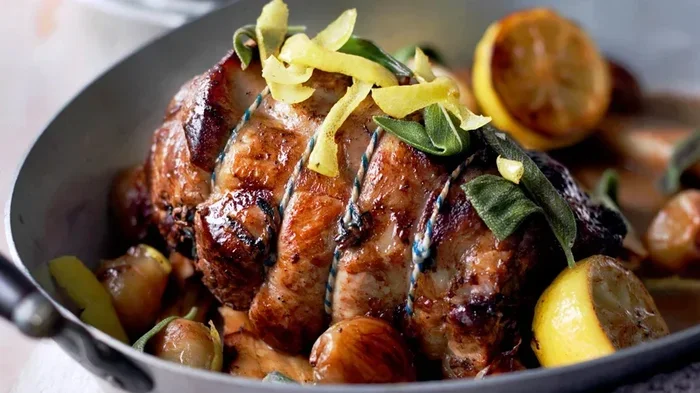
A braised pork roast in oven uses this exact approach. The pork cooks in its own juices plus added liquid. Over time, the tough connective tissues break down. The result is meat that is moist, tender, and packed with flavor.
This method works especially well with cuts like pork shoulder, pork butt, and pork loin roast. These cuts have plenty of collagen and fat. When braised slowly, they transform into something truly delicious.
Why Braise Pork in the Oven?
You might wonder why braise in an oven instead of on the stovetop. There are some great reasons.
- Even heat distribution: Ovens surround the pot with heat on all sides. This creates a consistent cooking environment.
- Hands-off cooking: Once the pot goes in the oven, you can walk away. There is no need to stir or monitor closely.
- Better flavor development: The enclosed oven space traps moisture. This helps the pork braise gently and develop deeper flavor.
- Easy temperature control: Most ovens hold a steady temperature. You set it and forget it.
- Room for the whole family: A large oven can fit a big Dutch oven. This makes it perfect for cooking larger roasts.
Choosing the Right Cut of Pork
The success of your braised pork roast in oven starts with the right cut. Not all pork cuts are created equal when it comes to braising. Some cuts shine in this method.
Best Cuts for Oven Braising
Here are the top cuts to consider for your next braised pork roast in oven recipe:
- Pork shoulder (Boston butt): This is the most popular choice. It has lots of fat and connective tissue. It becomes incredibly tender after long braising. A bone-in pork shoulder adds even more flavor.
- Pork butt: Despite the name, this comes from the shoulder too. It is well-marbled and perfect for slow cooking in the oven.
- Pork loin roast: This is a leaner option. It still benefits from braising but cooks faster than shoulder cuts.
- Pork belly: Rich in fat and flavor. Braised pork belly in oven turns out meltingly soft with a luxurious texture.
- Pork ribs (whole or sectioned): Pork ribs braised in oven become succulent and easy to pull apart.
What to Look for When Buying
When you shop for pork, keep these tips in mind.
- Look for cuts with good marbling. The fat streaks throughout the meat keep it juicy during braising.
- Choose bone-in cuts when possible. The bone adds richness to the braising liquid.
- Check the size. A 3-5 pound roast works perfectly for most ovens.
- Buy from a trusted butcher or meat counter. Fresh, quality pork makes a big difference.
Essential Equipment for Braising Pork
You do not need fancy tools to make a braised pork roast in oven. A few key pieces of equipment make the process smooth and enjoyable.
The Dutch Oven
A Dutch oven is the gold standard for braising. It is heavy, thick-walled, and distributes heat evenly. Most Dutch ovens are oven-safe up to 500°F or higher. They also have tight-fitting lids that trap moisture inside.
If you do not have a Dutch oven, any oven-safe pot or casserole dish with a lid will work. The key is that the pot must handle low oven temperatures and hold the pork snugly.
Other Helpful Tools
- Heavy-duty tongs: For safely flipping the pork during searing.
- A sharp knife: For trimming excess fat and cutting the pork after cooking.
- A meat thermometer: This is essential for checking the internal temperature. You want the pork to reach at least 195°F for tender, pull-apart texture.
- Aluminum foil: Useful for covering the pot if it does not have a tight lid.
- A large cutting board: For resting the roast before slicing.
Step-by-Step Guide to Braised Pork Roast in Oven
Now let us get into the heart of the matter. Here is a clear, step-by-step method for making a braised pork roast in oven that turns out perfectly every time.
Step 1: Prep the Pork
Remove the pork from the refrigerator about 30 minutes before cooking. Let it come to room temperature. This helps it cook more evenly.
Pat the pork dry with paper towels. Season generously with salt, pepper, and any spices you like. Some cooks add garlic powder, paprika, cumin, or dried herbs at this stage. The dry surface helps create a better sear.
Step 2: Sear the Meat
Heat a tablespoon of oil in your Dutch oven over medium-high heat. Once the oil is shimmering, place the pork in the pot. Sear on all sides until you get a deep brown crust. This usually takes about 3-4 minutes per side.
Do not skip this step. Searing is what builds the deep, savory flavor base of your braised pork roast in oven. The browning reaction creates hundreds of flavor compounds that make the final dish so rich.
Step 3: Add Aromatics and Liquid
After searing, remove the pork and set it aside. In the same pot, add diced onions, carrots, and celery. Cook for a few minutes until they soften. Add garlic in the last minute for fragrance.
Now pour in your braising liquid. This can be broth, beer, wine, or a combination. Add about 1 to 2 cups of liquid. You want it to come about halfway up the sides of the pork, not cover it completely.
Drop in bay leaves, thyme sprigs, or rosemary for extra flavor. Some people also add a splash of apple cider vinegar or mustard for brightness.
Step 4: Braise in the Oven
Place the pork back in the pot. Cover it with the lid or tight-fitting foil. Put the pot in the oven and set the temperature to 300-325°F.
Here is a general timing guide for a braised pork roast in oven:
- 3-4 pound pork shoulder: 3.5 to 4.5 hours
- 4-5 pound pork butt: 4 to 5 hours
- 2-3 pound pork loin roast: 2 to 3 hours
- Bone-in pork ribs: 2.5 to 3.5 hours
Check the pork after about 3 hours. Use a meat thermometer. The internal temperature should reach 195-205°F for the most tender results.
Step 5: Rest and Serve
Once the pork is done, carefully remove the pot from the oven. Take the pork out and let it rest on a cutting board for at least 15-20 minutes. This resting period allows the juices to redistribute throughout the meat.
Strain the braising liquid and skim off excess fat. You can use the liquid to make a quick sauce or gravy. Simply simmer it on the stovetop until it thickens slightly.
Serve the pork with the reduced braising liquid spooned over the top. Pair it with mashed potatoes, roasted vegetables, crusty bread, or egg noodles. The pork is also delicious in tacos, sandwiches, or pulled pork bowls.
Flavor Variations for Braised Pork Roast
One of the best things about a braised pork roast in oven is how customizable it is. You can change the flavors to match your mood or the season.
Classic German-Style Braised Pork
This style uses beer, onions, mustard, and caraway seeds. The result is a hearty, tangy pork roast with deep Germanic flavors. Serve it with spaetzle or roasted potatoes.
Asian-Inspired Braised Pork
For an Asian twist, use soy sauce, rice wine, ginger, and star anise in your braising liquid. Add a touch of brown sugar for sweetness. Serve over steamed rice or with stir-fried vegetables.
Mediterranean Braised Pork
Use white wine, olives, sun-dried tomatoes, and oregano. Add a splash of chicken broth and some lemon zest at the end. This pairs beautifully with couscous or roasted Mediterranean vegetables.
Smoky Barbecue-Style Braised Pork
Add barbecue sauce, smoked paprika, and a bit of brown sugar to the braising liquid. This creates a rich, smoky flavor that tastes like it has been cooking all day. It is perfect for pulled pork sandwiches.
Common Mistakes to Avoid
Even though braising is forgiving, a few common mistakes can affect your results. Here is what to watch out for when making a braised pork roast in oven.
Skipping the Sear
Some people jump straight to the braising step. This is the biggest mistake you can make. Searing builds the foundation of flavor. Without it, your roast will taste flat and one-dimensional.
Using Too Much Liquid
The liquid should come about halfway up the pork, not submerge it completely. Too much liquid turns your braise into a soup. You want the pork to steam and braise in the concentrated juices, not swim in them.
Cooking at Too High a Temperature
Braising is all about low and slow. If you set the oven too hot, the meat will seize up and turn tough. Keep the temperature between 300-325°F for the best oven braised pork results.
Cutting Into the Pork Too Soon
It is tempting to peek and cut into the roast early. Resist that urge. The pork needs time to rest so the juices can settle. Cutting too early releases all those flavorful juices onto the cutting board instead of staying in the meat.
Not Using a Meat Thermometer
Timing guidelines are helpful, but every oven and every cut of meat is different. A meat thermometer takes the guesswork out. It tells you exactly when the pork has reached the perfect internal temperature for tenderness.
Expert Tips for the Perfect Braised Pork Roast
Here are some insider tips from experienced cooks that will elevate your braised pork roast in oven from good to outstanding.
Quick Tips
- Brown the pork in batches: If your pot is small, sear the pork in batches. Overcrowding the pot leads to steaming instead of browning.
- Add a splash of acid: A little vinegar, wine, or tomato paste brightens the flavor and cuts through the richness.
- Use homemade stock when possible: Store-bought broth works fine, but homemade stock adds a deeper, more personal flavor.
- Make it a day ahead: Braised pork tastes even better the next day. The flavors meld and deepen overnight in the refrigerator.
- Layer your aromatics: Place some onions, garlic, and herbs under and around the pork. This infuses the meat with flavor from all sides.
Expert Insights
Professional chefs often emphasize one key principle when it comes to braising: patience. The collagen in pork needs time to break down into gelatin. This is what creates that silky, melt-in-your-mouth texture. Rushing the process by raising the temperature will not achieve the same results.
Another expert tip is to skim the fat from the braising liquid before serving. While some fat adds richness, too much can make the sauce greasy. A simple spooning or chilling step removes excess fat easily.
Braised Pork Roast vs. Other Cooking Methods
How does a braised pork roast in oven compare to other ways of cooking pork? Let us look at a quick comparison.
| Method | Best Cuts | Texture | Time | Flavor |
|---|---|---|---|---|
| Oven Braising | Pork shoulder, butt, loin | Fall-apart tender | 3-5 hours | Rich, deep, savory |
| Roasting (dry heat) | Pork loin, tenderloin | Firm, juicy | 1-2 hours | Crispy exterior, mild |
| Grilling | Pork chops, ribs | Charred, smoky | 30-60 minutes | Bold, smoky |
| Slow Cooking (Crockpot) | Pork shoulder, butt | Very tender | 6-8 hours | Mild, saucy |
| Pan Frying | Pork chops, tenderloin | Crispy outside, juicy inside | 15-25 minutes | Caramelized, savory |
Each method has its place. But for a rich, comforting, and deeply flavorful pork roast, oven braising stands out. It combines the best of both worlds: a crispy sear and a slow, gentle cook in flavorful liquid.
How to Store and Reheat Braised Pork
One of the great advantages of a braised pork roast in oven is that it stores and reheats beautifully.
Let the pork cool completely after cooking. Store it in an airtight container in the refrigerator for up to 4 days. The braising liquid keeps the pork moist even as it sits.
To reheat, place the pork in a baking dish with some of the braising liquid. Cover with foil and heat at 300°F for about 20-30 minutes. This gentle reheating method prevents the meat from drying out.
You can also freeze braised pork for up to 3 months. Wrap it tightly in freezer-safe bags or containers. Thaw overnight in the refrigerator before reheating.
Serving Ideas and Pairings
A braised pork roast in oven pairs wonderfully with many sides and accompaniments.
- Mashed potatoes: The creamy potatoes soak up the rich braising sauce beautifully.
- Creamy polenta: This Italian staple makes a luxurious bed for braised pork.
- Crusty bread: Use it to mop up every last drop of the savory juices.
- Roasted root vegetables: Carrots, parsnips, and sweet potatoes complement the rich pork.
- Egg noodles: Tossed in butter with fresh herbs, they are the perfect vehicle for the sauce.
- Coleslaw: A tangy, crunchy slaw adds a refreshing contrast to the rich, tender meat.
For a complete meal, serve the pork with a simple green salad and a glass of red wine. The acidity of the salad and the wine balance the richness of the braised meat perfectly.
Conclusion
A braised pork roast in oven is one of the most rewarding meals you can prepare at home. It is simple, forgiving, and incredibly delicious. With the right cut, a good sear, and patient low-heat cooking, you can create a pork roast that is tender, juicy, and full of flavor.
This method works for busy weeknights and special gatherings alike. You can prepare it ahead of time, customize the flavors to your liking, and enjoy leftovers for days. Once you master the basics of oven braising, you will find yourself reaching for this technique again and again.
So grab a pork shoulder, heat up your oven, and give it a try. A braised pork roast in oven might just become your new favorite way to cook pork. The results are worth every minute of patience and every step of the process.
Frequently Asked Questions
What is the best cut of pork for braising in the oven?
Pork shoulder and pork butt are the best cuts for a braised pork roast in oven. They have plenty of fat and connective tissue that break down during slow cooking, resulting in tender, juicy meat. Bone-in cuts add extra flavor to the braising liquid.
What temperature should I braise pork in the oven?
Set your oven to 300-325°F for braising pork. This low temperature allows the meat to cook gently and evenly over several hours. Avoid higher temperatures, as they can make the pork tough and dry.
How long does it take to braise a pork roast in the oven?
Cooking time depends on the size of the roast. A 3-4 pound pork shoulder typically takes 3.5 to 4.5 hours. Larger cuts may need 5 hours or more. Always use a meat thermometer to check for doneness. The internal temperature should reach 195-205°F for the most tender results.
Can I braise pork in a regular pot instead of a Dutch oven?
Yes, you can. Any oven-safe pot or casserole dish with a tight-fitting lid will work. The key is that the pot must handle low oven temperatures and keep moisture trapped inside. A Dutch oven is ideal because of its heavy construction, but it is not required.
Does braised pork taste better the next day?
Absolutely. Braised pork is one of those dishes that improves with time. The flavors meld and deepen overnight in the refrigerator. Leftover braised pork also reheats beautifully, making it a great option for meal prep and busy days.
What can I use as a braising liquid for pork?
You have many options for braising liquid. Chicken or beef broth, beer, red or white wine, and even cider all work well. You can also mix and match. Adding aromatics like onions, garlic, herbs, and a splash of vinegar or mustard enhances the flavor of your braised pork roast in oven.