How To Cook Potatoes In A Convection Oven Like A Pro
Learning how to cook potatoes in a convection oven is a game-changer for any home cook. Convection ovens circulate hot air, which means faster cooking and crispier results. You will discover the best temperatures, timing, and prep techniques for perfect potatoes every single time. Whether you love crispy roasted potatoes, fluffy baked potatoes, or golden potato wedges, this guide covers it all.
Key Takeaways
- Convection ovens cook potatoes faster and more evenly: The fan circulates hot air, reducing cooking time by up to 25%.
- Temperature matters: Most potatoes do best between 375°F and 425°F in a convection setting.
- Prep is everything: Proper washing, drying, and seasoning make a huge difference in texture and flavor.
- Skip the foil for crispier skin: Foil traps steam and prevents that golden, crispy finish.
- Parboiling is a pro secret: It helps create crispy exteriors on roasted potatoes and wedges.
- Cut size affects cooking time: Smaller pieces cook faster, so keep them uniform for even results.
- Rest your potatoes after cooking: Letting them sit for a few minutes improves texture and flavor.
📑 Table of Contents
- How To Cook Potatoes In A Convection Oven Like A Pro
- Choosing The Right Potatoes For Convection Cooking
- Step-By-Step: How To Prep Potatoes For The Convection Oven
- The Best Temperature And Timing For Convection Oven Potatoes
- Common Mistakes To Avoid When Cooking Potatoes In A Convection Oven
- Delicious Convection Oven Potato Recipes To Try
- Expert Tips To Take Your Convection Oven Potatoes To The Next Level
- Convection Oven Vs Regular Oven: Which Is Better For Potatoes?
- Frequently Asked Questions
- Conclusion
How To Cook Potatoes In A Convection Oven Like A Pro
So you want to make amazing potatoes using your convection oven? Good news — it is way easier than you think. Whether you are a beginner or a seasoned home cook, how to cook potatoes in a convection oven is a skill that will level up your kitchen game instantly.
Convection ovens are fantastic. They use a fan to blow hot air around the food, which means your potatoes cook faster and more evenly than in a regular oven. The result? crispy golden skin, fluffy interiors, and incredible flavor every single time. In this guide, we will walk you through everything you need to know. From choosing the right potatoes to nailing the perfect temperature, we have you covered.
By the time you finish reading, you will never go back to boring, soggy potatoes again. Let us get started.
Why Use A Convection Oven For Potatoes?
There is a reason why professional chefs love convection ovens. The fan inside the oven moves hot air all around the food. This creates a dry, even heat that works wonders on potatoes. Here is why this matters so much:
- Faster cooking times: Convection ovens cook about 25% faster than standard ovens. That means less time waiting and more time eating.
- Even browning: No more hot spots or unevenly cooked potatoes. Every piece gets the same golden treatment.
- Crispier results: The circulating air pulls moisture away from the surface. This gives you that perfectly crispy roasted potato skin.
- Better texture: Inside, your potatoes stay fluffy and tender while the outside gets beautifully crisp.
- Energy savings: Faster cooking means less energy used. Your bills will thank you too.
When you learn how to cook potatoes in a convection oven, you unlock a whole new level of texture and flavor. It is one of the simplest upgrades you can make in your kitchen.
Choosing The Right Potatoes For Convection Cooking
Not all potatoes are created equal. The type of potato you choose has a big impact on the final result. Some varieties are better for roasting, while others work best for mashing or boiling. When you are using a convection oven, you want potatoes that hold their shape and develop a great crust.
Best Potato Varieties For Convection Oven Cooking
Here are the top potato types that work beautifully in a convection oven:
- Russet potatoes: These are the classic choice for baked potatoes and fries. They have a fluffy, starchy interior and thick skin that crisps up perfectly.
- Yukon Gold potatoes: These have a buttery, creamy texture and a thin, edible skin. They roast beautifully and taste amazing.
- Red potatoes: Great for roasting and potato wedges. They hold their shape well and have a slightly sweet, creamy flavor.
- Purple potatoes: These are not just pretty. They have a nutty flavor and a firm texture that holds up great in the oven.
- Fingerling potatoes: Small and elegant, they roast quickly and look beautiful on a plate.
For most convection oven potato recipes, russet and Yukon Gold are the go-to choices. They are widely available and deliver consistent results every time.
What To Look For When Buying Potatoes
When you are shopping for potatoes, keep these tips in mind:
- Choose firm potatoes with no soft spots or sprouts.
- Pick potatoes that are similar in size so they cook evenly.
- Avoid potatoes with green spots, which can taste bitter.
- Buy organic if you plan to eat the skin — it adds great flavor and nutrition.
Good potato selection is the first step to perfect convection oven potatoes. Do not skip this step!
Step-By-Step: How To Prep Potatoes For The Convection Oven
Preparation is where the magic happens. Taking a few extra minutes to prep your potatoes properly will make a huge difference in the final result. Here is exactly what you need to do.
Step 1: Wash And Peel
Start by rinsing your potatoes under cold water. Use a vegetable brush to scrub off any dirt. If you prefer smooth potatoes, peel them now. For crispy skin, leave the peel on — it adds texture and nutrients.
Step 2: Cut Into Uniform Pieces
Cutting your potatoes into even sizes is super important. Uneven pieces mean some will be burnt while others are still undercooked. For wedges, aim for pieces about one inch thick. For cubes, keep them around three-quarters of an inch.
Pro tip: Use a sharp knife and a cutting board. A dull knife makes uneven cuts and is more dangerous.
Step 3: Soak For Extra Crispiness
This is a secret that many home cooks overlook. Soak your cut potatoes in cold water for 20 to 30 minutes. This removes excess starch, which helps them get extra crispy in the convection oven. After soaking, drain them and dry thoroughly with a clean towel.
Step 4: Season Generously
Now comes the fun part — seasoning! Toss your potatoes with olive oil first, then add your favorite spices. Here are some winning combinations:
- Classic: Olive oil, salt, pepper, garlic powder, and paprika.
- Herb garden: Olive oil, rosemary, thyme, salt, and black pepper.
- Spicy kick: Olive oil, chili powder, cumin, smoked paprika, and a pinch of cayenne.
- Simple and savory: Olive oil, salt, garlic, and fresh parsley.
Do not be shy with the seasoning. Potatoes are a blank canvas, and they soak up flavors beautifully. This step is key to making how to cook potatoes in a convection oven taste absolutely amazing.
The Best Temperature And Timing For Convection Oven Potatoes
Getting the temperature and timing right is the most important part of cooking potatoes in a convection oven. Too hot and they burn on the outside while staying raw inside. Too cool and they turn out pale and soggy. Let us break it down.
Recommended Temperatures By Potato Type
Different potato preparations call for slightly different temperatures. Here is a handy guide:
- Whole baked potatoes: 375°F to 400°F for about 45 to 60 minutes.
- Potato wedges: 400°F to 425°F for 25 to 35 minutes.
- Cubed roasted potatoes: 400°F to 425°F for 20 to 30 minutes.
- Thin potato fries: 425°F for 15 to 20 minutes.
- Potato rounds (sliced): 400°F for 20 to 25 minutes.
These temperatures work because the convection fan distributes heat evenly. You can usually drop the temperature by 25°F compared to a regular oven recipe. This prevents the outside from burning before the inside is cooked through.
How To Know When Potatoes Are Done
Timing can vary based on the size of your potato pieces and your specific oven. Here is how to check for doneness:
- Look for a deep golden-brown color on the outside.
- Poke the thickest piece with a fork. It should slide in easily with no resistance.
- Shake the baking sheet gently. The potatoes should move freely and not stick.
- For baked potatoes, squeeze the ends gently. They should feel soft and give slightly.
If your potatoes are not quite done yet, give them another 5 to 10 minutes. Check again and keep going until they are perfect.
Quick Tips For Perfect Timing
- Always preheat your convection oven before adding the potatoes.
- Do not overcrowd the baking sheet. Leave space between pieces for air to circulate.
- Flip or shake the potatoes halfway through cooking for even browning.
- Use a parchment-lined baking sheet for easy cleanup.
These small habits make a big difference when you are learning how to cook potatoes in a convection oven. They separate good results from great results.
Common Mistakes To Avoid When Cooking Potatoes In A Convection Oven
Even experienced cooks make mistakes sometimes. Knowing what to avoid will save you a lot of frustration. Here are the most common errors people make.
Mistake 1: Skipping The Preheat
Some people throw potatoes into a cold oven. This is a big no-no. Preheating ensures the oven reaches the right temperature before the food goes in. Without preheating, your potatoes will cook unevenly and take longer to get crispy.
Mistake 2: Overcrowding The Pan
It is tempting to fit as many potatoes on the sheet as possible. But overcrowding traps steam and prevents proper air circulation. Your potatoes will steam instead of roast, and you will end up with soft, pale results instead of crispy golden roasted potatoes.
Give each piece about one inch of space. If you need to cook more, use two baking sheets.
Mistake 3: Using Too Much Oil
Oil helps with browning and crispiness, but too much makes potatoes greasy. A light coat is all you need. Toss the potatoes gently until they are just lightly coated. You should not see pools of oil on the baking sheet.
Mistake 4: Not Drying Potatoes After Washing
Moisture is the enemy of crispiness. If your potatoes are wet when they go in the oven, they will steam instead of roast. Always dry them thoroughly after washing or soaking. This is especially important after the starch-removing soak.
Mistake 5: Forgetting To Flip
Even with a convection fan, potatoes benefit from being flipped or shaken halfway through. This ensures all sides get exposed to the hot air. Skipping this step can leave one side pale and the other overcooked.
Mistake 6: Cutting Pieces Too Big Or Too Small
Inconsistent sizes mean inconsistent cooking. Large pieces will be raw in the center while small pieces turn to mush. Take the extra time to cut your potatoes evenly. Your patience will be rewarded with perfectly cooked convection oven potatoes every time.
Delicious Convection Oven Potato Recipes To Try
Now that you know the basics, let us explore some amazing recipes you can make in your convection oven. These are easy, delicious, and guaranteed to impress.
Recipe 1: Crispy Garlic Herb Potato Wedges
This is one of the most popular ways to prepare potatoes in a convection oven. Here is what you need:
- 4 large russet potatoes, cut into wedges
- 3 tablespoons olive oil
- 4 cloves garlic, minced
- 1 teaspoon smoked paprika
- 1 teaspoon dried rosemary
- Salt and pepper to taste
Preheat your convection oven to 425°F. Soak the wedges for 20 minutes, then dry them well. Toss with olive oil and all seasonings. Spread them in a single layer on a baking sheet. Cook for 25 to 30 minutes, flipping halfway through. Serve hot with your favorite dipping sauce.
Recipe 2: Crispy Roasted Potato Cubes
These are perfect as a side dish for any meal:
- 3 Yukon Gold potatoes, cubed into 3/4-inch pieces
- 2 tablespoons olive oil
- 1 tablespoon fresh thyme leaves
- 1 teaspoon onion powder
- Salt and pepper to taste
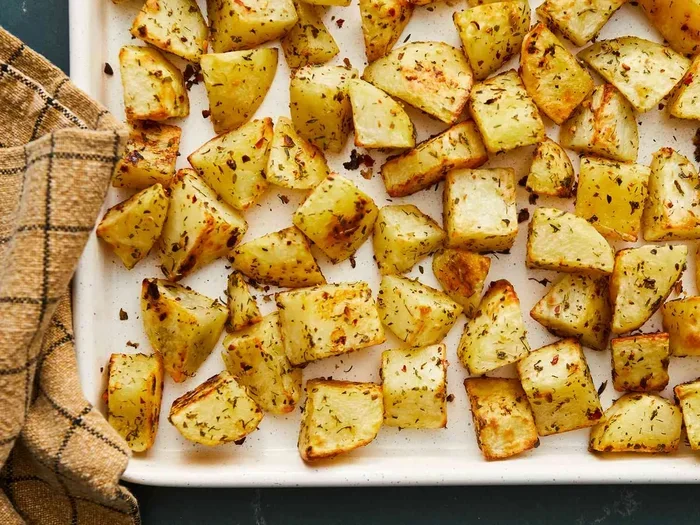
Set your convection oven to 400°F. Toss the cubes with oil and seasonings. Spread them on a parchment-lined baking sheet. Roast for 25 to 30 minutes, tossing once halfway through. The outside should be golden and crispy, while the inside stays creamy.
Recipe 3: Loaded Baked Potatoes
Whole baked potatoes in a convection oven are incredibly easy:
- 4 large russet potatoes
- Olive oil
- Coarse salt
- Butter, sour cream, cheese, and chives for topping
Preheat to 375°F. Pierce each potato a few times with a fork. Rub with olive oil and sprinkle with coarse salt. Place directly on the oven rack or on a baking sheet. Bake for 45 to 60 minutes until soft inside and crispy outside. Load them up with your favorite toppings.
Expert Tips To Take Your Convection Oven Potatoes To The Next Level
You have the basics down. Now let us share some insider tips that will make your potatoes truly exceptional. These are the kinds of tricks that restaurant kitchens use.
Tip 1: Parboil Before Roasting
Boiling your potatoes for 5 to 7 minutes before putting them in the oven is a total game-changer. This partial cooking helps the outside get crispy while ensuring the inside is fully cooked. After parboiling, drain them well and let them dry before seasoning and roasting.
Tip 2: Use A Wire Rack
Instead of placing potatoes directly on a baking sheet, use a wire rack set over a sheet pan. Air flows underneath the potatoes, giving them even crispiness on all sides. This is a small change that makes a big difference.
Tip 3: Add Salt After Cooking
Many people salt potatoes before cooking. But for the crispiest results, salt them after they come out of the oven. Salt draws out moisture, and too much salt before cooking can make the surface soggy. Season right before serving for the best crunch.
Tip 4: Double-Cook For Extra Crispy Fries
If you love convection oven fries, try the double-cook method. Cook them at 375°F for 10 minutes, then increase the temperature to 425°F and cook for another 10 to 15 minutes until golden and crispy. This gives you restaurant-quality fries at home.
Tip 5: Fresh Herbs At The End
Dried herbs go in before cooking. Fresh herbs go in after. Adding fresh rosemary, parsley, or thyme right when the potatoes come out of the oven gives them a bright, vibrant flavor that dried herbs cannot match.
Tip 6: Let Them Rest
Just like steak, potatoes benefit from resting for a few minutes after cooking. This lets the steam redistribute inside, giving you a better texture. Transfer them to a serving bowl and let them sit for 3 to 5 minutes before serving.
Convection Oven Vs Regular Oven: Which Is Better For Potatoes?
You might be wondering if a convection oven really makes a difference compared to a regular oven. The short answer is yes — and here is why.
A regular oven uses heating elements at the top and bottom to create heat. The air inside stays relatively still. This means some areas get hotter than others, and cooking takes longer.
A convection oven adds a fan that constantly moves the hot air around the food. This creates several advantages for potato cooking:
- Faster cook times: Up to 25% quicker than a regular oven.
- More even cooking: No more rotating pans halfway through.
- Crispier results: Moving air removes surface moisture more effectively.
- Better browning: The surface dries out faster, promoting the Maillard reaction that creates golden color and rich flavor.
When you compare how to cook potatoes in a convection oven versus a regular oven, the convection method wins for texture and efficiency. The only time a regular oven might be better is for very moist potato dishes, like a gratin, where you want some steam to stay trapped.
Frequently Asked Questions
What Is The Best Temperature To Cook Potatoes In A Convection Oven?
The best temperature depends on what type of potato dish you are making. For whole baked potatoes, 375°F to 400°F works great. For wedges, cubes, and fries, 400°F to 425°F is ideal. The convection setting naturally cooks faster, so you can reduce the temperature by about 25°F compared to a regular oven recipe.
Do I Need To Wrap Potatoes In Foil When Using A Convection Oven?
No, you do not need foil. In fact, skipping the foil gives you crispier skin because the hot air circulates freely around the potato. Foil traps steam and creates a steamed rather than roasted texture. Unless you prefer soft, steamed potatoes, leave the foil off.
How Long Does It Take To Roast Potatoes In A Convection Oven?
Cooking time varies based on the size and type of potato pieces. Small wedges and cubes take about 20 to 30 minutes at 400°F to 425°F. Whole baked potatoes take 45 to 60 minutes at 375°F to 400°F. Always check for doneness by piercing with a fork.
Can I Cook Frozen Potatoes In A Convection Oven?
Yes, you absolutely can. Frozen potato products like fries, wedges, and hash browns work great in a convection oven. Follow the package instructions but reduce the temperature by 25°F and check a few minutes early. The convection fan helps frozen items cook more evenly and get crispier than a regular oven.
Why Are My Convection Oven Potatoes Soggy Instead Of Crispy?
The most common reason is overcrowding the pan. When potatoes are too close together, steam gets trapped and prevents crispiness. Other reasons include not drying the potatoes after washing, using too much oil, or not preheating the oven. Make sure your potatoes are in a single layer with space between each piece.
Can I Cook Different Types Of Potatoes Together In The Convection Oven?
You can, but keep in mind that different potatoes have different cooking times. Russet potatoes take longer than red potatoes or fingerlings. If you mix them, cut them into similar sizes so they cook at the same rate. Or cook each type separately for the best results.
Conclusion
How to cook potatoes in a convection oven is a simple skill that delivers incredible results every time. With the right potato selection, proper prep, correct temperature, and a few expert tricks, you can make restaurant-quality potatoes in your own kitchen. From crispy garlic herb wedges to fluffy baked potatoes loaded with toppings, the convection oven makes it all possible.
Remember the key points we covered. Choose the right potato variety for your dish. Prep them carefully by washing, drying, and cutting evenly. Season generously and do not overcrowd the pan. Use the right temperature and timing for each type of potato. And avoid the common mistakes that can ruin an otherwise perfect batch.
The beauty of convection oven potatoes is that once you master the basics, the possibilities are endless. Experiment with different seasonings, try new recipes, and make the dish your own. Your convection oven is a powerful tool — and now you know exactly how to use it to make the best potatoes you have ever tasted.
So go ahead. Preheat that oven, grab some fresh potatoes, and get cooking. You will be amazed at what a convection oven can do. Happy cooking!