Are Gas Ovens Supposed To Smell When You First Turn Them On
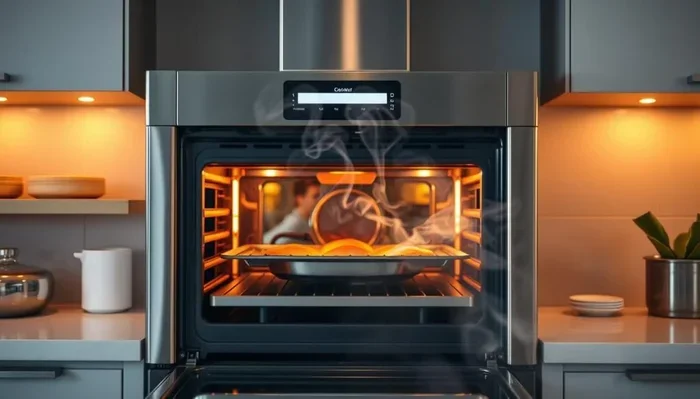
Yes, a gas oven is supposed to smell a little when you first turn it on. That gas oven odor is usually completely normal and nothing to worry about. Most of the time, the smell comes from the burning off of factory oils or the odorant additive in the gas itself. However, some smells can signal a real problem that needs quick attention. In this guide, we will walk you through what is normal, what is not, and exactly what to do about it.
You just got a new gas oven, or maybe you have had one for a while. Either way, you turn the knob, wait for it to heat up, and then you smell it. A distinct, sometimes surprising odor fills your kitchen. Your first thought? “Are gas ovens supposed to smell like this?”
The short answer is yes. In most cases, a gas oven smell when you first turn it on is perfectly normal. But not all smells are created equal. Some are harmless and temporary. Others can point to a serious safety issue that needs immediate action.
This article will help you understand exactly why your oven smells, what is normal, and when you should be concerned. We will cover everything from the science behind the odor to practical steps you can take right now. Let us get into it.
Key Takeaways
- A slight smell on first use is normal: Gas ovens often emit an odor when first turned on due to factory residue and added odorants.
- Know the difference between normal and dangerous smells: Rotten egg or sulfur smells can indicate a gas leak, while a mild burnt smell is usually harmless.
- Burn-off is a real process: Running your oven at high heat for a set period helps eliminate new gas oven smell safely.
- Ventilation matters a lot: Always open windows and turn on fans when using a gas oven for the first time.
- Regular maintenance prevents problems: Cleaning your oven and checking burners regularly reduces unwanted odors.
- Know when to call a pro: Persistent smells, hissing sounds, or physical symptoms mean you should seek professional help immediately.
📑 Table of Contents
- Why Does a Gas Oven Smell When You First Turn It On?
- Normal vs. Warning Smells: How to Tell the Difference
- Common Causes of Gas Oven Odors
- How to Safely Burn Off a New Gas Oven Smell
- Gas Oven Safety Tips Every Homeowner Should Know
- When Should You Call a Professional?
- Gas Oven vs. Electric Oven: Smell Comparison
- Conclusion
Why Does a Gas Oven Smell When You First Turn It On?
Understanding why your oven smells is the first step to knowing whether it is normal or not. The answer is simpler than you might think. Several natural factors come into play every time you fire up a gas oven.
The Role of Odorant Additives in Natural Gas
Natural gas itself is odorless. That might sound surprising. In its pure form, gas has no smell at all. So how do you know there is a leak? The answer is simple. Gas companies add a chemical called mercaptan to the gas supply. This chemical gives gas its famous rotten egg smell.
The purpose of this additive is safety. Without it, gas leaks would be nearly impossible to detect. So when you smell something when you turn on your oven, it is often just the mercaptan doing its job. A small amount of this smell during the initial burn is completely expected.
Factory Residue and Manufacturing Oils
Every new gas oven comes out of the factory with traces of oils, dust, and manufacturing residue. These materials coat the inside of the oven, the burners, and the exhaust system. When you first heat the oven, these residues burn off. This process is called off-gassing.
The smell from off-gassing can be sharp or chemical-like. It is not pleasant, but it is not dangerous either. Most manufacturers recommend running the oven at a high temperature for a period before cooking food in it. This burns off the residue and clears the air.
Dust and Debris in the Burner System
Even if your oven is not brand new, dust and debris can collect around the burner holes and ignition system. When the gas ignites, this dust burns and creates a smell. This is especially common if the oven has been sitting unused for a while.
A quick cleaning of the burner area can often fix this. Simply remove the grates and caps, and wipe away any visible dust. Be gentle and do not block any holes.
Normal vs. Warning Smells: How to Tell the Difference
Not all oven smells are the same. Some are completely fine, while others are red flags. Knowing the difference can keep you and your family safe. Let us break it down.
Smells That Are Completely Normal
Here are the types of smells you can expect and should not worry about:
- A mild sulfur or rotten egg smell during the first few uses. This is the odorant and is normal.
- A slight burning or smoky smell when you first turn on a new oven. This is factory residue burning off.
- A faint gas smell right when you ignite the burner. This usually fades within a few seconds.
- A dusty or musty smell after the oven has been sitting unused for weeks.
All of these smells should go away quickly. They are a normal part of owning and using a gas oven. If the smell lingers for more than a few minutes, that is when you should start paying closer attention.
Smells That Signal a Problem
Some odors should never be ignored. Here is what to watch out for:
- A strong, persistent rotten egg smell that does not go away after the oven is on. This could mean a gas leak.
- A smell of gas when the oven is off. If you can smell gas in the kitchen and the oven is not running, that is a serious warning sign.
- A chemical or plastic burning smell that gets stronger over time. This could mean a part inside the oven is melting or damaged.
- A smell accompanied by a hissing sound. This is a classic sign of a gas leak and requires immediate action.
If you notice any of these warning smells, stop using the oven right away. Open windows, leave the room, and call your gas provider or emergency services if needed. Do not try to fix a gas leak on your own.
Common Causes of Gas Oven Odors
Let us look at the most common reasons your gas oven might smell. Understanding the root cause helps you decide what to do next.
First-Time Use and Initial Burn-Off
The most common cause of oven smell is the very first time you use it. New ovens have oils and residues from manufacturing. When you heat the oven for the first time, these materials burn off and create an odor. This is completely normal and expected.
Most manufacturers suggest running the oven at around 400 to 450 degrees Fahrenheit for about 30 minutes. This burns off the residue and prepares the oven for cooking. You should ventilate the room during this process by opening windows and turning on a fan.
Gas Leak or Loose Connections
A gas leak is the most dangerous cause of oven odor. It happens when gas lines or connections are not properly sealed. Even a small leak can produce a noticeable smell.
Here is how to check for loose connections safely:
- Turn off the oven and let it cool completely.
- Check the gas line connections at the back of the oven.
- Look for any visible damage, corrosion, or loose fittings.
- Use a soapy water solution and brush it on the connections. Bubbles forming indicate a leak.
If you find a leak, do not use the oven. Contact a licensed technician or your gas company immediately.
Clogged or Dirty Burners
Over time, food spills, grease, and grime can build up around the burner holes. This buildup restricts gas flow and causes uneven ignition. The result is often a gas smell or a clicking sound that does not lead to ignition right away.
Regular cleaning of the burners can prevent this issue. Simply remove the burner caps and caps, soak them in warm soapy water, and scrub away any buildup. Make sure all holes are clear before replacing the parts.
Improper Ventilation
Gas ovens need proper ventilation to work safely and efficiently. If your kitchen lacks adequate airflow, gas fumes can build up and create a strong smell. This is especially true during long cooking sessions or when using the self-clean cycle.
Always use your range hood when cooking with a gas oven. If you do not have a range hood, open a window and use a portable fan to keep air moving.
How to Safely Burn Off a New Gas Oven Smell
If you just got a new oven or notice a smell during initial use, you can take steps to clear it out safely. The process is simple and straightforward.
- Remove all packaging and stickers. Check inside the oven, on the racks, and around the door. Any plastic or tape left behind will melt and create a terrible smell.
- Clean the interior with a damp cloth. Wipe down the walls, floor, and ceiling of the oven to remove any dust or debris from shipping.
- Set the oven to a high temperature. Around 400 to 450 degrees Fahrenheit works well.
- Leave the oven running for 30 to 45 minutes. Keep the kitchen well ventilated during this time.
- Let the oven cool completely. Then wipe it down again with a clean damp cloth.
- Repeat if needed. Some ovens need two burn-off cycles to fully eliminate the smell.
After the burn-off process, your oven should be ready for cooking. The smell should be gone or greatly reduced. If it persists, check for other causes like clogged burners or ventilation issues.
Quick Tips for a Smell-Free Oven
Here are some quick tips to keep your oven smelling fresh and working well:
- Always ventilate your kitchen when using the oven for the first few times.
- Place a box of baking soda inside the oven overnight to absorb lingering odors.
- Clean up spills immediately to prevent burnt-on food from creating smells.
- Run the self-clean cycle periodically, but ventilate the room well during it.
- Replace the oven seal if it looks worn or damaged. A bad seal can let odors escape into the kitchen.
Gas Oven Safety Tips Every Homeowner Should Know
Using a gas oven safely is just as important as understanding why it smells. Gas appliances are generally very safe when used correctly. But they do require some basic precautions.
Install a Gas Detector
A gas leak detector is one of the best investments you can make for your home. These devices alert you to the presence of gas in the air before the smell becomes overwhelming. Place the detector near your oven and on each floor of your home.
Gas detectors are affordable and easy to install. Many models plug directly into a wall outlet and run on batteries as a backup. This simple device adds a powerful layer of safety for your household.
Know the Signs of Carbon Monoxide
Gas ovens produce carbon monoxide as a byproduct of combustion. In small, well-ventilated kitchens, this is not usually a problem. But in poorly ventilated spaces, carbon monoxide can build up to dangerous levels.
Symptoms of carbon monoxide exposure include:
- Headaches
- Dizziness
- Nausea
- Confusion
- Fatigue
If you experience any of these symptoms while using your oven, turn it off immediately, leave the room, and seek fresh air. Call emergency services if symptoms persist.
Never Use Your Oven for Heating
It might be tempting to use your gas oven to heat your kitchen on a cold day. Please do not do this. Ovens are designed for cooking, not heating. Using an oven for space heating can lead to carbon monoxide buildup and is a serious fire risk.
If you need extra heat, use a dedicated space heater designed for that purpose. Always follow the manufacturer’s safety guidelines.
When Should You Call a Professional?
There are times when a gas oven smell goes beyond what you can handle on your own. Knowing when to call a professional can save you from a dangerous situation.
Persistent Smells After Burn-Off
If you have completed the burn-off process and the smell still does not go away, it is time to call in an expert. A persistent odor could indicate a problem with the gas valve, burner assembly, or internal components that need professional inspection.
Suspected Gas Leak
If you smell a strong, persistent rotten egg odor, especially if it is accompanied by a hissing sound or physical symptoms like dizziness or nausea, do not wait. Leave the area immediately and call your gas company or emergency services.
Do not use any electrical switches, lighters, or appliances in the area. A spark could ignite the gas. Open windows on your way out if it is safe to do so.
Unusual Sounds or Visual Signs
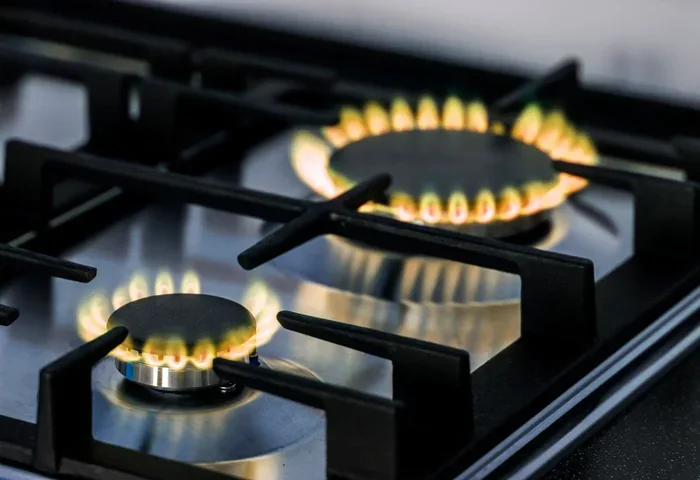
Yellow or orange flames instead of blue ones can indicate a problem with gas flow or combustion. A healthy gas oven flame should be blue. If you see yellow or orange flames, or if the burner makes unusual clicking or popping sounds, have a technician take a look.
These signs can point to incomplete combustion, which can produce more carbon monoxide and create a less efficient oven. Addressing the issue early can prevent bigger problems down the road.
Gas Oven vs. Electric Oven: Smell Comparison
It helps to compare gas ovens with electric ovens when talking about smells. This gives you a clearer picture of what to expect from each type.
| Feature | Gas Oven | Electric Oven |
|---|---|---|
| Initial smell on first use | Common due to odorant and factory residue | Less common; may have slight plastic or insulation smell |
| Odorant additive in fuel | Yes (mercaptan added for safety) | No (uses electricity, no gas involved) |
| Burn-off period needed | Yes, recommended for 30 to 45 minutes | Sometimes, but usually shorter |
| Risk of gas smell during use | Low, but possible if there is a leak | None (no gas involved) |
| Carbon monoxide risk | Yes, if not ventilated properly | No |
| Overall safety concern level | Moderate (requires gas safety awareness) | Low (no combustible fuel) |
As you can see, gas ovens do come with some unique considerations when it comes to smell. But with proper care and attention, those concerns are easy to manage. Electric ovens are simpler in this regard, but they have their own limitations when it comes to cooking performance.
Many home cooks prefer gas ovens because of the moisture they add to food and the precise temperature control they offer. The slight smell during initial use is a small trade-off for many people. Just make sure you follow the safety steps outlined in this guide.
Conclusion
So, are gas ovens supposed to smell? The answer is yes, at least to a degree. A mild smell when you first turn on a gas oven is normal and expected. It comes from the odorant additive in the gas, factory residue burning off, and dust in the burner system. These smells usually go away after a short burn-off period and proper ventilation.
However, you should always stay alert. A strong, persistent smell, especially one that resembles rotten eggs and does not go away, could signal a gas leak. In that case, you must act quickly and seek help immediately. Trust your instincts. If something does not feel right, it probably is not.
By following the tips in this guide, you can use your gas oven with confidence. Keep it clean, ventilate your kitchen, and know the warning signs. A little knowledge goes a long way in keeping your home safe and your food tasting great. Now go ahead and enjoy your gas oven with peace of mind.
Frequently Asked Questions
Why does my gas oven smell like gas when I first turn it on?
A slight gas smell when you first turn on your oven is normal. This is usually due to the odorant additive called mercaptan that gas companies add to natural gas for safety. The smell should fade within a few minutes as the gas ignites and burns. If the smell persists or gets stronger, that could indicate a leak and you should take action immediately.
How long should a new gas oven smell last?
A new gas oven smell typically lasts for the first few uses. Most manufacturers recommend a burn-off period of 30 to 45 minutes at a high temperature. During this time, you may notice a burning or chemical smell as factory oils and residue burn off. After one or two burn-off cycles, the smell should be significantly reduced or gone entirely.
Is it safe to use a gas oven that smells a little?
Yes, a mild smell during the first few uses is generally safe. However, you should always ventilate your kitchen by opening windows and turning on a fan. If the smell is strong, does not go away, or is accompanied by symptoms like headaches or dizziness, stop using the oven and contact a professional right away.
Can a gas oven smell cause health problems?
A mild odor from a gas oven is usually not harmful. However, prolonged exposure to gas fumes in a poorly ventilated space can cause headaches, nausea, and dizziness. In extreme cases, it can lead to carbon monoxide poisoning. Always ensure your kitchen has good airflow when using a gas oven, and install a carbon monoxide detector for added safety.
How can I get rid of the gas smell in my oven?
The best way to remove a gas smell is to run a burn-off cycle. Set your oven to 400 to 450 degrees Fahrenheit and let it run for 30 to 45 minutes with the kitchen well ventilated. You can also place a box of baking soda inside the oven overnight to absorb lingering odors. Regular cleaning of the burners and interior also helps prevent buildup that causes smells.
What should I do if I smell gas and my oven is off?
If you smell gas when your oven is not in use, this is a serious warning sign. Do not use any electrical appliances or switches in the area. Open windows to ventilate, leave the room, and call your gas company or emergency services immediately. Do not try to locate the leak yourself. A professional should handle all gas leak inspections and repairs.