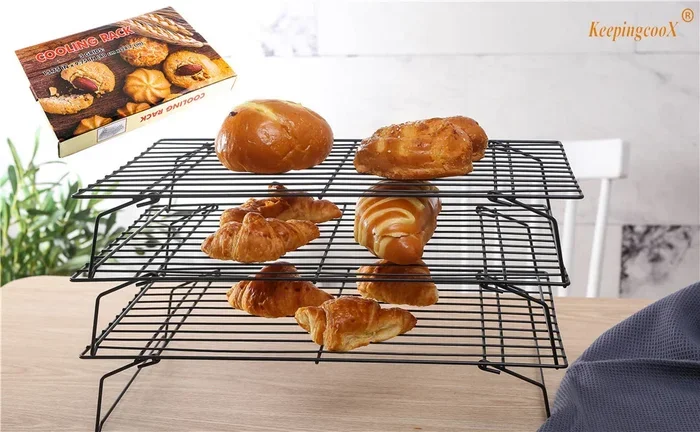
Can Coated Cooling Racks Go In The Oven Without Melting
Yes, some coated cooling racks can go in the oven, but it depends entirely on the type of coating and the temperature. Silicone-coated and porcelain-coated racks are generally oven safe up to certain limits, while non-stick and Teflon coatings can release harmful fumes or melt at high heat. Always check the manufacturer’s label before placing any coated rack inside a hot oven.
You just pulled a batch of cookies off the baking sheet, and now you need a place to cool them down. Your cooling rack sits right next to the oven, and a quick thought crosses your mind. Can coated cooling racks go in the oven? Maybe you want to reheat something on the rack, or perhaps you are thinking about using it as a makeshift oven liner. It is a simple question, but the answer is not as straightforward as you might think.
The truth is, not all coated cooling racks are created equal. Some can handle the heat just fine. Others will warp, melt, or even release harmful chemicals into your food. Knowing the difference can save you from a kitchen disaster. In this guide, we will break down everything you need to know about using a coated cooling rack in the oven. You will learn which types are safe, which ones to avoid, and how to protect yourself and your food.
Key Takeaways
- Not all coated cooling racks are oven safe: The coating material determines whether it can handle heat.
- Silicone-coated racks handle up to 450°F: They are among the safest options for oven use.
- Non-stick and Teflon coatings can be dangerous: They release toxic fumes when overheated.
- Check the manufacturer’s temperature rating: This is the single most important step before oven use.
- Never exceed 450°F with coated racks: Higher temperatures risk melting, warping, and releasing harmful chemicals.
- Stainless steel and chrome-coated racks are the most durable: They withstand high oven temperatures without issues.
- Using an oven thermometer helps: It ensures you stay within safe temperature limits for your rack.
📑 Table of Contents
- What Is a Coated Cooling Rack?
- Can You Put a Coated Cooling Rack in the Oven?
- What Happens When a Coated Rack Gets Too Hot?
- Which Coated Cooling Racks Are Oven Safe?
- How to Safely Use a Coated Cooling Rack in the Oven
- Common Mistakes to Avoid
- Expert Insights: What Do Kitchen Professionals Say?
- Conclusion
What Is a Coated Cooling Rack?
A cooling rack is a simple kitchen tool. It lets air flow under baked goods so they cool evenly. Most cooling racks are made from wire, usually stainless steel or chrome-plated steel. But here is where it gets interesting. Many cooling racks come with a coating. That coating changes everything about how the rack performs and what you can do with it.
Types of Coatings Used on Cooling Racks
Manufacturers use several different coatings on cooling racks. Each one has its own heat tolerance and safety profile. Let us look at the most common ones you will find in kitchens today.
- Non-stick coating: This is the most common coating. It is usually a polymer layer that prevents food from sticking. Great for cooling, but not great for high heat.
- Silicone coating: Silicone-coated racks are flexible and heat resistant. They can handle moderate oven temperatures without breaking down.
- Porcelain coating: Porcelain is a ceramic-based coating. It is durable and can handle higher temperatures than most non-stick options.
- Chrome coating: Chrome-plated racks are sleek and shiny. They are generally oven safe because the chrome layer is metal-based.
- Teflon coating: Teflon is a brand name for PTFE. It is a popular non-stick option, but it has strict heat limits.
- Enamel coating: Enamel is a glass-like coating fused to metal. It holds up well in the oven but can chip over time.
Each of these coatings behaves differently when exposed to heat. That is why understanding your specific rack matters so much. A silicone coated cooling rack will perform very differently from a Teflon coated cooling rack in the oven.
Can You Put a Coated Cooling Rack in the Oven?
The short answer is: it depends. The long answer requires a closer look at what your rack is made of and what temperature you plan to use. Let us get into the details.
Most manufacturers print guidelines right on the product or its packaging. If you still have the box or manual, check there first. Look for any mention of oven safe or a temperature rating. If there is no information, it is best to err on the side of caution and keep the rack out of the oven.
Here is the general rule of thumb. Coated cooling racks with silicone or porcelain coatings are usually safe for oven use up to about 450 degrees Fahrenheit. Chrome-coated wire racks are almost always oven safe because they do not have a polymer coating that can break down. But non-stick and Teflon-coated racks are a different story entirely.
Understanding Temperature Limits
Temperature is the make-or-break factor here. Every coating has a threshold. Go above it, and you risk damaging the rack, your food, and even your oven.
- Non-stick coatings: Most non-stick coatings start to break down above 400 to 450 degrees Fahrenheit. Beyond that point, the coating can peel, bubble, or release toxic fumes.
- Teflon (PTFE): Teflon is safe up to about 500 degrees Fahrenheit. However, at temperatures above 500, it begins to decompose and releases harmful gases. This is a serious health concern.
- Silicone coatings: Food-grade silicone is generally safe up to 450 degrees Fahrenheit. Some high-quality silicone can handle even more.
- Porcelain coatings: Porcelain-coated racks can usually handle temperatures up to 500 degrees Fahrenheit or higher. They are among the most oven-friendly options.
- Chrome and stainless steel: These are metal-based and can handle very high temperatures. They are the safest choice for oven use.
The key takeaway here is simple. Always know the temperature limit of your coated cooling rack before putting it in the oven. If you cannot find that information, do not risk it.
What Happens When a Coated Rack Gets Too Hot?
So what actually goes wrong when a coated rack overheats? It is not just about ruining the rack. There are real safety concerns you should understand.
When non-stick coatings exceed their heat limit, they begin to break down chemically. The coating can peel off and mix into your food. Nobody wants to eat flaking non-stick coating. But beyond the unpleasant taste, there are health risks. Overheated PTFE coatings release gases that can cause flu-like symptoms in humans. This condition is sometimes called “polymer fume fever.” In rare cases, especially with birds, the fumes can be fatal.
Melting is another concern. A coating that melts can stick to your food and your oven surfaces. Cleaning melted coating out of an oven is a frustrating and time-consuming job. It can also damage the heating elements inside your oven over time.
Warping is a less obvious but equally problematic issue. When a coated rack heats unevenly, the wire can bend and twist. A warped rack will not sit flat on your baking sheet or oven rack. This means your food will cool unevenly or cook unevenly if you are using it inside the oven.
Even if the rack looks fine on the outside, the coating could be degrading on a microscopic level. You might not see the damage, but it is there. This is why following the recommended temperature limits is so important.
Which Coated Cooling Racks Are Oven Safe?
Not all hope is lost if you want to use a coated rack in the oven. Several types of coated racks are perfectly safe for this purpose. Let us walk through the best options.
Silicone-Coated Cooling Racks
Silicone-coated racks are among the most versatile tools in the kitchen. They work beautifully as cooling racks, and they can handle oven temperatures up to about 450 degrees Fahrenheit. The silicone coating is flexible, durable, and does not release harmful fumes at normal cooking temperatures. If you want a rack that can go from the counter to the oven, silicone is your best bet.
Porcelain-Coated Cooling Racks
Porcelain-coated racks are another excellent choice. Porcelain is essentially glass fused to metal at high temperatures. This makes it incredibly heat resistant. A porcelain-coated wire cooling rack can go straight into a hot oven without any issues. The coating does not peel or release harmful substances. These racks are also easy to clean and tend to last a long time.
Chrome-Plated and Stainless Steel Racks
If you want maximum durability and safety, go with a chrome-plated or stainless steel rack. These racks have no polymer coating that can break down. The metal itself handles high oven temperatures with ease. A stainless steel cooling rack is the gold standard for oven-safe cooling. It will not warp, melt, or release any chemicals. The only downside is that food may stick more than it would on a non-stick surface.
| Coating Type | Oven Safe? | Max Temperature | Risk Level |
|---|---|---|---|
| Silicone | Yes | 450°F | Low |
| Porcelain | Yes | 500°F+ | Low |
| Chrome | Yes | Very High | Very Low |
| Stainless Steel | Yes | Very High | Very Low |
| Non-Stick | Sometimes | 400-450°F | Medium |
| Teflon | Risky | 500°F | High |
| Enamel | Yes | 450-500°F | Low-Medium |
This comparison table should help you quickly identify which type of coated rack is best for oven use. Remember, these are general guidelines. Always double-check the specific product instructions from the manufacturer.
How to Safely Use a Coated Cooling Rack in the Oven
If you have decided that your coated rack is oven safe, there are still some best practices to follow. These tips will help you get the most out of your rack while keeping your kitchen safe.
- Check the temperature rating first. Before preheating your oven, confirm that your rack can handle the temperature you plan to use. This is the single most important step.
- Place the rack on a baking sheet. Do not put a coated cooling rack directly on the oven rack. Placing it on a baking sheet adds stability and prevents the rack from touching the oven walls or heating elements.
- Avoid sudden temperature changes. Do not place a cold coated rack into a hot oven. The thermal shock can cause warping or cracking of the coating. Let the rack come up to temperature gradually.
- Do not leave the rack unattended. Even oven-safe racks can shift or slide. Keep an eye on it, especially during the first few uses.
- Use oven mitts when handling. A coated rack in the oven will get hot. Always use proper protection when removing it.
- Clean the rack after each oven use. Residue from the coating can build up over time. Cleaning it promptly helps maintain its integrity and extends its lifespan.
One of the best investments you can make is an oven thermometer. Many ovens run hotter or cooler than their settings suggest. An oven thermometer takes the guesswork out of the equation and helps you stay within safe temperature ranges for your coated rack.
Quick Tips for Oven-Safe Rack Use
- Place the rack in the oven before it preheats to avoid thermal shock.
- Use parchment paper under the rack if you are worried about drips.
- Never use a coated rack with a damaged or peeling surface in the oven.
- Store your rack in a cool, dry place to prevent coating degradation.
- Replace the rack if you notice any flaking, bubbling, or discoloration of the coating.
Common Mistakes to Avoid
Even the best intentions can lead to mistakes in the kitchen. Here are some common errors people make when using coated cooling racks in the oven.
- Assuming all racks are oven safe: Just because a rack is labeled “cooling rack” does not mean it can handle oven heat. Always verify.
- Ignoring the temperature limit: It is tempting to crank up the heat. Resist that urge. Going over the temperature limit can destroy the coating and release harmful fumes.
- Using a damaged rack: If the coating is already peeling or flaking, do not put it in the oven. The damaged coating will only get worse with heat.
- Using the rack as an oven liner: Some people place a cooling rack on the bottom of the oven to catch drips. This can block airflow and cause uneven heating. It can also damage the rack if it touches the heating element directly.
- Leaving the rack in the oven after cooking: Leaving a coated rack in a turned-off but still hot oven can cause the coating to overheat slowly. Remove it when you are done.
These mistakes are easy to make, especially when you are busy cooking. But they can lead to ruined racks, damaged ovens, and even health risks. Taking a few extra minutes to check your equipment can save you a lot of trouble down the road.
Expert Insights: What Do Kitchen Professionals Say?
Professional chefs and kitchen experts have strong opinions about using cooling racks in the oven. Most agree on a few key points that every home cook should know.
First, they recommend using a stainless steel cooling rack whenever possible for oven use. It is the most reliable and safest option. Second, they always stress reading the manufacturer’s guidelines. Even racks that look similar can have different heat tolerances based on their specific coatings. Third, they advise against using any coated rack for broiling. The direct, intense heat from the broiler element can quickly exceed safe temperature limits and damage the coating.
Many professionals also suggest keeping dedicated racks for oven use and separate racks for cooling only. This prevents confusion and ensures that the oven-safe rack stays in good condition for longer.
Key Takeaways
- Silicone and porcelain coated racks are the safest options for oven use among coated racks.
- Chrome and stainless steel racks are the most durable and can handle the highest temperatures.
- Non-stick and Teflon coatings require caution and should never be used above their recommended temperature.
- Always follow the manufacturer’s guidelines for temperature limits and usage instructions.
- Inspect your rack regularly for signs of coating damage, especially if you use it in the oven frequently.
Conclusion
So, can coated cooling racks go in the oven? The answer is a qualified yes. It all comes down to the type of coating and the temperature you are working with. Silicone-coated, porcelain-coated, chrome-plated, and stainless steel cooling racks are all generally safe for oven use within their recommended temperature limits. Non-stick and Teflon-coated racks require more caution and should never be used at very high temperatures.
Understanding your equipment is the foundation of safe and effective cooking. When you know what your coated cooling rack can handle, you can use it with confidence. You will avoid the risks of melting, warping, and chemical release. You will also get better results from your cooking and baking.
The next time you find yourself wondering whether your coated cooling rack is oven safe, take a moment to check the coating type and temperature rating. It is a small step that makes a big difference. Your food will taste better, your oven will stay in good shape, and your kitchen will be a safer place for everyone.
Remember, the kitchen is a place of creativity and experimentation. But safety should always come first. Use the right tools for the right jobs, and you will enjoy many years of delicious, worry-free cooking with your coated cooling rack.
Frequently Asked Questions
Can I put a non-stick coated cooling rack in the oven?
It depends on the temperature. Most non-stick coatings are safe up to about 400 to 450 degrees Fahrenheit. Above that, the coating can break down and release harmful fumes. Always check the manufacturer’s guidelines before putting a non-stick cooling rack in the oven.
What temperature can a silicone coated cooling rack handle?
Most silicone-coated cooling racks are safe for oven use up to 450 degrees Fahrenheit. Some high-quality food-grade silicone can handle even higher temperatures. Always verify the specific temperature rating on the product packaging or manufacturer’s instructions.
Is it safe to use a Teflon coated cooling rack in the oven?
Teflon (PTFE) is safe up to about 500 degrees Fahrenheit, but it starts releasing toxic fumes above that temperature. For most home cooking, this is not an issue, but it is best to avoid using Teflon-coated racks at very high temperatures or under the broiler.
Can I use a porcelain coated cooling rack as an oven liner?
While porcelain-coated racks are oven safe, they are not ideal as oven liners. They can block airflow and cause uneven heating. If you want to catch drips, use a dedicated oven liner or parchment paper instead of a cooling rack.
How do I know if my cooling rack is oven safe?
Check the product packaging, manual, or the manufacturer’s website for temperature ratings. Look for labels that say “oven safe” or “heat resistant.” If you cannot find any information, it is safest to assume the rack is not designed for oven use.
What should I do if my coated cooling rack starts peeling in the oven?
Stop using the rack immediately if you notice any peeling, flaking, or bubbling of the coating. Damaged coatings can release harmful substances into your food. Replace the rack with a new one to ensure your cooking remains safe and healthy.