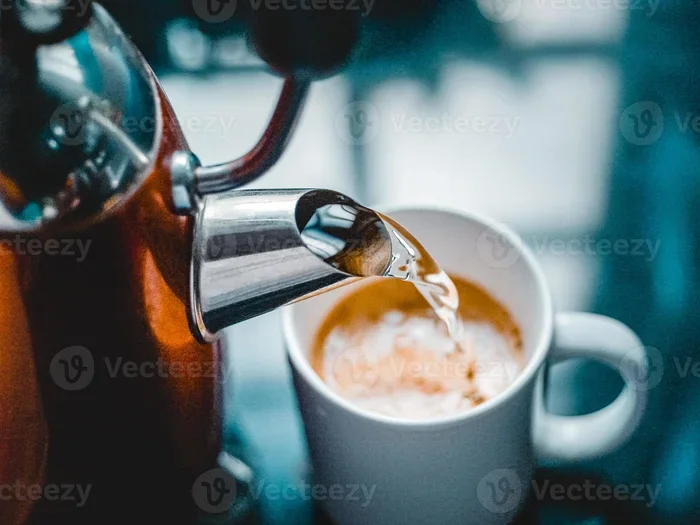
Does Boiling Water Really Make Your Coffee Taste Bitter
Yes, boiling water can make your coffee taste bitter. When water reaches a full rolling boil, it becomes too hot for proper coffee extraction and scorches the grounds, pulling out harsh, unpleasant compounds. The ideal brewing temperature sits between 195°F and 205°F. Using water that is too hot leads to over-extraction, which strips away sweetness and leaves a sharp, bitter taste. Keep reading to learn the science behind this, how to fix it, and simple tips for a smoother cup.
This is a comprehensive guide about Does Boiling Water Make Coffee Bitter.
Key Takeaways
- Boiling water extracts too much: Water at 212°F pulls out bitter compounds that ruin the taste.
- Ideal temperature is 195°F to 205°F: This range extracts the good flavors without the harsh ones.
- Over-extraction causes bitterness: Brewing too long or too hot creates an unpleasant, sharp flavor.
- Let boiling water rest for 30 seconds: This simple trick brings it to the right brewing range.
- Grind size matters too: Finer grinds extract faster and can worsen bitterness with hot water.
- Different methods need different temperatures: Espresso, drip, and French press all have unique ideal ranges.
- Fresh beans help: Freshly roasted coffee is more forgiving with slight temperature variations.
[FEATURED_IMAGE_PLACEHOLDER]
Does Boiling Water Really Make Your Coffee Taste Bitter
You wake up, fill the kettle, and wait for that satisfying boil. But then a thought hits you: does boiling water make coffee bitter? Maybe you have heard this from a coffee lover or read it somewhere online. The short answer is yes. But the full story is more interesting than you might think.
Coffee brewing is really a science of balance. Water temperature plays a huge role in what ends up in your cup. Too hot, and you pull out harsh flavors. Too cool, and your coffee tastes weak and sour. Understanding this balance can change the way you brew forever. Let us dig into what actually happens when boiling water meets your coffee grounds.
Whether you use a drip coffee maker, a French press, or a simple pour-over setup, the temperature of your water matters. Many people assume hotter is better. They think boiling water extracts the most flavor. But that is not how it works. In fact, boiling water often ruins coffee instead of improving it. This guide will walk you through the science, the solutions, and the simple changes you can make today.
The Science Behind Coffee Extraction
Coffee brewing is all about extraction. Hot water dissolves compounds from the coffee grounds. These compounds create the flavor, aroma, and body of your cup. But not all compounds taste good. Some bring sweetness. Some bring acidity. And some bring bitterness. The temperature of your water decides which compounds come out and how much of them ends up in the brew.
What Happens During Extraction
When hot water touches coffee grounds, it begins dissolving soluble compounds right away. The first compounds to extract are the bright, acidic ones. Then come the sweet and fruity notes. Finally, the bitter and woody compounds release. This is why extraction time and temperature matter so much.
Think of it like steeping tea. A short steep gives you a light, pleasant flavor. A long steep gives you something harsh and astringent. Coffee works the same way, but temperature speeds up the process. Boiling water extracts everything faster, including the bitter stuff you do not want.
Over-Extraction vs. Under-Extraction
Over-extraction happens when too many compounds dissolve into the water. This creates a bitter, harsh taste. Under-extraction happens when not enough compounds dissolve. This creates a sour, weak taste. The sweet spot is balanced extraction, where the good flavors shine without the bad ones taking over.
Boiling water almost always leads to over-extraction. It pulls out excessive bitter compounds and strips away the pleasant sweetness. This is the main reason people ask, does boiling water make coffee bitter. The answer is a clear yes, and here is why.
| Extraction Type | Cause | Taste Profile | Fix |
|---|---|---|---|
| Over-Extraction | Too hot water or too long brew time | Bitter, harsh, hollow | Lower temperature, shorten brew time |
| Under-Extraction | Too cool water or too short brew time | Sour, weak, thin | Increase temperature, extend brew time |
| Balanced Extraction | Right temperature and time | Sweet, smooth, complex | Keep it consistent |
Why Boiling Water Damages Your Coffee
Most people assume that hotter water equals better coffee. That is a common mistake. Boiling water sits at 212°F (100°C). Coffee experts agree that this is simply too hot. The ideal brewing temperature falls between 195°F and 205°F. That is 10 to 17 degrees below a full boil.
When you pour boiling water directly onto coffee grounds, several bad things happen. The extreme heat breaks down delicate flavor compounds. It also pulls out excessive chlorogenic acids, which are a major source of bitterness. The result is a cup that tastes burnt, sharp, and unpleasant.
The Burn Effect on Coffee Grounds
Think about what boiling water does to food. It scorches things. It chars edges. The same thing happens to your coffee grounds. The outer layer of each ground gets over-extracted almost instantly, while the inside may still be under-extracted. This uneven extraction creates a confusing mix of bitter and sour flavors in the same cup.
This is similar to how roasting the best turkey in the oven requires careful temperature control. Too high a heat burns the outside while leaving the inside dry. Coffee brewing works on the same principle. You want even, gentle heat that brings out the best in every ground.
How Temperature Affects Flavor Compounds
Different flavor compounds dissolve at different temperatures. Some compounds come out at lower heat. Others need more warmth. Boiling water releases all of them at once, including the bitter ones you want to avoid. Here is a simple breakdown:
- 195°F to 200°F: Sweet and fruity compounds release well. Acidity stays balanced. This is the sweet spot.
- 200°F to 205°F: Still good for most brewing methods. You get full flavor without excessive bitterness.
- 205°F to 212°F: Bitter compounds dominate. Sweetness disappears. The cup tastes harsh and flat.
- Above 212°F: Not possible with water at sea level, but any extra heat makes things worse.
So the next time you wonder does boiling water make coffee bitter, remember this breakdown. The hotter you go above 205°F, the more bitterness you invite into your cup.
What Is the Ideal Water Temperature for Brewing Coffee
The ideal coffee brewing temperature is one of the most important factors you can control. Most coffee experts and organizations, including the Specialty Coffee Association, recommend a range of 195°F to 205°F. This range allows for balanced extraction without pulling out too many bitter compounds.
But here is the good news. You do not need a fancy thermometer to get it right. There are simple tricks that work just as well. Let us look at the best methods for controlling your water temperature.
Method 1: The Resting Trick
The easiest way to cool boiling water is to simply wait. After your kettle reaches a full boil, let it sit for 30 to 45 seconds. This brings the temperature down to the ideal brewing range. It takes no extra equipment and works every time.
Some coffee lovers call this the “resting method.” It is simple, effective, and free. Just set a timer and pour when the time is up. You will notice an immediate difference in taste.
Method 2: Use a Gooseneck Kettle with Temperature Control
If you want more precision, consider a gooseneck kettle with a built-in thermometer and temperature control. These kettles let you set the exact temperature you want. You can dial in 200°F or 195°F and the kettle will heat to that exact point.
These kettles are popular among home baristas for a reason. They give you complete control over the brewing process. And they make it easy to experiment with different temperatures to find your perfect cup.
Method 3: The Mix-and-Match Approach
Another simple trick is to mix boiling water with a small amount of cooler water. For example, pour 80 percent boiling water and 20 percent room-temperature water into your kettle before brewing. This brings the overall temperature down to a safe range without much effort.
This method works great if you do not have a thermometer or a temperature-controlled kettle. It is a quick fix that anyone can use right away.
How Different Brewing Methods Affect Bitterness
Not all coffee brewing methods are the same. Some are more forgiving with high water temperatures. Others are very sensitive. Understanding how each method works helps you avoid bitter coffee, no matter what equipment you use.
Drip Coffee Makers
Drip coffee makers heat water internally and spray it over the grounds. Many machines do not let you control the temperature. Some cheap models boil the water and then deliver it at full heat. This can cause very bitter coffee, especially if the machine is old or poorly designed.
If your drip coffee maker tastes bitter, the water temperature might be the problem. Consider using filtered water and cleaning your machine regularly. You can also try pre-heating your carafe to keep the coffee warm without overcooking it.
French Press
A French press requires you to pour hot water directly onto the grounds. This gives you full control over temperature. The problem is that many people pour boiling water and forget about it. The coffee steeps for four minutes or more, and the high heat extracts way too much bitterness.
For French press coffee, let your boiling water rest for one minute before pouring. Use a coarser grind size. And do not steep longer than four minutes. These small changes make a big difference in taste.
Pour-Over Coffee
Pour-over brewing gives you the most control over water temperature and flow. You pour water slowly and evenly over the grounds. This method rewards patience and attention to detail. The ideal pour-over temperature is around 200°F.
Because pour-over coffee has a shorter contact time with water, you have a little more flexibility with temperature. But going above 205°F still risks bitterness. Keep your water in the recommended range for the best results.
Espresso Machines
Espresso machines use high pressure to force water through finely ground coffee. The water temperature in espresso machines is usually pre-set by the manufacturer. Most machines run between 195°F and 205°F, which is ideal.
If your espresso tastes bitter, the problem might not be the water temperature alone. It could be the grind size, the tamp pressure, or the brew time. But starting with the right water temperature gives you a solid foundation for a great shot.
Other Factors That Contribute to Bitter Coffee
Water temperature is not the only thing that causes bitter coffee. Several other factors play a role. Understanding these helps you troubleshoot your brew and find the right balance. Let us look at the most common culprits.
Grind Size
Finer grinds have more surface area exposed to water. This means they extract faster and more completely. If you use a fine grind with boiling water, you are doubling down on bitterness. The water extracts too much, too fast, and the result is a harsh cup.
For hot brewing methods, use a medium grind. This gives you a balanced extraction without overdoing it. Save fine grinds for espresso, where the short brew time offsets the high surface area.
Brew Time
The longer coffee grounds stay in contact with water, the more compounds get extracted. If you brew for too long, you pull out bitter flavors regardless of the water temperature. This is why brew time and temperature work together. You need both to be in the right range for a smooth cup.
As a general rule, keep your brew time between 3 and 5 minutes for most methods. French press can go up to 4 minutes. Drip coffee takes about 5 minutes. Pour-over usually takes 3 to 4 minutes. Staying within these ranges helps prevent over-extraction.
Coffee Bean Freshness
Fresh coffee beans taste better and are more forgiving of temperature mistakes. Beans that are too old or stale lose their natural sweetness. Without sweetness to balance the flavors, even slightly hot water can taste bitter.
Try to use coffee beans within two to four weeks of the roast date. Store them in an airtight container away from sunlight and heat. Fresh beans make a noticeable difference in every cup.
Some people also ask whether making bread without an oven and yeast relates to coffee brewing. While the two are very different, they share one principle: temperature control matters. In bread making, too much heat kills the yeast. In coffee brewing, too much heat destroys the delicate flavors. Both require careful attention to get the best result.
Water Quality
The water you use for coffee matters more than you might think. Hard water with high mineral content can alter the extraction process. It can make coffee taste flat or bitter even at the right temperature. Filtered or spring water usually produces the best results.
Avoid distilled water, which lacks minerals that help extract flavor. And avoid tap water with a strong chlorine taste, which can add its own unpleasant flavor to the brew.
Common Mistakes That Make Coffee Bitter
Even experienced coffee drinkers make mistakes that lead to bitter coffee. Here are the most common ones and how to fix them.
- Using water straight from a rolling boil: Let it rest for 30 to 45 seconds before pouring.
- Using too fine a grind: Medium grind works best for most hot brewing methods.
- Steeping too long: Follow recommended brew times for each method.
- Not pre-warming your equipment: Cold equipment drops the water temperature too fast, leading to uneven extraction.
- Using stale coffee beans: Fresh beans extract better and taste sweeter.
- Ignoring water quality: Use filtered water for the cleanest, most balanced taste.
- Reheating leftover coffee: Reheating brings out more bitter compounds. Brew a fresh cup instead.
Another mistake people make is thinking that adding more coffee grounds fixes bitterness. It does not. More grounds just mean more compounds to extract, which can make the problem worse. If your coffee tastes bitter, fix the temperature and brew time first. Then adjust the coffee-to-water ratio if needed.
It is also worth noting that some people enjoy a slightly bitter coffee. That is perfectly fine. Coffee preferences are personal. But if you find your coffee unpleasantly bitter, temperature control is the first thing to check.
Quick Tips for a Smoother Cup of Coffee
Here are some quick, actionable tips you can use right away to reduce bitterness in your coffee:
- Wait 30 seconds after boiling before pouring water over your grounds.
- Use a kitchen thermometer to check your water temperature if you are unsure.
- Invest in a temperature-controlled kettle if you brew coffee often.
- Use a medium grind size for drip, pour-over, and French press methods.
- Stick to recommended brew times and do not leave coffee sitting on heat for too long.
- Store beans properly in an airtight container away from heat and light.
- Clean your coffee equipment regularly to prevent oil buildup that adds to bitterness.
These tips are simple, but they work. You do not need expensive gear or advanced skills. Just a little attention to temperature and timing can transform your daily coffee routine.
If you are curious about how different kitchen appliances handle temperature, you might enjoy reading about whether an air fryer takes less time than an oven. The principles of heat control and timing apply across many cooking and brewing tasks.
Conclusion
So, does boiling water make coffee bitter. The answer is yes, and now you know exactly why. Boiling water at 212°F extracts too many bitter compounds from the grounds, stripping away sweetness and leaving a harsh taste. The ideal brewing temperature of 195°F to 205°F gives you balanced, smooth, and flavorful coffee every time.
You do not need expensive equipment to fix this. A simple 30-second rest after boiling is often enough. Combine that with the right grind size, proper brew time, and fresh beans, and you will notice an immediate improvement.
Coffee brewing is a journey of small adjustments that lead to big results. Temperature is one of the easiest factors to control, and it makes the biggest difference. Start paying attention to your water temperature today, and your morning cup will never taste the same again.
Remember, great coffee does not require perfection. It just requires a little knowledge and a little care. Now that you understand the role of water temperature, you are better equipped to brew a smoother, sweeter, and more enjoyable cup every single day.
Frequently Asked Questions
Can I use boiling water for coffee if I let it sit for a few minutes?
Yes, letting boiling water sit for 30 to 45 seconds brings it down to the ideal brewing range of 195°F to 205°F. This simple trick works well and requires no extra equipment. Just set a timer and pour when the time is up.
What happens if I brew coffee with water that is too cold?
Water that is too cold leads to under-extraction. The coffee tastes sour, weak, and thin. It lacks the sweetness and complexity of a properly brewed cup. Aim for the 195°F to 205°F range for the best flavor.
Does the type of coffee bean affect bitterness with hot water?
Yes, darker roasts tend to be more bitter than lighter roasts. They also respond differently to water temperature. Dark roasts can become more bitter with boiling water, while lighter roasts may taste sour if the water is too cool. Experiment with different beans and temperatures to find your preference.
Is it better to use a thermometer for coffee brewing?
A thermometer takes the guesswork out of temperature control. It is especially helpful if you are new to brewing or if your kettle does not show temperature settings. However, the resting trick works just as well for most people and requires no extra tools.
Can reheating coffee make it more bitter?
Yes, reheating coffee causes additional extraction of bitter compounds. The flavor changes as the coffee sits and heats up again. It is always better to brew a fresh cup than to reheat leftover coffee.
How does grind size interact with water temperature?
Finer grinds extract faster and more completely. When combined with boiling water, fine grinds can create an extremely bitter cup. Using a medium grind with water in the 195°F to 205°F range gives you the best balance of flavor and smoothness.