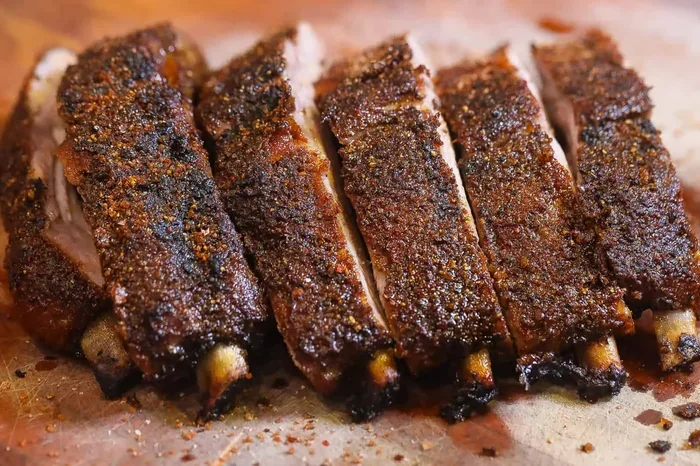
How Long Do You Cook Ribs In The Oven For Perfect Results
Want perfect oven ribs? Discover exactly how long do you cook ribs in the oven for tender, fall-off-the-bone meat. This guide covers temperatures, timing, and step-by-step instructions for spare ribs and baby back ribs. You’ll learn the low and slow method that guarantees juicy results every time.
Ribs are a favorite for many families. They bring people together around the table. But cooking them in the oven can feel tricky. How long do you cook ribs in the oven? The answer depends on the type of ribs and your oven temperature. This guide will walk you through every step. You’ll learn the exact times, temperatures, and techniques for perfect ribs.
Many people think ribs need a smoker. That’s not true. Your home oven can produce amazing results. The secret is patience and low heat. I’ll show you the low and slow method that works every time. Whether you have spare ribs or baby back ribs, you’ll get fall-off-the-bone tenderness. Let’s dive in.
Key Takeaways
- Cook ribs at 275°F for 4–5 hours: This low temperature breaks down collagen slowly, making ribs tender and juicy.
- Use a meat thermometer: Internal temperature of 195–203°F signals perfect doneness.
- Wrap in foil partway through: This keeps moisture locked in and speeds up cooking.
- Remove the membrane: It prevents rub and smoke from penetrating the meat.
- Rest ribs for 30 minutes: Resting lets juices redistribute for a better bite.
- Spare ribs take longer than baby backs: Adjust your timeline based on the cut.
- Add wood chips for smoke flavor: Soak them first and place them on the heat source.
📑 Table of Contents
How Long Do You Cook Ribs In The Oven?
The most common question is about time. The short answer is 3 to 5 hours. But that range depends on several factors. The type of ribs, your oven temperature, and the thickness of the rack all matter. I’ll break it down for you.
The Ideal Oven Temperature for Ribs
Low heat is the key to tender ribs. I recommend 275°F for the best results. This temperature cooks the meat slowly. It breaks down the connective tissue without drying out the protein. Some cooks go as low as 225°F. That adds even more time but can yield incredible texture. If you’re in a hurry, 325°F works too. Just keep an eye on the ribs. Higher temperatures can toughen the meat if you’re not careful.
Ribs Cooking Time by Type
Not all ribs are the same. Spare ribs come from the belly area. They are fattier and need more time. Baby back ribs come from the loin. They are leaner and cook faster. Here’s a quick comparison of oven-baked ribs at 275°F.
| Rib Type | Oven Temp | Approx Time | Result |
|---|---|---|---|
| Spare Ribs | 275°F | 4–5 hours | Fall-off-the-bone tender |
| Baby Back Ribs | 275°F | 2.5–3.5 hours | Juicy and slightly firm |
| Boneless Ribs | 275°F | 2–3 hours | Quick and easy |
| Spare Ribs at 325°F | 325°F | 3–3.5 hours | Faster but watch closely |
These times are for bone-in ribs. Boneless ribs cook faster because there’s no bone to heat through. Always use a meat thermometer to check the internal temperature. That’s the most reliable way to know they’re done.
The Low and Slow Method Explained
The low and slow method is the gold standard for BBQ ribs in the oven. It mimics what a smoker does. Low heat over a long period turns tough cuts into melt-in-your-mouth deliciousness. Here’s why it works so well.
Why Low Heat Makes Ribs Tender
Ribs have a lot of collagen. Collagen is a tough protein that connects muscle fibers. When you cook ribs at high heat, the collagen tightens. The meat becomes chewy and dry. At low heat, collagen slowly converts to gelatin. Gelatin gives ribs their silky, juicy texture. This process takes time. That’s why a 4-hour cook at 275°F is so effective. The heat gently melts the fat and connective tissue. The result is fall-off-the-bone ribs that you can’t resist.
Many beginners make the mistake of turning up the heat. They want ribs faster. That’s a recipe for tough, dry meat. Patience is your best tool. Set your oven to 275°F and let time do the work.
Step-by-Step Oven Ribs Recipe
Now let’s get practical. Here’s how to prepare oven-baked ribs from start to finish. Follow these steps and you’ll get consistent, restaurant-quality results.
Preparing Your Ribs
Start by removing the membrane. It’s the thin, papery layer on the bone side. Use a butter knife to lift a corner. Then grip it with a paper towel and peel it off. Removing the membrane lets the rub penetrate the meat. It also allows smoke flavor to reach the ribs. If you skip this step, you’ll miss out on flavor.
Next, pat the ribs dry with paper towels. Dry meat absorbs rub better. It also helps form a nice crust during cooking. If your ribs have a thick fat cap, you can trim it slightly. Don’t remove all the fat though. Fat keeps the ribs moist.
Seasoning and Wrapping
Apply a generous layer of rib rub. You can use a store-bought dry rub or make your own. A simple mix of brown sugar, paprika, garlic powder, and black pepper works great. Massage the rub into every nook and cranny. Let the ribs sit for 30 minutes or overnight in the fridge. The longer they sit, the deeper the flavor.
For the foil wrap method, place the ribs meat-side down on a large sheet of heavy-duty foil. Add a splash of apple juice or broth. This creates steam that keeps the ribs moist. Wrap the foil tightly, leaving the top open. Place the wrapped ribs on a baking sheet. The foil prevents the ribs from drying out during the long cook.
Ribs Doneness: How to Tell When They’re Done
Timing is a guide, but doneness is what matters. You need to know when ribs in the oven are truly ready. There are two reliable tests. The first is the bend test. Pick up the rack from one end with tongs. If the ribs bend and cracks form on the surface, they’re done. If they still feel stiff, give them more time.
The Bend Test and Meat Thermometer
The second test is even more accurate. Insert a meat thermometer into the thickest part of the meat. Avoid touching the bone. The internal temperature should read 195°F to 203°F. At this range, the collagen has fully broken down. The meat will be tender and juicy. If the temperature is below 190°F, the ribs need more time. Check every 30 minutes after the 3-hour mark.
Color is not a reliable indicator. Ribs can look done on the outside but still be tough inside. Always trust the thermometer. That’s the secret to perfect oven ribs every single time.
Common Mistakes to Avoid
Even experienced cooks can slip up. Here are the most common mistakes I see with pork ribs in the oven. Avoid these and you’ll be ahead of the game.
Skipping the Rest Period
Never skip resting the ribs. When you take them out of the oven, the juices are under pressure. If you cut right away, the juices run out. The ribs become dry. Let the ribs rest for 20 to 30 minutes. Tent them loosely with foil. The carryover heat will continue to cook them gently. Resting also makes the ribs easier to slice.
Opening the Oven Too Often
Every time you open the oven door, heat escapes. That can add 10 to 15 minutes to your cook time. Resist the urge to peek. Trust the process. Set a timer and check only when it’s time to wrap or test the temperature.
Using Too Much Sauce Too Early
Sauces are full of sugar. Sugar burns at high temperatures. If you add sauce in the first half of the cook, it will caramelize and blacken. Apply sauce only in the last 15 to 20 minutes. Brush it on during the unwrapped phase. This gives you a glossy, sticky glaze without burning.
Pro Tips for Perfect Oven Ribs
I’ve cooked hundreds of racks of ribs in the oven. Here are my top tips for getting the best results every time.
Using Foil vs. No Foil
The foil wrap method is great for beginners. It locks in moisture and reduces cooking time. But some pitmasters prefer the no foil method. Without foil, the ribs develop a better bark. The surface dries out slightly, which creates a crust. If you want a smoky, crunchy exterior, skip the foil. Just make sure you spritz the ribs with apple juice every hour to keep them moist.
Adding Wood Chips for Smoke Flavor
Your oven can’t produce real smoke, but you can get close. Soak wood chips in water for 30 minutes. Place them in a foil pouch with a few holes. Put the pouch on the oven floor or on a baking sheet below the ribs. The chips will smolder and add a subtle smoky flavor. Hickory and applewood are great choices for pork ribs. This trick takes oven-baked ribs to the next level.
Quick Tips
- Use a disposable aluminum pan: It catches drips and makes cleanup easy.
- Place a rack inside the pan: This lifts the ribs above the liquid.
- Spritz with apple juice every hour: This keeps the surface moist.
- Let ribs come to room temperature: Take them out 30 minutes before cooking.
- Don’t forget to remove the membrane: It’s the #1 mistake home cooks make.
Expert Insights
Professional pitmasters agree that temperature control is everything. They recommend using an oven thermometer to verify your oven’s actual temperature. Many ovens run hot or cold. A cheap oven thermometer can save your ribs from overcooking. Also, never crowd the ribs. Give them space so heat circulates evenly. If your oven is small, cook one rack at a time.
Key Takeaways
- Cook ribs at 275°F for 4–5 hours: This low temperature breaks down collagen slowly, making ribs tender and juicy.
- Use a meat thermometer: Internal temperature of 195–203°F signals perfect doneness.
- Wrap in foil partway through: This keeps moisture locked in and speeds up cooking.
- Remove the membrane: It prevents rub and smoke from penetrating the meat.
- Rest ribs for 30 minutes: Resting lets juices redistribute for a better bite.
- Spare ribs take longer than baby backs: Adjust your timeline based on the cut.
- Add wood chips for smoke flavor: Soak them first and place them on the heat source.
Cooking ribs in the oven is easier than you think. The secret is low heat, patience, and a reliable thermometer. Follow the steps in this guide and you’ll get fall-off-the-bone ribs every time. Whether you’re cooking for a family dinner or a weekend gathering, oven-baked ribs will be the star of the table. Start with a rack of spare ribs or baby back ribs. Use the low and slow method. And enjoy the process. Great ribs don’t happen by accident. They happen with a little know-how and a lot of flavor.
Frequently Asked Questions
Can you cook ribs in the oven at 350°F?
Yes, you can. At 350°F, ribs cook faster, usually in 2.5 to 3 hours for baby backs. The higher temperature can dry them out, so check the internal temperature often. Use the foil wrap method to retain moisture.
How do you keep ribs from drying out in the oven?
Wrap the ribs in foil partway through the cook. Add a splash of apple juice or broth inside the foil. Also, spritz the ribs with juice every hour if you’re not using foil. A low oven temperature of 275°F helps prevent drying.
What is the best temperature for oven ribs?
The best temperature is 275°F. This low setting slowly breaks down collagen and renders fat. It produces tender, juicy ribs with a great texture. If you’re short on time, 325°F works but requires closer monitoring.
Do you wrap ribs in foil when baking?
Wrapping in foil is optional but highly recommended. It creates a steamy environment that keeps ribs moist. Many cooks wrap after the first 2 hours of cooking. This is called the Texas crutch. It speeds up the process and tenderizes the meat.
How long does it take to cook ribs in the oven at 275°F?
At 275°F, spare ribs take 4 to 5 hours. Baby back ribs take 2.5 to 3.5 hours. The exact time depends on the thickness of the rack and your oven’s accuracy. Always use a meat thermometer to confirm doneness.
Can you use a meat thermometer for ribs?
Absolutely. A meat thermometer is the most reliable way to check if ribs are done. Insert it into the thickest part of the meat, avoiding bone. The target internal temperature is 195°F to 203°F. This ensures the collagen has fully melted for tender ribs.