How Much Coffee Beans In A French Press For Perfect Brew
How Much Coffee Beans In A French Press depends on your press size and personal taste. The standard coffee-to-water ratio is two tablespoons of coffee beans per six ounces of water. Using the right grind size and brewing time ensures a bold coffee experience every morning.
How Much Coffee Beans In A French Press is the question every coffee lover should answer before brewing. The amount of beans you use directly affects the strength, flavor, and overall quality of your cup. Too few beans and you end up with weak, watery coffee. Too many and you risk over-extraction and bitterness. In this complete guide, we will show you the exact amounts, ratios, and techniques to brew French press coffee that rivals your favorite café.
If you have ever wondered why your morning cup never tastes quite right, the answer might be simpler than you think. The amount of coffee beans you use plays a huge role in the final coffee flavor. Many people guess their way through brewing, but a little precision goes a long way. Understanding the right coffee measurement for your immersion brewer can save you from wasted beans and disappointing cups. Whether you are a beginner or a seasoned coffee drinker, this guide will help you dial in your perfect brew.
Key Takeaways
- Two tablespoons per six ounces: The standard ratio for a balanced cup of French press coffee.
- Coarse grind is essential: A consistent coarse grind prevents over-extraction and bitterness.
- Use a kitchen scale: Measuring by weight gives you more precision than using a scoop.
- Brewing time matters: Four minutes is the sweet spot for optimal extraction.
- Fresh beans taste best: Grind your beans just before brewing for the richest flavor.
- Adjust to your taste: The ratio can be customized based on how strong you like your coffee.
📑 Table of Contents
- Understanding the French Press and Why Ratios Matter
- The Perfect Coffee-to-Water Ratio for French Press
- How to Measure Coffee Beans for French Press
- Grinding Your Beans: Size and Consistency
- Step-by-Step Brewing Guide for French Press Coffee
- Common Mistakes That Ruin Your French Press Coffee
- Expert Tips for the Perfect French Press Cup
- Conclusion
Understanding the French Press and Why Ratios Matter
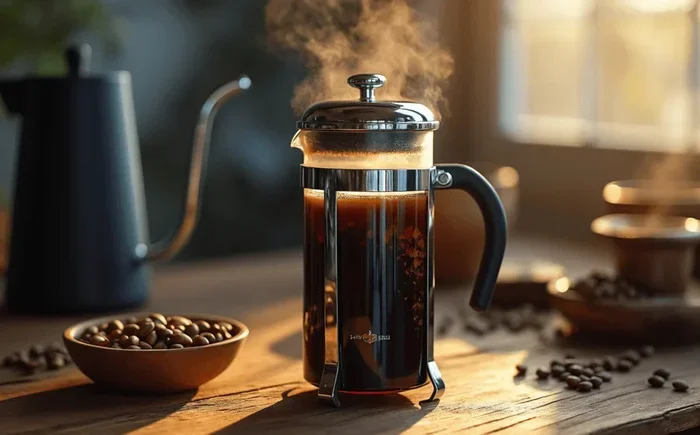
A French press is a simple yet powerful brewing tool. It uses immersion brewing to extract flavor from ground coffee. Unlike drip machines or pour-over methods, the French press keeps the grounds in contact with hot water for the entire brewing time. This full contact creates a rich, full-bodied cup that many coffee lovers prefer.
The coffee-to-water ratio is the foundation of great French press coffee. This ratio determines how strong or weak your cup will be. Getting it right means balancing the coffee grounds with the right amount of hot water. When you nail this ratio, every cup tastes consistent and delicious.
What Makes French Press Coffee Special
French press coffee stands out for its rich, bold character. The metal mesh filter allows oils and fine particles to pass through. This gives the coffee a fuller mouthfeel compared to paper-filtered methods. The result is a cup that feels heavier and more satisfying on the palate.
The coffee extraction process in a French press is different from other brewers. Because the grounds steep in water, more compounds are released. This includes oils, acids, and aromatic compounds that contribute to the complex coffee flavor you love. The steeping process is what gives French press coffee its signature depth.
The Science Behind the Perfect Ratio
The ideal coffee-to-water ratio for French press coffee is generally 1:15 to 1:17. This means one part coffee to fifteen to seventeen parts water by weight. For most people, a ratio of 1:15 produces a bold coffee that is rich and satisfying. If you prefer a lighter cup, try 1:17 instead.
The coffee bloom is an important part of the process. When you add hot water to fresh grounds, they release carbon dioxide. This bubbling effect is called the bloom. It indicates that your beans are fresh and ready to release their full flavor. Let the bloom happen for about 30 seconds before you stir.
The Perfect Coffee-to-Water Ratio for French Press
Getting the coffee-to-water ratio right is the single most important step. It affects everything from taste to strength. Below is a simple guide to help you find the perfect balance for every cup size.
Standard Ratios for Every Cup Size
The standard coffee measurement for French press coffee is straightforward. Use two tablespoons of coffee beans for every six ounces of water. This is a great starting point for most people. However, the exact amount can vary based on your press size and personal preference.
| French Press Size | Coffee Beans (grams) | Water (ml) | Approximate Cups |
|---|---|---|---|
| 3-cup (350ml) | 21g | 350ml | 3 |
| 4-cup (600ml) | 36g | 600ml | 4 |
| 8-cup (1000ml) | 60g | 1000ml | 8 |
| 12-cup (1700ml) | 102g | 1700ml | 12 |
These numbers use a 1:15 ratio, which produces a rich and bold cup. If you want a milder brew, simply add more water. The beauty of the French press is that you can easily adjust to your liking. Start with the standard ratio and tweak from there.
Adjusting the Ratio to Your Taste
Not everyone loves the same coffee strength. Some people prefer a very strong, intense cup. Others like it milder and smoother. The good news is that the ratio is completely flexible. You can adjust it to match your personal taste.
If your coffee tastes too weak, try using more beans. If it tastes too strong or bitter, add more water. Small changes make a big difference. Try adjusting by one teaspoon at a time until you find your sweet spot. Keep notes so you can recreate your perfect cup every time.
How to Measure Coffee Beans for French Press
Measuring your coffee beans correctly is essential for consistent results. There are two main methods: using a kitchen scale or using a coffee scoop. Both work well, but a scale gives you more precision.
Using a Kitchen Scale for Precision
A kitchen scale is the best tool for measuring coffee beans. It removes guesswork and gives you exact measurements every time. Place your French press on the scale, tare it to zero, and add your beans. This method is especially helpful when you are learning the ropes.
Most coffee experts recommend weighing your beans in grams. A digital kitchen scale that reads to 0.1 grams is ideal. You can find affordable options at most kitchen supply stores. The small investment pays off in consistently better coffee.
Using a Coffee Scoop as an Alternative
If you do not have a scale, a standard coffee scoop works well. A level scoop holds about two tablespoons of coffee grounds. This equals roughly 10 to 12 grams of whole beans. For a standard 6-ounce cup, use one level scoop of beans.
The downside of using a scoop is less precision. Scoops can vary in size, and how you level the scoop affects the amount. If you use this method, try to be consistent. Always use the same scoop and level it off with a knife or your finger.
Quick Reference Guide
- Single cup (6 oz): 10 to 12 grams of beans, one level scoop
- Two cups (12 oz): 20 to 24 grams, two scoops
- Four cups (24 oz): 40 to 48 grams, four scoops
- Full press (34 oz): 60 to 70 grams, six to seven scoops
These numbers give you a quick reference for everyday brewing. Remember that the grind size and brewing time also affect the final result. Always start with these measurements and adjust to your taste.
Grinding Your Beans: Size and Consistency
The grind size of your coffee beans is just as important as the amount you use. French press requires a coarse, even grind. This is different from the fine grind used for espresso or the medium grind for drip machines. Using the right grind size ensures proper extraction and a smooth cup.
Why Coarse Grind Is Essential
A coarse grind is critical for French press coffee. The metal mesh filter in a French press is larger than a paper filter. If you use a fine grind, the grounds will slip through the filter. This creates a gritty, unpleasant cup that no one enjoys.
Coarse grounds also extract more slowly. This matches the longer brewing time of French press coffee. The slow extraction prevents over-extraction, which causes bitterness. A consistent coarse grind gives you a smooth, clean cup with rich flavor.
Grinding Tips for the Best Coffee Flavor
Always grind your beans just before brewing. Pre-ground coffee loses its freshness quickly. The coffee flavor degrades within minutes of grinding. For the best results, measure your beans, grind them, and brew immediately.
If you do not have a burr grinder, consider getting one. Blade grinders chop beans unevenly, creating a mix of fine and coarse particles. A burr grinder crushes beans to a uniform size. This consistency leads to better extraction and a more balanced cup. The difference in taste is noticeable.
Here are a few quick tips for grinding:
- Grind beans to a texture similar to sea salt
- Pulse the grinder in short bursts for even results
- Do not grind too far in advance
- Clean your grinder regularly to prevent flavor buildup
Step-by-Step Brewing Guide for French Press Coffee
Now that you know how many beans to use and how to grind them, it is time to brew. The process is simple but requires attention to detail. Follow these steps for a perfect cup every time.
Preparing Your Equipment
Start by heating your water to the right temperature. The ideal water temperature for French press coffee is between 195 and 205 degrees Fahrenheit. Boiling water can scorch the grounds and create a bitter taste. If you do not have a thermometer, let boiling water sit for 30 seconds before pouring.
While the water heats, add your ground coffee grounds to the French press. Make sure the press is clean and dry before you start. A clean mesh filter ensures no old grounds interfere with your fresh brew.
The Brewing Process Step by Step
- Add your coffee grounds to the empty French press
- Pour a small amount of hot water over the grounds and wait 30 seconds for the bloom
- Stir gently to saturate all the grounds
- Pour the remaining hot water slowly into the press
- Place the lid on top without pressing the plunger down
- Let the coffee steep for four minutes
These steps are simple but they make a big difference. The bloom releases carbon dioxide and prepares the grounds for full extraction. Stirring ensures even contact between water and coffee. The four-minute steeping time allows the flavors to develop fully without over-extracting.
Timing and the Plunge
The brewing time is critical. Four minutes is the sweet spot for most French press coffee. If you steep for too long, the coffee becomes bitter and over-extracted. If you steep for too short, the coffee tastes weak and underdeveloped.
When the four minutes are up, press the plunger down slowly and steadily. Do not rush this step. A slow, even press keeps the grounds at the bottom of the press. Pour the coffee immediately after plunging. Leaving it in the press will continue to extract and make the coffee bitter.
If you are not going to drink it right away, pour it into a separate mug or carafe. This stops the extraction process and keeps your coffee tasting great. A good rule is to drink your French press coffee within 20 minutes of brewing for the best flavor.
Common Mistakes That Ruin Your French Press Coffee
Even experienced coffee makers make mistakes. Knowing what to avoid helps you brew better coffee every time. Here are the most common errors and how to fix them.
Using the Wrong Grind Size
This is the number one mistake people make. Using a grind that is too fine creates a gritty, bitter cup. Fine grounds clog the mesh filter and slow down the plunge. They also over-extract quickly, pulling out harsh flavors.
On the other hand, a grind that is too coarse produces weak, underwhelming coffee. The water passes through too quickly and does not extract enough flavor. Aim for a consistent coarse grind, similar to the texture of sea salt or breadcrumbs.
Over-Steeping or Under-Steeping
Timing is everything in French press coffee. Over-steeping pulls out too many bitter compounds. Under-steeping leaves the coffee weak and sour. The four-minute rule works well for most beans and ratios.
If you find your coffee too bitter, try reducing the steeping time by 30 seconds. If it tastes too weak, add 30 seconds. Small adjustments can fine-tune your brew. Keep track of what works best for your taste preferences.
Ignoring Water Temperature
Water that is too hot burns the coffee grounds. This creates a harsh, bitter flavor that masks the natural coffee flavor. Water that is too cool does not extract enough flavor, resulting in a flat, weak cup.
The sweet spot is between 195 and 205 degrees Fahrenheit. If you do not have a thermometer, bring water to a boil and then let it rest for 30 to 45 seconds. This cooling period brings the water into the ideal range for brewing.
Using Stale Beans
Freshness matters more than most people realize. Old, stale beans produce flat, lifeless coffee. Always check the roast date on your bag of coffee beans. For the best flavor, use beans within two to four weeks of roasting.
Store your beans in an airtight container at room temperature. Avoid keeping them in the fridge or freezer, as moisture can damage the beans. A cool, dark pantry is the best storage spot. Fresh beans make a noticeable difference in taste.
Expert Tips for the Perfect French Press Cup
Once you have the basics down, these expert tips will take your coffee to the next level. Small changes can lead to big improvements in flavor and consistency.
First, preheat your French press before brewing. Pour hot water into the empty press and let it sit for a minute. Then discard the water before adding your grounds. This keeps the brewing temperature stable and ensures even extraction.
Second, experiment with different coffee origins. Light roast beans produce a brighter, more acidic cup. Dark roast beans create a bolder, smokier flavor. Medium roast beans offer a balanced middle ground. Trying different beans helps you discover your personal favorite.
If you enjoy experimenting with your kitchen, you might also want to learn how to get rid of a microwave oven if you are looking to simplify your kitchen and embrace more hands-on cooking methods. For a fun weekend project, try to roast whole almonds in oven and add them as a crunchy topping to your coffee routine. If you love outdoor adventures, you can even make a solar oven with aluminum foil for creative outdoor cooking experiments.
Finally, clean your French press thoroughly after every use. Residual oils and grounds build up over time and affect the taste of your next brew. Disassemble the plunger and filter, wash all parts with warm soapy water, and dry them completely. A clean press brews better coffee.
Conclusion
Getting the right amount of coffee beans for your French press is the key to a perfect cup. The standard ratio of two tablespoons per six ounces of water is a great starting point. From there, you can adjust based on your press size and personal taste.
Remember that the coffee-to-water ratio, grind size, brewing time, and water temperature all work together. No single factor matters more than the others. It is the combination of all these elements that creates a truly excellent cup of French press coffee.
Now that you know how much coffee beans in a French press to use, it is time to put this knowledge into practice. Grab your favorite beans, measure carefully, and enjoy the process. A great cup of coffee starts with the right amount of beans. Happy brewing.
Frequently Asked Questions
Can I use pre-ground coffee in a French press?
Yes, you can use pre-ground coffee, but the flavor will not be as fresh. Pre-ground coffee loses its aroma and flavor faster than whole beans. If you must use pre-ground, store it in an airtight container and use it within a week of opening for the best results.
How long should I steep coffee in a French press?
The standard steeping time for French press coffee is four minutes. This allows for optimal extraction without over-extracting the grounds. If you prefer a stronger cup, you can steep for up to five minutes, but going beyond that often leads to bitterness.
What happens if I use too many coffee beans?
Using too many beans can lead to over-extraction, which makes the coffee taste bitter and harsh. Excess grounds can also clog the mesh filter and make plunging difficult. Stick to the recommended ratio and adjust gradually if you want a stronger cup.
Can I reuse coffee grounds in a French press?
It is not recommended to reuse coffee grounds. The first brew extracts most of the flavor and aromatic compounds. A second steep produces a weak, flat cup with very little of the original coffee flavor. Always use fresh grounds for the best results.
Is it better to weigh or scoop coffee beans?
Weighing your beans with a kitchen scale is more accurate and consistent. A scoop can vary in size and how level you pack it. However, a scoop works well if you do not have a scale. Just be consistent with your scooping method for the best results.
What type of coffee beans works best for French press?
Medium to dark roast beans are popular choices for French press coffee because they produce a bold, rich flavor. However, light roast beans can also work well if you prefer a brighter, more acidic cup. Experiment with different roasts and origins to find your favorite.