How To Brew Great Coffee At Home And Enjoy Every Cup
Brewing great coffee at home is easier than you think. This guide covers everything from choosing the right beans and grind size to mastering water temperature and brewing ratios. You will learn proven techniques that turn ordinary coffee into an extraordinary daily ritual. Whether you prefer pour over, French press, or drip coffee, these tips will elevate your morning cup.
There is something truly special about a perfect cup of coffee at home. Maybe you have tried brewing coffee before and felt disappointed. Perhaps your morning cup tastes flat or bitter no matter what you do. The good news is that brewing great coffee at home is a skill anyone can learn. You do not need expensive equipment or years of experience. With a few simple steps, you can turn your daily coffee routine into something genuinely enjoyable.
This guide walks you through everything you need to know. We will cover how to pick the right beans, how to grind them properly, and how to control water temperature. You will learn about different coffee brewing methods and discover easy tricks that make a big difference. By the end, you will feel confident enough to call yourself a home barista. Let us get started.
Key Takeaways
- Start with fresh, quality beans: Fresh coffee beans make a huge difference in flavor and aroma.
- Master your water temperature: The ideal water temperature for brewing is between 195°F and 205°F.
- Get the grind size right: Different coffee brewing methods need different grind sizes for the best coffee extraction.
- Follow the proper ratio: A coffee ratio of 1:15 to 1:17 (coffee to water) produces a balanced cup.
- Clean your equipment regularly: Just like you would clean your kitchen appliances, keeping your coffee maker clean ensures the best taste.
- Avoid common mistakes: Using stale beans, wrong water, and incorrect grind size are the top coffee brewing tips to avoid.
📑 Table of Contents
Choose the Right Coffee Beans
The foundation of great coffee starts long before you brew it. It starts with the beans. The quality, freshness, and origin of your coffee beans directly affect the coffee flavor and coffee aroma in your cup. Many people overlook this step, but it is the single most important factor.
Fresh vs Pre-Ground Coffee
Fresh beans always win. When you buy whole beans and grind them just before brewing, you get a much richer and more complex coffee taste. Pre-ground coffee loses its flavor quickly because the oils inside the beans start to break down once they are exposed to air. Think of it like cutting an apple. Once you cut it, the apple starts to brown and lose its freshness. The same thing happens with ground coffee.
Try to buy beans in small batches. A good rule is to purchase only what you will use within two to four weeks. Look for a roast date on the bag, not just an expiration date. The closer the roast date, the better your coffee will taste. This small change alone can transform your morning cup.
Understanding Roast Levels
Coffee beans come in different roast levels, and each one brings a unique profile. Light roasts tend to have brighter, more acidic flavors with fruity or floral notes. Medium roasts offer a balanced taste with nutty and chocolatey undertones. Dark roasts give you bolder, smokier flavors with less acidity.
There is no single best roast. It all comes down to personal preference. If you like a mild and smooth cup, try a medium roast. If you enjoy strong and bold, go for a dark roast. Experiment until you find what suits your palate best.
Master Your Water Temperature and Ratio
Water makes up more than 98% of your cup of coffee. So it makes sense that the quality of your water and the temperature you use matter a lot. Getting these two things right is one of the most overlooked coffee brewing tips out there.
The Ideal Brewing Temperature
The best water temperature for brewing coffee falls between 195°F and 205°F. That is just below boiling. If your water is too hot, it can over-extract the coffee and make it taste bitter. If it is too cool, it will under-extract and leave your coffee tasting sour and weak.
If you do not have a thermometer, here is a simple trick. Bring your water to a boil and then let it sit for about 30 seconds. That brings it right into the sweet spot. Also, the quality of your water matters. Use filtered water when possible. Tap water with heavy chlorine or mineral content can negatively affect the coffee taste.
Getting the Coffee-to-Water Ratio Right
The coffee ratio is the amount of coffee grounds compared to the amount of water. A good starting point is 1:15 to 1:17. That means for every 1 gram of coffee, use 15 to 17 grams of water. This produces a well-balanced cup that is neither too strong nor too weak.
Here is a simple way to think about it. For one standard cup of about 8 ounces, use roughly 2 to 3 tablespoons of ground coffee. You can adjust from there based on your taste. If your coffee tastes too weak, add more grounds. If it tastes too strong, add more water. It is really that simple.
Explore the Best Brewing Methods
There are many ways to brew coffee at home, and each method brings out different qualities in your beans. The right method depends on your lifestyle, taste preferences, and how much time you have in the morning. Let us look at some popular options.
Pour Over Coffee
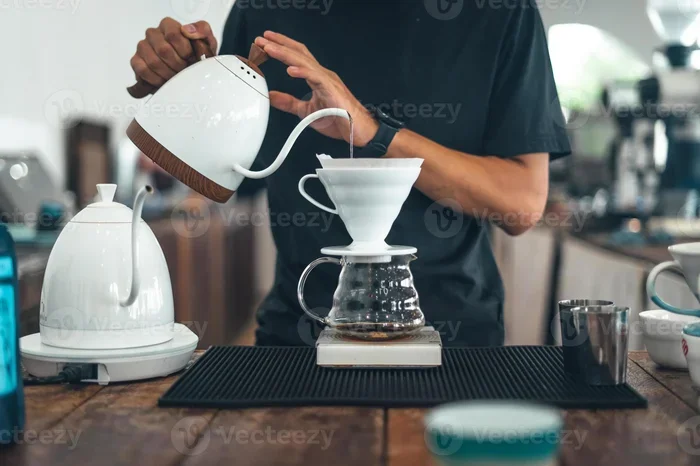
Pour over coffee is a favorite among people who love a clean and bright cup. You need a pour over dripper, a coffee filter, and hot water. The process involves slowly pouring water over the grounds in a circular motion. This gives you full control over the brewing time and extraction.
Pour over coffee highlights the subtle flavors and notes in your beans. It works especially well with light and medium roasts. The method takes a few minutes longer than a drip machine, but many people find the ritual relaxing and rewarding. It is one of the best ways to truly appreciate the coffee aroma of your beans.
French Press
The French press is one of the simplest and most satisfying ways to make coffee at home. You add coarse grounds to the press, pour in hot water, wait about four minutes, and then press the plunger down. The result is a full-bodied cup with rich oils and deep coffee flavor.
Because the French press uses a metal filter instead of a paper one, more of the natural oils stay in your cup. This gives a heavier, more robust taste. It is perfect for people who like their coffee strong and flavorful. Cleanup is easy too, which makes it a great choice for beginners.
Drip Coffee Maker
The drip coffee maker is the most common way people brew coffee at home. It is fast, convenient, and easy to use. You add grounds to a filter, fill the water reservoir, and press a button. The machine does the rest.
While a basic drip machine may not produce the most complex cup, modern ones have improved a lot. Look for machines that let you control the water temperature and brewing time. These features help you get closer to the quality of manual methods. A drip machine is ideal for busy mornings when you need a quick and reliable cup.
Comparing Brewing Methods
| Method | Brew Time | Body | Best For |
|---|---|---|---|
| Pour Over | 3-4 minutes | Light and clean | Highlighting subtle flavors |
| French Press | 4 minutes | Full and rich | Bold, oily coffee lovers |
| Drip Coffee Maker | 5-10 minutes | Medium and balanced | Busy mornings and convenience |
| Espresso Machine | 25-30 seconds | Thick and intense | Strong coffee and milk drinks |
Each method has its strengths. The key is finding the one that fits your routine and taste. Do not be afraid to try more than one. Many home baristas enjoy having two or three methods available depending on their mood.
Grind Size Matters
Coffee grind size is one of the most important factors in getting a great cup. The size of your grounds affects how quickly water extracts the flavors. Too fine and your coffee becomes over-extracted and bitter. Too coarse and it turns out weak and sour.
Matching Grind to Method
Different coffee brewing methods need different grind sizes. Here is a quick guide to help you match the right grind to your method.
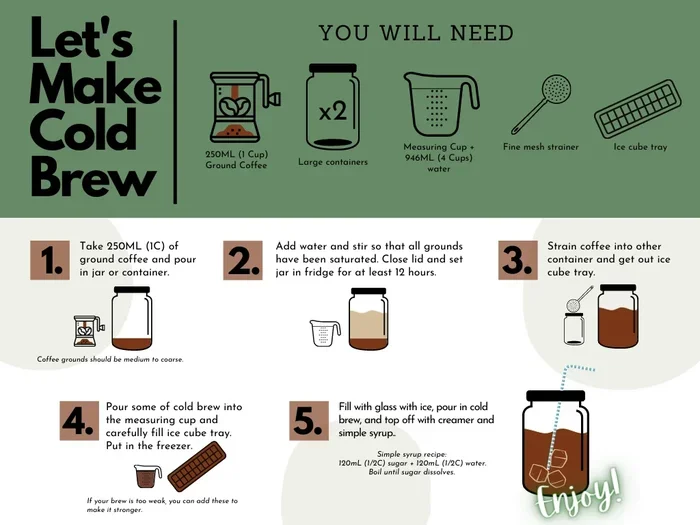
- Extra Coarse: Best for cold brew. The grounds look like rough sea salt.
- Coarse: Perfect for French press. Think of the texture of coarse sea salt.
- Medium-Coarse: Works well for pour over and Chemex. Similar to rough sand.
- Medium: Ideal for drip coffee makers. The texture looks like regular sand.
- Fine: Used for espresso. It feels like powdered sugar or table salt.
- Extra Fine: Best for Turkish coffee. Almost like flour in texture.
Investing in a good burr grinder makes a real difference. Blade grinders chop the beans unevenly, which leads to inconsistent extraction. A burr grinder crushes the beans to a uniform size, giving you a much better and more balanced coffee extraction. This is one of the best upgrades you can make for your morning routine.
Common Mistakes That Ruin Your Coffee
Even experienced coffee drinkers make mistakes that hurt their cup. Knowing what to avoid is just as important as knowing what to do right. Here are the most common errors people make when brewing coffee at home.
Using Stale Beans
Stale beans are the number one enemy of good coffee. Once coffee beans are roasted, they start to lose their freshness. After two to four weeks, the flavor has significantly declined. If your coffee tastes flat or dull, the beans might be the problem. Always check the roast date and store your beans in an airtight container away from light and heat.
Ignoring Water Quality
We mentioned this earlier, but it deserves a second mention. Your coffee is mostly water. If your tap water tastes bad, your coffee will taste bad too. Hard water with lots of minerals can also build up inside your machine and affect performance. Using filtered water is an easy and inexpensive way to improve your cup significantly.
Skipping the Clean-Up
Just like you would take care of your kitchen by learning how to clean your kitchen appliances properly, you need to keep your coffee equipment clean. Old coffee oils build up inside grinders, French presses, and drip machines. These rancid oils create off-flavors that make even fresh beans taste bad. Rinse your equipment after every use and deep clean it at least once a week.
Using the Wrong Temperature or Ratio
Boiling water poured directly onto grounds will scorch them and create a bitter taste. Similarly, using too much or too little water throws off the balance. Always aim for the right temperature range and follow a consistent ratio. Precision is what separates a good cup from a great one.
Take Your Coffee Ritual to the Next Level
Once you have the basics down, you can start experimenting and refining your technique. Think of yourself as a home barista developing your own style. Here are a few ideas to push your coffee game further.
Try pairing your coffee with a fresh baked treat. A warm slice of garlic bread made in the oven or a simple pastry can complement your morning cup beautifully. The warmth and aroma of fresh bread alongside a rich brew creates a truly enjoyable breakfast experience.
Also consider the environment where you drink your coffee. A clean, organized kitchen space makes a difference. If your oven or kitchen equipment is not working properly, it can affect your overall cooking and coffee experience. For instance, if your oven is not heating correctly, you might want to learn how to fix oven temperature issues to restore your kitchen routine.
Temperature control matters beyond just the water you use for brewing. When you are warming pastries or reheating leftovers like coffee cake, using your oven correctly ensures everything in your kitchen runs smoothly. If you ever need to reheat food in the oven, understanding how your oven works helps you maintain a consistent kitchen environment where great coffee and great food thrive together.
The more you pay attention to the details, the better your coffee becomes. Keep a simple journal of what beans you used, the grind size, the water temperature, and how the cup tasted. Over time, you will notice patterns and preferences that guide you toward your perfect brew.
Conclusion
Brewing great coffee at home is a rewarding journey that anyone can enjoy. It all starts with fresh beans, the right water temperature, and a proper ratio. Choosing the right coffee brewing methods and matching your grind size to your equipment makes a noticeable difference. Avoiding common mistakes like using stale beans or dirty equipment keeps every cup tasting its best.
Remember that practice makes perfect. Do not get discouraged if your first few cups are not exactly what you want. Adjust the variables, experiment with different beans and methods, and trust your taste buds. The goal is to create a coffee experience that you look forward to every single morning.
With the knowledge you have gained from this guide, you are well on your way to becoming a skilled home barista. Brew with confidence, enjoy the process, and savor every single cup. Your perfect coffee is waiting for you in your own kitchen.
Frequently Asked Questions
What is the best coffee brewing method for beginners?
The French press and drip coffee maker are the easiest methods to start with. They require minimal equipment and very little technique. A French press gives you a rich and full-bodied cup with almost no learning curve. A drip machine is even simpler, as it does most of the work for you automatically.
How do I know if my coffee beans are fresh?
Look for a roast date on the bag rather than just an expiration date. Beans are at their best within two to four weeks of roasting. You can also check for a strong and pleasant aroma. Fresh beans smell rich and vibrant, while stale beans have a dull or papery scent.
Can I use tap water to brew coffee?
You can, but filtered water produces a much better cup. Tap water often contains chlorine and minerals that can alter the coffee taste and leave unwanted flavors. Using filtered or bottled spring water is a simple upgrade that makes a big difference in flavor clarity.
What is the ideal coffee-to-water ratio?
A ratio of 1:15 to 1:17 works well for most brewing methods. This means 1 gram of coffee for every 15 to 17 grams of water. You can adjust this based on your strength preference. More coffee makes a stronger brew, while more water makes it milder.
How often should I clean my coffee equipment?
You should rinse your coffee maker, French press, or grinder after every use. A deeper clean with warm soapy water should happen at least once a week. Regular cleaning prevents the buildup of old coffee oils that can make your coffee taste rancid or off.
Does grind size really affect the taste of coffee?
Absolutely. Grind size controls how fast water extracts flavors from the grounds. Too fine and the coffee becomes bitter and over-extracted. Too coarse and it tastes weak and sour. Matching the grind to your specific coffee brewing method is essential for a balanced and flavorful cup.