How To Clean Oven With Lemon Juice Without Any Fumes
Discover the easiest and safest way to clean oven with lemon juice — no harsh chemicals, no toxic fumes, and no stubborn stains left behind. This step-by-step guide shows you how to use lemon juice, baking soda, and steam to tackle even the toughest oven grease naturally. You will learn a proven method that keeps your kitchen fresh, your family safe, and your oven looking brand new.
Your oven is one of the most used appliances in any kitchen. But let us be honest — cleaning it is nobody favorite chore. Traditional oven cleaners come with strong chemical fumes that can make your eyes water and your kitchen smell terrible. If you have ever opened a bottle of commercial oven spray and instantly regretted it, you are not alone.
There is a better way. Cleaning your oven with lemon juice is a simple, natural, and fume-free method that actually works. Lemons contain citric acid, which is a natural degreaser. When combined with heat and water, lemon juice creates steam that lifts away baked-on grime effortlessly. The best part? Your kitchen will smell fresh and citrusy instead of like a chemical factory.
In this guide, we will walk you through every step of cleaning oven with lemon juice without any fumes. You will learn the supplies you need, the exact process to follow, and helpful tips to keep your oven sparkling between deep cleans. Whether your oven has light grease buildup or weeks of burnt-on food stains, this method handles it all.
Key Takeaways
- Lemon juice is a powerful natural cleaner: Its citric acid breaks down grease and grime without releasing harmful fumes.
- No chemicals needed: This method uses simple kitchen ingredients like lemon juice, baking soda, and water.
- Steam is your best friend: Heating lemon water creates steam that loosens baked-on food and grease easily.
- Safe for your family and pets: Unlike commercial cleaners, this approach is non-toxic and food-safe.
- Works on all oven types: Whether you have a gas oven, electric oven, or convection oven, this method adapts well.
- Saves money: You avoid buying expensive chemical oven cleaners and get similar or better results.
- Quick and easy: Most of the work is hands-off while steam does the heavy lifting.
📑 Table of Contents
- Why Use Lemon Juice to Clean Your Oven
- What You Will Need for This Method
- Step-by-Step Guide: How To Clean Oven With Lemon Juice
- Tips for the Best Results
- Common Mistakes to Avoid
- How Often Should You Clean Your Oven With Lemon Juice
- Benefits of Chemical-Free Oven Cleaning
- Comparing Lemon Juice Cleaning vs. Commercial Oven Cleaners
- Odor Removal: Bonus Benefit of Lemon Cleaning
- Maintenance Tips Between Deep Cleans
- Final Thoughts
Why Use Lemon Juice to Clean Your Oven
Before we dive into the how-to, let us talk about why lemon juice is such a great choice for oven cleaning. Most people reach for store-bought oven cleaners without thinking twice. But these products often contain harsh chemicals like sodium hydroxide, which can irritate your skin, eyes, and lungs. The fumes alone can linger in your kitchen for hours.
Lemon juice offers a completely different approach. It is natural, safe, and surprisingly effective. Here is why it works so well for natural oven cleaning:
- Citric acid breaks down grease: The acid in lemon juice dissolves fatty deposits and grease buildup on oven surfaces.
- It is a natural bleaching agent: Lemon juice helps lighten dark stains and food discoloration inside your oven.
- Fresh scent, not chemical smell: Instead of toxic fumes, your kitchen smells like citrus.
- Safe around food: Since lemon juice is food-grade, there is no risk of chemical residue contaminating your next meal.
- Budget-friendly: You probably already have lemons in your kitchen.
When you choose eco-friendly oven cleaning with lemon juice, you are making a healthier choice for your home and the environment. There are no harmful aerosols, no volatile organic compounds, and no plastic packaging waste from single-use cleaner cans.
How Citric Acid Works on Oven Grease
Grease and baked-on food are made of fats and proteins that bond tightly to oven surfaces. Chemical cleaners often need to dissolve these bonds with strong alkaline substances. Lemon juice takes a gentler but equally effective approach. The citric acid in lemons reacts with the grease molecules, breaking them apart so they can be wiped away easily.
When you add heat, the lemon juice turns into steam. This steam penetrates the baked-on grime and softens it from the inside out. That is why the steam method is so powerful for oven grease removal. The grease does not stand a chance against nature’s own cleaning solution.
What You Will Need for This Method
One of the best things about this lemon juice oven cleaning method is how simple the supply list is. You do not need any special products or equipment. Everything you need is likely already in your kitchen right now.
Here is your complete shopping list for homemade oven cleaner with lemon juice:
- 3 to 4 fresh lemons (or enough juice for about half a cup)
- 2 cups of water (distilled or tap water both work)
- Baking soda (about half a cup for tougher stains)
- A spray bottle (optional but helpful)
- A bowl or oven-safe dish (for the steam method)
- Soft cloths or sponges (microfiber works great)
- A plastic scraper or spatula (for removing softened grime)
- Rubber gloves (optional, but nice for hand protection)
That is it. No toxic sprays, no gloves with chemical warnings, and no ventilation concerns. You can even do this cleaning method with the windows closed because there are no fumes to worry about.
Step-by-Step Guide: How To Clean Oven With Lemon Juice
Now for the part you have been waiting for — the actual cleaning process. Follow these steps carefully and your oven will look brand new. This method works for both gas ovens and electric ovens.
Step 1: Remove the Oven Racks
Start by pulling out all the oven racks. You will clean these separately because they need extra attention. Set them aside on a flat surface like a bathtub or large sink. This also gives you full access to the inside of the oven cavity.
While the racks are out, take a moment to remove any loose debris. Use a dry cloth to wipe away crumbs and loose food particles from the bottom of the oven. This makes the deep cleaning process much more effective.
Step 2: Prepare the Lemon Steam Solution
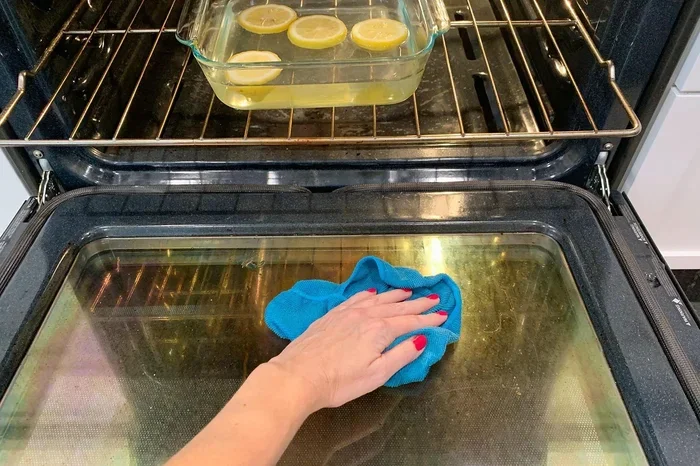
Fill a bowl or oven-safe dish with about two cups of water. Squeeze the juice from three to four fresh lemons into the water. Drop the lemon halves into the bowl as well — they add extra cleaning power.
Place the bowl on the lowest rack of your oven. Then set the oven temperature to 200 degrees Fahrenheit (about 93 degrees Celsius). Let the oven run for about 30 minutes. The heat will turn the lemon water into steam, which will fill the oven cavity and start loosening the grime.
Do not let the oven go above 250 degrees Fahrenheit. You are not trying to bake anything — just generate enough steam to do the work for you.
Step 3: Let the Steam Do the Work
After 30 minutes, turn off the oven. Do not open the door right away. Let the steam sit inside the oven for another 15 to 20 minutes. The trapped steam continues to soften baked-on food and grease deposits on the oven walls, ceiling, and floor.
This waiting period is the magic of steam clean oven methods. The citric acid in the lemon steam penetrates the grime and breaks down the bonds between the grease and the oven surface. When you finally open the door, you will notice the grime feels softer and easier to wipe away.
Step 4: Make the Lemon Baking Soda Paste
While the steam is working its magic, prepare a cleaning paste. In a bowl, mix half a cup of baking soda with two to three tablespoons of lemon juice. Stir until you get a thick, spreadable paste — similar to the consistency of toothpaste.
This paste is the heavy lifter for stubborn stains. Baking soda is a mild abrasive that scrubs away residue without scratching oven surfaces. Combined with lemon juice, it creates a powerful yet gentle cleaning solution for oven stains removal.
Step 5: Apply the Paste to the Oven Interior
Put on your rubber gloves if you are using them. Using a cloth or sponge, spread the lemon baking soda paste all over the inside of the oven. Focus on areas with heavy grease buildup, dark stains, or baked-on food. Avoid coating the heating elements directly.
For the oven door, apply the paste to both the glass and the edges of the door where grime tends to accumulate. The paste will start breaking down the grease immediately, but let it sit for at least 15 to 20 minutes for best results.
Step 6: Scrub and Wipe Clean
After the paste has had time to work, grab a damp cloth or sponge and start scrubbing. Use gentle circular motions on stained areas. For really tough spots, let the paste sit for another 10 minutes before scrubbing again.
Use a plastic scraper for any remaining hardened food bits. A metal scraper can scratch the oven interior, so always stick to plastic tools. Wipe away the paste and grime with a clean, damp cloth. You may need to rinse the cloth several times during this process.
For the oven racks, soak them in a sink filled with hot water and a cup of lemon juice. Add two tablespoons of baking soda and let them soak for 30 minutes. Then scrub them with a sponge and rinse thoroughly. They should come out looking much cleaner.
Step 7: Final Rinse and Dry
Once all the paste and grime are removed, do a final wipe-down with a clean damp cloth. This removes any remaining baking soda residue. Then dry the interior with a separate dry cloth.
Replace the clean oven racks. Close the oven door, and you are done. Your oven should now smell fresh and lemony, with no chemical odor whatsoever. The entire process takes about one to one and a half hours, but most of that time is hands-off while the steam and paste do the work.
Tips for the Best Results
Want to get the most out of your lemon juice oven cleaning experience? Here are some expert tips that make a big difference:
- Use fresh lemons, not bottled juice: Fresh lemon juice has more active citric acid, which means better grease-cutting power.
- Clean your oven regularly: Doing a light lemon steam clean every month prevents heavy buildup and makes deep cleans easier.
- Do not skip the soaking step for racks: Soaking oven racks in lemon water is the secret to removing caked-on grease without scrubbing for hours.
- Add vinegar for extra power: After the baking soda paste, spraying a mix of water and white vinegar creates a fizzing reaction that lifts remaining dirt.
- Clean the oven door seal: Grease and crumbs build up in the rubber seal around the door. Wipe it down with lemon juice on a cloth.
- Avoid the heating elements: Never let cleaning paste sit directly on heating elements, as it can cause smoking or damage.
Common Mistakes to Avoid
Even with a natural method like lemon juice cleaning, there are a few mistakes that people make. Avoiding these will save you time and frustration:
- Using too little lemon juice: The citric acid is what does the work. If you dilute the solution too much, it will not cut through grease effectively.
- Skipping the steam step: Some people jump straight to the paste and skip the steam. The steam softens the grime first, making the paste much more effective.
- Using steel wool or metal scrubbers: These can scratch and damage the oven interior, making it easier for grease to stick in future.
- Not letting the paste sit long enough: Patience is key. Let the baking soda paste sit for at least 15 minutes before scrubbing.
- Forgetting to clean the racks: Dirty racks put grease and food particles right back into a clean oven. Always clean them separately.
- Using lemon juice on a hot oven surface: Always let the oven cool completely before applying any cleaning solution to avoid burns or uneven results.
How Often Should You Clean Your Oven With Lemon Juice
The frequency of your oven cleaning depends on how often you use it. For regular home cooks, a light lemon steam clean every four to six weeks works well. This keeps grease buildup under control and prevents stubborn stains from forming.
If you use your oven frequently or do a lot of baking, consider doing a deeper clean with the lemon baking soda paste every two to three months. Between deep cleans, quick wipes with a lemon-infused cloth after spills happen keep the oven looking fresh.
Consistent maintenance is the real secret. A little effort each month means you never have to face a caked-on, months-old grime nightmare. Oven maintenance tips like wiping up spills right after they happen and doing regular steam cleans will keep your oven in great shape year-round.
Benefits of Chemical-Free Oven Cleaning
Switching to non-toxic oven cleaning with lemon juice offers benefits beyond just a clean oven. Here is why more people are making the switch:
- Healthier indoor air quality: No chemical fumes mean cleaner air in your kitchen, which is especially important for families with young children or pets.
- No skin irritation: Chemical oven cleaners can cause rashes and irritation. Lemon juice is gentle on your skin.
- Environmentally friendly: Lemon juice and baking soda are biodegradable and safe for waterways.
- Cost savings: A bag of lemons and a box of baking soda cost a fraction of commercial oven cleaners.
- Pleasant aroma: Your kitchen smells amazing after cleaning, not like a chemical plant.
Many people worry that natural cleaning methods are less effective than chemical ones. But with the right technique, citrus oven cleaning with lemon juice delivers excellent results. The steam method alone loosens a surprising amount of grime, and the lemon baking soda paste handles the rest.
Comparing Lemon Juice Cleaning vs. Commercial Oven Cleaners
Let us put both methods side by side so you can see the difference clearly:
| Feature | Lemon Juice Method | Commercial Oven Cleaner |
|---|---|---|
| Fumes | None — fresh citrus scent | Toxic chemical fumes |
| Ingredients | Lemons, baking soda, water | Sodium hydroxide, aerosols |
| Safety | Food-grade, non-toxic | Can cause skin and eye irritation |
| Cost | Very low cost | Moderate to high cost |
| Effectiveness | Excellent for regular cleaning | Strong on heavy buildup |
| Environmental Impact | Biodegradable and eco-friendly | Chemical runoff harmful to environment |
| Time Required | 1 to 1.5 hours (mostly hands-off) | 30 minutes active, longer to ventilate |
As you can see, the lemon juice method wins in almost every category except raw chemical strength. For most household oven cleaning needs, it is more than sufficient. Commercial cleaners may be necessary only for extreme, neglected oven buildup that has been months without cleaning.
Odor Removal: Bonus Benefit of Lemon Cleaning
One unexpected bonus of using lemon juice in your oven is odor removal. If your oven has absorbed food smells from previous cooking sessions, the lemon steam neutralizes those odors naturally. This is especially helpful if you have cooked fish, strong spices, or burnt food that left lingering smells.
After your lemon juice cleaning session, run the oven empty at 200 degrees Fahrenheit for 10 minutes with a bowl of plain water inside. This final steam cycle removes any remaining odor and leaves your oven smelling neutral and fresh.
Oven odor removal is something most people overlook when they think about cleaning. But a fresh-smelling oven means better-tasting food and a more pleasant cooking experience. It is a small step that makes a noticeable difference in your kitchen.
Maintenance Tips Between Deep Cleans
Keeping your oven clean does not have to be a big project every time. A few simple habits between deep cleans go a long way:
- Wipe up spills immediately: When food or grease spills, clean it as soon as the oven cools down. This prevents stains from setting in.
- Line the oven bottom with foil: Placing a layer of aluminum foil on the bottom rack catches drips and prevents buildup on the oven floor.
- Do a quick lemon wipe monthly: Dip a cloth in lemon juice and warm water, then wipe down the interior. This takes just five minutes.
- Use oven-safe cookware: Avoiding spills in the first place reduces the need for heavy cleaning.
- Keep the oven door seal clean: Wipe the seal with a lemon-dampened cloth every few weeks to prevent grease buildup in the crevices.
These small habits mean your oven interior cleaning sessions are always quick and easy. When you do a deep clean with lemon juice every couple of months, it takes even less time because there is less buildup to deal with.
Cleaning oven with lemon juice is not just a one-time project — it is a lifestyle choice for a cleaner, healthier kitchen. Once you try this method, you will wonder why you ever relied on harsh chemical sprays.
Final Thoughts
Cleaning your oven with lemon juice without any fumes is one of the simplest and most effective upgrades you can make to your kitchen routine. It is safe, affordable, and genuinely works. The combination of steam, citric acid, and baking soda tackles grease and stains without any of the health concerns associated with chemical cleaners.
Whether you are dealing with light grease or stubborn baked-on food, this method gives you professional-level results with ingredients from your own kitchen. Your oven will look clean, smell fresh, and be safe for cooking your next meal — all without opening a single bottle of chemical cleaner.
Give this method a try the next time your oven needs some attention. Once you see the results, you will never go back to harsh chemical sprays again. A clean oven with lemon juice is the smart, safe, and natural choice for every home.
Frequently Asked Questions
Can I use bottled lemon juice instead of fresh lemons?
Yes, bottled lemon juice works in a pinch. However, fresh lemons contain more active citric acid, which makes them more effective at cutting through grease. If you use bottled juice, use a little extra to compensate for the lower acid content.
How long does it take to clean an oven with lemon juice?
The entire process takes about one to one and a half hours. Most of that time is hands-off while the steam and cleaning paste work on the grime. The actual scrubbing and wiping usually takes 20 to 30 minutes.
Is lemon juice safe to use in a self-cleaning oven?
It is best to avoid any cleaning method during or right after the self-cleaning cycle. Once the oven has cooled completely, you can use the lemon juice method for regular maintenance cleaning. Always follow your oven manufacturer’s guidelines for cleaning.
Will lemon juice damage the enamel inside my oven?
No, lemon juice is safe for oven enamel, stainless steel, and glass surfaces. The citric acid is mild enough not to cause damage. Just avoid using lemon juice on heating elements and do not let it sit for excessively long periods.
How often should I clean my oven using the lemon juice method?
For best results, do a light lemon steam clean every four to six weeks. A deeper clean with the lemon baking soda paste every two to three months keeps your oven in excellent condition. Regular maintenance prevents heavy buildup and makes each cleaning session quicker.
What if my oven has really stubborn, old stains that the lemon juice does not remove?
For very stubborn stains, apply the lemon baking soda paste and let it sit for 30 minutes or longer. You can also add a tablespoon of white vinegar to the paste for extra cleaning power. Repeat the application if needed. In extreme cases, you may need to do two or three cleaning sessions to fully remove old, hardened grime.
=== CONCLUSION ===
Cleaning oven with lemon juice without any fumes is a game-changer for anyone who wants a clean kitchen without the harsh chemicals. This method uses simple, natural ingredients that are safe for your family, your pets, and the environment. The steam technique loosens baked-on grime, the lemon baking soda paste tackles stubborn stains, and the fresh citrus scent replaces the usual chemical odor with something actually pleasant.
Follow the steps outlined in this guide, and you will have a sparkling clean oven in just over an hour. Keep up with regular maintenance using the quick tips shared here, and you will rarely face tough oven cleaning challenges again. Natural oven cleaning with lemon juice is effective, affordable, and incredibly easy — once you try it, you will wonder why you ever used anything else.