How To Cook A Boneless Lamb Roast In The Oven Perfectly
Learning how to cook a boneless lamb roast in the oven is easier than you think. With the right temperature, seasoning, and a little patience, you can create a restaurant-quality roast at home. This guide walks you through every step from selecting the cut to slicing and serving. Whether you are a beginner or a seasoned cook, these tips will help you achieve tender, juicy lamb every time.
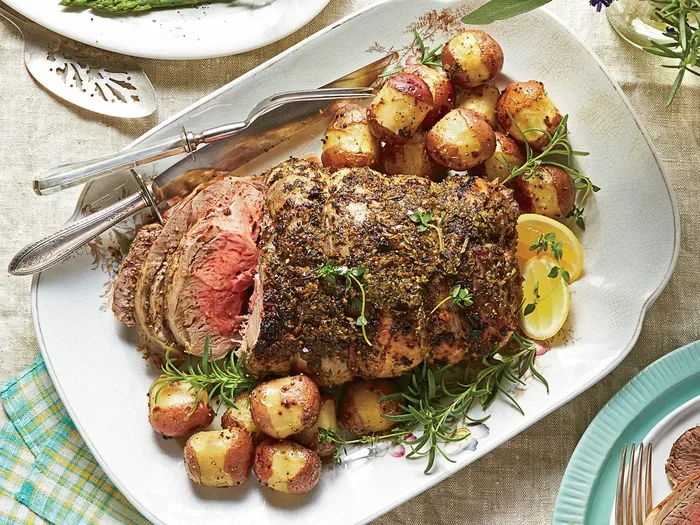
There is something truly special about a boneless lamb roast in the oven. The aroma that fills your kitchen while it cooks is irresistible. The meat turns tender and juicy, and the outside gets a beautiful golden crust. Whether you are cooking for a holiday dinner or a simple Sunday meal, this dish always impresses.
Many people feel nervous about cooking lamb for the first time. But the truth is, it is much simpler than it looks. You do not need fancy equipment or years of experience. You just need a good recipe, a reliable oven, and a little confidence. This guide will show you exactly how to cook a boneless lamb roast in the oven with foolproof results.
We will cover everything from picking the right cut at the store to slicing and serving it at the table. By the end, you will feel ready to tackle this recipe on your own. Let us get started.
Key Takeaways
- Pick the Right Cut: Choose a well-marbled boneless lamb roast for the best flavor and texture.
- Season Generously: A simple blend of garlic, rosemary, and olive oil transforms your roast into a showstopper.
- Cook Low and Slow: Roasting at 325°F to 350°F ensures even cooking and a juicy interior.
- Use a Meat Thermometer: Pull the lamb at 135°F for medium-rare or 145°F for medium for perfect doneness.
- Rest Before Slicing: Letting the roast rest for 15 to 20 minutes keeps all the juices locked in.
- Pair with Simple Sides: Roasted vegetables, garlic mashed potatoes, and a fresh salad complement lamb beautifully.
📑 Table of Contents
What You Need To Know Before You Start
Why Oven-Roasting Works So Well for Lamb
Roasting in the oven is one of the best ways to cook a boneless lamb roast. The dry heat surrounds the meat evenly. This creates a flavorful crust on the outside while keeping the inside moist. Unlike braising or grilling, oven-roasting gives you full control over the temperature.
The oven also frees up your stovetop for making sides. You can roast vegetables on a lower rack while the lamb cooks above. This makes the whole meal come together smoothly. The hands-off nature of oven roasting is perfect for busy cooks who still want amazing results.
The Science Behind A Perfect Lamb Roast
When you cook lamb in the oven, the heat slowly breaks down the proteins in the meat. This process is called denaturation. As the temperature rises, the muscle fibers relax and the collagen turns into gelatin. This is what makes the meat tender and juicy.
At the same time, the Maillard reaction takes place on the surface. This is the chemical reaction between amino acids and sugars that creates that beautiful brown crust. The key is to keep the oven temperature moderate. Too high, and the outside burns before the inside cooks. Too low, and the meat dries out.
Choosing The Right Boneless Lamb Roast
Popular Cuts To Consider
Not all lamb roasts are the same. Different cuts bring different qualities to the table. Here are the most popular options for oven roasting:
- Boneless Leg of Lamb: This is the most common choice. It is lean, flavorful, and easy to carve. A boneless leg roast works great for most families.
- Boneless Shoulder Roast: This cut has more fat and connective tissue. It is perfect for slow roasting because it stays incredibly moist.
- Lamb Loin Roast: This is a tender and lean cut. It cooks faster than other roasts and has a mild flavor.
- Lamb Tenderloin: The most tender cut of all. It is best for smaller groups and cooks very quickly.
What To Look For At the Store
When you are shopping for a boneless lamb roast, look for a few key things. The meat should have a light pink to red color. Avoid any cuts that look brown or gray. The fat should be creamy white, not yellow.
Marbling is important too. Those thin streaks of fat running through the meat will melt during cooking. This adds flavor and keeps the roast from drying out. Also, check the label. Look for lamb that is grass-fed if possible. It tends to have a richer, more complex flavor than grain-fed lamb.
Ask your butcher for advice. A good butcher can help you pick the perfect size for your gathering. They can also trim or tie the roast for you if needed.
Preparing And Seasoning Your Lamb
Essential Seasonings for Lamb
Lamb pairs beautifully with a wide range of flavors. The classic combination is garlic, rosemary, and olive oil. This simple lamb roast seasoning lets the natural flavor of the meat shine. But you can get creative too.
Here are some popular seasoning ideas for herb-crusted lamb:
- Rosemary and thyme with garlic and lemon zest
- Oregano, basil, and crushed red pepper for a Mediterranean twist
- Cumin, coriander, and smoked paprika for a Middle Eastern flavor profile
- Mint, parsley, and Dijon mustard for a fresh and tangy crust
Salt and pepper are the foundation of any great lamb roast recipe. Season the meat generously at least 30 minutes before cooking. Better yet, season it the night before and let it sit in the fridge. This gives the flavors time to penetrate deep into the meat.
How To Marinate and Prep
Marinating your lamb is optional but highly recommended. A simple marinade of olive oil, garlic, lemon juice, and herbs works wonders. Place the roast in a large zip-lock bag or a deep dish. Pour the marinade over it and turn to coat evenly.
Refrigerate for at least 2 hours, or overnight for the best results. Before cooking, take the roast out of the fridge about 30 minutes ahead. Letting it come to room temperature helps it cook more evenly. This is a small step that makes a big difference.
Quick Tips
- Pat the roast dry with paper towels before seasoning. This helps the crust form better.
- Do not skip the resting time after marinating. Flavor needs time to work its way in.
- If you are using fresh herbs, tie them to the roast with kitchen twine for easy removal later.
How To Cook A Boneless Lamb Roast In The Oven
Step-By-Step Cooking Instructions
Now comes the fun part. Here is exactly how to cook a boneless lamb roast in the oven. Follow these steps and you will have a perfect roast every time.
- Preheat your oven to 325°F (165°C). A moderate temperature is the sweet spot for even cooking.
- Prepare the roast. If it is not already tied, tie it with kitchen twine at even intervals. This helps it keep its shape while cooking.
- Season the meat generously with salt, pepper, and your chosen herbs. Rub olive oil over the surface to help the seasonings stick.
- Place the roast on a rack inside a roasting pan. The rack allows air to circulate around the meat. This promotes even browning.
- Put it in the oven and cook according to the time and temperature guide below.
- Baste the roast every 30 minutes with the pan juices. This keeps the surface moist and builds flavor.
- Check the internal temperature with a meat thermometer. This is the most important step for perfect doneness.
Temperature and Time Guide
The cooking time for a boneless lamb roast depends on the size of the cut. Here is a general guide to help you plan:
| Roast Weight | Temperature | Approximate Cook Time | Internal Temp (Remove At) |
|---|---|---|---|
| 2-3 lbs | 325°F | 45-60 minutes | 135°F (medium-rare) |
| 3-4 lbs | 325°F | 60-90 minutes | 135°F (medium-rare) |
| 4-5 lbs | 325°F | 90-120 minutes | 135°F (medium-rare) |
| 2-3 lbs | 325°F | 60-75 minutes | 145°F (medium) |
| 3-4 lbs | 325°F | 75-105 minutes | 145°F (medium) |
These times are approximate. Always rely on a lamb meat thermometer for accuracy. The lamb internal temperature will rise a few degrees after you take it out of the oven. This is called carryover cooking, and it matters a lot for lamb.
How To Tell When It Is Done
The best way to know your oven-baked lamb is done is with a digital instant-read thermometer. Insert it into the thickest part of the roast, avoiding any bones or fat pockets.
Here are the target temperatures for different levels of doneness:
- Rare: 125°F (bright red center)
- Medium-Rare: 135°F (pink and juicy center)
- Medium: 145°F (pink center, slightly firmer)
- Well-Done: 160°F (gray throughout, less juicy)
Most chefs recommend medium-rare for the best flavor and texture. This is where the lamb is most tender and juicy. If you are unsure, pull the roast a few degrees early. The carryover heat will bring it up to the right temperature as it rests.
Expert Insight
According to the USDA, lamb should be cooked to a minimum internal temperature of 145°F. However, many experienced cooks prefer 135°F for a medium-rare roast. The key is to use a reliable thermometer and trust the numbers. This takes all the guesswork out of cooking lamb.
Resting And Slicing Your Roast
Why Resting Matters
One of the biggest mistakes people make is cutting into the roast right away. When you rest lamb roast after cooking, the juices redistribute throughout the meat. If you skip this step, all those juices will run out onto the cutting board instead of staying in the meat.
Let your boneless lamb roast rest for at least 15 to 20 minutes. Tent it loosely with aluminum foil to keep it warm. The temperature will continue to rise by about 5 degrees during this time. This is your carryover cooking finishing the job.
Use this resting time to make the pan sauce. The drippings in the roasting pan are liquid gold. You can deglaze the pan with a splash of wine or broth and create a quick, delicious gravy.
The Right Way To Slice
When it is time to carve your roast, use a sharp carving knife. Cut against the grain of the meat. This shortens the muscle fibers and makes each slice more tender.
For a boneless leg of lamb, look for the direction of the muscle fibers and slice perpendicular to them. Cut slices about half an inch thick for the best balance of tenderness and flavor. Arrange the slices on a warm platter and spoon some of the pan juices over the top.
Common Mistakes To Avoid
- Skipping the rest: This is the number one mistake. Always let the roast rest before slicing.
- Using a dull knife: A sharp knife gives clean slices and preserves the juices inside the meat.
- Overcooking: Pull the roast early and let carryover heat finish the job. Overcooked lamb becomes dry and tough.
- Not seasoning enough: Lamb has a strong flavor, but it still needs adequate salt and seasoning.
Serving Suggestions And Side Dishes
Best Pairings For Lamb Roast
A great lamb roast deserves great sides. The rich, savory flavor of lamb pairs well with a variety of accompaniments. Here are some of the best options:
- Roasted root vegetables: Carrots, parsnips, and sweet potatoes caramelize beautifully alongside lamb.
- Garlic mashed potatoes: The creamy, buttery texture is a classic pairing that never disappoints.
- Greek salad: Fresh tomatoes, cucumbers, olives, and feta cheese add a bright contrast to the rich meat.
- Crusty bread: Perfect for soaking up the lamb roast juices and any pan sauce.
- Steamed green beans or asparagus: A simple, light side that balances the richness of the lamb.
Making the Most of the Juices
Do not throw away those pan drippings. They are packed with flavor and make an instant gravy. Simply pour off the excess fat from the roasting pan, leaving the drippings behind. Place the pan on the stovetop over medium heat.
Add a cup of beef or lamb broth and a splash of red wine. Scrape up any browned bits from the bottom of the pan. Let the liquid simmer until it thickens slightly. Season with salt and pepper to taste. This quick lamb roast gravy elevates the entire meal.
For a Mediterranean lamb experience, serve the roast with a drizzle of tahini sauce and a sprinkle of fresh mint. For a more rustic feel, pair it with a red wine reduction and roasted garlic cloves.
Storing and Reheating Leftover Lamb
How To Store Cooked Lamb
If you have leftovers, let the roast cool to room temperature within two hours. Store it in an airtight container in the refrigerator. Cooked lamb keeps well for up to 3 to 4 days in the fridge.
For longer storage, wrap individual slices tightly in plastic wrap and freeze them. Frozen cooked lamb stays good for up to 3 months. Thaw overnight in the refrigerator before reheating.
How To Reheat Without Drying It Out
The trick to reheating leftover oven-baked lamb is to add moisture. Place the slices in a baking dish and add a splash of broth or water. Cover tightly with foil and heat in the oven at 300°F for about 15 to 20 minutes. This gentle reheating method keeps the meat tender and juicy.
You can also reheat lamb slices in a skillet with a little broth. Just keep the heat low and cover the pan. Avoid microwaving if possible, as it tends to dry out the meat unevenly.
Conclusion
Cooking a boneless lamb roast in the oven is a rewarding experience that anyone can master. The key is to start with a good cut, season it well, and cook it at the right temperature. Use a meat thermometer to check the internal temperature, and always let the roast rest before slicing.
Once you try this recipe, you will wonder why you ever hesitated. The flavors are incredible, and the process is surprisingly simple. Whether you are feeding a family of four or hosting a holiday gathering, a perfectly roasted lamb will be the star of the table.
So go ahead. Pull out that boneless lamb roast from the freezer, fire up your oven, and give it a try. With the tips and techniques in this guide, you are set up for success. Happy cooking.
Frequently Asked Questions
How long does it take to cook a boneless lamb roast in the oven?
The cooking time depends on the size of the roast and your desired doneness. A 3 to 4 pound roast at 325°F takes about 60 to 90 minutes for medium-rare. Always use a meat thermometer to check the internal temperature rather than relying solely on time.
What is the best internal temperature for a boneless lamb roast?
For medium-rare, pull the roast at 135°F. For medium, aim for 145°F. The temperature will rise a few degrees during resting, so plan accordingly. Most people find medium-rare to be the most flavorful and juicy option.
Should I cover the lamb roast with foil while cooking?
No, leave the roast uncovered for the first part of cooking. This allows the outside to develop a beautiful golden crust. You can tent it loosely with foil during the resting period after it comes out of the oven.
Can I cook a frozen boneless lamb roast in the oven?
It is best to thaw the roast first for even cooking. If you must cook from frozen, add about 50 percent more cooking time and check the internal temperature frequently. Thawing overnight in the refrigerator is the safest method.
What are the best herbs to use for a lamb roast?
Rosemary, thyme, and oregano are classic choices that complement lamb beautifully. Fresh herbs are ideal, but dried herbs work well too. Use about one tablespoon of fresh herbs or one teaspoon of dried herbs per pound of meat.
How do I make a gravy from the lamb roast pan drippings?
Pour off excess fat from the roasting pan, leaving the drippings. Add a cup of broth or wine to the pan and place it on the stovetop over medium heat. Scrape up the browned bits and let the liquid simmer until slightly thickened. Season with salt and pepper to taste.