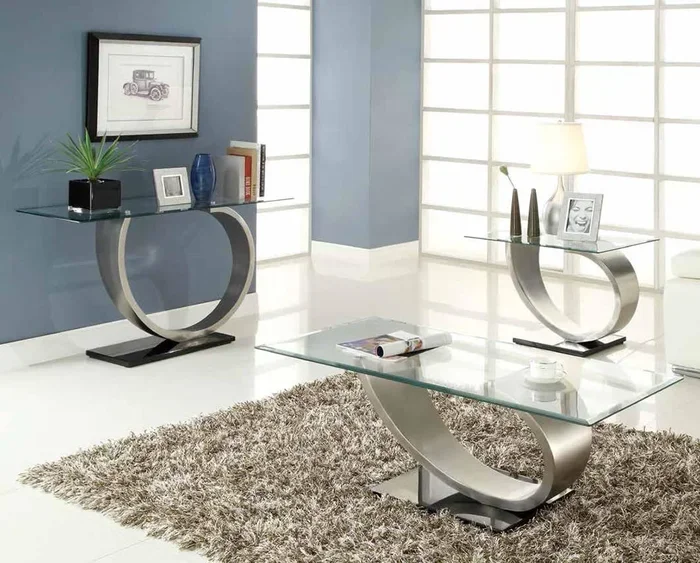
How To Make A Metal Coffee Table That Looks Amazing
Building a metal coffee table is easier than you think, and the results look incredible in any living room. This guide walks you through every step, from choosing materials to applying a flawless finish. You’ll learn practical tips, avoid common mistakes, and create a beautiful metal coffee table that lasts for years.
There is something truly satisfying about building a piece of furniture with your own hands. A metal coffee table brings an industrial, modern vibe to any room, and it is one of the most rewarding DIY projects you can tackle. Whether you are a seasoned maker or picking up tools for the first time, this guide will show you exactly how to create a table that looks amazing and holds up for years.
The beauty of a DIY metal coffee table lies in its simplicity. You do not need a fully stocked workshop or years of experience. With basic tools, a few materials, and some patience, you can build a centerpiece that friends and family will admire. Let us dive into everything you need to know.
Key Takeaways
- Simple materials: Steel pipe, flat bar, and a wooden or metal top are all you need to start.
- Welding skills help but aren’t required: Bolt-together designs work great for beginners.
- Finishing matters: Powder coating or paint gives your table a professional, long-lasting look.
- Safety first: Always wear protective gear when cutting, grinding, or welding metal.
- Customization is key: Adjust the height, style, and finish to match your home decor perfectly.
- Budget-friendly: A DIY metal coffee table costs far less than store-bought options.
- Patience pays off: Take your time with each step for the best results.
📑 Table of Contents
Why Build a Metal Coffee Table?
A metal coffee table offers several advantages over traditional wooden tables. First, metal is incredibly durable. It resists scratches, dents, and moisture damage far better than most woods. This means your table will look great even after years of daily use.
Second, metal coffee tables have a timeless industrial aesthetic that fits almost any decor style. Whether your home is modern, rustic, or mid-century, a metal frame adds character and visual interest. You can also customize the finish, color, and shape to match your personal taste.
Third, building your own table saves money. A custom metal coffee table from a furniture store can cost several hundred dollars. With a DIY approach, you can build one for a fraction of that price. Plus, you get the pride of knowing you made it yourself.
Industrial Style Appeal
The industrial design trend has been popular for years, and it is not hard to see why. Exposed metal, clean lines, and a rugged look create a warm yet edgy atmosphere. A DIY coffee table with a metal frame pairs perfectly with reclaimed wood tops, concrete surfaces, or even glass tops. The versatility of metal allows you to experiment with different combinations until you find the perfect match for your space.
Tools and Materials You Will Need
Before you start building, gather everything you need. Having all your materials and tools ready makes the process smoother and more enjoyable. Here is a complete list to get you started.
Essential Tools
- Angle grinder with cutting and grinding discs
- Welding machine (MIG welder works best for beginners)
- Drill press or hand drill with metal bits
- Measuring tape and marker
- Clamps to hold pieces in place
- Safety gear: welding helmet, gloves, and safety glasses
- Sandpaper in various grits (80, 120, and 220)
- Razor blade or scraper for cleaning
Materials List
- Steel pipe (1-inch or 1.5-inch diameter for legs)
- Flat steel bar (for bracing and support)
- Metal table top (steel plate, reclaimed metal, or wood with metal legs)
- Bolts, nuts, and screws (if using a bolt-together design)
- Welding rod or wire (depending on your welder type)
- Metal primer and paint or powder coating supplies
- Rubber feet or felt pads (to protect your floor)
You can find most of these materials at your local hardware store or metal supplier. If you are on a tight budget, check salvage yards or online marketplaces for affordable steel scraps. Repurposing materials adds a unique, rustic charm to your finished piece.
Designing Your Metal Coffee Table
Good design starts with a solid plan. Before you cut a single piece of metal, take time to sketch out your metal table plans. Think about the size, shape, and style you want. This step saves time and materials in the long run.
Choosing the Right Size
Standard coffee table dimensions range from 16 to 20 inches in height and 36 to 48 inches in length. Measure your sofa and seating area before finalizing your design. You want the table to be proportional to your furniture, not too big and not too small.
Here are some common size options for a metal coffee table:
- Small tables: 30 x 18 inches (perfect for apartments and cozy rooms)
- Medium tables: 42 x 22 inches (ideal for most living rooms)
- Large tables: 48 x 24 inches (great for open floor plans and family rooms)
Popular Design Styles
There are many styles to choose from when building a DIY coffee table. Here are three popular options:
1. Pipe Frame Table. This design uses steel pipes and fittings to create a simple, clean frame. It is the most beginner-friendly option because no welding is required. You just screw the pipes together and attach a top.
2. Welded Steel Frame Table. This involves welding steel tubing or flat bar into a custom frame. It gives you more design freedom and creates a sturdier, more permanent structure. If you have access to a welder, this is a great choice.
3. Mixed Material Table. Combine metal legs with a wood, concrete, or glass top. This approach lets you showcase the beauty of metal while keeping the table surface warm and inviting. Many people love the contrast between sleek metal and natural wood.
Sketching Your Design
Draw your design on paper or use free software like SketchUp. Include measurements for every piece. Mark where you will weld or bolt joints together. A clear sketch acts as your roadmap throughout the build.
Step-by-Step Build Process
Now comes the fun part: actually building your metal coffee table. Follow these steps carefully, and you will have a beautiful finished piece in no time.
Step 1: Cut Your Metal Pieces
Using your angle grinder, cut the steel pipe and flat bar to the lengths specified in your design. Measure twice and cut once. Accurate cuts make assembly much easier and your table look more professional.
After cutting, use the grinding disc to smooth out any rough edges or burrs. This step is important for both safety and appearance. Sharp metal edges can cause injuries and will show on the finished table.
Step 2: Assemble the Frame
If you are using a bolt-together design, drill holes through the pipe and flat bar where they will connect. Use bolts and nuts to secure each joint. Tighten everything firmly but do not overtighten, as this can warp the metal.
If you are welding, tack each joint first to hold pieces in place. Then go back and make full welds. Allow the frame to cool between welds to prevent warping. A welding table or workbench with a flat surface helps keep everything stable during assembly.
Step 3: Attach the Table Top
Once your frame is complete, it is time to attach the top. If you are using a metal plate top, bolt it directly to the frame from underneath. If you are using a wood top, use metal brackets or angle iron to secure it to the frame.
Make sure the top is centered and level. Use a spirit level to check your work. A slightly uneven table can wobble and look unprofessional, so take the time to get this right.
Step 4: Add Finishing Touches
Attach rubber feet or felt pads to the bottom of each leg. This protects your floors from scratches and prevents the table from sliding. It is a small detail that makes a big difference in the final product.
If your design includes any shelves or lower braces, install them at this stage. These add structural support and give your table a more polished, complete look.
Finishing and Protecting Your Metal Coffee Table
Finishing is what transforms a raw metal table into a stunning piece of furniture. Do not skip this step, as it protects the metal from rust and gives your table a professional appearance.
Prepping the Surface
Start by cleaning the entire table thoroughly. Remove any dust, oil, or metal shavings. Use a wire brush or sandpaper to smooth out any weld beads or rough spots. The surface should be completely clean before you apply any finish.
After sanding, wipe the table down with a damp cloth to remove all dust. Let it dry completely before moving to the next step. A clean surface ensures that your finish adheres properly and lasts longer.
Applying a Protective Finish
There are several options for finishing a metal coffee table:
- Powder coating: This is the most durable option. It creates a smooth, even finish that resists chips, scratches, and fading. You will need a powder coating gun and an oven to cure the coating.
- Spray paint: A more affordable option that still looks great. Use a metal primer first, then apply two to three thin coats of spray paint. Allow each coat to dry fully before adding the next.
- Clear coat: If you want to keep the natural metal look, apply a clear protective coat. This prevents rust while showcasing the raw metal beauty.
For best results, apply your finish in a well-ventilated area. Follow the manufacturer’s instructions for drying times and recoating. A properly finished table will look beautiful and stay protected for many years.
Adding a Rustic or Aged Look
Not everyone wants a shiny, polished metal table. If you prefer a more rustic or vintage appearance, you can create an aged finish. Apply a thin layer of vinegar and salt solution to bare steel. Let it sit for a few hours, then rinse and dry. This creates a natural, oxidized patina that gives the metal a weathered, lived-in look.
Common Mistakes to Avoid
Even experienced builders make mistakes. Here are some common pitfalls to watch out for when building your metal coffee table:
- Skipping the design phase. Jumping straight into cutting metal without a plan leads to wasted materials and uneven results. Always sketch your design first.
- Using the wrong metal. Not all metals are equal. Mild steel is affordable and easy to work with, but it rusts if not properly finished. Stainless steel does not rust but costs more. Choose the right material for your needs and budget.
- Rushing the finishing process. A quick coat of paint looks tempting, but it will not protect your table as well as a proper finish. Take your time with prep and application.
- Ignoring safety. Metalworking involves sparks, sharp edges, and fumes. Always wear appropriate safety gear and work in a well-ventilated area.
- Not checking for level. A table that rocks on the floor is frustrating to use. Always check that your finished table is level on all four legs.
Quick Tips for Success
- Use a magnet to check that your welds are bonding properly.
- Keep a bucket of water nearby to cool hot metal pieces quickly.
- Label each cut piece before assembly so you do not mix up lengths.
- Practice welding on scrap metal before working on your actual table pieces.
- If you are cleaning up metal shavings and workshop residue, remember that proper cleanup keeps your workspace safe and organized.
Maintenance Tips for Your Metal Coffee Table
Once your metal coffee table is built and finished, a little maintenance goes a long way. Here is how to keep it looking its best:
- Wipe it down regularly. Use a soft, damp cloth to remove dust and spills. Avoid harsh chemicals that can damage the finish.
- Check for rust spots. Even with a protective finish, metal can develop rust over time. If you spot any, sand the area lightly and apply a touch-up coat of paint or clear sealant.
- Use coasters and placemats. Hot mugs and wet glasses can leave marks on metal surfaces. Protect your table by always using coasters.
- Tighten bolts periodically. Over time, vibrations can loosen bolts and screws. Check them every few months and tighten as needed.
- Reapply finish if needed. If the finish starts to wear or chip, sand the affected area lightly and apply a new coat of paint or clear coat.
With proper care, your DIY metal coffee table will look amazing for decades. It becomes a cherished piece of furniture that tells the story of how you built it with your own hands.
Cleaning and Care Reminders
If you ever need to refresh your workspace or clean up after a busy building session, maintaining a clean environment helps you stay safe and organized. For general workshop cleanup, you can find helpful guides on how to clean a commercial convection oven if your workspace has one, or learn how to properly handle chemical cleaners by checking out how to burn off oven cleaner safely after using it around metal surfaces.
Final Thoughts
Building a metal coffee table is one of the most satisfying DIY projects you can complete. It combines practical skills with creative design, and the result is a functional piece of furniture that you can be proud of. From choosing your materials to applying the final finish, every step brings you closer to a table that will be the centerpiece of your living room for years to come.
Remember, the key to a great build is patience and attention to detail. Take your time with each step, do not be afraid to make mistakes, and enjoy the process. Your handmade metal coffee table will not only serve you well but also add character and style to your home. So gather your tools, grab some steel, and start building today. You will be amazed at what you can create.
Frequently Asked Questions
What type of metal is best for a DIY coffee table?
Mild steel is the most popular choice for beginners because it is affordable, easy to cut and weld, and widely available. Stainless steel is a great option if you want a rust-resistant finish, but it costs more and requires specialized welding techniques. For most DIY projects, mild steel with a proper finish will give you excellent results.
Do I need to know how to weld to build a metal coffee table?
No, welding is not required. You can build a bolt-together design using steel pipes, fittings, and a pipe wrench. This approach is perfect for beginners and still produces a sturdy, attractive table. If you want to weld, practice on scrap pieces first to build your confidence.
How much does it cost to build a metal coffee table?
A DIY metal coffee table typically costs between $50 and $150 in materials, depending on the size and finish you choose. Steel pipe and flat bar are relatively inexpensive, and you can often find scraps or remnants at hardware stores or salvage yards for even less. The biggest cost is usually the table top, especially if you choose a thick steel plate or reclaimed wood.
Can I use a wood top with metal legs?
Absolutely. Combining a wood top with metal legs is one of the most popular design choices for a DIY coffee table. The warm wood contrasts beautifully with the industrial metal frame. Just make sure to use metal brackets or angle iron to securely attach the wood to the frame, and seal the wood with a protective finish to prevent moisture damage.
How long does it take to build a metal coffee table?
A simple metal coffee table can be built in one to two weekends if you work at a relaxed pace. More complex designs with custom welds and finishes may take longer. The key is to not rush. Taking your time with each step ensures a better-looking and more durable finished product.
How do I prevent my metal coffee table from rusting?
The best way to prevent rust is to apply a proper finish. Powder coating offers the longest-lasting protection, while spray paint and clear coats also work well. Make sure to prep the surface properly before applying any finish, and touch up any scratches or chips promptly to keep moisture from reaching the bare metal.
=== CONCLUSION ===
Building a metal coffee table is a rewarding project that combines creativity, craftsmanship, and practical skill. With the right materials, tools, and a bit of patience, you can create a stunning piece of furniture that elevates your entire living space. Follow the steps in this guide, avoid common mistakes, and take pride in every weld, cut, and finish. Your handmade metal coffee table will not only serve you for years but also stand as a testament to your DIY spirit. Start your project today, and enjoy the journey of creating something truly amazing with your own hands.