Why a Popcorn Maker Is Perfect for Coffee Roasting
A popcorn maker is an affordable, easy-to-use tool for coffee roasting at home. It gives you full control over roast levels and brings out rich flavors in green coffee beans. With minimal investment, you can enjoy fresh roasted coffee that rivals specialty café quality right from your kitchen.
There is something magical about coffee roasting at home. The smell of green coffee beans transforming into rich, aromatic roasted coffee fills your entire kitchen. For years, people thought you needed expensive equipment to pull this off. But a simple popcorn maker changes everything.
If you love home coffee roasting but do not want to spend hundreds of dollars, this guide is for you. A popcorn maker for coffee roasting is one of the best-kept secrets in the coffee world. It works surprisingly well, costs very little, and gives you results that will blow your mind. Let us dive into why this humble kitchen gadget deserves a spot in your coffee routine.
Key Takeaways
- Affordable roasting: A popcorn maker costs a fraction of a dedicated coffee roaster.
- Full control: You manage temperature, timing, and roast level for customized results.
- Easy cleanup: Most models have simple parts that wash up quickly.
- Small batch friendly: Perfect for roasting just enough beans for a few cups at a time.
- Versatile use: Works for both light roast and dark roast coffee profiles.
- Quick learning curve: Beginners can achieve great results within their first few tries.
📑 Table of Contents
- What Is a Popcorn Maker and How Does It Work for Coffee Roasting
- Benefits of Using a Popcorn Maker for Coffee Roasting
- How to Roast Coffee Beans in a Popcorn Maker
- Comparing Popcorn Makers to Other Coffee Roasting Methods
- Common Mistakes to Avoid When Roasting Coffee in a Popcorn Maker
- Expert Tips for Perfect Coffee Roasting Results
- Key Takeaways
What Is a Popcorn Maker and How Does It Work for Coffee Roasting
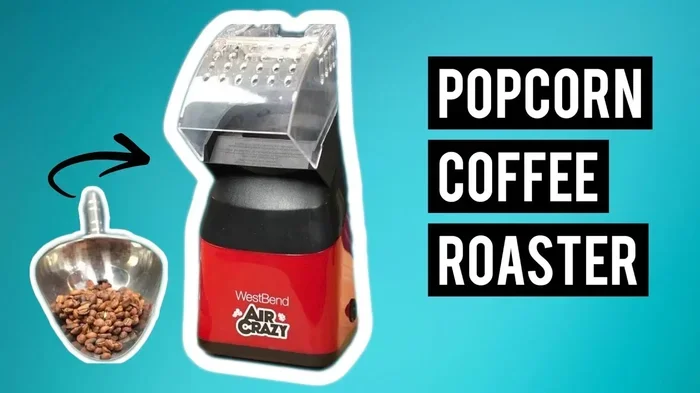
A popcorn maker is a hot air popper designed to heat kernels using circulated warm air. The same principle applies when you use it for roasting coffee beans. Hot air flows around the beans, cooking them evenly and bringing out their natural oils. This method is called air roasting, and it works beautifully with a popcorn popper.
How Air Roasting Compares to Traditional Methods
Traditional coffee roasting uses a drum or a skillet. With a drum roaster, beans tumble in a heated metal container. With a popcorn maker, hot air does the tumbling for you. The beans circulate freely inside the machine, which means no single bean gets burned.
This is a big advantage. When you roast in a skillet, you have to stir constantly. A popcorn popper for coffee handles the movement automatically. The hot air lifts the beans, flips them, and sends them back around in a continuous cycle.
Many home roasters prefer this method because it produces a cleaner, more even roast. You also get less smoke compared to pan roasting, especially with lighter roast levels. The airflow pulls chaff away from the beans, keeping things cleaner too.
Why Heat Circulation Matters
Even heat distribution is the secret to great coffee roasting. Hot spots in a pan can scorch some beans while leaving others under-roasted. A popcorn maker solves this problem with consistent airflow.
Think of it like an oven versus a grill. The oven surrounds food with heat from all sides. A grill only heats from below. The popcorn maker works like a tiny convection oven for your beans. This even heating helps you achieve a uniform roast profile every single time.
Benefits of Using a Popcorn Maker for Coffee Roasting
Switching to a popcorn maker for your home coffee roasting journey comes with several real advantages. Here is why so many coffee lovers are making the switch.
Cost Savings
A dedicated coffee bean roaster can cost anywhere from $200 to over $2,000. A quality popcorn popper, on the other hand, costs between $30 and $80. That is a huge savings for someone just getting started with roast coffee beans at home.
You do not need to invest in expensive gear to make excellent coffee. A popcorn maker for coffee roasting delivers results that rival machines costing ten times the price. The money you save can go toward buying better green coffee beans from specialty suppliers.
Compact Size and Portability
Most popcorn makers are small enough to fit on a kitchen counter or in a cupboard. Unlike bulky drum roasters, a popper takes up very little space. This makes it perfect for apartment dwellers or anyone with limited kitchen area.
The lightweight design also means you can take it anywhere. Want to roast beans at a friend’s house or during a camping trip? A popcorn popper for coffee is easy to pack and transport. Just make sure you have a power source nearby.
Quick Roasting Sessions
A full batch of roast coffee beans takes only about 4 to 6 minutes in a popcorn maker. Compare that to 15 to 20 minutes in a traditional roaster. The speed comes from the intense hot air circulation, which transfers heat to the beans very efficiently.
Quick roasting also means less time standing over a hot machine. You can roast a small batch during a coffee break and have fresh beans ready before your mug cools down. This speed makes it easy to roast small batch coffee roasting sessions several times a week.
Easy to Clean
Most popcorn makers have removable parts that are dishwasher safe. After a roasting session, you simply empty the chaff tray, remove the popping chamber, and wash everything. There are no greasy pans to scrub or complicated parts to disassemble.
This simplicity is a huge benefit for regular roasters. The less time you spend cleaning, the more time you spend enjoying your fresh roasted coffee. A clean machine also performs better, so maintenance is straightforward and quick.
How to Roast Coffee Beans in a Popcorn Maker
Getting started with coffee roasting in a popcorn maker is straightforward. You do not need any special skills or experience. Follow these steps and you will be sipping homemade roasted coffee in no time.
Step 1: Choose Your Green Coffee Beans
Start with high-quality green coffee beans. You can buy them online or from local roasters who sell green beans. Look for beans that are fresh and free of moisture damage. The origin and variety of the bean will affect the final flavor, so experiment with different sources.
Single-origin beans are a great place to start. They let you taste the unique characteristics of a specific region. Whether you prefer fruity Ethiopian beans or chocolatey Colombian beans, roasting them at home brings out flavors you cannot get from store-bought roasted coffee.
Step 2: Measure Your Beans
Do not overfill the popcorn maker. Most machines work best with about 2 to 4 ounces of beans at a time. Overloading restricts airflow and leads to uneven roasting. Start with a smaller batch to learn how your machine behaves.
As you gain experience, you can increase the amount slightly. But always leave room for the beans to move freely. Think of it like loading a dishwasher, if you pack too much in, nothing gets cleaned properly.
Step 3: Start Roasting
Turn on the popcorn maker and let it heat up for about 30 seconds. Add the green beans through the chute. You will hear the beans start to crackle after about 2 to 3 minutes. This is called the first crack, and it signals the beginning of the roasting process.
Watch the color change carefully. For a light roast coffee, pull the beans just after the first crack. For a medium roast, wait until you see a second crack starting. For a dark roast, let the beans continue roasting through the second crack.
Use a timer and keep notes. Every batch is slightly different, and tracking your results helps you refine your technique. Over time, you will develop an instinct for the perfect roast level.
Step 4: Cool the Beans Quickly
Once the beans reach your desired roast level, pour them into a metal colander or a metal bowl. Shake them vigorously to release heat. You can also use a fan to blow air over the beans and speed up cooling.
Rapid cooling stops the roasting process and locks in the flavor profile you worked hard to achieve. Do not let the beans sit in the hot popping chamber. Residual heat will continue cooking them, which can lead to a bitter dark roast that goes too far.
Step 5: Degas and Enjoy
Freshly roasted beans release carbon dioxide for the first 24 to 48 hours. Let them rest in an open container before grinding. This resting period, called degassing, allows the flavors to develop fully.
After degassing, grind the beans and brew your coffee. The difference between store-bought roasted coffee and beans you roasted yourself is remarkable. You will taste brighter, fresher, and more complex flavors in every cup.
Comparing Popcorn Makers to Other Coffee Roasting Methods
There are several ways to roast coffee at home. Each method has its strengths and weaknesses. Here is how a popcorn maker stacks up against other popular options.
| Method | Cost | Ease of Use | Batch Size | Roast Quality |
|---|---|---|---|---|
| Popcorn Maker | $30-$80 | Very Easy | Small (2-4 oz) | Excellent for home use |
| Stovetop Popper | $40-$100 | Easy | Small (2-4 oz) | Very Good |
| Drum Roaster | $200-$2,000 | Moderate | Medium-Large | Professional Grade |
| Cast Iron Skillet | $20-$50 | Difficult | Small (1-3 oz) | Good but uneven |
| Oven Roasting | $0 (uses existing oven) | Moderate | Medium | Good but smoky |
As you can see, a popcorn maker offers the best balance of cost, ease, and quality for home roasters. The cast iron skillet method is cheap but requires constant stirring and produces uneven results. An oven works but fills your kitchen with smoke. The popcorn maker gives you clean, even roasting with minimal mess.
Some people also use a commercial oven for baking to roast coffee, but the results are less consistent. Ovens are not designed for the small batch sizes that coffee roasting requires. The heat distribution is not as focused, and you end up heating your entire kitchen.
Common Mistakes to Avoid When Roasting Coffee in a Popcorn Maker
Even though a popcorn maker is simple to use, there are a few pitfalls to watch out for. Avoiding these mistakes will help you get better results from your very first batch.
Overfilling the Machine
Stuffing too many beans into the popper blocks airflow. This leads to uneven roasting and burnt beans. Stick to the recommended batch size and resist the temptation to roast more at once.
Skipping the Cooling Step
Some beginners pull the beans out and let them sit in the basket. This is a mistake. The residual heat continues to roast the beans, often pushing them past your target roast level. Always cool beans quickly and thoroughly after roasting.
Not Ventilating Your Space
Roasting coffee produces smoke and chaff. Even with a popcorn maker, you should roast in a well-ventilated area or near an open window. A kitchen exhaust fan helps too. Breathing in too much coffee smoke is not good for you.
Ignoring Bean Moisture Content
Beans with too much moisture roast differently than dry beans. Store your green coffee beans in a cool, dry place before roasting. If beans feel damp, let them air dry for a day or two before roasting.
Expert Tips for Perfect Coffee Roasting Results
Once you get comfortable with the basics, these expert tips will help you take your home coffee roasting to the next level.
- Use a timer from the moment you add beans. Tracking roast time helps you repeat your favorite profiles consistently.
- Invest in a laser thermometer. Measuring the temperature inside the popping chamber gives you more control over coffee roasting temperature.
- Experiment with different roast levels. Try roasting the same bean to light, medium, and dark profiles. You will discover flavor notes you never noticed before.
- Store roasted beans in a one-way valve bag. This lets carbon dioxide escape without letting oxygen in, keeping your beans fresh longer.
- Clean your popcorn maker after every use. Residual chaff and oils build up over time and can affect the taste of your next batch.
- Compare your results to store-bought roasts. Tasting side by side helps train your palate and refine your technique.
If you already own an oven, you might wonder whether it can work for roasting too. While an oven is versatile, it is not ideal for the small, focused batches that coffee roasting demands. The popcorn maker gives you precision and speed that an oven simply cannot match.
Also, consider pairing your new roasting hobby with a quality coffee grinder. Freshly roasted beans taste best when ground just before brewing. If you already have a grinder, make sure it is suitable for the grind size you prefer. Some grinders work better for espresso, while others shine with drip or French press methods.
Key Takeaways
- Affordable entry point: A popcorn maker costs a fraction of a dedicated roaster and delivers impressive results.
- Even roasting: Hot air circulation ensures consistent roast quality across every bean.
- Fast and efficient: Complete a roast in just 4 to 6 minutes, making it easy to do regularly.
- Simple cleanup: Removable, dishwasher-safe parts make maintenance a breeze.
- Full flavor control: You decide the roast level, from light to dark, based on your personal preference.
- Perfect for beginners: No special skills are needed, and you will improve with each batch.
Frequently Asked Questions
Can any popcorn maker be used for coffee roasting?
Most hot air popcorn poppers work well for coffee roasting. Look for models with a stirring mechanism and good airflow. Avoid microwave popcorn makers, as those are not designed for the sustained heat needed for roasting beans.
How long does it take to roast coffee beans in a popcorn maker?
A typical roasting session takes between 4 and 6 minutes. The exact time depends on your machine, the batch size, and the roast level you are aiming for. Light roasts usually take less time, while dark roasts need a few extra minutes.
Is coffee roasting in a popcorn maker safe?
Yes, it is generally safe when done properly. Always roast in a ventilated area, use heat-resistant surfaces, and never leave the machine unattended. The popcorn maker can get very hot, so keep it away from flammable materials.
Can I reuse popcorn kernels after roasting coffee in the machine?
It is not recommended. Coffee oils and residue can affect the taste of popcorn if you switch back and forth. It is best to dedicate a popcorn maker to coffee roasting or thoroughly clean it between uses.
What is the best temperature for roasting coffee in a popcorn maker?
Most popcorn makers reach temperatures between 400 and 460 degrees Fahrenheit, which is ideal for coffee roasting. You do not need to adjust the heat manually. Simply monitor the bean color and listen for the cracks to determine your roast level.
Do I need to buy green coffee beans specifically for this?
Yes, you need green (unroasted) coffee beans. These are the raw beans that have not been through any roasting process. You can find them online or at specialty coffee shops. Roasted beans from the store will not work because they have already been roasted.
=== CONCLUSION ===
A popcorn maker for coffee roasting is one of the smartest investments you can make for your coffee routine. It is affordable, fast, easy to use, and delivers results that genuinely rival professional equipment. Whether you are a curious beginner or an experienced home roaster looking for a second machine, a popcorn popper deserves a place in your kitchen.
The beauty of this method is how accessible it makes home coffee roasting. You do not need a workshop, expensive gear, or years of experience. All you need is a popcorn maker, some quality green coffee beans, and a willingness to experiment. Within a few batches, you will notice a dramatic improvement in the flavor of your coffee.
Start small, keep notes, and enjoy the journey. The world of fresh roasted coffee is waiting for you, and a popcorn maker is the perfect tool to unlock it. Grab a bag of green beans, fire up your popper, and taste the difference that truly fresh-roasted coffee can make in your morning cup.