What Is The Lifespan Of A Microwave Oven Explained
The average lifespan of a microwave oven is 7 to 10 years with regular care. Your microwave lifespan depends on how often you use it, the model type, and maintenance habits. In this guide, you’ll learn what affects microwave oven lifespan, how to spot early warning signs, and simple tips to get the most years out of your appliance.
Your microwave is one of the hardest-working appliances in your kitchen. It heats up leftovers in seconds and makes popcorn in minutes. But like all machines, it won’t last forever. So, what is the lifespan of a microwave oven? The answer depends on several factors, but most units serve you well for 7 to 10 years. Some last even longer with proper care.
Understanding microwave oven lifespan helps you plan for replacement and avoid unexpected breakdowns. You’ll also save money by knowing when to repair and when to buy new. In this guide, I’ll walk you through everything you need to know. We’ll cover the average microwave lifespan, warning signs, and simple tips to keep your microwave running strong.
Whether you have a compact countertop model or a sleek built-in unit, this article is for you. I’ll share practical advice that anyone can follow. Let’s dive in and learn how to get the most from your appliance.
Key Takeaways
- Average lifespan is 7–10 years: Most countertop models last between 7 and 10 years with normal home use.
- Usage frequency matters most: The more you use it, the faster parts like the magnetron wear out.
- Cleaning and ventilation extend life: Regular cleaning and proper airflow prevent overheating and damage.
- Magnetron wear is the biggest killer: This core component often fails first and is costly to replace.
- Repair vs. replace wisely: If repair costs exceed 50% of a new unit’s price, replacement is usually smarter.
- Proper disposal helps the planet: Recycling old microwaves keeps harmful materials out of landfills.
📑 Table of Contents
- What Is the Lifespan of a Microwave Oven? Key Factors and Averages
- Average Lifespan: How Long Do Microwaves Last by Type?
- Warning Signs Your Microwave Is Nearing the End
- Simple Tips to Extend the Life of Your Microwave
- Repair or Replace? Making the Smart Choice
- Eco-Friendly Disposal and Recycling
- Conclusion
What Is the Lifespan of a Microwave Oven? Key Factors and Averages
The lifespan of a microwave oven is not a fixed number. It varies by brand, usage, and care. Most manufacturers estimate 7 to 10 years for home models. Commercial units in busy restaurants may last only 3 to 5 years because they run for hours each day. Understanding the factors that play a role helps you set realistic expectations.
How Often You Use It
Frequency is the single biggest factor. A family that reheats meals twice a day puts more wear on the appliance than someone who uses it once a week. The magnetron, which generates the microwaves, has a limited number of operating hours. Heavy use shortens the overall microwave lifespan because the internal components heat up more often and degrade faster.
Build Quality and Model Type
Not all microwaves are built the same. Premium models use better internal parts and sturdier cabinets. A cheap budget unit may fail after 5 years, while a high-end model can go 12 years or more. The type of microwave also matters. Countertop, over-the-range, and built-in models each have different stress profiles.
The Role of the Magnetron
The magnetron is the heart of your microwave. It converts electrical energy into microwave radiation. Over time, its efficiency drops. When the magnetron weakens, you notice uneven heating or longer cook times. Eventually, it fails completely. Replacing a magnetron is often expensive, which is why many owners choose to replace the whole unit instead.
Power Surges and Electrical Issues
Electrical spikes can damage the internal circuitry. A surge protector helps, but many people plug microwaves directly into wall outlets. Frequent surges from lightning or grid issues can shorten the lifespan of a microwave oven by years. In areas with unstable power, a surge protector is a small investment that pays off.
Quick Tips: Protect Your Microwave from Power Surges
- Use a surge-protected power strip for your microwave.
- Unplug the unit during electrical storms.
- Avoid running the microwave on the same circuit as heavy appliances like refrigerators.
- Check your home’s wiring if you experience frequent breaker trips.
Common Mistakes That Shorten Microwave Life
Many habits silently damage your microwave. Running it empty is one of the worst. Without food to absorb the energy, the microwaves bounce around and damage the magnetron. Another mistake is using metal cookware or aluminum foil, which causes sparking. Slamming the door over time can also misalign the safety switches.
Average Lifespan: How Long Do Microwaves Last by Type?
The microwave lifespan varies significantly by model. Here is a general breakdown of what you can expect from each type. These numbers assume normal home use and regular cleaning.
| Microwave Type | Average Lifespan | Typical Cost (New) | Notes |
|---|---|---|---|
| Countertop | 7–10 years | $80–$300 | Most common. Easy to replace. |
| Over-the-Range | 8–12 years | $200–$600 | Built-in ventilation adds strain but also protection. |
| Built-In | 10–15 years | $400–$1,200 | Higher quality parts and better installation. |
| Compact/Mini | 4–7 years | $50–$150 | Smaller magnetron and lighter use. |
| Commercial | 3–5 years | $500–$2,000+ | Heavy daily use wears parts quickly. |
As you can see, built-in models tend to last the longest. Their installation allows for better airflow and they are often made with higher-grade components. Countertop units are the most replaceable, which makes them a popular choice for renters and budget-conscious buyers.
Countertop Microwaves
The standard countertop microwave is found in millions of kitchens. Its microwave oven lifespan averages 7 to 10 years. These units are portable and easy to service. Because they sit on a counter, they stay cooler than over-the-range models, which can extend their life. However, they are also more prone to physical bumps and spills.
Over-the-Range Microwaves
Over-the-range microwaves double as a range hood. They vent cooking fumes and provide overhead lighting. Their lifespan of a microwave oven is typically 8 to 12 years. The built-in exhaust fan adds an extra motor that can wear out. Grease buildup in the filter also strains the unit. Regular filter cleaning keeps them running longer.
Built-In and Commercial Models
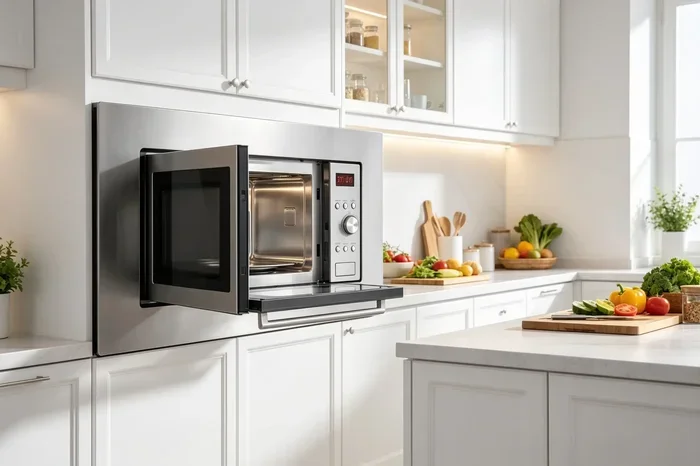
Built-in microwaves are integrated into cabinetry. They often cost more but last longer. A quality built-in model can easily reach 15 years. Commercial microwaves, on the other hand, are built for volume. They use powerful magnetrons but run almost constantly, so their lifespan is shorter. Many restaurants replace them every 3 to 5 years.
Expert Insights: Why Built-In Models Often Last Longer
Built-in microwaves benefit from stable installation and dedicated electrical circuits. They are not moved around, which reduces physical stress. The cabinetry also provides better ventilation, preventing overheating. When you invest in a built-in unit, you are paying for durability and long-term performance.
Warning Signs Your Microwave Is Nearing the End
Knowing the early warning signs of a failing microwave helps you avoid food safety issues and sudden breakdowns. Some problems are easy to fix. Others signal that the unit’s microwave lifespan is over. Here are the most common red flags.
Unusual Noises and Sounds
A healthy microwave hums quietly. If you hear loud buzzing, crackling, or rattling, something is wrong. A failing magnetron often produces a high-pitched hum. Loose turntable rollers can cause grinding noises. Ignoring these sounds can lead to complete failure within weeks.
Sparks and Smoke
Sparks inside the cavity are a serious warning. They usually happen when metal objects or foil are used. But if sparks appear without metal, the waveguide cover may be damaged. Smoke means something is overheating. Unplug the unit immediately and do not use it again until a technician inspects it.
Uneven Heating and Cold Spots
Food that heats unevenly is a classic sign of a weakening magnetron. Cold spots can also mean the turntable is not rotating properly. If you notice that your leftovers are cold in the middle even after extra time, the lifespan of a microwave oven may be ending.
Door Seal Problems
The door seal prevents microwave radiation from leaking. If the seal is cracked or dirty, energy escapes and efficiency drops. A damaged seal also poses a safety risk. Inspect the seal regularly for wear, food residue, or warping. A simple cleaning can sometimes fix minor issues, but a torn seal needs replacement.
Key Takeaways: When to Stop Using Your Microwave Immediately
- Sparks or smoke: Unplug the unit and do not use it again.
- Loud grinding or buzzing: Stop using it and seek professional repair.
- Radiation leakage: If the door does not close properly or the seal is visibly damaged, replace the unit.
- Age over 10 years with frequent issues: Replacement is often more cost-effective than repeated repairs.
Simple Tips to Extend the Life of Your Microwave
You cannot stop aging, but you can slow it down. A few simple habits can add years to your microwave oven lifespan. These tips are easy to follow and require no special tools.
Clean It Regularly
Food splatter absorbs microwave energy and causes arcing. Wipe the interior after every use. Once a week, deep clean with a mixture of water and vinegar. Remove the turntable and wash it separately. A clean microwave runs cooler and more efficiently. This simple habit is one of the best ways to protect your microwave lifespan.
Let It Breathe
Microwaves need airflow around the vents. Do not push the unit flush against the wall. Keep at least a few inches of space on all sides. Overheating is a leading cause of premature failure. If your microwave has a rear vent, make sure nothing blocks it.
Use the Right Cookware
Only use microwave-safe containers. Glass, ceramic, and microwave-safe plastics are safe. Metal, including aluminum foil and gold-trimmed plates, causes sparking. Avoid hard-boiled eggs in their shells because they can explode. Using proper cookware protects the interior and the magnetron.
Avoid Running It Empty
Running a microwave with nothing inside sends energy back into the magnetron. This can burn it out quickly. If you need to test the unit, place a cup of water inside first. Never operate an empty microwave for more than a few seconds.
Quick Tips: A Weekly Cleaning Routine
- Wipe the interior with a damp cloth after each use.
- Heat a bowl of water with lemon slices for 3 minutes to loosen grime.
- Clean the turntable and roller ring with warm soapy water.
- Wipe the door seal with a damp cloth to remove residue.
- Vacuum the exterior vents to remove dust buildup.
Repair or Replace? Making the Smart Choice
When your microwave breaks down, the first question is always: should I repair or replace it? The answer depends on the age of the unit, the cost of repair, and the problem itself. A simple fix can extend the lifespan of a microwave oven by years. But sometimes replacement is the only sensible option.
Cost of Common Repairs
Common repairs include replacing the magnetron, the high-voltage diode, or the door switch. A magnetron replacement can cost $100 to $200, plus labor. A door switch is cheaper, often under $50. The control board can be expensive, sometimes exceeding $150. Before calling a technician, get a clear estimate. Compare that number to the cost of a new microwave.
When Replacement Makes Sense
If your microwave is over 10 years old and needs a major part replacement, replacement is usually the better choice. New models are more energy-efficient. They often come with modern safety features and better warranty coverage. A new microwave lifespan gives you another 7 to 10 years of reliable service. For older units, repair costs often exceed 50% of the replacement price.
Check Your Warranty First
Many microwaves come with a 1-year limited warranty. Some premium brands offer 2 or 3 years. If your unit is still under warranty, the repair may be free or low-cost. Contact the manufacturer before scheduling a paid service. Keep your receipt and model number handy.
Common Mistakes: Ignoring Small Issues
Many owners ignore small problems like a slightly uneven heat or a faint buzzing sound. These minor issues often point to a failing component. Ignoring them can cause a chain reaction that damages other parts. Addressing small problems early saves money and extends the microwave oven lifespan.
Eco-Friendly Disposal and Recycling
When your microwave finally reaches the end of its microwave oven lifespan, do not throw it in the trash. Microwaves contain metals, plastics, and electronic components that can harm the environment. Proper disposal and recycling are important steps for any responsible homeowner.
Why Proper Disposal Matters
Old microwaves can leak small amounts of hazardous materials if crushed in a landfill. The capacitor inside can hold a charge even when unplugged, posing a shock risk. Recycling ensures these materials are safely recovered. It also reduces the need for new raw materials, which benefits the planet.
How to Recycle an Old Microwave
Many local recycling centers accept electronics. Check with your municipal waste department for drop-off locations. Some retailers offer take-back programs when you buy a new microwave. You can also schedule a pickup with a certified e-waste recycler. Always remove any personal data from smart models before disposal.
Quick Tips: Donating a Working Microwave
- If your microwave still works, consider donating it to a local charity or shelter.
- Many thrift stores accept working microwaves and give them a second life.
- Check with community organizations that help families in need of kitchen appliances.
- Freecycling groups online can connect you with someone who needs a microwave.
Conclusion
The lifespan of a microwave oven is shaped by how you use it, how well you care for it, and the quality of the model you choose. Most home microwaves last between 7 and 10 years. With the right habits, you can push that number closer to 15. Regular cleaning, proper ventilation, and surge protection are simple yet powerful steps. Pay attention to warning signs like sparking, uneven heating, or strange noises. When repair costs climb, a new unit gives you a fresh microwave lifespan and modern features.
Your microwave is a workhorse that deserves respect. Treat it well, and it will serve you reliably for years. Start today with one small change, like a weekly cleaning routine. Your future self will thank you when the microwave keeps humming long after the warranty expires.
Frequently Asked Questions
What is the average lifespan of a microwave oven?
Most home microwaves last between 7 and 10 years. The exact microwave lifespan depends on how often you use it, the model type, and how well you maintain it. Built-in models often last longer than basic countertop units.
How can I make my microwave last longer?
Clean the interior regularly, avoid running it empty, use microwave-safe cookware, and protect it from power surges. Letting the microwave breathe with proper ventilation also helps. These simple habits can extend the lifespan of a microwave oven by several years.
Is it worth repairing a 10-year-old microwave?
It depends on the repair cost. If the repair is under 50% of the price of a new microwave, it may be worth it. But for older units, frequent breakdowns suggest the microwave lifespan is ending. A new model is often more energy-efficient and safer.
What are the signs that a microwave is failing?
Watch for sparking, smoke, loud buzzing or grinding noises, uneven heating, and a damaged door seal. If you notice any of these, stop using the unit and have it inspected. These are clear signs that the lifespan of a microwave oven may be over.
Can a microwave last 15 years?
Yes, high-quality built-in models can last 15 years or more with proper care. The key factors are light usage, regular cleaning, and avoiding common mistakes like running it empty. Premium brands also use more durable components that resist wear.
What should I do with an old microwave?
Do not throw it in the regular trash. Recycle it at a local e-waste center or through a retailer take-back program. If it still works, donate it to a charity. Proper disposal protects the environment and keeps harmful materials out of landfills.