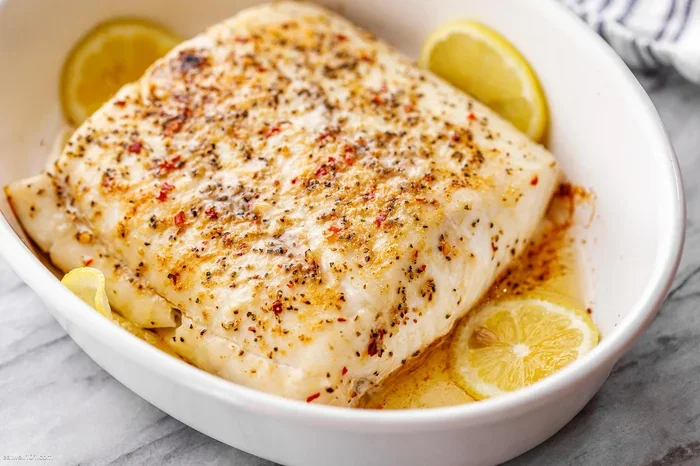
What Temp To Bake Halibut In Oven For Perfect Results
Baking halibut at 400°F to 425°F delivers the best balance of crispy edges and moist, flaky flesh. The ideal internal temperature for halibut is 145°F, and cooking times typically range from 12 to 20 minutes depending on fillet thickness. This guide walks you through every step to get perfect oven-baked halibut with minimal effort.
There are few things as satisfying as pulling a beautiful piece of halibut out of the oven. The fillet is golden on the outside, flaky on the inside, and packed with flavor. But getting to that point can feel tricky if you do not know the right halibut baking temperature or how long to leave it in.
What temp to bake halibut in oven is one of the most common questions home cooks ask. The answer is simpler than you think. With the right oven temperature for fish, a little patience, and a few smart tips, you can serve restaurant-quality baked halibut at home every single time. This guide covers everything you need to know, from choosing the right temperature to avoiding the mistakes that ruin a perfectly good fillet.
Key Takeaways
- Best temperature: Bake halibut at 400°F to 425°F for optimal flavor and texture.
- Internal temp matters: Always check that halibut reaches 145°F for food safety.
- Thickness is key: Thicker fillets need lower temps and longer cook times; thinner pieces bake faster.
- Don’t overcook: Halibut dries out quickly, so pull it off the heat just as it flakes easily.
- Season simply: Olive oil, lemon, garlic, and herbs let the natural flavor shine.
- Use the right pan: Parchment paper or a baking sheet lined with foil prevents sticking.
- Rest before serving: Let halibut rest for 3 to 5 minutes after baking for juicier results.
📑 Table of Contents
- Why Baking Halibut in the Oven Works So Well
- The Best Temperature to Bake Halibut
- Halibut Baking Temperature Chart
- How to Prepare Halibut for Baking
- Common Mistakes to Avoid When Baking Halibut
- Quick Tips for Moist and Flavorful Baked Halibut
- Expert Insights on Cooking Halibut Perfectly
- Pairing Baked Halibut with Sides and Sauces
- How to Store and Reheat Baked Halibut
- Frequently Asked Questions
- Conclusion
Why Baking Halibut in the Oven Works So Well
Oven baking is one of the best ways to cook halibut fillets. Unlike stovetop cooking, the oven surrounds the fish with even heat. This means fewer hot spots and less chance of burning one side. The gentle, consistent warmth also helps the fish stay moist while developing a lovely golden crust.
Halibut is a lean white fish. It has a mild, slightly sweet flavor that pairs well with almost any seasoning. Because it contains less fat than salmon or tuna, it can dry out fast if you are not careful. That is exactly why knowing the right halibut oven recipe temperature matters so much.
When you bake halibut at the correct baked halibut tips temperature, the proteins cook slowly and evenly. The flesh stays tender and flakes apart beautifully. A too-high oven can scorch the outside before the inside is done. A too-low oven can leave the fish soggy and pale. Getting the balance right is the key to perfect oven-baked halibut.
The Best Temperature to Bake Halibut
The short answer to what temp to bake halibut in oven is between 400°F and 425°F. This range works for most fillets and gives you great results. But there is a bit more to it than just picking a number.
400°F: The Safe and Reliable Choice
Baking halibut at 400°F is the most popular choice among home cooks. At this temperature, the fish cooks through evenly without drying out too quickly. A standard fillet that is about one inch thick will take roughly 15 to 18 minutes at 400°F.
This temperature works especially well if you are using a halibut recipe with a breadcrumb topping or a sauce. The slightly lower heat gives the topping time to crisp while the fish cooks gently underneath. It is also forgiving, which makes it great for beginners who are still learning how long to bake halibut.
425°F: For Faster Cooking and Crispier Results
If you want your halibut fillet baking done faster with a bit more color, 425°F is the way to go. At this higher temperature, a one-inch fillet will be done in about 12 to 15 minutes. The edges get a nice golden-brown crust while the center stays soft and moist.
425°F works best for thinner fillets or when you are in a hurry. Just keep a close eye on the fish. Because the heat is higher, the window between perfectly done and overcooked is smaller. Use a halibut doneness check by gently pressing the top of the fillet. If it feels firm but still has a little give, it is ready.
375°F: For Thicker or Stuffed Halibut
Sometimes a lower temperature makes more sense. If your halibut fillet is thicker than one and a half inches, or if you are baking stuffed halibut, 375°F gives the inside more time to cook without burning the outside. This approach is common in oven-baked halibut recipes that include fillings like crab meat, spinach, or cheese.
At 375°F, expect the cooking time to extend to 20 to 25 minutes for a thick fillet. The trade-off is a softer crust, but the fish stays incredibly moist. This is a great method if you prioritize tenderness over crispiness.
Halibut Baking Temperature Chart
Use this quick reference chart to decide on the right halibut baking temperature based on your fillet thickness and desired outcome.
| Oven Temperature | Fillet Thickness | Approximate Cook Time | Best For |
|---|---|---|---|
| 375°F | 1.5 inches or thicker | 20 to 25 minutes | Stuffed halibut, thick fillets, gentle cooking |
| 400°F | 1 inch thick | 15 to 18 minutes | Standard fillets, breadcrumb toppings, sauces |
| 425°F | 0.5 to 1 inch | 12 to 15 minutes | Thin fillets, quick weeknight meals, crispy edges |
These times are estimates. The actual cooking halibut in oven time depends on your specific oven, the starting temperature of the fish, and the pan you use. Always use a meat thermometer to confirm the internal temperature reaches 145°F. That is the halibut internal temperature recommended by food safety experts.
How to Prepare Halibut for Baking
Proper preparation makes a big difference in your final result. Taking a few extra minutes before the fish goes in the oven can mean the difference between good halibut and great halibut.
Pat the Fish Dry
Use a paper towel to pat the halibut fillet dry on both sides. Moisture on the surface creates steam, which prevents browning and leads to a soggy texture. A dry surface helps the fish develop a beautiful golden crust at any halibut baking temperature.
Season Simply and Well
Halibut has a delicate flavor that shines with minimal seasoning. A drizzle of olive oil, a sprinkle of salt and pepper, and a squeeze of fresh lemon juice is all you need. If you want more flavor, add minced garlic, fresh dill, or a pinch of smoked paprika.
For a more indulgent halibut oven recipe, try a simple glaze made from melted butter, honey, and Dijon mustard. Brush it on the fillet before baking, and the fish comes out glazed and flavorful.
Choose the Right Pan
A rimmed baking sheet works great for most oven-baked halibut. Line it with parchment paper or aluminum foil to make cleanup easy and prevent the fish from sticking. If you want to get fancy, a lightly greased cast iron skillet also works well and adds a nice sear to the bottom of the fillet.
Bring the Fish to Room Temperature
Take the halibut out of the refrigerator about 15 to 20 minutes before baking. Letting it sit at room temperature helps it cook more evenly. Cold fish placed in a hot oven can cook unevenly, with the outside overcooking before the center is done.
Common Mistakes to Avoid When Baking Halibut
Even experienced cooks make mistakes with halibut fillet baking. Knowing what to avoid saves you from dry, tough, or undercooked fish.
Overcooking the Fish
The most common mistake is leaving halibut in the oven too long. Halibut is a lean fish with very little fat, so it dries out fast once it passes the halibut doneness point. As soon as the internal temperature hits 145°F and the flesh flakes easily with a fork, pull it out. The residual heat will continue to cook the fish slightly as it rests.
Skipping the Thermometer
guessing whether halibut is done is risky. Invest in a simple instant-read meat thermometer. Insert it into the thickest part of the fillet, and make sure it reads 145°F. This is the safest and most reliable way to check halibut internal temperature. Without a thermometer, you risk either undercooking or overcooking the fish.
Using a Cold Pan
Placing cold halibut on a cold pan and then putting it in the oven can lead to uneven cooking. Let the pan heat up slightly with the oven, or at least place the fillet on a room-temperature baking sheet. This small step helps the fish start cooking immediately and more evenly.
Overcrowding the Pan
If you are baking multiple fillets, give them space on the pan. Overcrowding traps steam and prevents proper air circulation. The result is fish that steams instead of bakes, leading to a pale, soft texture rather than a golden, flaky finish.
Quick Tips for Moist and Flavorful Baked Halibut
Here are some baked halibut tips that will elevate your results every time:
- Brush with oil: A thin layer of olive oil on the top of the fillet keeps the surface moist and promotes browning.
- Add a splash of liquid: Pour a little white wine, lemon juice, or fish stock into the bottom of the baking pan. The steam created keeps the fish moist.
- Use fresh herbs: Fresh thyme, rosemary, or dill placed on top of the fillet infuse the fish with aromatic flavor as it bakes.
- Let it rest: After removing the halibut from the oven, let it sit for 3 to 5 minutes before serving. This allows the juices to redistribute throughout the fillet.
- Flip halfway: For thicker fillets, gently flip the fish halfway through cooking. This ensures both sides cook evenly and get a little color.
- Season at the end: If you are using a salty topping like capers or soy sauce, add it in the last few minutes of baking. This prevents the salt from drawing out moisture too early.
Expert Insights on Cooking Halibut Perfectly
Chef Maria Torres, a seafood specialist with over 15 years of experience, shares her approach to oven-baked halibut: “The biggest secret is not to overthink it. Halibut is a forgiving fish when you respect its simplicity. I always bake at 400°F, keep the fillets about an inch thick, and use a thermometer. That alone solves 90 percent of problems.”
Her top tip is to never skip the resting step. “When you pull the fish out and let it sit, the internal temperature rises another 3 to 5 degrees. If you wait to check the temperature until after resting, you will pull the fish at 140°F, and it will reach 145°F perfectly. This is how you get halibut that is moist, not dry.”
Another expert insight comes from seafood nutritionist Dr. James Liu, who emphasizes the health benefits of choosing halibut. “Halibut is an excellent source of lean protein and omega-3 fatty acids. Baking preserves these nutrients better than frying, making it one of the healthiest ways to prepare fish.”
For the best halibut recipe results, both experts agree: keep it simple, use quality ingredients, and trust a thermometer. The less you interfere with the fish, the better it turns out.
Pairing Baked Halibut with Sides and Sauces
Baked halibut pairs beautifully with a wide range of sides and sauces. Because the fish has a mild flavor, it complements both light and bold accompaniments.
For a healthy meal, serve halibut over a bed of roasted vegetables like asparagus, zucchini, or cherry tomatoes. A squeeze of fresh lemon and a sprinkle of sea salt finish the plate perfectly. If you prefer something heartier, try halibut alongside garlic mashed potatoes or a bright quinoa salad.
Sauces can add an extra layer of flavor. A simple lemon butter sauce, a drizzle of tahini, or a fresh salsa verde all work wonderfully with oven-baked halibut. For a Mediterranean twist, top the fish with a tomato olive tapenade before baking.
The beauty of halibut oven recipes is their versatility. You can change the seasoning, the side dish, and the sauce to create a completely different meal every time. Once you master the basic halibut baking temperature and technique, the flavor combinations are endless.
How to Store and Reheat Baked Halibut
If you have leftovers, proper storage keeps the baked halibut tasting great for the next day. Let the fish cool to room temperature, then wrap it tightly in plastic wrap or store it in an airtight container. Refrigerated, baked halibut stays fresh for up to 2 to 3 days.
To reheat, use a low oven temperature of around 275°F. Place the fillet on a baking sheet, cover it loosely with foil, and warm it for 10 to 15 minutes. The low heat prevents the fish from drying out. Avoid microwaving, as it tends to make the flesh rubbery and tough.
Freezing is also an option. Wrap the baked halibut tightly in freezer-safe wrap and store it for up to 3 months. Thaw overnight in the refrigerator before reheating.
Frequently Asked Questions
What is the best temperature to bake halibut in the oven?
The best temp to bake halibut in oven is between 400°F and 425°F for most fillets. This range provides a good balance of crispy edges and moist, flaky flesh. For thicker fillets or stuffed halibut, 375°F works better because it allows the inside to cook through gently.
How long does it take to bake halibut at 400°F?
A one-inch thick halibut fillet typically takes 15 to 18 minutes at 400°F. Thinner fillets may be done in 12 minutes, while thicker pieces can take up to 22 minutes. Always use a meat thermometer to confirm the halibut internal temperature reaches 145°F before serving.
Can you bake halibut at 350°F?
Yes, you can bake halibut at 350°F, but it is not the most common choice. The lower temperature means longer cooking time, which can cause the fish to dry out more easily. If you do use 350°F, add a little extra liquid to the pan and cover the fish loosely with foil for the first half of cooking to retain moisture.
How do you know when halibut is done baking?
The easiest way to tell is by using an instant-read thermometer. Insert it into the thickest part of the fillet, and when it reads 145°F, the halibut is done. You can also check by gently pressing the top of the fish. If it feels firm but still has a slight give, and the flesh flakes easily with a fork, it is ready.
Should you cover halibut with foil when baking?
Covering halibut with foil is optional and depends on your preference. Foil traps steam and keeps the fish very moist, but it also prevents browning and crisping. For a golden, slightly crispy top, bake the halibut uncovered. If you are cooking a thicker or stuffed fillet and worry about it drying out, cover it with foil for the first 10 to 12 minutes, then remove the foil to finish.
What is the difference between baked and broiled halibut?
Baking uses indirect, surrounding heat at a steady temperature, which cooks the fish evenly throughout. Broiling uses direct high heat from above, which creates a crispy top quickly but requires close attention to prevent burning. For hands-off cooking and even results, baking at the right halibut baking temperature is the better choice for most home cooks.
Conclusion
Getting the halibut baking temperature right is the single most important step in making delicious oven-baked halibut. Whether you choose 400°F for a reliable, even cook or 425°F for faster results with a crispy crust, the key is consistency and attention. Always use a meat thermometer, pull the fish at 145°F internal temperature, and let it rest before serving.
Baking halibut is one of the easiest and most rewarding ways to prepare this versatile fish. With the tips, charts, and techniques in this guide, you have everything you need to serve perfect halibut every time. Keep it simple, trust the process, and enjoy the results. Your next baked halibut dinner is going to be a hit.