What Temp To Cook Boudin In Oven For Perfect Results
Cooking boudin in the oven is simple when you know the right temperature and timing. The ideal temp to cook boudin in oven is 350°F to 375°F, which delivers a crispy outside and a juicy, flavorful inside every single time. Whether you are baking whole links, boudin balls, or stuffed boudin, this guide covers everything you need for perfect results with minimal effort.
There is nothing quite like biting into a warm, crispy piece of boudin straight from the oven. This beloved Cajun sausage, made with rice, pork, and a blend of spices, has won hearts across the country. But here is the thing many people get wrong: what temp to cook boudin in oven can make or break the final result.
Baking boudin in the oven is one of the easiest and most reliable methods. It gives you that perfect golden crust while keeping the inside moist and full of flavor. Whether you are a first-timer in the kitchen or a seasoned cook looking for a foolproof method, this guide has everything you need. We will walk you through the exact temperature, timing, tips, and common mistakes so your boudin sausage comes out perfect every single time.
Key Takeaways
- Best Oven Temperature: Bake boudin at 350°F to 375°F for even cooking and a golden, crispy finish.
- Internal Temperature Matters: Always cook boudin until it reaches 165°F internally for food safety.
- Cooking Time Varies: Whole links take 25 to 40 minutes, while boudin balls need only 12 to 15 minutes.
- Resting Is Key: Let boudin rest for 5 minutes after baking to lock in juices and flavor.
- Crispy Texture Tip: Brush boudin with a light oil or butter before baking for a golden, crunchy shell.
- Avoid Common Mistakes: Do not overcook, skip the resting step, or bake at too high a temperature.
📑 Table of Contents
- Understanding Boudin and Why Oven Cooking Works
- The Best Oven Temperature for Boudin
- How Long to Cook Boudin in the Oven
- Step-by-Step Guide to Baking Boudin
- Tips for Perfectly Crispy and Juicy Boudin
- Common Mistakes to Avoid When Baking Boudin
- Serving Suggestions and Pairing Ideas
- Frequently Asked Questions
- Conclusion
Understanding Boudin and Why Oven Cooking Works
Boudin is a type of Cajun sausage that originated in Louisiana. It is made from a mix of pork, rice, onions, bell peppers, and a unique blend of seasonings. The result is a soft, flavorful sausage that can be enjoyed in many ways. Some people eat it straight from the casing, while others squeeze out the filling and enjoy it as a snack or side dish.
Now, you might wonder why oven cooking is such a popular choice. Well, there are several great reasons. First, the oven provides even heat distribution, which means every part of the boudin links cooks consistently. Second, baking allows the outer casing to become crispy without burning. Third, it is hands-off, so you can prepare other dishes while your boudin cooking in the oven.
What Makes Boudin Different From Other Sausages
Boudin is not your average sausage. Unlike traditional sausages that are purely meat-based, boudin contains cooked rice mixed right into the filling. This gives it a soft, almost creamy texture on the inside. The rice also absorbs all those wonderful spices and juices, making every bite incredibly flavorful.
Because of this unique texture, boudin baking requires a slightly different approach than other sausages. You need enough heat to crisp the outside but not so much that the inside dries out. This is exactly why knowing the correct oven temperature is so important.
The Best Oven Temperature for Boudin
So, what temp to cook boudin in oven is the sweet spot? The answer depends on what type of boudin you are cooking and how crispy you like it. However, the general consensus among chefs and home cooks alike is clear.
Recommended Temperature Range
The ideal boudin oven temperature falls between 350°F and 375°F. Here is a quick breakdown of why this range works so well:
- 350°F: This lower end is perfect for gentle, even cooking. It works great for thicker boudin links and when you want a softer crust.
- 375°F: This higher end gives you a crispier, more golden exterior. It is ideal for boudin balls and thinner sausages.
Most experts recommend starting at 375°F for the first 10 minutes and then reducing to 350°F for the remainder. This two-step approach gives you the best of both worlds: a crispy start and a thoroughly cooked interior.
Why Temperature Control Matters
Cooking boudin at the wrong temperature can lead to disappointing results. Too low, and the casing stays soft and pale. Too high, and the outside burns while the inside remains undercooked. Proper temperature control ensures that the boudin casing gets crispy while the filling heats through evenly.
For food safety, always make sure the internal temperature of the boudin reaches 165°F. This is the safe minimum recommended by food safety guidelines. Use a meat thermometer to check, especially if you are cooking raw or fresh boudin.
How Long to Cook Boudin in the Oven
Temperature alone is not enough. You also need to know the right cooking time. The length of time depends on the type and size of boudin you are preparing. Let us break it down.
Cooking Times by Boudin Type
Different forms of boudin require different amounts of time in the oven. Here is a helpful guide:
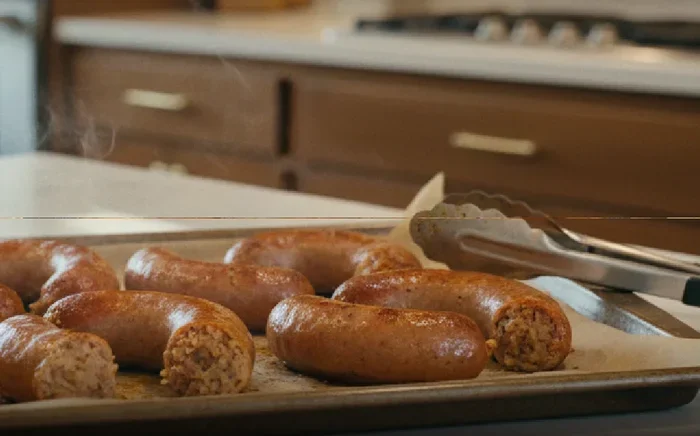
- Whole Boudin Links: Bake at 350°F for 25 to 40 minutes, depending on thickness. Turn them halfway through for even browning.
- Boudin Balls: These small, bite-sized pieces cook fast. Bake at 375°F for 12 to 15 minutes, flipping once halfway through.
- Stuffed Boudin: If you have boudin stuffed in peppers or wrapped in dough, increase the time to 30 to 45 minutes at 350°F.
- Frozen Boudin: Add 10 to 15 extra minutes to any of the above times. You can also thaw them first for more even cooking.
Factors That Affect Cooking Time
Several factors can change how long your boudin needs to bake. The thickness of the casing, the size of the links, and whether the boudin is fresh or frozen all play a role. Also, every oven is different. Some ovens run hot, while others run cool. Always use a meat thermometer to confirm doneness rather than relying solely on the clock.
| Boudin Type | Temperature | Time | Flip Needed |
|---|---|---|---|
| Whole Links | 350°F | 25-40 min | Yes, halfway |
| Boudin Balls | 375°F | 12-15 min | Yes, once |
| Stuffed Boudin | 350°F | 30-45 min | Optional |
| Frozen Boudin | 350°F | 35-55 min | Yes, halfway |
Step-by-Step Guide to Baking Boudin
Now that you know the temperature and timing, let us walk through the actual process. Following these steps will help you achieve the best possible results every time you bake boudin in the oven.
Step 1: Preheat Your Oven
Always start by preheating your oven to the desired temperature. Whether you choose 350°F or 375°F, give the oven at least 10 to 15 minutes to reach the target heat. Preheating ensures that the boudin starts cooking immediately once it goes in, which helps with even browning and texture.
Step 2: Prepare the Boudin
If you are using whole links, you can place them directly on a baking sheet. For extra crispiness, lightly brush the outside with olive oil or melted butter. This creates a barrier that helps the casing brown beautifully. If you are making boudin balls, roll the mixture into golf-ball-sized pieces and arrange them on the sheet with space between each one.
Step 3: Arrange on a Baking Sheet
Line a baking sheet with parchment paper or aluminum foil for easy cleanup. Place the boudin in a single layer, leaving space between each piece. Overcrowding the pan traps steam and prevents the casing from getting crispy. If you have a lot of boudin, use two sheets or bake in batches.
Step 4: Bake and Monitor
Place the baking sheet in the center of the oven. Set a timer for the recommended time and check the boudin periodically. After the first 10 minutes at 375°F, reduce the heat to 350°F if you are following the two-step method. Look for a golden brown color on the outside as your visual cue.
Step 5: Check Internal Temperature
This is the most important step for both quality and safety. Insert a meat thermometer into the thickest part of the boudin. The internal temperature should read 165°F. If it has not reached that yet, continue baking in 5-minute increments until it does.
Step 6: Rest Before Serving
Once the boudin is done, remove it from the oven and let it rest for 5 minutes. This resting period allows the juices to redistribute throughout the filling, making each bite more flavorful and moist. Skipping this step can result in boudin that feels dry or loose.
Tips for Perfectly Crispy and Juicy Boudin
Getting the perfect texture on your oven-baked boudin is all about small details. Here are some expert tips that make a big difference.
Quick Tips for Better Results
- Use a Wire Rack: Placing boudin on a wire rack over a baking sheet allows air to circulate underneath, promoting even crispiness on all sides.
- Do Not Skip the Oil: A light coating of oil or butter on the casing helps it brown faster and more evenly.
- Flip Halfway Through: Turning the boudin midway ensures both sides get crispy and golden.
- Let It Rest: As mentioned above, resting for 5 minutes after baking keeps the inside juicy.
- Experiment with Seasonings: Before baking, sprinkle a little extra Cajun seasoning or garlic powder on the outside for added flavor.
Expert Insights on Boudin Texture
Many Louisiana chefs agree that the key to great boudin texture is balance. You want the casing to be firm and slightly crunchy, while the inside remains soft and moist. The oven method excels at this balance because the dry heat crisps the outside without steaming the inside.
If you prefer a softer casing, simply lower the temperature to 325°F and extend the cooking time by a few minutes. This gentle approach keeps the outside tender while still cooking the filling thoroughly. On the other hand, if you love a really crunchy crust, a brief broil at the end can add that extra crunch. Just watch it closely to prevent burning.
Common Mistakes to Avoid When Baking Boudin
Even experienced cooks can make mistakes when preparing boudin in the oven. Being aware of these common errors helps you avoid them and get better results.
Mistake 1: Baking at Too High a Temperature
Some people crank the oven up to 400°F or higher, thinking it will speed things up. In reality, this often burns the outside before the inside is fully cooked. Stick to the recommended 350°F to 375°F range for the best results.
Mistake 2: Overcrowding the Pan
Placing too many boudin links or balls too close together traps steam. This steam prevents the casing from crisping up and can leave you with soggy boudin. Always give each piece enough space.
Mistake 3: Skipping the Thermometer
guessing whether boudin is done is risky. Without a meat thermometer, you might serve undercooked boudin, which is a food safety concern. A simple instant-read thermometer takes the guesswork out entirely.
Mistake 4: Not Resting the Boudin
Cutting into hot boudin right out of the oven releases all the juices onto the cutting board instead of staying inside. Give it a few minutes to rest, and you will notice a big difference in texture and moisture.
Mistake 5: Forgetting to Thaw Frozen Boudin
While you can bake frozen boudin, thawing it first leads to more even cooking. If you do bake from frozen, add extra time and check the internal temperature carefully to make sure the center is fully heated through.
Serving Suggestions and Pairing Ideas
Once your boudin is perfectly baked, the fun part is serving it. There are so many ways to enjoy this versatile Cajun treat.
For a classic approach, serve crispy boudin with mustard and pickled jalapeos on the side. This is a staple at Louisiana cookouts and tailgate parties. You can also serve boudin alongside other Southern favorites like dirty rice, gumbo, or collard greens.
Boudin balls make an excellent appetizer. Serve them with a creamy dipping sauce like ranch or a spicy remoulade for a crowd-pleasing snack. They also work wonderfully in a boudin sandwich, tucked into a French baguette with some shredded lettuce and hot sauce.
For a fun twist, try using baked boudin as a pizza topping or chopping it up and mixing it into scrambled eggs. The possibilities are endless, and the smoky, spicy flavor of Louisiana cuisine pairs well with almost anything.
Frequently Asked Questions
Can I cook boudin from frozen in the oven?
Yes, you can cook frozen boudin directly in the oven. Simply add 10 to 15 extra minutes to the normal cooking time and make sure the internal temperature reaches 165°F. For the best results, thaw the boudin overnight in the refrigerator before baking, as this promotes more even cooking throughout.
What is the difference between boudin and boudin balls?
Boudin refers to the whole sausage links, while boudin balls are small, round balls made from the same filling mixture. Boudin balls are typically deep-fried or baked and make great appetizers. The oven temperature and time are slightly different, with boudin balls cooking at a higher temperature for a shorter duration.
How do I know when boudin is done in the oven?
The best way to tell is by using a meat thermometer. Insert it into the thickest part of the boudin and check for an internal temperature of 165°F. Visually, the casing should look golden brown and feel firm to the touch. If you do not have a thermometer, cut into one piece to confirm the filling is heated through.
Can I reuse leftover baked boudin?
Absolutely. Leftover boudin can be reheated in the oven at 350°F for 10 to 15 minutes. You can also microwave it, though the oven method helps retain the crispy texture better. Leftover boudin also makes a great addition to soups, stews, or casseroles for extra flavor.
Is it better to bake or fry boudin?
Both methods have their merits. Baking is healthier and easier, producing a crispy exterior without excess oil. Frying gives a crunchier, more intense flavor but adds more fat. For everyday cooking, baking boudin in the oven is the more convenient and forgiving method, especially for beginners.
What sides go well with baked boudin?
Baked boudin pairs wonderfully with mustard, pickles, coleslaw, cornbread, and potato salad. For a full Louisiana-style meal, serve it with dirty rice, red beans and rice, or crawfish étouffée. The rich, savory flavor of boudin complements both light salads and hearty Southern sides.
Conclusion
Now you have everything you need to know about what temp to cook boudin in oven. The key is simple: bake at 350°F to 375°F, keep an eye on the internal temperature, and let the boudin rest before serving. With these guidelines, you can enjoy crispy, juicy, perfectly cooked boudin any time you want.
Oven baking is the most reliable and easiest method for preparing this Louisiana classic at home. Whether you are cooking whole links, boudin balls, or stuffed boudin, the principles remain the same. Get the temperature right, follow the timing, and avoid the common mistakes outlined above. Your boudin sausage will turn out golden, crispy, and full of flavor every single time.
So go ahead, preheat that oven, and put your boudin baking skills to the test. Once you taste the difference that proper cooking makes, you will never go back to any other method. Enjoy your delicious, perfectly baked boudin with family and friends, and savor every bite of this true Cajun treasure.