What Temp To Cook Cut Potatoes In Oven The Right Way
Learning the right potato temperature makes all the difference. Most cut potatoes roast best at 400°F, giving you crispy outsides and fluffy insides. This guide covers oven-baked potatoes from prep to plate, with times, tips, and tricks for perfect results every time.
There is nothing quite like a tray of crispy roasted potatoes straight from the oven. Whether you are making diced potatoes for a weeknight dinner or potato wedges for a weekend feast, getting the potato temperature right is the key to success. What Temp To Cook Cut Potatoes In Oven is a question many home cooks ask, and the answer is simpler than you might think. Most oven-baked potatoes turn out best at around 400 degrees Fahrenheit, but the exact potato cooking time depends on a few important factors. In this guide, we will walk you through everything you need to know about roasting cut potatoes to perfection.
If you have ever ended up with mushy or burnt roasting potatoes, you know how frustrating it can be. The good news is that mastering oven-baked potatoes is easier than most people think. Once you understand the basics of potato temperature and potato prep, you will never go back to soggy results again.
Cut potatoes are incredibly versatile. You can roast them with herbs, spices, or keep them simple with just olive oil and salt. They make amazing potato sides for almost any meal. Whether you prefer golden potatoes with a crunchy shell or soft, buttery cubes, the oven temperature for potatoes plays a huge role in the final result.
This article will help you find the sweet spot for your roasted potatoes recipe. We will cover the best temperatures, prep methods, and common mistakes to avoid. By the end, you will feel confident making perfect crispy potatoes every single time.
Key Takeaways
- 400°F Is the Ideal Temperature: This heat level creates the perfect balance of crispy exterior and fluffy interior for your roasting potatoes.
- Parboiling Makes a Big Difference: Brief boiling before roasting helps achieve crispy crispy roasted potatoes with golden edges.
- Cut Size Matters: Smaller potato cubes cook faster, while larger potato wedges need more time in the oven temperature for potatoes to reach the right potato internal temperature.
- Don’t Overcrowd the Pan: Spreading pieces in a single layer ensures even crispy potatoes and prevents steaming.
- Seasoning Timing Is Key: Add oil and potato seasoning before roasting for the best flavor and texture on your golden potatoes.
- Resting Time Improves Texture: Letting roasted baking potatoes rest for a few minutes helps redistribute moisture.
- Experiment with Temperatures: Adjusting between 375°F and 425°F lets you control crispiness and cooking speed for your oven-baked potatoes.
📑 Table of Contents
- What Temp To Cook Cut Potatoes In Oven: The Complete Guide
- How to Prep Your Potatoes for Perfect Roasting
- Step-by-Step Guide to Oven-Baked Cut Potatoes
- Common Mistakes to Avoid When Roasting Potatoes
- Tips for Getting Crispy, Golden Potatoes Every Time
- Understanding Potato Cooking Times and Temperatures
What Temp To Cook Cut Potatoes In Oven: The Complete Guide
Finding the right oven temperature for potatoes is the single most important step in making great roasting potatoes. Too low and they turn soft and pale. Too high and the outside burns before the inside is cooked through. The magic number that most chefs and home cooks agree on is 400 degrees Fahrenheit.
At 400°F, the surface of your potato cubes and potato wedges gets hot enough to caramelize. This creates that delicious golden crust everyone loves. Meanwhile, the inside steams gently and becomes fluffy and tender. It is the perfect balance of texture and flavor.
So what temp to cook cut potatoes in oven if you want extra crispiness? Try 425°F for the first 15 minutes, then drop to 400°F. This two-stage approach kickstarts the browning and then lets the center cook through gently. It is a small change that makes a noticeable difference.
Why 400°F Is the Sweet Spot
The reason 400°F works so well comes down to chemistry. When potato surfaces reach around 310°F, the Maillard reaction kicks in. This is the process that creates browning and complex flavors. At this potato temperature, the surface reaches this point quickly while the center cooks through at a steady pace.
If you drop the temperature to 375°F, the cooking time increases significantly. Your oven-baked potatoes will still turn out well, but they may not get as crispy on the outside. Going up to 425°F speeds things up and adds more crunch, but you need to watch them closely to avoid burning.
| Oven Temperature | Result | Cooking Time | Best For |
|---|---|---|---|
| 375°F | Softer, slower cook | 35-45 minutes | Larger chunks, gentle roasting |
| 400°F | Balanced crispy and fluffy | 25-35 minutes | Most cut potato recipes |
| 425°F | Extra crispy exterior | 20-30 minutes | Small cubes, thin wedges |
As you can see from the table above, what temp to cook cut potatoes in oven really depends on your preference and the size of your cuts. The 400°F range is the safest bet for consistent results.
Quick Tips for Temperature Settings
- Always preheat your oven before adding the potatoes. This ensures even cooking from the start.
- Use an oven thermometer to verify the actual temperature. Many ovens run hot or cold by 10-25 degrees.
- If you like extra crispy crispy potatoes, try starting at 425°F for the first 15 minutes, then lowering to 400°F.
- Convection ovens work great for roasting potatoes at 375°F because the fan promotes even browning.
Expert Insight: The Science Behind Potato Browning
According to food scientists, the ideal potato internal temperature for fully cooked roasted potatoes is around 210°F. At this point, the starch granules have fully gelatinized, giving you that fluffy texture. The exterior can reach much higher temperatures, which is what creates the crispy crust. Understanding this helps you set the right potato temperature and avoid undercooking or overcooking.
How to Prep Your Potatoes for Perfect Roasting
Potato prep is just as important as getting the temperature right. How you cut and treat your potatoes before they go in the oven has a huge impact on the final result. Taking a few extra minutes during prep can make the difference between average roasting potatoes and absolutely perfect ones.
Cutting Techniques for Even Cooking
Consistency is everything when cutting potato cubes and potato wedges. Try to make all your pieces roughly the same size. This ensures they cook at the same rate. If some pieces are much larger than others, the small ones will burn while the big ones stay raw in the middle.
For diced potatoes, aim for about 1-inch cubes. This size cooks evenly and provides a nice balance of crispy outside and fluffy inside. For potato wedges, cut the potato in half lengthwise first, then slice each half into 3 or 4 wedges depending on the size of the potato.
Use a sharp knife and a stable cutting board. A dull knife can crush the potato instead of cutting it cleanly, which leads to uneven cooking and mushy edges.
The Importance of Parboiling
One of the best secrets for making crispy roasted potatoes is parboiling. This means briefly boiling your cut potatoes before they go in the oven. It sounds like an extra step, but it makes a huge difference.
To parboil, place your potato cubes in a pot of salted water and boil for about 5-7 minutes. You want them to be fork-tender but not falling apart. Drain them well and let them dry on a clean towel before seasoning and roasting.
The parboiling process partially cooks the starch on the surface. When these potatoes hit the hot oven, the surface dries out and crisps up beautifully. The result is crispy roasted potatoes with a satisfying crunch on the outside.
Expert Insights: To Parboil or Not to Parboil
Many professional chefs swear by parboiling for crispy potatoes. However, if you are short on time, you can skip this step and still get good results at 400°F. Just make sure your pieces are small and uniform so they cook through evenly. The trade-off is that unparboiled potatoes may not get quite as crispy on the edges.
Quick Tips for Potato Prep
- Soak cut potatoes in cold water for 30 minutes to remove excess starch. This helps them crisp up better in the oven.
- Always dry potatoes thoroughly after soaking or parboiling. Moisture is the enemy of crispiness.
- Rough up the edges of your potato cubes with a fork or by shaking them in a colander. More surface area means more crispiness.
- Use parchment paper or a well-seasoned sheet pan to prevent sticking.
Step-by-Step Guide to Oven-Baked Cut Potatoes
Now that you know the right potato temperature and how to prep your potatoes, let us put it all together. Here is a simple step-by-step guide for making perfect oven-baked potatoes every time.
Step 1: Choose Your Potatoes
Not all potatoes are created equal for roasting. Russet potatoes are a popular choice because they are starchy and fluffy on the inside. Yukon Gold potatoes have a buttery flavor and hold their shape well. Red potatoes are waxy and great for potato wedges that need to stay firm.
For the best roasted potatoes recipe, pick potatoes that are firm and free of sprouts or green spots. Fresh potatoes give you the best flavor and texture.
Step 2: Cut and Prep
Wash your potatoes thoroughly and cut them into uniform pieces. Whether you are making diced potatoes or potato wedges, aim for consistent sizing. This is the foundation of even cooking.
If you choose to parboil, do that now. Drain the potatoes well and spread them out on a clean kitchen towel. Pat them dry gently. Removing surface moisture is essential for achieving that crispy exterior.
Step 3: Season Generously
Place your prepared potato cubes in a large bowl. Add olive oil, salt, pepper, and any potato seasoning you like. Toss gently to coat every piece evenly.
Good seasoning options include garlic powder, paprika, rosemary, thyme, or a simple sprinkle of flaky sea salt. For a more flavorful twist, try adding a pinch of cumin or smoked paprika. The key is to season while the oil is still on the potatoes, so the flavors stick.
Step 4: Arrange on the Pan
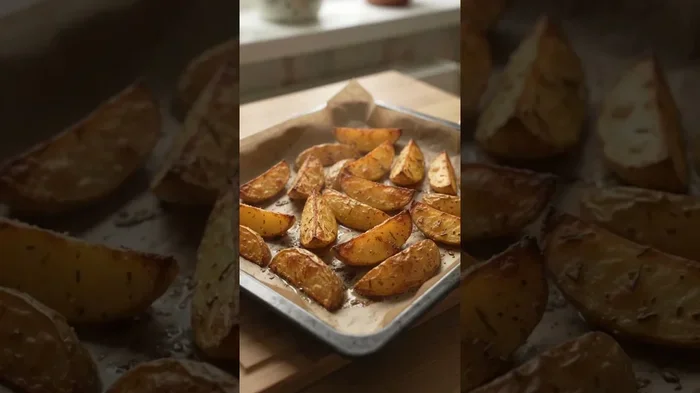
Spread your seasoned potatoes in a single layer on a parchment-lined baking sheet. This is a crucial step. What Temp To Cook Cut Potatoes In Oven works best when air can circulate around each piece. Overcrowding creates steam, which leads to soggy results instead of crispy crispy potatoes.
If you need to cook a large batch, use two sheet pans or work in multiple batches. It is tempting to fit everything on one pan, but your golden potatoes will thank you for giving them space.
Step 5: Roast and Check
Place the baking sheet in the preheated oven. Roast for 25-35 minutes at 400°F, flipping the potatoes halfway through. The potato cooking time varies based on the size of your pieces and your oven performance.
Look for golden potatoes that are crispy on the edges and tender when pierced with a fork. The potato internal temperature should reach about 210°F for the perfect fluffy texture.
Step 6: Rest and Serve
Take the crispy roasted potatoes out of the oven and let them rest for 3-5 minutes. This brief resting period allows the moisture to redistribute, which improves the texture. Serve immediately while they are still warm and crunchy.
Quick Tips for Perfect Roasting
- Flip the potatoes only once during roasting for the best crispiness.
- If the bottoms are browning too fast, lower the oven rack by one position.
- Add fresh herbs like parsley or chives right after roasting for the brightest flavor.
- For extra crispy edges, toss the potatoes with a tiny bit of cornstarch before seasoning.
Common Mistakes to Avoid When Roasting Potatoes
Even experienced cooks make mistakes when making oven-baked potatoes. Knowing what to avoid can save you from disappointing results. Here are the most common pitfalls and how to fix them.
Overcrowding the Pan
This is the number one mistake people make. When you pack too many potato cubes onto one sheet pan, they steam instead of roast. The result is soft, pale potatoes with no crispy edges.
The fix is simple: give your potatoes space. Each piece should have room to breathe. If your baking sheet is full, use a second one or roast in two batches. Your crispy potatoes will be worth the extra effort.
Skipping the Dry Step
Moisture is the enemy of crispiness. If you skip drying your potatoes after soaking or parboiling, they will come out soft and greasy instead of crispy. Always make sure your potato wedges and diced potatoes are thoroughly dried before they hit the oil and the hot oven.
Take the extra two minutes to pat them dry with a clean towel. This small step makes a surprisingly big difference in the final texture of your roasting potatoes.
Using the Wrong Oil
Not all oils are created equal for high-heat roasting. Olive oil works great at 400°F and adds wonderful flavor. However, avoid using butter alone, as it has a lower smoke point and can burn quickly at high potato temperature settings.
If you want a neutral flavor, avocado oil or grapeseed oil are excellent choices. They can handle the high heat without burning and let the natural flavor of your golden potatoes shine through.
Underseasoning
It is easy to be shy with salt, especially when you are watching your sodium intake. But roasted potatoes need adequate seasoning to taste their best. The salt not only adds flavor but also helps draw out moisture from the surface, which contributes to crispiness.
Season generously before roasting and adjust with a light sprinkle of flaky salt after they come out of the oven. This two-step approach gives you the best flavor and texture for your oven-baked potatoes.
Quick Recap of Common Mistakes
- Overcrowding the pan leads to steaming instead of roasting.
- Skipping the drying step results in soft, soggy potatoes.
- Using butter or low-smoke-point oils causes burning.
- Underseasoning leaves your roasted potatoes recipe tasting bland.
- Not flipping halfway through means uneven browning.
- Skipping the preheat means longer cooking times and less crispiness.
Tips for Getting Crispy, Golden Potatoes Every Time
If you want to take your crispy roasted potatoes to the next level, there are a few pro tips that make all the difference. These techniques are simple but incredibly effective for achieving restaurant-quality golden potatoes at home.
The Role of Cornstarch and Oil
Here is a trick that many chefs use: toss your potato cubes with a light coating of cornstarch before adding oil and seasoning. The cornstarch creates a micro-thin barrier that pulls moisture away from the surface. This leads to dramatically crispier crispy potatoes without any extra fat.
Use about one tablespoon of cornstarch per pound of potatoes. Toss them in a bowl with the cornstarch first, then add your oil and seasoning. The result is a lighter, crunchier exterior that is hard to beat.
Don’t Skip the Resting Time
Just like a good steak, roasted baking potatoes benefit from a short rest after coming out of the oven. This allows the internal heat to distribute evenly and the moisture to settle. The result is a more consistent texture throughout each piece.
Rest your crispy roasted potatoes for 3-5 minutes on the baking sheet before transferring them to a serving dish. This small patience pays off in better texture and flavor.
Experiment with Flavors
Oven-baked potatoes are a blank canvas for flavors. Once you have the potato temperature and technique down, you can get creative with seasonings. Try these combinations:
- Mediterranean: Olive oil, garlic, rosemary, lemon zest, and black pepper.
- Spicy: Paprika, cayenne pepper, garlic powder, and a touch of brown sugar.
- Herb Garden: Fresh thyme, parsley, dill, and a squeeze of lemon.
- Classic Comfort: Butter, garlic, parsley, and a sprinkle of parmesan cheese.
Each combination transforms simple potato sides into a standout dish. The best part is that you can mix and match to suit any meal.
Expert Insights: The Secret to Even Crispiness
Professional chefs often recommend a two-stage roasting approach for the best crispy potatoes. Roast at 425°F for the first 15 minutes to kickstart the browning, then reduce to 400°F for the remaining time. This gives you a deeply crispy exterior while ensuring the center cooks through perfectly. It is a small change that makes a noticeable difference in your roasting potatoes.
Understanding Potato Cooking Times and Temperatures
The relationship between potato temperature and potato cooking time is not always straightforward. Several factors influence how long your cut potatoes need in the oven. Understanding these variables helps you adjust on the fly and get consistent results every time.
Size Matters
The size of your cuts is the biggest factor in potato cooking time. Small diced potatoes at 1-inch cubes might be done in 20-25 minutes at 400°F. Larger potato wedges or thicker chunks could take 35-45 minutes. Always check for doneness by piercing the largest piece with a fork.
If the fork slides in easily with no resistance, your oven-baked potatoes are done. If there is any firmness in the center, give them a few more minutes. It is always better to check early and add time as needed than to overcook them.
Different Potato Varieties
The type of potato you choose affects both cooking time and texture. Starchy potatoes like Russets break down more and get fluffier. Waxy potatoes like red potatoes hold their shape better and have a firmer bite. Yukon Golds sit somewhere in between, offering a creamy texture that works well for most roasted potatoes recipes.
For the best results, match your potato variety to your intended use. Want fluffy mashed-style potato sides? Go with Russets. Want firm, distinct pieces in a salad? Choose red or waxy varieties. Want the best of both worlds? Yukon Golds are your best bet.
Altitude and Oven Accuracy
Two often overlooked factors are altitude and oven accuracy. At higher altitudes, lower air pressure means water boils at a lower temperature. This can affect how your potatoes cook, both during parboiling and roasting. If you live above 3,000 feet, you may need to adjust your cooking time slightly.
Oven accuracy is another common issue. Many home ovens are off by 10-25 degrees from the set temperature. An inexpensive oven thermometer can solve this problem and take the guesswork out of your potato temperature management. This small investment pays off in more consistent crispy roasted potatoes.
Quick Tips for Perfect Timing
- Set a timer for 20 minutes and check for doneness. You can always cook longer, but you cannot undo overcooking.
- If your potato wedges are browning too fast, tent the pan loosely with foil for the remaining time.
- For extra crispy bottoms, preheat the baking sheet in the oven before adding the potatoes.
- Rotate the baking sheet halfway through cooking for even browning on all sides.
Conclusion
Mastering what temp to cook cut potatoes in oven is easier than most people think. The sweet spot of 400°F gives you the perfect balance of crispy exterior and fluffy interior that everyone loves. With proper potato prep, the right cutting techniques, and a little patience, you can make crispy roasted potatoes that rival any restaurant dish.
Remember the key steps: cut your potatoes evenly, dry them thoroughly, season generously, and give them enough space on the pan. Avoid common mistakes like overcrowding and skipping the dry step. And do not be afraid to experiment with different potato seasoning blends to find your perfect flavor profile.
The beauty of oven-baked potatoes is that they are simple, affordable, and incredibly satisfying. Once you nail the potato temperature and timing, you will have a go-to side dish that works with almost any meal. So preheat that oven to 400°F, grab your favorite potatoes, and get ready to make the best crispy potatoes of your life.
Now that you know exactly how to roast cut potatoes to perfection, it is time to put this knowledge into action. Your next family dinner or weeknight meal is going to be delicious. Happy roasting!
Frequently Asked Questions
Can I cook cut potatoes at a lower temperature like 350°F?
Yes, you can cook cut potatoes at 350°F, but it will take longer and they may not get as crispy. The lower potato temperature means less Maillard reaction on the surface, resulting in softer golden potatoes. If you choose this route, increase the cooking time by about 10-15 minutes and make sure your pieces are small enough to cook through evenly.
How do I know when roasted potatoes are done?
The best way to check is to pierce the largest piece with a fork. It should slide in with no resistance. You can also look for a deep golden color and listen for a slight sizzle when you shake the pan. The potato internal temperature should reach around 210°F for perfectly fluffy oven-baked potatoes.
Should I soak potatoes before roasting them?
Soaking is not required, but it can help. Soaking potato cubes in cold water for 30 minutes removes excess starch, which leads to crispier results. If you have the time, it is worth doing. Just make sure to dry the potatoes thoroughly before adding oil and seasoning. Wet potatoes will steam instead of roast, giving you soggy results instead of the crispy crispy potatoes you are aiming for.
Can I use frozen cut potatoes in the oven?
Yes, you can cook frozen potato wedges and diced potatoes directly from frozen, but the results may not be as crispy. Spread them in a single layer on a baking sheet and roast at 400°F for about 30-40 minutes. For better texture, thaw them first and pat them dry. This extra step removes surface moisture and helps achieve that golden, crispy exterior you want from your roasted potatoes recipe.
What is the best oil for roasting potatoes?
Olive oil is the most popular choice for roasting potatoes because it has a high smoke point and adds great flavor at 400°F. Avocado oil and grapeseed oil are excellent alternatives if you prefer a neutral taste. Avoid using butter alone, as it can burn at high potato temperature settings. For the best crispy roasted potatoes, use about 1-2 tablespoons of oil per pound of potatoes and toss well to coat evenly.
How do I reheat leftover roasted potatoes?
The best way to reheat oven-baked potatoes is in the oven at 400°F for 5-10 minutes. This brings back the crispiness that you lose when storing them in the fridge. Avoid microwaving if possible, as it makes them soft and soggy. If you must use a microwave, do so in short bursts and spread the potatoes in a single layer. For the crispiest results, always reheat in the oven to maintain that perfect potato temperature and texture.