Why Wont My Oven Heat Past 250 Degrees Common Causes
Your oven wont heat past 250 degrees for several common reasons, from a broken temperature sensor to a faulty control board. This guide walks you through every likely cause and shows you exactly how to fix it yourself or when to call a pro. You will learn simple troubleshooting steps that save time and money.
Have you ever preheated your oven only to find it just will not go past 250 degrees? It is super frustrating, especially when you are trying to roast a chicken or bake a casserole. The good news is that this problem is more common than you think, and it usually has a fix. In this guide, we will explore every reason your oven wont heat past 250 degrees and give you clear steps to solve it.
Whether you have a gas oven or an electric model, the heating limits can come from a few key parts. We will break down each cause in plain language so you do not need to be a repair expert. By the end of this article, you will know exactly what to check and what to do next.
Key Takeaways
- Temperature Sensor Issues: A broken oven temperature sensor is one of the most common reasons your oven stops heating properly.
- Thermal Fuse Problems: A blown thermal fuse can completely limit your oven’s heat output and safety features.
- Faulty Thermostat: The oven thermostat controls heat levels, and when it fails, your oven may not exceed 250 degrees.
- Control Board Failure: The oven control board sends signals to heating parts, and a bad board causes uneven or limited heating.
- DIY vs Professional Help: Some fixes are simple and safe to do at home, while others need a qualified technician.
- Prevention Matters: Regular cleaning and maintenance can prevent many oven heating problems before they start.
📑 Table of Contents
- Understanding Your Oven Heating System
- Common Causes Why Your Oven Wont Heat Past 250 Degrees
- How to Diagnose the Problem Step by Step
- Quick Tips to Fix and Prevent Oven Heating Issues
- When to Call a Professional Repair Service
- Is It Worth Repairing or Replacing Your Oven?
- How to Maintain Your Oven for Better Heating Performance
- Understanding Oven Temperature Accuracy
- Common Mistakes People Make When Troubleshooting Oven Heating Problems
- Final Thoughts on Fixing an Oven That Wont Heat Past 250 Degrees
Understanding Your Oven Heating System
Before we dive into the fixes, let us talk about how your oven actually heats up. Knowing the basics makes troubleshooting much easier. Every oven has a few core parts that work together to create and control heat.
The oven thermostat is the brain of the heating system. It reads the temperature inside and tells the heating elements when to turn on and off. The bake element at the bottom and the broil element at the top do the actual heating. In a convection oven, a fan spreads the hot air around for even cooking.
Then there is the temperature sensor, a small probe that measures the heat inside the cavity. All these parts talk to each other through wiring and the control board. When one part fails, the whole system can break down. That is often why an oven wont heat past 250 degrees.
How Temperature Settings Work
When you set your oven to 350 or 400 degrees, the thermostat signals the heating element to power up. The sensor keeps checking the temperature until it reaches your target. Then it tells the element to shut off. This cycle repeats to maintain a steady heat.
If the sensor or thermostat gives wrong readings, the oven may think it is already hot enough at 250 degrees. It will stop heating even though your food needs more warmth. This is one of the sneakiest reasons why wont my oven heat past 250 degrees.
Common Causes Why Your Oven Wont Heat Past 250 Degrees
Now let us get into the real reasons your oven might be stuck at a lower temperature. Each cause is explained in detail so you can pinpoint the problem fast.
Faulty Temperature Sensor
The oven temperature sensor is one of the most common culprits. This small metal rod sits inside the oven cavity and measures the air temperature. Over time, it can wear out or get damaged. When it malfunctions, it sends wrong signals to the control board.
A failing sensor might tell the oven the cavity is already at 250 degrees even when it is much cooler. The oven then stops heating because it thinks it has reached the target. You can test the sensor with a multimeter to check its resistance. Most sensors should read between 1000 and 1100 ohms at room temperature.
If the reading is way off, replacing the sensor is usually straightforward. The part is not very expensive either. This fix alone solves the problem for many homeowners wondering why wont my oven heat past 250 degrees.
Blown Thermal Fuse
The thermal fuse is a safety device that protects your oven from overheating. If the oven gets too hot, the fuse blows and cuts power to the heating element. Once a thermal fuse blows, it cannot be reset. You have to replace it.
A blown fuse can cause your oven to stop heating entirely or limit it to low temperatures. In some cases, the oven will still work at 250 degrees but refuse to go higher. This happens because the fuse partially interrupts the heating circuit.
To check the thermal fuse, you need to locate it behind the oven panel or near the top of the cavity. Use a multimeter to test for continuity. If there is no continuity, the fuse is blown and needs replacement. Always unplug the oven before working on any internal parts.
Broken Oven Thermostat
The oven thermostat regulates the temperature by controlling the flow of heat. Think of it as a valve that opens and closes based on the temperature inside. When the thermostat goes bad, it may not open fully or may close too early.
A stuck thermostat can cause your oven to cap out at a lower temperature like 250 degrees. The heating element gets the signal to stop long before the oven reaches the set temperature. This is especially common in older electric ovens where the thermostat wears out over years of use.
Replacing a thermostat requires some technical skill. You need to access the back of the oven and disconnect the old unit. If you are not comfortable with electrical work, it is best to call a professional for this repair.
Failed Control Board
The oven control board is the electronic brain that manages all heating functions. It receives input from the temperature sensor and sends signals to the bake and broil elements. When the control board fails, it can send incorrect commands.
A damaged control board might limit the oven to low heat settings only. This is a less common cause, but it happens especially in newer models with digital displays. If your oven has error codes flashing on the display, the control board could be the issue.
Replacing a control board can be costly, sometimes ranging from 150 to 400 dollars depending on the brand. Before replacing it, make sure you have ruled out simpler causes like the temperature sensor or thermal fuse.
Wiring and Connection Issues
Sometimes the problem is not a single part but loose or damaged wiring. Over time, the heat inside an oven can break down wire insulation. Loose connections can interrupt the electrical flow to the heating elements.
Corroded or burnt wires can cause partial heating failures. The oven might work at lower temperatures but fail when asked to reach higher ones. This is because higher heat demands more electrical current, and weak connections cannot handle the load.
Always inspect the wiring with the oven unplugged. Look for signs of burning, melting, or corrosion. If you find damaged wires, replacement is the safest option. Do not try to patch wires with tape as a long-term solution.
Oven Self-Clean Cycle Damage
Many modern ovens have a self-clean feature that heats the cavity to very high temperatures. While this is great for cleaning, it can sometimes damage internal parts. The extreme heat can weaken the wiring, burn out the temperature sensor, or even crack the control board.
If you use the self-clean cycle frequently, you might notice heating problems shortly after. The oven may struggle to reach temperatures above 250 degrees for regular cooking. This is because the sensor or other components were stressed during the extreme heat of the clean cycle.
To avoid this, try not to run the self-clean cycle more than necessary. Manual cleaning with oven-safe cleaners can extend the life of your oven’s internal parts.
How to Diagnose the Problem Step by Step
Now that you know the common causes, let us walk through the diagnostic process. Following these steps will help you find the exact issue without guesswork.
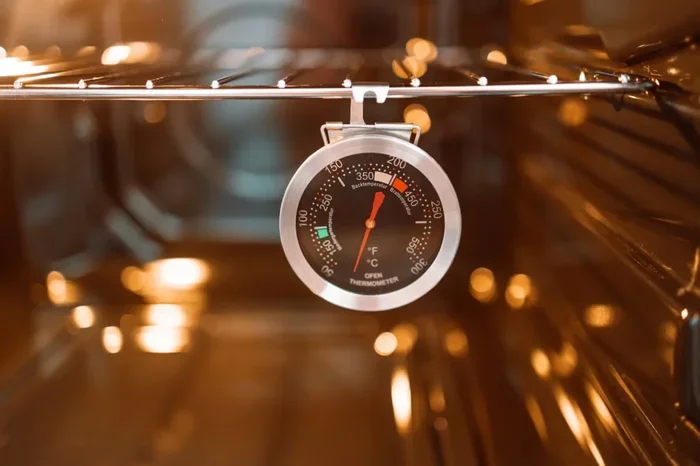
- Check the oven thermometer. Place an independent oven thermometer inside and compare it to the display reading. If the built-in thermometer shows 250 but the real thermometer shows a different number, the sensor is likely the problem.
- Inspect the temperature sensor. Remove the sensor probe and test it with a multimeter. Compare the reading to the manufacturer specifications.
- Test the thermal fuse. Locate the fuse and check for continuity with a multimeter. No continuity means a blown fuse.
- Examine the wiring. Look for visible damage, loose connections, or burnt wires behind the oven panels.
- Listen for the relay clicks. When you set the oven to a higher temperature, you should hear the control board relay click. No click could mean a failed board or thermostat.
Taking these steps one at a time will save you money and help you avoid replacing parts that are still working fine. Always start with the simplest and cheapest fixes first.
Quick Tips to Fix and Prevent Oven Heating Issues
Here are some fast tips that can help you solve and avoid oven heating problems:
- Calibrate your oven regularly. Most ovens drift out of calibration over time. A simple oven thermometer can help you catch this early.
- Clean the temperature sensor gently. Grease and food buildup on the sensor can affect its readings. Wipe it with a soft cloth and mild cleaner.
- Do not ignore error codes. If your oven displays a fault code, check the manual or search online for the meaning. It often points directly to the problem.
- Use the convection setting wisely. Convection ovens heat more evenly, but the fan motor can also fail. Keep the fan area clean and free of debris.
- Replace worn gaskets. A damaged oven door seal lets heat escape, which can confuse the temperature sensor and cause uneven heating.
- Avoid slamming the oven door. Heavy impacts can jar the temperature sensor loose or damage internal wiring over time.
When to Call a Professional Repair Service
Not every oven problem is a DIY fix. Knowing when to call in the experts can save you from making things worse. Here are clear signs you need professional help.
If you have checked the sensor, thermal fuse, and thermostat and the oven still will not heat past 250 degrees, the control board is likely the issue. Replacing a control board requires advanced electrical knowledge. It also involves programming in some models, which can be tricky without the right tools.
Also call a professional if you smell gas near your oven or notice sparks inside the cavity. These are safety hazards that need immediate attention. A qualified technician can diagnose the problem safely and ensure all repairs meet local electrical codes.
Many repair services offer free estimates over the phone. It is worth calling a few local technicians to compare prices before committing. In some cases, the repair cost might be close to the price of a new oven, which brings us to an important decision point.
Is It Worth Repairing or Replacing Your Oven?
This is a question many homeowners face when the oven stops heating correctly. The answer depends on the age of your oven and the cost of the repair.
If your oven is less than 8 years old, a repair is almost always worth it. Parts like temperature sensors and thermal fuses are affordable and easy to install. Even a control board replacement can be justified for a relatively new oven.
However, if your oven is 15 years or older, you might want to consider replacing it. Newer models are far more energy efficient and offer better temperature accuracy. A modern convection oven or smart oven can save you money on energy bills over time.
As a rule of thumb, if the repair costs more than half the price of a new oven, replacement is the smarter choice. A new oven also comes with a warranty, which gives you peace of mind.
How to Maintain Your Oven for Better Heating Performance
Prevention is always better than repair. A little regular maintenance can keep your oven heating properly for years. Here is what you should do:
- Clean the oven interior monthly. Grease buildup can affect heat distribution and sensor accuracy. Use a gentle oven cleaner or a baking soda paste.
- Inspect the door seal every few months. A tight seal keeps heat inside the cavity. Replace the gasket if you see cracks or gaps.
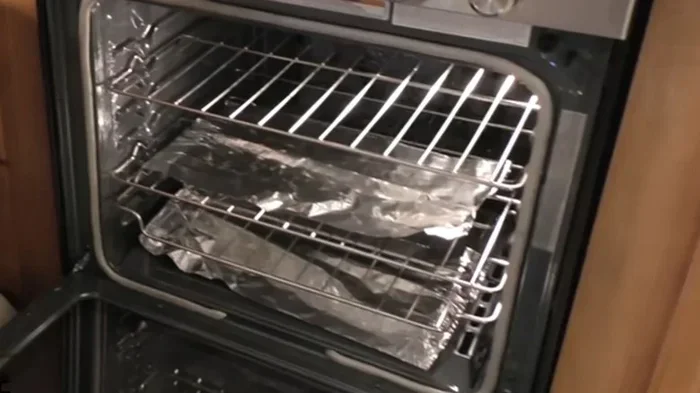
- Avoid using aluminum foil on the floor of the oven. Foil can block airflow and interfere with the temperature sensor readings.
- Run the self-clean cycle sparingly. As mentioned earlier, excessive self-cleaning can damage internal components.
- Check the heating elements periodically. Look for cracks, breaks, or uneven glowing. A damaged element should be replaced promptly.
Following these simple maintenance steps can prevent many of the issues that cause an oven to stop heating above 250 degrees. Your oven will run more efficiently and last longer.
Understanding Oven Temperature Accuracy
Even a healthy oven can lose its temperature accuracy over time. Most ovens have a tolerance of plus or minus 25 degrees. This means if you set the oven to 350 degrees, the actual temperature could range from 325 to 375 degrees.
This variance can be frustrating when you are baking delicate recipes. Using an independent oven thermometer is the best way to know the true temperature inside your oven. You can then adjust your cooking times and temperatures accordingly.
Some ovens have a calibration feature built into the control board. Check your owner manual to see if your model allows you to adjust the temperature offset. A simple calibration can often fix minor accuracy issues without any part replacements.
Understanding temperature accuracy also helps you troubleshoot. If your oven consistently reads low, the sensor might be drifting and needs replacement. If the readings are all over the place, the control board or thermostat could be failing.
Common Mistakes People Make When Troubleshooting Oven Heating Problems
Avoid these common mistakes that can waste your time or even make the problem worse:
- Assuming the heating element is always the problem. In most cases of an oven not heating past 250 degrees, the element itself is fine. The issue is usually the sensor, fuse, or thermostat.
- Not testing parts before replacing them. Buying a new temperature sensor without testing the old one can waste money. Always verify the part is actually faulty first.
- Ignoring error codes on the display. Modern ovens are smart. Error codes are designed to guide you to the exact problem. Read the manual and decode them.
- Trying to repair wiring without proper knowledge. Electrical work inside an oven can be dangerous. If you are unsure, leave it to a professional.
- Using the oven immediately after a power outage. Power surges can damage electronic components. Wait a few minutes and check for error codes before using the oven again.
Steering clear of these mistakes will make your troubleshooting faster and safer. You will also avoid unnecessary part purchases and potential injury.
Final Thoughts on Fixing an Oven That Wont Heat Past 250 Degrees
Dealing with an oven that wont heat past 250 degrees can be a real headache. But as we have covered, the causes are usually straightforward and fixable. The temperature sensor, thermal fuse, thermostat, and control board are the main suspects in most cases.
Start with the simplest checks, like testing the temperature sensor and inspecting the thermal fuse. These are affordable parts and relatively easy to replace. If those are not the issue, move on to the thermostat and control board with more caution.
Remember that safety always comes first. Unplug the oven before any internal inspection. If you are not comfortable with electrical work, do not hesitate to call a professional. A qualified technician can diagnose and fix the problem quickly and safely.
Regular maintenance goes a long way in keeping your oven running smoothly. Clean the interior, check the door seal, and use the self-clean feature sparingly. These small habits can prevent many heating issues before they start.
With the right knowledge and a little patience, you can get your oven back to cooking at the right temperatures. Your favorite recipes will taste great again, and you will save money on repair costs. Do not let a heating problem stop you from enjoying your time in the kitchen.
Frequently Asked Questions
Why does my oven stop heating at 250 degrees?
The most common reason is a faulty temperature sensor or a blown thermal fuse. These parts control how much heat your oven produces. When they fail, the oven may think it has reached the target temperature and stop heating. You can test the sensor with a multimeter and check the fuse for continuity to find the exact cause.
Can I fix my oven heating problem myself?
Yes, many causes are DIY-friendly. Replacing a temperature sensor or thermal fuse is straightforward and does not require advanced skills. However, if the issue involves the control board or wiring, it is safer to call a professional. Always unplug the oven before attempting any internal repairs.
How much does it cost to fix an oven that wont heat past 250 degrees?
The cost depends on the cause. A temperature sensor replacement typically costs 50 to 100 dollars for the part and labor. A thermal fuse is even cheaper. A control board replacement can range from 150 to 400 dollars. Getting a quote from a local repair service helps you budget accurately.
Is it safe to use an oven that only heats to 250 degrees?
It is safe for low-temperature cooking like proofing dough or slow-roasting. However, you cannot use it for baking or roasting at higher temperatures. Prolonged use with a broken heating system may cause further damage. It is best to diagnose and fix the issue as soon as possible.
How do I know if my oven temperature sensor is bad?
Test the sensor with a multimeter to check its resistance. At room temperature, most sensors should read between 1000 and 1100 ohms. If the reading is significantly higher or lower, the sensor is faulty. You can also compare the oven display reading to an independent oven thermometer to spot discrepancies.
How can I prevent my oven from heating problems in the future?
Regular maintenance is key. Clean the oven interior monthly, check the door seal for damage, and avoid using the self-clean cycle too often. Wipe the temperature sensor gently to prevent grease buildup. These simple habits keep all heating components working properly and extend the life of your oven.
=== CONCLUSION ===
When your oven wont heat past 250 degrees, it is usually caused by a few common and fixable issues. The temperature sensor, thermal fuse, thermostat, and control board are the main areas to investigate. With a little patience and the right tools, you can often solve the problem yourself and save money on repair costs. Start with the simplest checks, work your way through the list, and do not be afraid to call a professional when needed. A well-maintained oven will serve you reliably for years, and now you have the knowledge to keep it running at its best.