1 Table Spoon of Sugar Grams Everything You Need to Know
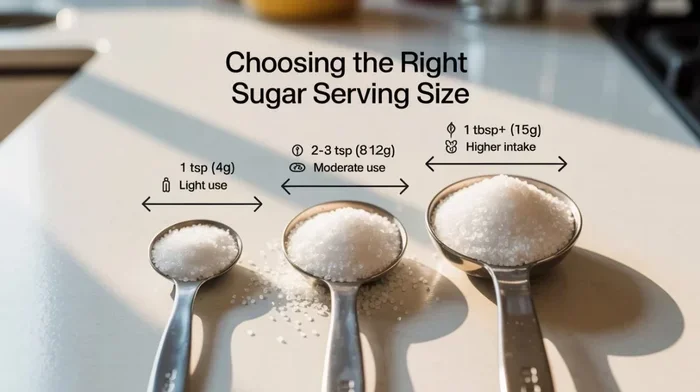
Knowing exactly 1 table spoon of sugar grams is essential for accurate cooking and baking. A standard tablespoon of granulated sugar weighs approximately 12 to 13 grams, but this can vary based on how you scoop and pack the sugar. This guide covers everything you need about sugar measurements, conversions, and pro tips for precision in the kitchen.
Key Takeaways
- 1 tablespoon of granulated sugar weighs roughly 12-13 grams, but packing density affects the exact weight.
- Different sugar types like brown, powdered, and raw sugar have different gram weights per tablespoon.
- Using a kitchen scale is the most accurate way to measure sugar by weight rather than volume.
- Measuring spoons vary in size, so calibration and technique matter for consistent results.
- Common mistakes include packing sugar too tightly or using the wrong type of tablespoon.
- Conversion knowledge helps when following international recipes that use metric units.
- Accurate sugar measurements can significantly impact the taste and texture of your baked goods.
📑 Table of Contents
- What Does 1 Table Spoon of Sugar Grams Actually Mean?
- How Many Grams Are in a Tablespoon of Sugar?
- Different Types of Sugar and Their Gram Weights Per Tablespoon
- How to Measure 1 Tablespoon of Sugar Accurately
- Common Mistakes When Measuring Sugar
- Why Accurate Sugar Measurements Matter in Cooking and Baking
- Expert Insights on Measuring Sugar Like a Pro
- Key Takeaways
- Conclusion
What Does 1 Table Spoon of Sugar Grams Actually Mean?
Let’s get right to it. When you see a recipe that calls for 1 table spoon of sugar grams, it is asking you to convert a volume measurement (tablespoon) into a weight measurement (grams). Simple enough, right? Well, it gets a little trickier than you might think.
A standard tablespoon of granulated sugar comes out to about 12 to 13 grams. But here is the catch. That number can shift depending on a few things. How tightly you pack the sugar matters. The type of sugar matters. Even the size of your tablespoon can play a role. Let us break this all down so you never have to guess again.
Why Does This Matter So Much?
In cooking, small differences can lead to big changes. Add too much sugar and your cake tastes like dessert candy. Add too little and it falls flat. Learning how to measure 1 table spoon of sugar grams accurately helps you nail every recipe. It also helps you understand nutrition labels, since sugar content is listed in grams.
Whether you are a home cook or a baking enthusiast, understanding this simple conversion gives you more control. It builds confidence. And it saves you from those “why did this turn out wrong” moments in the kitchen.
How Many Grams Are in a Tablespoon of Sugar?
The short answer is around 12 to 13 grams for granulated white sugar. But the full picture involves a few different factors. Let us look at the numbers more closely.
Granulated White Sugar
Granulated white sugar is the most common type. One level, heaping-free tablespoon holds roughly 12.5 grams. Most kitchen conversion charts round this to 12 or 13 grams. This is the standard measurement most recipes reference.
Keep in mind the word “level.” A heaping tablespoon holds significantly more. A packed tablespoon holds more still. For consistent results, always aim for a level scoop.
Brown Sugar
Brown sugar is stickier. It packs more tightly into the spoon. A tablespoon of packed brown sugar weighs closer to 13 to 14 grams. If you scoop it loosely, you might get around 11 grams. The moisture content in brown sugar makes a noticeable difference.
Powdered (Confectioners) Sugar
Powdered sugar is lighter and fluffier. A tablespoon only weighs about 7 to 8 grams. It takes up more volume because of the cornstarch mixed in. So if a recipe calls for powdered sugar, do not swap it 1:1 with granulated sugar based on volume alone.
Raw and Turbinado Sugar
Raw sugars like turbinado have larger crystals. They are less dense than granulated white sugar. A tablespoon of turbinado sugar weighs approximately 10 to 11 grams. The crystal size changes how much fits into the spoon.
Different Types of Sugar and Their Gram Weights Per Tablespoon
Not all sugars are created equal. Understanding how 1 table spoon of sugar grams varies across sugar types is crucial for accurate baking. Here is a handy comparison table to keep things clear.
| Sugar Type | Weight Per Tablespoon (grams) |
|---|---|
| Granulated White Sugar | 12 – 13 g |
| Brown Sugar (packed) | 13 – 14 g |
| Powdered Sugar | 7 – 8 g |
| Turbinado / Raw Sugar | 10 – 11 g |
| Coconut Sugar | 10 – 12 g |
As you can see, the weight range is pretty wide. This is exactly why knowing your sugar type before measuring makes such a big difference. A one-tablespoon difference might not sound like much, but in baking, precision is everything.
Quick Tip: Always Check the Sugar Type
Before you measure, double-check what your recipe calls for. Substituting one sugar type for another changes both the flavor and the texture. It also changes the gram weight per tablespoon. If you are following a recipe that lists 1 table spoon of sugar grams, make sure you know which sugar the author meant.
How to Measure 1 Tablespoon of Sugar Accurately
Getting the measurement right every single time comes down to technique and tools. Here is how to do it properly.
Using Measuring Spoons
Measuring spoons are the most common tool for this task. But many people use them wrong. Here is the right way:
- Scoop the sugar lightly with the tablespoon. Do not pack it down.
- Level off the top with a flat edge like a knife or spatula.
- Do not shake or tap the spoon. This causes sugar to settle unevenly.
- Pour the sugar directly into your mixing bowl or scale.
This method gives you the most consistent 1 table spoon of sugar grams reading. It takes about three extra seconds but makes a real difference in your results.
Using a Kitchen Scale (The Best Method)
If you want absolute precision, a kitchen scale is your best friend. Here is how to use one:
- Place your bowl or plate on the scale.
- Hit the “tare” or “zero” button to reset the weight.
- Add sugar until the display shows approximately 12 to 13 grams.
- Stop adding once you hit your target number.
A kitchen scale removes all guesswork. It takes into account humidity, sugar density, and packing variations. Professional bakers almost always weigh their ingredients. If you take baking seriously, investing in a good kitchen scale is a game-changer.
Quick Tips for Better Measuring:
- Store sugar in an airtight container to prevent moisture absorption.
- Use dry measuring spoons, not liquid ones. They have different shapes.
- Fluff sugar with a fork before scooping if it has settled or clumped.
- Never use your fingers to pack sugar into a measuring spoon.
Common Mistakes When Measuring Sugar
Even experienced home cooks make these errors. Avoiding them will improve your cooking and baking immediately.
Packing the Sugar Too Tightly
This is the number one mistake. When people scoop sugar, they often press it down into the spoon. This can add 2 to 3 extra grams without you realizing it. Over time, those small errors add up. Your baked goods end up too sweet or too dense.
Always keep things loose and level. Think of it like filling a cup with sand. If you pack it, you get more than you think. If you keep it loose and flat, you get the true measure.
Using the Wrong Spoon Size
Not all tablespoons are the same. A proper measuring tablespoon holds exactly 15 milliliters of volume. But a regular eating spoon? It can hold more or less. Some decorative spoons are significantly larger or smaller than standard measuring spoons.
Always use dedicated measuring spoons for cooking. They are inexpensive and ensure your 1 table spoon of sugar grams measurement stays consistent.
Confusing Tablespoons and Teaspoons
This one is embarrassing but very common. A tablespoon holds three times as much as a teaspoon. Accidentally using a teaspoon instead of a tablespoon means you only added about 4 grams of sugar instead of 12. That is a huge difference in any recipe.
When in doubt, look at the abbreviation. “Tbsp” means tablespoon. “Tsp” means teaspoon. Take a second to confirm before you measure.
Why Accurate Sugar Measurements Matter in Cooking and Baking
Sugar does more than just add sweetness. It affects texture, moisture, browning, and even fermentation. Getting the 1 table spoon of sugar grams measurement right impacts the final result in several ways.
Baking Chemistry
In baking, ingredients interact in specific ways. Sugar creames with butter to create air pockets. It caramelizes at certain temperatures. It retains moisture in cakes and cookies. Too much sugar can cause excessive browning or a collapsed structure. Too little sugar leaves baked goods dry and bland.
When you measure accurately, the chemistry works in your favor. Every batch turns out consistent. You build a reliable track record in the kitchen.
Nutritional Tracking
More people are watching their sugar intake these days. Nutrition labels list sugar in grams. If you want to track your daily sugar consumption, knowing how to convert 1 table spoon of sugar grams helps. One level tablespoon of sugar equals roughly 12 to 13 grams.
The American Heart Association recommends no more than 25 grams of added sugar per day for women and 36 grams for men. So just two tablespoons of sugar in your coffee could use up a significant chunk of your daily allowance. Accurate measuring helps you stay informed and in control.
International Recipes
Recipes from different countries use different measurement systems. American recipes often use cups and tablespoons. European and Australian recipes typically use grams and milliliters. When you encounter a recipe that says “12 grams of sugar” but you only have measuring spoons, you now know that is just a touch under one tablespoon.
Understanding these kitchen measurement conversions opens up a world of recipes for you to try. You are no longer limited to cookbooks that use your preferred system.
Expert Insights on Measuring Sugar Like a Pro
We asked professional chefs and bakers for their take on getting the perfect 1 table spoon of sugar grams measurement every time. Here is what they had to say.
Weigh First, Measure Second
Most professional bakers strongly recommend weighing ingredients. “Volume measurements are inherently inconsistent,” says one pastry chef. “Sugar can settle, clump, or hold air. A scale does not lie.” If you are serious about baking, a digital kitchen scale should be your first purchase.
Know Your Altitude and Humidity
Interestingly, where you cook can affect your measurements. High humidity causes sugar to absorb moisture and become heavier. At high altitudes, lower air pressure can affect how ingredients behave. While this does not drastically change 1 table spoon of sugar grams, it matters for precision baking like French macarons or artisan breads.
Use the “Spoon and Level” Method
This classic technique works beautifully. Spoon the sugar lightly into your measuring spoon. Then level it off. It takes minimal effort but delivers reliable results. Many baking instructors teach this as the standard approach for all dry ingredients.
Key Takeaways
Let us wrap everything up with a quick recap of what you have learned:
- 1 tablespoon of granulated sugar weighs approximately 12 to 13 grams when measured correctly.
- Different sugar types have significantly different gram weights per tablespoon.
- A kitchen scale gives you the most accurate and consistent measurements by weight.
- Common mistakes include packing sugar too tightly, using wrong spoon sizes, and confusing tablespoons with teaspoons.
- Accurate sugar measurements directly impact the taste, texture, and appearance of your food.
- Nutritional tracking becomes much easier when you understand gram-to-tablespoon conversions.
- Professional bakers almost always weigh their ingredients for consistency and precision.
Conclusion
Understanding 1 table spoon of sugar grams is a small but powerful piece of kitchen knowledge. It helps you bake better, cook more accurately, and track your nutrition with confidence. The standard answer of 12 to 13 grams for granulated sugar gives you a solid starting point. But remember, the exact weight shifts depending on sugar type, packing method, and measurement tools.
Now that you know the ins and outs of this conversion, put it to the test. Grab your measuring spoons or your kitchen scale and try it for yourself. You will be amazed at how much better your food tastes when every ingredient is measured just right. Precision in the kitchen is a skill, and this is one step that pays off every single time.
Frequently Asked Questions
Is 1 tablespoon of sugar exactly 12 grams?
Not exactly. A level tablespoon of granulated white sugar typically weighs between 12 and 13 grams. The slight variation depends on how loosely or tightly the sugar is scooped. Using a kitchen scale gives you the most precise reading, usually landing around 12.5 grams for a perfectly level spoon.
How many grams of sugar are in a tablespoon versus a teaspoon?
A tablespoon of granulated sugar holds about 12 to 13 grams, while a teaspoon holds roughly 4 to 5 grams. This means one tablespoon equals approximately three teaspoons by volume and weight. Always check your recipe to make sure you are using the correct measurement.
Does the type of sugar change the gram weight per tablespoon?
Yes, it does. Granulated white sugar weighs about 12 to 13 grams per tablespoon. Brown sugar is denser at 13 to 14 grams when packed. Powdered sugar is much lighter at only 7 to 8 grams. Always check what type your recipe calls for before measuring.
Can I use a regular spoon instead of a measuring spoon?
You can, but the results will not be accurate. Regular eating spoons vary widely in size. A standard measuring tablespoon holds exactly 15 milliliters. Using an irregular spoon means your 1 table spoon of sugar grams measurement could be off by several grams. Invest in a set of measuring spoons for reliable results.
What is the best way to convert tablespoons of sugar to grams?
The best method is to use a digital kitchen scale. Tare your bowl, add the sugar, and stop at 12 to 13 grams for one tablespoon of granulated sugar. If you do not have a scale, use the spoon-and-level method with proper measuring spoons for a close approximation.
How does accurate sugar measurement affect baking results?
It affects them significantly. Sugar plays a role in moisture retention, browning, texture, and structure. Too much sugar can cause excessive browning or a collapsed bake. Too little sugar results in dry, flat, or bland food. Measuring accurately using 1 table spoon of sugar grams conversions helps ensure consistent and delicious results every time.
=== META TITLE ===
1 Table Spoon of Sugar Grams: Complete Guide to Accurate Measurement
=== URL SLUG ===
1-table-spoon-of-sugar-grams