How To Cook Omaha Steaks Filet Mignon In The Oven Like A Pro
Cooking Omaha Steaks Filet Mignon in the oven is the easiest way to get a restaurant-quality steak at home. This guide covers everything you need, from the right oven temperature to the perfect cooking time. You will learn how to sear, roast, and rest your steak like a professional chef. Follow these simple steps and enjoy a juicy, tender filet every single time. Whether you are a beginner or a seasoned cook, this method guarantees amazing results.
If you have ever wondered how to get a perfect steak without a grill, you are in the right place. Omaha Steaks Filet Mignon is one of the most tender and luxurious cuts of beef available, and the oven is the best tool to bring out its full flavor. This method gives you complete control over temperature and timing, so you can cook your steak exactly the way you like it.
Many people think you need a fancy grill or a professional kitchen to cook a great filet mignon. That is simply not true. Your home oven can produce results that rival any steakhouse. The key is understanding a few simple techniques and following a reliable process. In this guide, we walk you through every step so you can cook Omaha Steaks Filet Mignon in the oven with confidence.
Whether you are cooking for a special date night, a family dinner, or just treating yourself, oven-roasted filet mignon is a showstopper. The beef tenderloin is naturally tender, and with the right approach, you will end up with a juicy, flavorful steak that everyone will love. Let us dive into the details.
Key Takeaways
- Use a meat thermometer: This is the single most important tool for cooking Omaha Steaks Filet Mignon to the exact doneness you want.
- Sear before roasting: A quick sear in a hot skillet creates a flavorful crust that locks in juices and adds beautiful color.
- Rest your steak after cooking: Letting the steak rest for 5 to 10 minutes allows the juices to redistribute, making every bite tender and juicy.
- Oven temperature matters: A high-heat oven at 400°F to 425°F gives you the best crust and cook for filet mignon.
- Thickness determines timing: Thicker steaks need more oven time, so always adjust based on the cut you have.
- Avoid common mistakes: Skipping the sear, overcooking, and not resting the steak are the top errors home cooks make.
📑 Table of Contents
- Why Oven Cooking Is Perfect for Omaha Steaks Filet Mignon
- Ingredients and Tools You Will Need
- Step-by-Step Guide to Cooking Omaha Steaks Filet Mignon in the Oven
- Oven Temperature, Timing, and Doneness Levels
- Common Mistakes to Avoid When Cooking Omaha Steaks Filet Mignon
- Serving and Pairing Your Oven-Baked Filet Mignon
- Conclusion
Why Oven Cooking Is Perfect for Omaha Steaks Filet Mignon
How Oven Roasting Compares to Other Methods
There are several ways to cook a filet mignon. You can grill it, pan-sear it, or use the oven. Each method has its strengths, but the oven offers something unique: even, consistent heat from all sides. This means your steak cooks more uniformly, reducing the risk of a cold center or an overcooked exterior.
Grilling gives you great char marks and smoky flavor, but it requires outdoor space and good weather. Pan-searing works well for thinner cuts, but thicker filets can be tricky to cook evenly in a skillet alone. The oven bridges this gap by letting you sear on the stovetop and then finish cooking in a controlled environment.
For Omaha Steaks Filet Mignon, the oven method is especially effective because filet mignon is a lean cut. It does not have the heavy marbling of a ribeye or strip steak, so it benefits from gentle, even cooking. The oven allows you to maintain a steady temperature that prevents the steak from drying out.
Benefits of Cooking Filet Mignon in the Oven
- Even cooking: The oven surrounds the steak with heat, cooking it consistently from edge to center.
- Better control: You can set the exact temperature and monitor progress without constantly flipping or adjusting.
- Hands-free time: Once the steak is in the oven, you can prepare side dishes or set the table instead of standing over a hot pan.
- Consistent results: The oven method is forgiving and reliable, making it ideal for cooks of all skill levels.
- Perfect for thicker cuts: Filet mignon steaks that are 1.5 inches thick or more benefit greatly from oven finishing.
Ingredients and Tools You Will Need
Essential Ingredients for Oven-Baked Filet Mignon
The beauty of cooking Omaha Steaks Filet Mignon in the oven is that you do not need a long ingredient list. Great steak speaks for itself. Here is what you will need:
- Omaha Steaks Filet Mignon: One of the best-quality beef tenderloin cuts available. Look for steaks that are at least 1.5 inches thick for the best oven results.
- Kosher salt: This draws out moisture initially, then dissolves and gets reabsorbed, seasoning the meat deeply.
- Freshly cracked black pepper: Adds a gentle heat and aromatic flavor that complements the beef.
- High smoke-point oil: Avocado oil or grapeseed oil works great for searing because they can handle high heat without burning.
- Unsalted butter: Used for basting the steak during the final moments of cooking for extra richness and flavor.
- Fresh garlic cloves: Whole cloves add a subtle aroma when melted butter is spooned over the steak.
- Fresh thyme or rosemary: A couple of sprigs add a lovely herbal note that pairs beautifully with beef.
Tools You Will Need for Oven-Roasted Steak
You do not need fancy equipment to cook Omaha Steaks Filet Mignon in the oven. Here are the essential tools:
- Cast iron skillet: This is the best pan for searing steak because it retains heat incredibly well and creates an even, beautiful crust.
- Meat thermometer: This is non-negotiable. A digital instant-read thermometer takes the guesswork out of cooking and ensures your steak is done exactly how you like it.
- Oven-safe pan or baking sheet: If you do not have a cast iron skillet, any oven-safe pan will work for the roasting stage.
- Tongs: Use long-handled tongs to flip the steak safely without piercing the meat.
- Aluminum foil: Used to tent the steak while it rests, keeping it warm without overcooking.
- A clean cutting board: For a stable surface when searing and resting your steak.
Step-by-Step Guide to Cooking Omaha Steaks Filet Mignon in the Oven
Now that you have your ingredients and tools ready, let us walk through the entire process. This method gives you a beautifully seared exterior with a perfectly cooked, juicy interior every time.
Step 1: Prep the Steak
Remove your Omaha Steaks Filet Mignon from the refrigerator about 30 minutes before you plan to cook. Pat the steaks dry with paper towels. This is important because moisture on the surface creates steam instead of a sear, and you want a crisp, golden crust.
Season both sides generously with kosher salt and freshly cracked black pepper. Do not be shy with the salt. The seasoning is what builds the flavorful crust that makes oven-roasted filet mignon so special. Let the seasoned steaks sit at room temperature while you preheat your oven.
Step 2: Preheat the Oven
Set your oven to 400°F to 425°F. This is the sweet spot for cooking Omaha Steaks Filet Mignon. A hotter oven creates a better crust during the sear and cooks the steak efficiently without drying it out. Give your oven at least 15 to 20 minutes to reach the target temperature fully.
If you have a convection oven, you can reduce the temperature by about 25°F. The fan circulates the heat more effectively, so your steak will cook a bit faster. Just keep an eye on the internal temperature to avoid overcooking.
Step 3: Sear the Steak
Place your cast iron skillet on the stovetop over high heat. Add a thin layer of avocado oil and let it get very hot until it just begins to shimmer. This is the moment to add your steak.
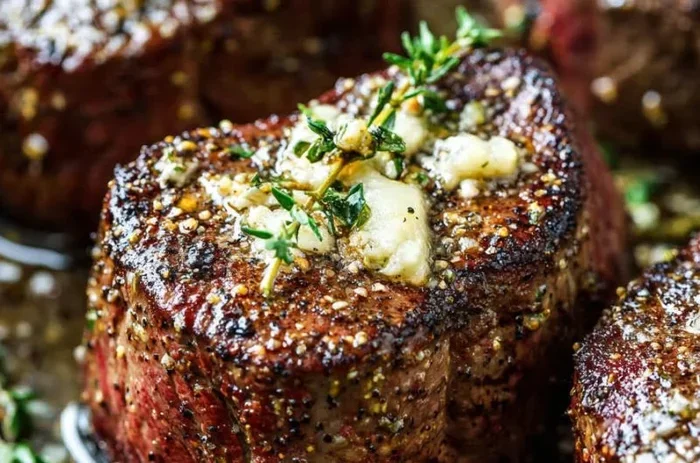
Lay the filet mignon gently in the pan and do not move it. Let it sear undisturbed for about 2 to 3 minutes. You will see a deep, brown crust forming at the bottom. Flip the steak using tongs and sear the other side for another 2 to 3 minutes. If your steak is thick, you can also sear the edges briefly by tilting the pan and using tongs to hold it upright.
This searing step is crucial for oven-baked steak. The Maillard reaction that happens at high heat creates hundreds of complex flavor compounds that make your steak taste rich and deeply savory. Do not skip this step if you want the best possible flavor.
Step 4: Add Butter and Aromatics
After searing both sides, reduce the heat to medium. Add a tablespoon of unsalted butter, two whole garlic cloves, and a couple of sprigs of fresh thyme or rosemary to the skillet. As the butter melts, tilt the pan slightly and use a spoon to baste the steak repeatedly with the melted, aromatic butter.
Basting for about 30 seconds to 1 minute adds incredible richness and helps cook the top of the steak gently. This technique is used in steakhouses around the world, and it works beautifully for Omaha Steaks Filet Mignon right in your own kitchen.
Step 5: Transfer to the Oven
Once you have finished searing and basting, transfer the entire skillet to the preheated oven. This is the easiest and most effective way to finish cooking your filet mignon. The oven surrounds the steak with even heat, cooking it gently and consistently.
Cook the steak in the oven until it reaches about 5°F below your target internal temperature. This accounts for the temperature rise that happens during the resting phase. For example, if you want a medium-rare steak with an internal temperature of 130°F, pull it from the oven when it reads 125°F.
Step 6: Rest the Steak
This is the step most people rush through, and it is the most important. Remove the skillet from the oven and transfer the steak to a warm cutting board. Tent it loosely with aluminum foil and let it rest for 5 to 10 minutes.
During resting, the juices inside the steak redistribute. When you cut into a rested steak, those juices stay inside the meat, giving you a juicy, tender bite. If you cut too early, the juices run out onto the board, and your steak ends up drier. Patience here pays off big time.
While the steak rests, you can use the pan drippings to make a quick pan sauce or simply wipe the skillet clean. The resting time is also when you can plate your side dishes and set the table, so the whole process flows smoothly.
Oven Temperature, Timing, and Doneness Levels
The Right Oven Temperature for Filet Mignon
The ideal oven temperature for cooking Omaha Steaks Filet Mignon is 400°F to 425°F. This range is hot enough to cook the steak efficiently while keeping the inside moist and tender. A temperature that is too low will dry out the steak over a long cook time, while a temperature that is too high can burn the outside before the inside is done.
If you prefer a more gentle approach, you can use the reverse sear method. Start the steak in a low oven at 275°F and cook it slowly until it reaches about 10°F below your target temperature. Then sear it in a screaming-hot skillet for 1 to 2 minutes per side. This method gives you the most even doneness from edge to center, but it takes longer and is best for steaks that are 2 inches thick or more.
Cooking Time Guide Based on Thickness
Cooking time varies depending on the thickness of your Omaha Steaks Filet Mignon and your target doneness. Here is a general guide to help you plan:
- 1-inch thick steak: About 6 to 8 minutes in the oven at 425°F after searing.
- 1.5-inch thick steak: About 8 to 10 minutes in the oven at 425°F after searing.
- 2-inch thick steak: About 10 to 14 minutes in the oven at 425°F after searing.
These times are estimates. Always rely on your meat thermometer rather than the clock. Every oven is slightly different, and the starting temperature of the steak affects cooking time. The thermometer is your best friend when learning how to cook Omaha Steaks Filet Mignon in the oven.
Doneness Temperature Chart
| Doneness | Internal Temperature (Pull from Oven) | Final Temperature After Resting | Visual Description |
|---|---|---|---|
| Rare | 115°F – 120°F | 120°F – 125°F | Cool red center, very soft texture |
| Medium Rare | 120°F – 125°F | 125°F – 130°F | Warm red center, juicy and tender |
| Medium | 125°F – 130°F | 130°F – 135°F | Pink center, firm but still juicy |
| Medium Well | 130°F – 135°F | 135°F – 140°F | Slight pink hint, firmer texture |
| Well Done | 140°F – 145°F | 145°F – 150°F | Little to no pink, fully cooked through |
For the best flavor and texture, most steak lovers recommend cooking Omaha Steaks Filet Mignon to medium-rare. This is the temperature range where the steak is juicy, tender, and full of beef flavor. The USDA recommends cooking beef to at least 145°F for food safety, but filet mignon is a whole-muscle cut, so the exterior sear handles surface bacteria. Cook to the doneness you enjoy most.
Common Mistakes to Avoid When Cooking Omaha Steaks Filet Mignon
Even experienced home cooks make mistakes when cooking oven-baked steak. Knowing what to avoid will save you from dry, overcooked, or bland filet mignon. Here are the most common errors and how to prevent them.
Skipping the Sear
The biggest mistake people make is going straight from the seasoning to the oven. While the steak will still cook, you will miss out on the deep, complex flavors that come from a proper sear. The Maillard reaction creates hundreds of new flavor compounds that make your steak taste richer and more satisfying. Always sear your Omaha Steaks Filet Mignon before putting it in the oven.
Not Using a Meat Thermometer
Relying on time alone to determine doneness is a recipe for disappointment. Every steak is different, and every oven runs slightly hot or cold. A meat thermometer takes the guesswork out entirely and ensures your steak is cooked to your exact preference. Invest in a good instant-read thermometer and use it every single time.
Cooking the Steak Straight from the Refrigerator
Putting a cold steak directly into a hot oven or pan leads to uneven cooking. The outside overcooks before the inside has a chance to reach the desired temperature. Always let your Omaha Steaks Filet Mignon sit at room temperature for about 30 minutes before cooking. This small step makes a noticeable difference in the final result.
Cutting Into the Steak Too Soon
We understand the temptation. That beautiful, seared steak is calling your name. But cutting into it too early releases all those precious juices onto the cutting board instead of keeping them inside the meat. Let the steak rest for at least 5 to 10 minutes after cooking. Your patience will be rewarded with a juicier, more flavorful bite.
Using the Wrong Oven Temperature
An oven that is too cool will dry out the steak over a long cook time. An oven that is too hot will burn the outside before the inside is done. Stick to the recommended range of 400°F to 425°F for the best results. If you are unsure what your oven temperature actually is, use an oven thermometer to verify. Many home ovens run 10 to 25 degrees off from the setting.
Over-Salting or Using the Wrong Salt
Table salt is finer than kosher salt, so it hits your steak much harder. Using too much table salt can make the steak taste overly salty and draw out too much moisture. Stick with kosher salt and apply it generously but evenly. The salt should coat the surface lightly, not pile up in clumps.
Serving and Pairing Your Oven-Baked Filet Mignon
Best Side Dishes for Oven-Roasted Filet Mignon
A great Omaha Steaks Filet Mignon deserves equally great sides. Here are some pairing ideas that complement the rich, tender flavor of the steak:
- Creamy mashed potatoes: The classic pairing. Smooth, buttery mashed potatoes absorb the steak juices beautifully.
- Roasted asparagus: The slight char and earthy flavor of roasted asparagus pairs wonderfully with filet mignon.
- Garlic butter green beans: A simple, vibrant side that adds freshness and color to the plate.
- Crispy roasted potatoes: Baby potatoes roasted with olive oil, rosemary, and garlic make a satisfying side.
- Caesar salad: The crisp romaine and tangy dressing provide a refreshing contrast to the rich steak.
- Grilled corn on the cob: If you want to keep the grilled theme, corn on the cob is a natural companion.
Wine Pairings for Filet Mignon
The right wine elevates your Omaha Steaks Filet Mignon from a great meal to an unforgettable dining experience. Here are some excellent pairing options:
- Cabernet Sauvignon: A full-bodied red with bold tannins that stand up to the richness of filet mignon.
- Pinot Noir: A lighter, more elegant red that complements the tender texture of the beef without overpowering it.
- Malbec: A smooth, fruity red from Argentina that pairs beautifully with seared and oven-roasted steak.
- Red blend: A Bordeaux-style blend offers complexity and depth that works well with premium cuts.
Simple Pan Sauce to Elevate Your Steak
After resting your steak, you can use the pan drippings to make a quick and delicious sauce. Pour off excess fat from the skillet, leaving about 2 tablespoons of drippings. Place the skillet over medium heat and add a minced shallot. Cook for about 1 minute, then deglaze with a splash of red wine or beef broth. Stir in a tablespoon of butter and a sprinkle of fresh herbs. Pour the sauce over your sliced steak and enjoy.
This simple technique takes your Omaha Steaks Filet Mignon to the next level without adding much effort. The pan sauce captures all the concentrated flavors from the searing and roasting process, giving you a restaurant-quality finish at home.
Storing and Reheating Leftover Steak
If you have leftovers, let the steak cool completely before storing it in an airtight container in the refrigerator. It will keep for up to 3 days. To reheat, place the steak in a low oven at 250°F for about 10 to 15 minutes, or until it reaches your desired internal temperature. Avoid microwaving, as it tends to make the steak tough and rubbery. A gentle reheat in the oven preserves the texture and flavor of your Omaha Steaks Filet Mignon.
Conclusion
Cooking Omaha Steaks Filet Mignon in the oven is one of the most rewarding things you can do in the kitchen. With the right temperature, a good sear, and a little patience, you can create a steakhouse-quality meal that will impress anyone at the table. The process is straightforward, the results are consistently excellent, and the method gives you full control over how your steak turns out.
Remember the key steps: season generously, sear in a hot cast iron skillet, finish in a 400°F to 425°F oven, and always let your steak rest before cutting. Use a meat thermometer to check the internal temperature and cook to your preferred doneness. Avoid the common mistakes we covered, and you will be well on your way to mastering oven-baked filet mignon.
The next time you have a Omaha Steaks Filet Mignon in your kitchen, skip the grill and let your oven do the work. You will be amazed at how easy and delicious it can be. Happy cooking, and enjoy every bite of that perfectly cooked, juicy, tender steak.
Frequently Asked Questions
What is the best oven temperature for cooking Omaha Steaks Filet Mignon?
The best oven temperature for cooking Omaha Steaks Filet Mignon is between 400°F and 425°F. This range provides enough heat to cook the steak efficiently while keeping the inside moist and tender. Always preheat your oven fully before placing the steak inside for the most consistent results.
How long should I cook filet mignon in the oven after searing?
After searing, cook Omaha Steaks Filet Mignon in the oven for about 6 to 14 minutes depending on the thickness and your target doneness. A 1.5-inch steak typically needs 8 to 10 minutes at 425°F. Always use a meat thermometer to check the internal temperature and pull the steak about 5°F before your target temperature, as the heat will continue to rise during resting.
Should I cover my steak with foil while it rests?
Yes, you should loosely tent your Omaha Steaks Filet Mignon with aluminum foil while it rests. This keeps the steak warm without trapping too much steam, which could soften the crust you worked hard to create. Let the steak rest for 5 to 10 minutes before cutting into it for the juiciest results.
Can I cook frozen Omaha Steaks Filet Mignon in the oven?
It is best to thaw your Omaha Steaks Filet Mignon before cooking for even results. If you cook from frozen, the outside will overcook before the inside thaws, leading to uneven doneness. Thaw the steak in the refrigerator overnight or use the cold water method for a faster thaw, then follow the regular cooking process.
What is the reverse sear method and does it work for filet mignon?
The reverse sear method involves cooking the steak slowly in a low oven at around 275°F until it reaches about 10°F below your target internal temperature, then finishing with a hard sear in a hot skillet. This method works wonderfully for Omaha Steaks Filet Mignon, especially thicker cuts, because it produces incredibly even doneness from edge to center with a beautiful crust.
How do I know when my oven-baked filet mignon is done?
The only reliable way to know when your Omaha Steaks Filet Mignon is done is by using a meat thermometer. Insert it horizontally into the thickest part of the steak and check the internal temperature against a doneness chart. Rare is around 120°F, medium-rare is 125°F to 130°F, and medium is 130°F to 135°F. Always pull the steak a few degrees early and let carryover cooking bring it to the final temperature during resting.