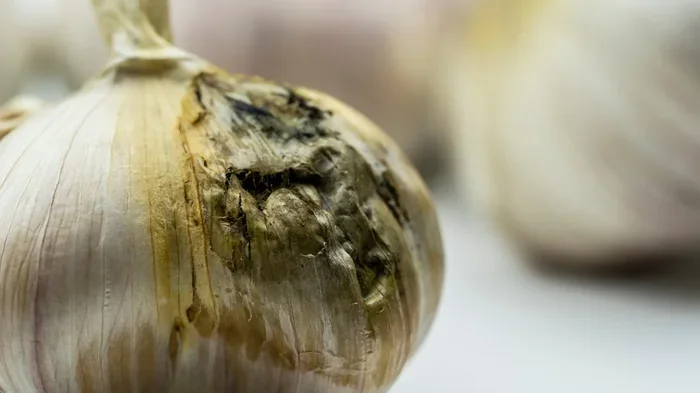
How Long Until Garlic Goes Bad Here Is What You Need To Know
Garlic can last anywhere from a few days to several months depending on how you store it. Whole garlic bulbs kept in a cool, dry place stay fresh for 3 to 5 months, while peeled or minced garlic lasts much shorter. Knowing the signs of spoilage and proper storage methods helps you avoid waste and keep your garlic flavorful every time.
Garlic is one of those ingredients that every kitchen needs. It adds amazing flavor to almost any dish. But here is the thing most people do not think about. How long does garlic actually last before it goes bad?
Whether you buy garlic in bulk at the store or grow your own in a garden, knowing its shelf life matters a lot. Nobody wants to chop into a clove only to find it has turned soft, slimy, or smells off. The good news is that with the right storage method, you can keep garlic fresh for a surprisingly long time.
In this guide, we will walk you through everything you need to know about garlic shelf life. You will learn how long different forms of garlic last, the best ways to store it, and the clear signs that your garlic has gone bad. Let us get into it.
Key Takeaways
- Whole garlic bulbs last 3 to 5 months when stored in a cool, dry, and well-ventilated spot.
- Peeled or minced garlic should be used within 1 to 2 weeks when refrigerated.
- Freezing garlic is the best method for long-term storage, extending its life up to 12 months.
- Watch for green sprouts, soft spots, and discoloration as clear signs garlic has gone bad.
- Jarred or packaged garlic has a shorter shelf life than fresh whole bulbs but offers convenience.
- Never store garlic in a sealed plastic bag or airtight container at room temperature, as moisture causes spoilage.
📑 Table of Contents
- How Long Does Garlic Last in Different Forms?
- Signs Your Garlic Has Gone Bad
- Best Ways to Store Garlic for Maximum Freshness
- Can You Use Garlic After It Sprouts?
- Garlic Bread Recipes That Use Fresh Garlic
- Quick Tips to Keep Garlic Fresh Longer
- Common Mistakes That Make Garlic Go Bad Faster
- Is It Safe to Eat Expired Garlic?
- Key Takeaways
- Conclusion
How Long Does Garlic Last in Different Forms?
The shelf life of garlic depends a lot on its form. A whole garlic bulb behaves very differently from peeled cloves or jarred minced garlic. Understanding these differences helps you plan your cooking and reduce food waste.
Whole Garlic Bulbs
A whole garlic bulb with the papery skin intact lasts the longest. When stored properly, whole garlic bulbs stay fresh for 3 to 5 months. This is the best form of garlic for long-term storage. The outer skin acts as a natural protective layer that keeps moisture and bacteria out.
The key to making whole garlic last is keeping it in a cool, dry, and well-ventilated area. A pantry or a open basket works great. Avoid storing garlic in sealed containers or plastic bags because trapped moisture speeds up spoilage.
Peeled and Minced Garlic
Once you peel the cloves or chop them up, the clock starts ticking faster. Peeled garlic cloves last about 1 to 2 weeks in the refrigerator. Minced garlic stored in an airtight container in the fridge stays good for a similar amount of time.
If you want to extend the life of minced garlic, consider freezing it. Frozen minced garlic can last up to 6 months. Just spread it on a tray, freeze it solid, and then transfer it to a freezer bag. This way you always have ready-to-use garlic on hand.
Jarred and Packaged Garlic
Store-bought jarred minced garlic or garlic paste is convenient but has a shorter life than fresh whole bulbs. Once opened, jarred garlic typically lasts about 1 to 3 months in the refrigerator. Always check the expiration date on the label. The preservatives help, but they do not last forever.
Unopened jarred garlic can last until the printed expiration date if stored properly in a cool place. However, once you open the jar, the clock starts and you should use it within a few months for the best flavor and quality.
Signs Your Garlic Has Gone Bad
Nobody wants to cook with spoiled garlic. The flavor becomes bitter and unpleasant, and eating spoiled garlic can sometimes cause stomach discomfort. Here are the clear signs that your garlic has gone bad and should be thrown out.
Visual Clues
Look at the garlic cloves carefully. Fresh garlic has a firm, white or slightly creamy texture. If you notice any of these warning signs, it is time to toss it:
- Discoloration: Brown or yellow spots on the surface mean the garlic is aging and losing quality.
- Soft or mushy texture: Fresh garlic should feel firm. If it gives slightly when you press it, it has started to spoil.
- Green sprouts: While sprouts are not dangerous, they signal that the garlic is old and the flavor has weakened. Some people say sprouted garlic tastes bitter.
- Mold: Any fuzzy growth, whether white, green, or black, means the garlic must be discarded immediately.
Smell and Taste Test
Your nose is one of the best tools for checking garlic freshness. Fresh garlic has a strong, pungent, and slightly sweet aroma. If the garlic smells sour, musty, or just dull, it has lost its quality and you should not use it.
When in doubt, taste a tiny piece. Fresh garlic has a sharp, spicy kick that mellows when cooked. Spoiled garlic tastes bitter, bland, or just plain off. Trust your senses here.
Texture Changes
As garlic ages, it loses moisture and shrinks. The cloves become shriveled and papery. While slightly dried-out garlic is not necessarily dangerous, it has lost most of its flavor and will not add much to your dishes. It is best to replace it with fresh garlic.
Best Ways to Store Garlic for Maximum Freshness
Proper storage is the single most important factor in extending garlic shelf life. Different methods work for different timeframes. Here is a complete guide to storing garlic the right way.
Storing Garlic on the Counter
The countertop is a great spot for whole garlic bulbs that you plan to use within a few weeks. Follow these simple tips for counter storage:
- Keep garlic in a mesh bag, paper bag, or open basket. Airflow is essential.
- Store it away from direct sunlight, which can cause the garlic to sprout faster.
- Do not store garlic near potatoes. Both release moisture and gases that can speed up spoilage for each other.
- Keep the temperature between 60 and 65 degrees Fahrenheit for optimal freshness.
A cool, dark pantry is ideal. The goal is to replicate the conditions garlic grows in: warm days, cool nights, and low humidity.
Storing Garlic in the Refrigerator
The refrigerator is not the best place for whole garlic bulbs. The cold and moisture can cause the cloves to soften and even sprout. However, once you peel or chop garlic, the fridge is your best option for short-term storage.
Store peeled cloves in a small airtight container lined with a paper towel. The paper towel absorbs excess moisture and helps keep the garlic firm. You can also place minced garlic in a small jar with a tight lid in the refrigerator.
Freezing Garlic for Long-Term Storage
Freezing is the best method for making garlic last up to 12 months. Here is how to do it right:
- Peel the cloves and chop or mince them as you normally would.
- Spread the minced garlic in a single layer on a parchment-lined baking sheet.
- Freeze for 1 to 2 hours until solid.
- Transfer the frozen garlic to a freezer-safe bag or container.
- Label the bag with the date and use within 12 months for the best flavor.
You can also freeze whole unpeeled cloves. Just place them in a freezer bag, remove as much air as possible, and seal. When you need a clove, simply take it out and let it thaw for a few minutes.
Pickling and Preserving Garlic
Pickling garlic is another excellent preservation method. Pickled garlic lasts for months in the refrigerator and adds a tangy twist to recipes. You can pickle garlic in vinegar with a bit of salt and spices. It makes a great condiment and lasts much longer than raw garlic.
Can You Use Garlic After It Sprouts?
Green sprouts growing out of garlic cloves are a common sight. Many people wonder whether sprouted garlic is safe to eat. The short answer is yes. Sprouted garlic is not dangerous and will not make you sick.
However, the flavor changes. Sprouted garlic tends to taste bitter and less flavorful than fresh garlic. The sprout itself draws nutrients from the clove, which weakens the garlic’s taste and aroma. For cooking purposes, it is best to remove the sprout and use the clove quickly.
If the garlic has just started to sprout and the clove is still firm, you can still use it. Simply cut the clove in half and pull out the green shoot. The remaining garlic should be fine for cooking. But if the clove has become soft or mushy, it is time to throw it away.
Garlic Bread Recipes That Use Fresh Garlic
One of the best ways to use up fresh garlic before it goes bad is to make garlic bread. There is nothing better than warm, buttery garlic bread straight from the oven. Using fresh garlic gives the bread a much richer and more authentic flavor compared to garlic powder alone.
If you love garlic bread, try making garlic bread with garlic powder in the oven for a quick and easy version that comes together in minutes. For a more classic approach, you can also try making traditional garlic bread in the oven using fresh minced garlic, butter, and herbs. Both methods are simple and produce delicious results.
Garlic bread is also a great way to use up garlic that is starting to lose its peak freshness. Even slightly older cloves still pack plenty of flavor when baked with butter and served warm. This is a perfect solution if you have garlic that is not quite spoiled but not at its best anymore.
Quick Tips to Keep Garlic Fresh Longer
Here are some easy, practical tips that make a big difference in garlic freshness:
- Do not wash garlic before storing. Moisture is the enemy of garlic shelf life. Only rinse cloves right before you use them.
- Store garlic whole, not broken. Once you break apart a bulb, the cloves lose their protective layer and spoil faster.
- Use a paper bag for counter storage. Paper absorbs moisture better than plastic and allows airflow.
- Check your garlic regularly. A quick weekly inspection helps you catch spoiled cloves before they affect the rest of the bulb.
- Buy garlic in smaller quantities more often. This ensures you always use fresh garlic and reduce waste.
- Keep garlic away from heat sources. Stoves, dishwashers, and direct sunlight all shorten garlic shelf life.
- When in doubt, freeze it. Freezing preserves garlic flavor and extends its life dramatically. It is better to freeze garlic than to let it go to waste.
Common Mistakes That Make Garlic Go Bad Faster
Sometimes we accidentally shorten garlic shelf life without realizing it. Here are the most common mistakes people make:
- Storing garlic in a sealed plastic bag. This traps moisture and creates the perfect environment for mold. Always use breathable storage like mesh or paper bags.
- Keeping garlic in the fridge whole. The cold and humidity cause whole bulbs to soften and sprout prematurely. Only refrigerate peeled or chopped garlic.
- Leaving garlic in the cutting board. Exposed cut garlic dries out quickly and can absorb odors from other foods. Store cut garlic in a container instead.
- Ignoring the “use by” date on packaged garlic. Jarred garlic products have expiration dates for a reason. Using them past that date can affect both flavor and safety.
- Storing garlic near onions. Onions release gases that can cause garlic to spoil faster. Keep them in separate storage areas.
Is It Safe to Eat Expired Garlic?
This is a question many people ask, and the answer depends on the condition of the garlic. Garlic that is simply dried out or slightly shriveled is generally safe to eat, even if it has lost some flavor. However, garlic that shows signs of mold, has a sour or off smell, or feels slimy should never be consumed.
Expired garlic that has gone truly rotten can cause digestive discomfort. The bacteria that grow on spoiled garlic can lead to stomach cramps, nausea, or diarrhea. When in doubt, it is always better to throw it out and use fresh garlic instead.
For the best cooking results and food safety, always use garlic that looks, smells, and feels fresh. Fresh garlic not only tastes better but also provides more of its natural health benefits, including its well-known antioxidant properties.
Key Takeaways
- Whole garlic bulbs last 3 to 5 months when stored in a cool, dry, and ventilated space.
- Peeled or minced garlic should be used within 1 to 2 weeks in the refrigerator.
- Freezing garlic extends its life up to 12 months and preserves flavor remarkably well.
- Green sprouts, soft spots, mold, and off smells are clear signs garlic has gone bad.
- Jarred garlic lasts 1 to 3 months after opening and should always be refrigerated.
- Proper storage prevents spoilage and saves money by reducing food waste.
- Sprouted garlic is safe but less flavorful and works best in cooked dishes where the bitterness is masked.
Conclusion
Understanding how long garlic lasts and how to store it properly makes a huge difference in your kitchen. Garlic goes bad faster when exposed to moisture, heat, and poor airflow, but with the right storage method, you can enjoy fresh garlic for months at a time.
Whole garlic bulbs are the champions of longevity, lasting up to 5 months with proper care. Peeled and minced garlic needs more attention and should be used or frozen within a couple of weeks. And always trust your senses. If the garlic smells off, looks discolored, or feels mushy, it is time to let it go.
By following the tips in this guide, you will waste less garlic, save money, and always have flavorful cloves ready for your favorite recipes. Fresh garlic makes everything taste better, and now you know exactly how to keep it at its best for as long as possible.
Frequently Asked Questions
How can you tell if garlic has gone bad?
Look for visual signs like brown spots, green sprouts, or mold. Check the texture. Fresh garlic should be firm. If it feels soft or mushy, it has gone bad. A sour or musty smell is another clear indicator that the garlic is no longer good to use.
Can you freeze garlic to make it last longer?
Yes, freezing is the best method for long-term garlic storage. Minced garlic can last up to 12 months in the freezer. Simply spread it on a tray, freeze it solid, then transfer it to a freezer bag. Whole unpeeled cloves can also be frozen and used as needed.
Is sprouted garlic safe to eat?
Sprouted garlic is safe to eat and will not harm you. However, the flavor becomes bitter and less pleasant. You can simply remove the green sprout and use the rest of the clove in cooking. It works best in dishes where the garlic is cooked thoroughly.
How long does jarred minced garlic last after opening?
Once opened, jarred minced garlic typically lasts 1 to 3 months in the refrigerator. Always check the expiration date on the label and use your senses. If the garlic smells off or looks discolored, it is best to discard it and get a fresh jar.
What is the best way to store whole garlic bulbs?
The best way is to store whole bulbs in a cool, dry, and well-ventilated area like a mesh bag or open basket in your pantry. Keep them away from sunlight and moisture. Avoid sealed plastic bags and never store garlic in the fridge whole, as the cold and humidity cause spoilage.
Does garlic go bad faster in the refrigerator?
Whole garlic bulbs go bad faster in the refrigerator because the cold and moisture soften the cloves and encourage sprouting. However, peeled or minced garlic should be stored in the refrigerator in an airtight container and used within 1 to 2 weeks for the best quality.