What Temperature To Bake Focaccia In The Oven Perfectly
Baking focaccia at the right temperature is the key to achieving a golden, crispy crust with a soft, airy crumb. The ideal oven temperature for focaccia ranges between 400°F and 450°F, and getting this right transforms your homemade bread from ordinary to exceptional. This guide covers everything you need to know about what temperature to bake focaccia in the oven, including dough prep, toppings, and timing.
There is something truly special about pulling a fresh focaccia loaf out of the oven. The kitchen fills with the warm, inviting aroma of rosemary, garlic, and olive oil. This Italian flatbread has a way of bringing people together, whether it is served alongside a hearty soup or used as the base for a delicious sandwich.
But here is the honest truth. The difference between a mediocre focaccia and an outstanding one often comes down to one thing: oven temperature. Many home bakers wonder about what temperature to bake focaccia in the oven, and the answer is not always obvious. Too low, and your bread turns out dense and pale. Too high, and the outside burns before the inside has a chance to cook through.
This guide will walk you through everything you need to know. We will cover the ideal temperature range, how to prepare your dough, common mistakes to avoid, and pro tips that will elevate your focaccia recipe to the next level. Whether you are a beginner or a seasoned baker, you will find practical advice here.
Key Takeaways
- Ideal Temperature: Bake focaccia between 400°F and 450°F for the best results.
- Preheat Matters: Always preheat your oven for at least 20 minutes before baking.
- Dough Preparation: A well-rested, properly risen dough is essential for the right texture.
- Olive Oil Is Key: Generous olive oil creates the signature crispy, golden crust.
- Avoid Common Mistakes: Too low a temperature leads to dense bread, while too high burns the outside.
- Use a Pizza Stone: It helps achieve an even crispier bottom crust.
- Bake Time Varies: Most focaccia loaves need 20 to 30 minutes depending on thickness.
📑 Table of Contents
The Ideal Oven Temperature for Focaccia
Getting the oven temperature right is the foundation of great focaccia. Most bakers agree that the sweet spot falls between 400°F and 450°F. This range allows the dough to rise fully in the oven while developing a beautiful golden-brown crispy crust on the outside. When you nail this oven temperature, you unlock the perfect balance of crunch and softness that makes focaccia so irresistible.
Why Temperature Matters So Much
Temperature controls how your yeast dough behaves during baking. At the right heat, the yeast creates steam inside the dough, which puffs up the bread and creates those airy pockets. The Maillard reaction, which is the chemical process responsible for browning, kicks in around 280°F to 330°F on the surface. This is what gives focaccia its signature golden brown crust and rich, complex flavor.
If your oven runs too cool, the dough will not get enough oven spring. The result is a flat, dense loaf that lacks the light, fluffy texture people love. On the other hand, excessive heat will set the outside too quickly, trapping moisture inside and potentially leaving the center undercooked. Understanding this balance is essential for anyone serious about baking bread at home.
The Sweet Spot: 400°F to 450°F
For most traditional focaccia recipes, 425°F is the go-to temperature. This middle ground offers the best of both worlds. The bread bakes evenly, develops a lovely crust, and stays fluffy on the inside. Here is a quick look at how different temperatures affect your bake:
| Oven Temperature | Result | Bake Time |
|---|---|---|
| 375°F | Pale crust, dense texture, longer bake | 35-40 minutes |
| 400°F | Light golden crust, decent rise | 25-30 minutes |
| 425°F | Perfect golden crust, fluffy interior | 20-25 minutes |
| 450°F | Deep golden crust, crisp bottom | 18-22 minutes |
| 475°F+ | Risk of burning, uneven bake | 15-18 minutes |
As you can see, 425°F hits the mark for most baking bread enthusiasts. If you prefer a thicker, chewier focaccia, lean toward 400°F. For a thinner, crispier version, try 450°F. Always remember that every oven is different, so a reliable oven thermometer is your best friend.
How to Prepare Your Focaccia Dough
The dough is the heart of every great focaccia. Even if your oven temperature is perfect, a poorly prepared dough will let you down. Let us break down the essential steps so your next batch turns out beautifully.
Ingredients You Will Need
A classic focaccia recipe calls for simple ingredients that you likely already have in your pantry:
- Bread flour (or all-purpose flour) for structure and chew
- Active dry yeast or instant yeast for proper leavening
- Warm water to activate the yeast and form the yeast dough
- Olive oil for richness, flavor, and that signature golden finish
- Sea salt for seasoning and creating texture on the surface
- Sugar or honey to feed the yeast and support fermentation
The dough hydration plays a big role in the final texture. Focaccia typically has a higher water content than other breads, which gives it that signature open crumb and airy feel. Aim for a hydration level around 70 to 75 percent for the best results. This higher moisture content is what makes focaccia so different from a standard sandwich loaf.
Letting the Dough Rise Properly
Patience is your best friend when it comes to dough rise. After mixing your ingredients, let the dough rest at room temperature for about one to two hours until it doubles in size. This first rise develops the gluten network that gives focaccia its structure. For even more flavor, try a cold fermentation by refrigerating the dough overnight. This slow rise develops complex, tangy flavors that make your homemade bread truly special.
Before baking, let the shaped dough come back to room temperature. This usually takes about 30 to 45 minutes. Cold dough going into a hot oven will not rise as effectively, and you will miss out on that beautiful fluffy interior. The dough rise right before baking is just as important as the first rise, so do not skip this step.
Step-by-Step Baking Process
Now that your dough is ready and your oven is preheated, it is time to bake. Follow these steps for the best results every single time.
Shaping and Dimpling the Dough
Transfer your risen dough onto a lined baking sheet or a pizza stone. Use your fingers to press the dough into an even layer, leaving a small border around the edges for a nice rim. The dimples are a hallmark of great focaccia. Press your fingertips firmly into the dough at regular intervals, about an inch apart. These indentations help the olive oil seep in and create those crispy, flavorful pockets that everyone loves.
Do not be afraid to really press down. The dimpled bread should look rustic and uneven. That is exactly the point. Overly neat focaccia is not authentic, and the dimples are what give this Italian flatbread its character.
Adding Toppings and Olive Oil
Drizzle generous amounts of olive oil over the top of the dimpled dough. This is what gives focaccia its rich, golden finish and crispy edges. Add your desired toppings such as rosemary sprigs, flaky sea salt, cherry tomatoes, or thinly sliced garlic. The olive oil not only adds flavor but also helps conduct heat evenly across the surface for a uniform golden brown crust.
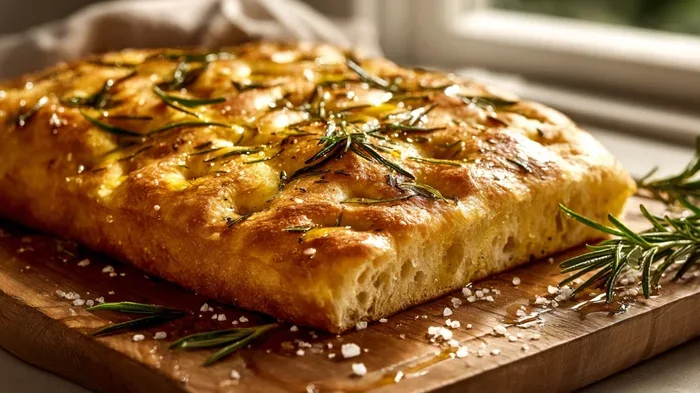
For a classic rosemary focaccia, press fresh rosemary leaves into the dough before the final bake. The combination of olive oil and rosemary is timeless and pairs beautifully with almost any meal. Feel free to get creative with toppings, but keep them light enough that they do not weigh down the yeast dough.
The Baking Phase
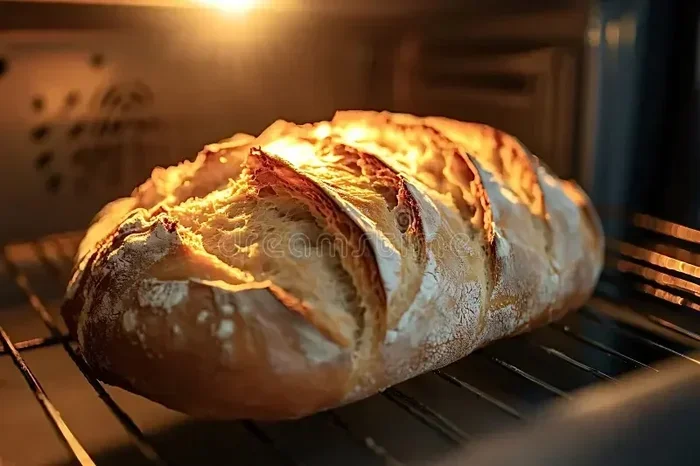
Place your focaccia in the preheated oven and bake for 20 to 30 minutes. The bread is done when the top turns golden brown and the bottom sounds hollow when tapped. For an extra crispy crust, you can place a small pan of water on the bottom rack during the first five minutes of baking. This creates steam in oven conditions, which helps develop a crispier exterior while keeping the inside moist and pillowy.
Let the focaccia cool on a wire rack for at least 10 minutes before slicing. This allows the interior to set and prevents the bread from becoming soggy. Cutting into it too early can release steam and compromise that beautiful crispy crust you worked so hard to achieve.
Common Mistakes to Avoid
Even experienced bakers make mistakes. Here are the most common errors when baking focaccia and how to fix them so your next loaf is perfect.
Baking at Too Low a Temperature
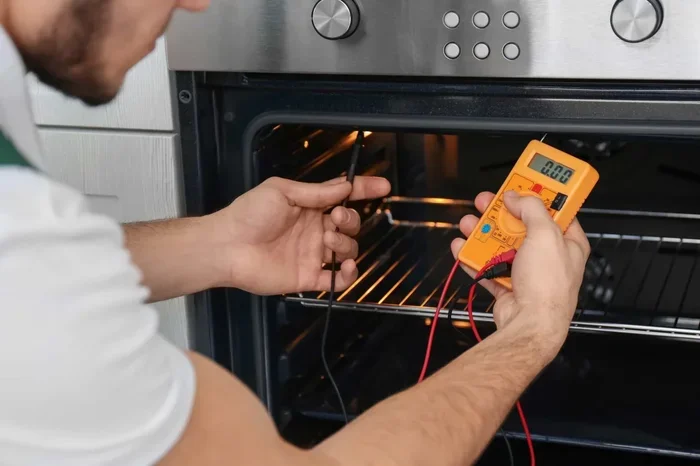
This is the number one mistake people make. If your oven is not hot enough, the yeast dough will spread out instead of rising up. You will end up with a flat, pale loaf that lacks the crispy crust everyone loves. Always use an oven thermometer to verify your actual oven temperature. Many ovens run cooler or hotter than their settings suggest, and this small detail can make or break your focaccia recipe.
Skipping the Preheat
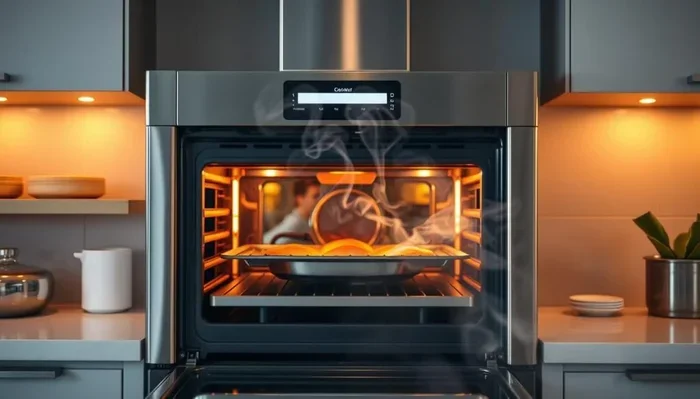
Never put your dough into a cold oven. Preheating ensures that the initial burst of heat triggers proper oven spring. Give your oven at least 20 to 30 minutes to reach the target temperature before the bread goes in. This waiting period is not wasted time. It is the foundation of a great bake.
Overloading with Toppings
While toppings add wonderful flavor, too much of a good thing can backfire. Heavy toppings weigh down the dough and prevent it from rising properly. Keep toppings light and evenly distributed for the best baking bread results. A light hand with toppings lets the natural flavors of the dough and olive oil shine through.
Not Using Enough Olive Oil
Focaccia is not a low-fat bread. The generous drizzle of olive oil is what creates the crispy, golden exterior and rich flavor. Do not be shy with it. A well-oiled focaccia is a happy focaccia. If you are watching your fat intake, you can reduce the amount slightly, but know that the olive oil plays a crucial role in both flavor and texture.
Focaccia vs Other Breads: Temperature Comparison
Different types of bread require different baking approaches. Here is how focaccia compares to other popular Italian bread and flatbread varieties. Understanding these differences helps you appreciate why what temperature to bake focaccia in the oven is so specific:
| Bread Type | Oven Temperature | Bake Time | Crumb Style |
|---|---|---|---|
| Focaccia | 400°F – 450°F | 20-30 minutes | Soft, airy, open crumb |
| Ciabatta | 425°F – 450°F | 25-30 minutes | Crispy, crackly crust |
| Naan | 450°F – 500°F | 3-5 minutes | Charred, soft and chewy |
| Pita | 475°F – 500°F | 5-8 minutes | Puffy, pocketed |
| Traditional Pizza | 450°F – 500°F | 10-15 minutes | Chewy, charred edges |
As the table shows, focaccia bakes at a moderate temperature compared to other breads. This lower, slower approach allows the dough to fully inflate and develop that characteristic soft, airy crumb. The high heat baking used for naan and pita creates a very different texture, which is why those breads puff up dramatically in the oven. Focaccia’s moderate temperature gives it time to develop flavor and achieve that perfect balance of crispy crust and tender interior.
If you have a pizza oven or a baking steel, you can push the temperature slightly higher for an even crispier result. But for most home ovens, the 400°F to 450°F range remains the gold standard for baking bread like focaccia.
Expert Tips for Perfect Focaccia Every Time
Want to take your focaccia recipe from good to great? Here are some professional bread baking tips that make a real difference in your final loaf.
- Use a pizza stone or baking steel. These tools store intense heat and transfer it directly to the bottom of the dough, creating an evenly crispy base that mimics a professional pizza oven.
- Brush with olive oil after baking. A light drizzle right out of the oven adds shine and extra flavor to the finished focaccia bread.
- Experiment with herbs and flavors. Fresh rosemary, thyme, and oregano are classic choices. Try adding sliced olives or caramelized onions for a delicious twist on your rosemary focaccia.
- Score the dough before baking. Use a sharp knife or razor blade to make shallow slashes. This gives the bread a professional look and helps control how it expands during the bake time.
- Let the dough rest if it fights you. If your dough keeps shrinking back, let it rest for 10 minutes. The gluten needs time to relax before you can shape it smoothly.
- Bake on the middle rack. This position allows heat to circulate evenly around the bread for a balanced golden brown crust on all sides.
One of the best bread baking tips is to keep notes. Every oven is different, and small adjustments can make a big difference. Note your temperature, bake time, and results each time you make a batch. Over time, you will develop a feel for exactly how your oven behaves. This personal knowledge is what separates good bakers from great ones.
Another pro tip is to try cold fermentation for your yeast dough. By letting the dough rest in the refrigerator for 12 to 24 hours before baking, you develop deeper, more complex flavors. The slow fermentation also improves the texture of the fluffy interior, giving your focaccia a lightness that is hard to achieve with a quick rise. This technique is well worth the extra planning if you want to impress your family and friends.
Conclusion
Mastering what temperature to bake focaccia in the oven is the single most impactful thing you can do for your baking bread results. The ideal range of 400°F to 450°F, with 425°F as the sweet spot, gives you the perfect balance of crispy golden brown crust and fluffy, airy interior. Combine this with proper dough preparation, generous olive oil, and a little patience, and you will be making bakery-quality focaccia bread at home in no time.
Remember to always preheat your oven, avoid the common mistakes we covered, and experiment with flavors and toppings to make each batch your own. Whether you are baking a classic rosemary focaccia or trying something new, the principles remain the same. Get the temperature right, trust the process, and enjoy the incredible aroma that fills your kitchen.
Now go ahead, preheat that oven, and bake the best focaccia of your life. Your family and friends will thank you for it. Happy baking.
Frequently Asked Questions
Can I bake focaccia at 350°F?
You can, but the results will not be ideal. A lower temperature like 350°F will produce a denser, paler focaccia with less crispy crust. For the best focaccia recipe results, stick to the recommended range of 400°F to 450°F. This ensures proper oven spring and that beautiful golden finish everyone loves.
How do I know when focaccia is done baking?
Look for a deep golden brown crust on top and a hollow sound when you tap the bottom. The internal temperature should reach about 200°F to 205°F. Most focaccia loaves bake for 20 to 30 minutes at the right oven temperature, but always use visual and tactile cues as your guide.
Do I need a pizza stone to bake focaccia?
A pizza stone is not strictly necessary, but it makes a noticeable difference. It absorbs and radiates intense heat, creating a crispier bottom crust similar to what you would get in a professional pizza oven. If you do not have one, a heavy baking sheet works fine too, though the result will be slightly less crispy on the bottom.
Can I use all-purpose flour instead of bread flour?
Yes, you can. All-purpose flour will produce a slightly less chewy focaccia compared to bread flour, but the results are still delicious. Bread flour has a higher protein content, which gives the dough more structure and chew. Either flour works well for a great homemade bread experience, so use what you have on hand.
How long should I let the focaccia dough rise?
For a standard rise, let the yeast dough sit at room temperature for one to two hours until it doubles in size. For deeper flavor, try a cold fermentation by refrigerating the dough for 12 to 24 hours. This slow dough rise develops complex, tangy flavors that elevate your Italian flatbread to restaurant quality.
What is the best oil to use for focaccia?
Extra virgin olive oil is the traditional and best choice for focaccia. It adds a rich, fruity flavor and helps create the signature crispy, golden crust. You can use it both in the dough and as a generous drizzle on top before baking. Some bakers also add a touch of rosemary focaccia flavor by infusing the olive oil with fresh herbs for an extra layer of deliciousness.