How Long To Cook A Whole Ham In The Oven Step By Step
How long to cook a whole ham in the oven depends on the size and type of ham you choose. This step-by-step guide covers everything from prep to the final glaze. You will learn the exact cooking times, temperatures, and pro tips for a juicy, flavorful oven baked ham. Whether you are cooking a bone-in or boneless ham, this guide has you covered. Follow our simple instructions and impress your guests with a restaurant-quality holiday ham.
Cooking a whole ham in the oven might feel intimidating at first. But with the right guidance, it is one of the most rewarding things you can do in the kitchen. A perfectly baked ham fills your home with an incredible aroma and becomes the star of any holiday table or family gathering.
So how long to cook a whole ham in the oven? The answer depends on a few key factors. The weight of the ham, whether it is bone-in or boneless, and the oven temperature all play a role. In this complete guide, we walk you through every single step. By the end, you will feel confident enough to tackle your very first whole ham with ease.
This article covers everything you need to know. From choosing the right ham at the store to pulling it out of the oven perfectly done. We share exact times, temperatures, and our favorite glaze recipes. Let us get started.
Key Takeaways
- Plan for 15–20 minutes per pound: A typical 8–10 lb whole ham needs about 2.5 to 3.5 hours in the oven.
- Target 325°F oven temperature: This low-and-slow approach keeps the ham moist and prevents drying out.
- Use a meat thermometer: The ham is done when the internal temperature reaches 145°F for fresh pork ham.
- Score and glaze early: Applying a glaze during the last 30–45 minutes creates a beautiful caramelized finish.
- Rest the ham for 15–20 minutes: This lets the juices redistribute for a tender, easy-to-slice result.
- Bone-in hams offer more flavor: They are worth the extra cooking time and make a stunning centerpiece.
- Leftover ham keeps well: Store properly and use within 4 days for the best taste and safety.
📑 Table of Contents
- How Long To Cook A Whole Ham In The Oven – The Basics
- Choosing The Right Ham For Your Oven
- Preparing Your Ham Before Baking
- The Step By Step Cooking Process
- Making The Perfect Ham Glaze
- Resting And Serving Your Oven Baked Ham
- Common Mistakes To Avoid When Cooking Ham
- Expert Tips For The Best Ham Every Time
- Key Takeaways
- Conclusion
How Long To Cook A Whole Ham In The Oven – The Basics
The most common question we get is about timing. And rightfully so. Nobody wants to undercook or overcook their ham. The general rule of thumb is simple. Plan for about 15 to 20 minutes of cooking time per pound of ham. This applies when you roast the ham at 325°F.
Here is a quick breakdown of typical cooking times based on ham weight:
- 5–7 lb ham: About 1.5 to 2 hours
- 8–10 lb ham: About 2.5 to 3.5 hours
- 10–15 lb ham: About 3.5 to 4.5 hours
- 15–20 lb ham: About 4.5 to 5.5 hours
These times are for a fully cooked, smoked ham that you are simply reheating. If you are cooking a fresh, raw pork ham, the time will be longer. You will need to reach an internal temperature of 160°F instead of 145°F. Always use a reliable ham thermometer to check doneness. This is the single most important tool for perfect oven baked ham every time.
Why Oven Temperature Matters So Much
Many home cooks make the mistake of cranking up the oven to save time. This is a big no-no. High heat causes the outside of the ham to dry out long before the inside is fully heated. A steady 325°F is the sweet spot. It allows the heat to penetrate evenly through the meat. The result is a juicy, tender ham with a beautifully browned exterior.
If you are in a real hurry, you can increase the temperature to 350°F. But you will need to watch it closely. Check the internal temperature more frequently. And be prepared to add extra glaze toward the end. The lower and slower approach always wins when it comes to whole ham recipe results.
Bone-In vs. Boneless Ham: What Is The Difference
This is an important decision that affects your cooking time. A bone in ham takes slightly longer to cook. The bone acts as an insulator, meaning the meat around it heats up more slowly. But bone-in hams are worth it. They deliver more flavor and make a gorgeous presentation on the table.
A boneless ham cooks faster and is easier to slice. It is a great choice if you are short on time or feeding a smaller group. Both options work wonderfully in the oven. Just adjust your timing expectations accordingly.
Choosing The Right Ham For Your Oven
Not all hams are created equal. Before you even think about oven time, you need to pick the right one. Walking into a grocery store and facing all the options can be overwhelming. Let us break it down.
First, check the label. Look for terms like “fully cooked” or “ready to eat.” These hams only need reheating, which is much simpler. You will see labels like “smoked,” “cured,” or “city ham.” These are all fully cooked products. You just need to warm them through and add flavor with a glaze.
If you see “fresh ham” or “cook before eating,” that is a different animal entirely. A fresh pork ham is raw and needs to be cooked all the way through. This requires a higher internal temperature and longer cooking time. Make sure you know which type you bought before you start.
How Much Ham Should You Buy
A good rule for serving is about 1/2 pound of bone-in ham per person. For boneless ham, plan for 1/4 pound per person. If you are cooking for a holiday crowd, go big. Leftover ham makes incredible sandwiches, soups, and casseroles the next day. A holiday ham is one of those dishes that keeps giving long after the main meal is done.
What To Look For On The Label
Pay attention to a few key details when shopping. The weight should be clearly stated. Look for hams that are plump and moist-looking. Avoid any that appear dry or have a sticky, tacky surface. The packaging should be intact and cold to the touch. If buying from a butcher, ask them to recommend the best ham roast for oven cooking. They will often point you toward the perfect cut.
Preparing Your Ham Before Baking
Proper preparation sets the stage for a perfect result. Do not skip this step, even if you are in a hurry. A little prep work goes a long way toward a stunning oven roasted ham.
Step One: Remove The Ham From Packaging
Take the ham out of the refrigerator about 30 minutes before cooking. Letting it come to room temperature helps it cook more evenly. While it rests, preheat your oven to 325°F. Getting the oven up to temperature before the ham goes in is crucial.
Step Two: Score The Ham
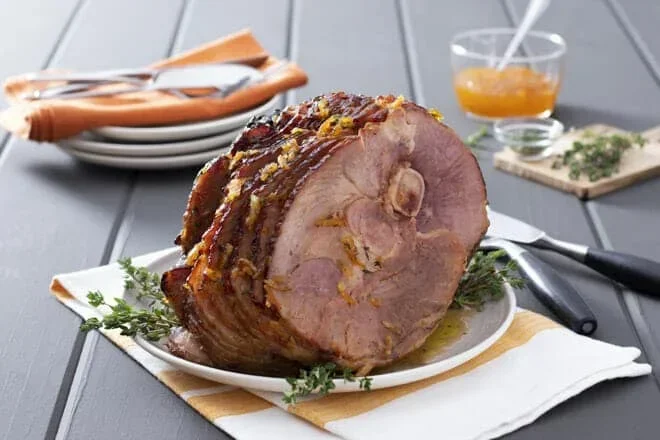
This is where the magic happens. Scoring means cutting shallow diamond patterns into the surface of the ham. Use a sharp knife and cut about 1/4 inch deep. This does two important things. First, it allows the glaze to penetrate deep into the meat. Second, it creates those beautiful caramelized edges everyone loves.
Hold the knife at a 45-degree angle for extra flair. This creates wider, more visible diamonds on the surface. It is a small touch that makes a big visual impact. Your ham prep will look professional and restaurant-worthy.
Step Three: Remove Any Skin Or Excess Fat
Some hams come with a thick layer of rind or skin. You want to score the fat but remove the rind. Leave about 1/4 inch of fat intact. This layer bastes the ham naturally as it cooks and keeps everything moist. Too much fat will make the ham greasy. Too little will cause it to dry out.
Step Four: Place The Ham In The Roasting Pan
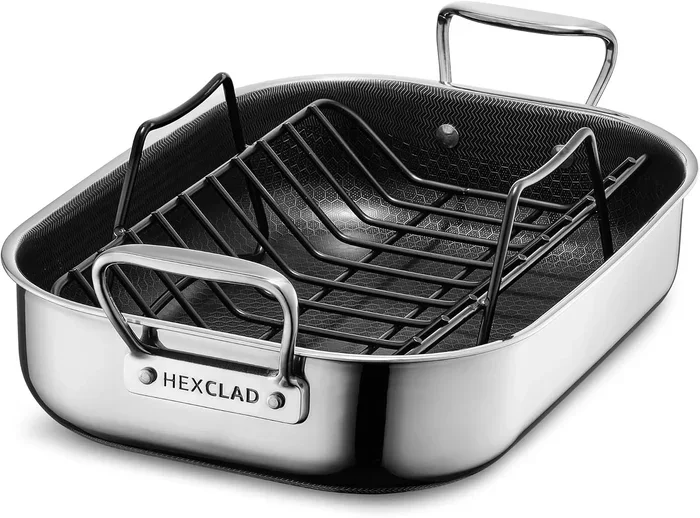
Set the ham on a rack inside a roasting pan. The rack allows hot air to circulate underneath. This prevents the bottom from becoming soggy. If you do not have a rack, you can use chopped onions or celery in the bottom of the pan instead. They lift the ham up and add subtle flavor as they steam.
Add about one cup of water to the bottom of the pan. This creates steam that keeps the oven environment moist. It is a simple trick that makes a noticeable difference in the final product. Your baked ham will thank you for it.
The Step By Step Cooking Process
Now comes the main event. Actually cooking the ham in the oven. Follow these steps closely and you will nail it every single time.
Step One: Cover And Roast
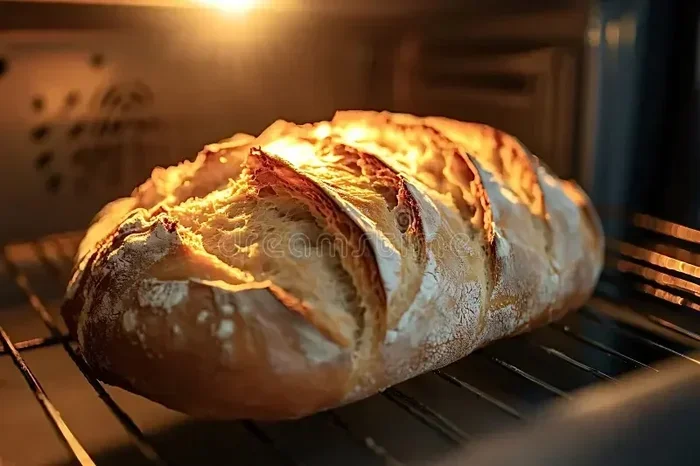
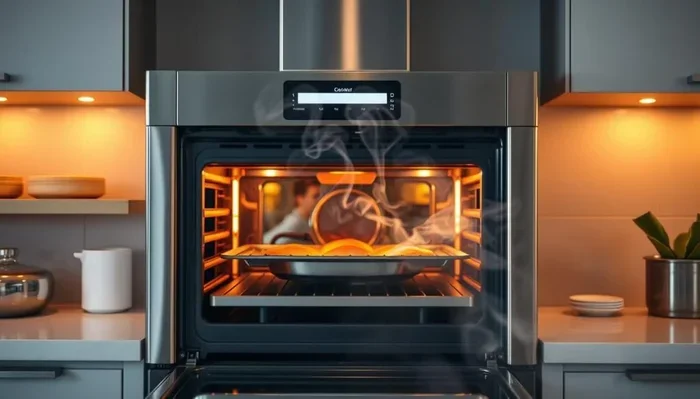
Cover the roasting pan tightly with aluminum foil. This traps moisture and creates a gentle steaming environment. Place the pan in the oven on the middle rack. Set your timer based on the weight of your ham. For a standard 8–10 pound ham, plan for about 2.5 to 3 hours.
Do not open the oven door frequently. Every time you open it, heat escapes and the cooking time increases. Trust the process and let the oven do its work. Patience is the secret ingredient in any great ham cooking guide.
Step Two: Check The Internal Temperature
About 30 minutes before the expected finish time, start checking the temperature. Insert a meat thermometer into the thickest part of the ham. Avoid touching the bone, as it conducts heat differently. The target temperature for a fully cooked ham is 140°F for reheating. For a fresh ham, you need 160°F.
If the ham is not yet at temperature, continue cooking and check again every 15 minutes. A good ham thermometer takes the guesswork out entirely. Invest in a reliable instant-read thermometer if you do not already have one. It is a kitchen essential.
Step Three: Apply The Glaze
Once the ham reaches about 125°F internally, it is time for the glaze. Remove the foil carefully. Brush a generous layer of glaze over the entire surface, making sure it gets into the scored lines. Return the ham to the oven uncovered.
This uncovered phase is what creates the sticky, glossy, caramelized exterior. It typically takes 30 to 45 minutes. The glaze will bubble and darken slightly. That is exactly what you want. The ham glaze transforms a simple roasted ham into something truly spectacular.
Step Four: Final Temperature Check
When the ham reaches 140°F internally, it is done. Pull it out of the oven and remove the foil. Let it rest on the counter for 15 to 20 minutes. This resting period is critical. The juices inside the ham redistribute and settle. When you finally slice, every piece will be moist and flavorful.
Making The Perfect Ham Glaze
The glaze is what takes a good ham to a great ham. It adds sweetness, depth, and that gorgeous caramelized finish. You do not need to be a baker to make a fantastic glaze. These recipes are incredibly simple.
Classic Brown Sugar Ham Glaze
This is the most popular glaze for a reason. It is easy, delicious, and crowd-pleasing.
- 1 cup brown sugar, packed
- 1/4 cup Dijon mustard
- 2 tablespoons apple cider vinegar
- 1 tablespoon whole cloves
Mix everything together in a small saucepan over medium heat. Stir until the sugar dissolves and the mixture is smooth. Let it simmer for 3 to 5 minutes until slightly thickened. Brush it on during the last 30 to 45 minutes of cooking. This classic whole ham recipe glaze never disappoints.
Honey Bourbon Glaze
For a more sophisticated flavor, try this option.
- 1/2 cup honey
- 2 tablespoons bourbon
- 1/4 cup maple syrup
- 1 tablespoon butter, melted
Whisk all ingredients together and warm gently. The bourbon adds a subtle warmth that pairs beautifully with the richness of the pork ham. Apply this glaze in the same way as the classic version. The result is a ham with a complex, sweet, and slightly smoky flavor profile.
Pineapple Brown Sugar Glaze
This is a tropical twist that is especially popular in the summer months.
- 1 cup crushed pineapple, drained
- 1/2 cup brown sugar
- 2 tablespoons apple cider vinegar
- 1 teaspoon cinnamon
Simmer the pineapple and sugar together until thickened. The natural acidity of the pineapple tenderizes the ham as it glazes. Sprinkle crushed pineapple chunks on top before baking for extra presentation points. This glaze pairs wonderfully with a boneless ham because it absorbs quickly into the lean meat.
Resting And Serving Your Oven Baked Ham
Pulling the ham out of the oven is not the end of the process. How you handle it afterward makes all the difference. Resting is just as important as cooking.
Place the ham on a cutting board and tent it loosely with foil. Let it sit for 15 to 20 minutes. During this time, the internal temperature will rise another 5 to 10 degrees. This is called carryover cooking. It happens naturally and brings the ham to its final perfect temperature.
When slicing, cut against the grain for the most tender results. If you have a bone-in ham, start by slicing along the bone to release the slices. Use a sharp carving knife. A dull knife will tear the meat and make it harder to get clean slices.
Arrange the slices on a platter and spoon any pan juices over the top. The juices are packed with flavor and add moisture back to the slices. Serve immediately and enjoy the compliments that will surely come your way.
Storing Leftover Ham Properly
Leftover oven roasted ham keeps well in the refrigerator. Wrap it tightly in plastic wrap or foil and store it within two hours of cooking. It will stay fresh for up to four days. For longer storage, freeze sliced ham in airtight containers. It keeps in the freezer for up to three months.
Leftover ham is incredibly versatile. Add it to omelets, pasta dishes, soups, and casseroles. A simple ham and cheese omelet makes a fantastic quick breakfast. Ham fried rice is another crowd favorite that uses up leftovers in a delicious way.
Common Mistakes To Avoid When Cooking Ham
Even experienced cooks sometimes stumble when preparing a whole ham. Here are the most common pitfalls and how to avoid them.
- Skipping the thermometer: Guessing doneness leads to dry or undercooked ham. Always use a ham thermometer.
- Cooking at too high a temperature: This dries out the exterior before the interior is heated through. Stick with 325°F.
- Adding the glaze too early: Sugar burns at high temperatures. Apply glaze only during the last 30 to 45 minutes.
- Not letting the ham rest: Cutting too soon releases all the juices. Patience pays off with a juicier ham.
- Overcooking the ham: Once the ham hits 140°F internally, it is done. Continued cooking dries it out.
- Forgetting to score: Scoring helps the glaze penetrate and creates an attractive presentation. Do not skip it.
Avoiding these mistakes puts you well ahead of most home cooks. Your ham cooking guide experience will be smooth and stress-free.
Expert Tips For The Best Ham Every Time
We asked seasoned cooks and culinary professionals for their top tips. Here is what they had to say about perfecting your how long to cook a whole ham in the oven approach.
Use the packaging juices. If your ham came in a bag with juices, pour some into the roasting pan. These contain concentrated flavor that enhances the meat as it cooks. It is a free flavor boost that many people overlook.
Insert whole cloves at the intersections. After scoring the ham, press a whole clove into each diamond intersection. Cloves add a warm, aromatic flavor that pairs beautifully with pork ham. They also make the ham look stunning on the table.
Baste the ham halfway through cooking. Remove the foil, spoon pan juices over the ham, and replace the foil. This keeps the surface moist and adds flavor layers. It is a small effort that yields big results.
Let the ham come to room temperature. Taking the ham out 30 minutes before cooking helps it roast evenly. Cold ham in a hot oven creates uneven cooking. This simple step makes a noticeable difference.
Save the bone. After you enjoy the ham, the bone makes an excellent base for split pea soup or bean soup. Do not throw it away. It is packed with collagen and flavor that transforms simple soups into rich, satisfying meals.
Key Takeaways
- Plan for 15–20 minutes per pound: A typical 8–10 lb whole ham needs about 2.5 to 3.5 hours in the oven.
- Target 325°F oven temperature: This low-and-slow approach keeps the ham moist and prevents drying out.
- Use a meat thermometer: The ham is done when the internal temperature reaches 140°F for reheating a fully cooked ham.
- Score and glaze early: Applying a glaze during the last 30–45 minutes creates a beautiful caramelized finish.
- Rest the ham for 15–20 minutes: This lets the juices redistribute for a tender, easy-to-slice result.
- Bone-in hams offer more flavor: They are worth the extra cooking time and make a stunning centerpiece.
- Leftover ham keeps well: Store properly and use within 4 days for the best taste and safety.
Conclusion
Learning how long to cook a whole ham in the oven is easier than most people think. With the right timing, temperature, and a little patience, you can produce a show-stopping oven baked ham that will have everyone coming back for seconds. The process is straightforward once you know the basics. Plan for 15 to 20 minutes per pound at 325°F. Use a meat thermometer to check for doneness. Apply your favorite glaze in the final half hour. And always let the ham rest before slicing.
Whether you are preparing a holiday ham for Thanksgiving or a Sunday dinner centerpiece, this guide gives you everything you need. Choose between a bone in ham or a boneless ham based on your preference and serving size. Prepare it with care, glaze it with love, and serve it with confidence. The aroma alone will have your family gathered in the kitchen before the first slice is even plated.
Now that you have all the knowledge, it is time to put it into practice. Pick up a beautiful ham this weekend and give it a try. You will be amazed at how simple and satisfying cooking a whole ham in the oven can be. Happy cooking!
Frequently Asked Questions
Can I cook a whole ham at 350°F instead of 325°F?
Yes, you can cook at 350°F, but you will need to reduce the cooking time slightly. The ham will cook faster at a higher temperature. However, you increase the risk of drying out the outer layers before the inside is fully heated. If you do cook at 350°F, check the internal temperature more frequently and monitor closely.
How do I know when my ham is done without a thermometer?
A meat thermometer is the most reliable way to check doneness. Without one, you can insert a knife into the thickest part of the ham. The juices should run clear, not pink. However, this method is less accurate than using a thermometer. We strongly recommend investing in a good instant-read thermometer for your ham cooking guide toolkit.
Should I cover my ham with foil while cooking?
Yes, covering the ham with foil for most of the cooking time helps retain moisture. The foil creates a steaming effect that keeps the ham juicy. Remove the foil during the last 30 to 45 minutes to allow the glaze to caramelize and the exterior to brown beautifully.
Can I use a spiral ham for this method?
Absolutely. Spiral hams work wonderfully in the oven. They are already sliced, which means they heat through faster than a whole uncut ham. Follow the same 325°F temperature and check the internal temperature regularly. Spiral hams typically need less time because the slices allow heat to penetrate more evenly throughout the pork ham.
What is the best glaze for a whole ham?
The best glaze depends on your personal taste. A classic brown sugar and Dijon mustard glaze is the most popular choice for a reason. It is simple, delicious, and complements the smoky flavor of most hams. Honey bourbon and pineapple brown sugar glazes are excellent alternatives if you want to try something different. Any of these whole ham recipe glazes will produce outstanding results.
How long does cooked ham last in the refrigerator?
Properly stored cooked ham keeps in the refrigerator for 3 to 4 days. Wrap it tightly in plastic wrap or aluminum foil, or store it in an airtight container. For longer storage, freeze individual slices in freezer bags. Frozen ham maintains its best quality for up to 3 months. Always reheat leftover ham to 165°F before serving for food safety.