How Long To Cook Lamb Shanks In Oven For Tender Results
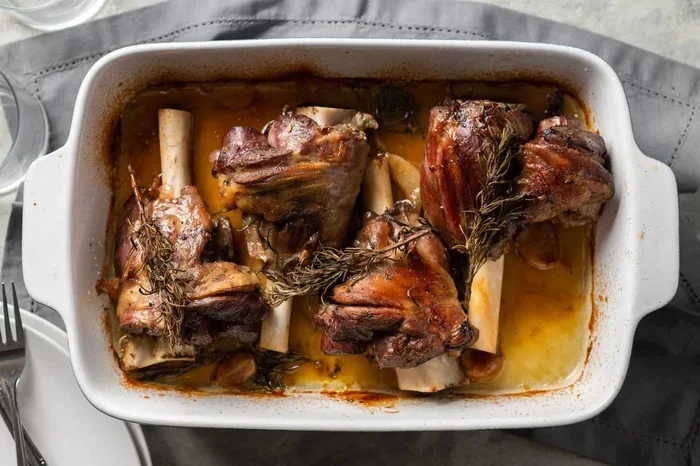
This guide shows you exactly how long to cook lamb shanks in oven for tender, fall-off-the-bone results. You’ll learn the ideal temperature, braising time, and simple steps to make perfectly braised lamb shanks every time. Whether you’re using bone-in or boneless shanks, this lamb shank recipe guarantees juicy, flavorful meat.
Key Takeaways
- Low and slow is the secret: Braise at 325°F for 2.5–3.5 hours to answer how long to cook lamb shanks in oven for fork-tender results.
- Searing builds flavor: Brown the shanks first to create a rich fond that deepens the braise.
- Use a meat thermometer: The internal temperature must reach 200°F for collagen breakdown and tender meat.
- Rest before serving: Let the lamb rest 10 minutes so juices redistribute and the meat stays moist.
- Braising liquid matters: Red wine, beef stock, or a mix creates a savory, aromatic sauce.
- Bone-in adds more flavor: Bone-in shanks take longer but yield richer, more succulent meat.
- Don’t rush the process: High heat toughens the meat. Patience is the key to fall-off-the-bone tenderness.
📑 Table of Contents
- Why Oven Braising Is Perfect for Lamb Shanks
- How Long To Cook Lamb Shanks In Oven: Time and Temperature Guide
- Choosing the Right Lamb Shanks for Oven Braising
- Preparing Your Lamb Shanks Before the Oven
- Step-by-Step: Cooking Lamb Shanks in the Oven
- Quick Tips for Fall-Off-the-Bone Tender Lamb Shanks
- Common Mistakes That Lead to Dry Lamb Shanks
- Flavor Variations and Serving Suggestions
- Expert Insights
- Key Takeaways
- Conclusion: Mastering How Long To Cook Lamb Shanks In Oven
Why Oven Braising Is Perfect for Lamb Shanks
Lamb shanks are one of the most satisfying cuts to prepare at home. They come from the lower leg and are packed with collagen and connective tissue. This makes them tough when cooked quickly. But when you use low, steady heat, something magical happens. The collagen breaks down into gelatin. This gives the meat a rich, silky texture. Oven braising uses dry heat and moist steam together. It creates a perfect environment for tough cuts. You get deep, caramelized flavors on the outside. And the inside becomes fall-off-the-bone tender. This method is hands-off and forgiving. It is ideal for busy weeknights or weekend gatherings.
The Science Behind Tender Meat
Collagen is the key to understanding lamb shanks. It is a protein that holds muscle fibers together. When you cook meat slowly, collagen dissolves. This happens at temperatures above 160°F. But for lamb shanks, you want to go higher. The sweet spot is around 200°F internal temperature. At this point, the meat becomes fork-tender. The braising liquid also plays a role. It keeps the environment moist. It adds flavor as it seeps into the meat. A mix of red wine, stock, and aromatics works wonders. The oven does the work for you. You just need patience.
How Long To Cook Lamb Shanks In Oven: Time and Temperature Guide
The most common question is how long to cook lamb shanks in oven. The answer is not a single number. It depends on the oven temperature and the size of the shank. Generally, you will braise them at 325°F or 350°F. Bone-in shanks take longer than boneless ones. A typical bone-in lamb shank weighs about 1 to 1.5 pounds. At 325°F, it needs about 2.5 to 3.5 hours. At 350°F, it may take 2 to 3 hours. The goal is to reach an internal temperature of 200°F. This ensures the collagen has fully melted. Use a meat thermometer to check. Do not rely on time alone.
Standard 325°F Method
This is the most reliable method. It uses a lower temperature for a longer time. The meat cooks evenly. It stays moist and tender. Place the seared shanks in a Dutch oven or deep baking dish. Add your braising liquid halfway up the meat. Cover tightly with a lid or foil. Put it in a 325°F oven. Cook for 2.5 to 3.5 hours. Check the liquid level every hour. Add a splash of stock if it looks dry. The shanks are done when a fork slides in easily.
Faster 350°F Method
If you are short on time, you can increase the heat. A 350°F oven will cook the shanks faster. The total time drops to about 2 to 3 hours. The meat may be slightly less fall-apart tender. But it is still very juicy. You must monitor the liquid more closely. The evaporation rate is higher at 350°F. I recommend checking the pan every 45 minutes. This prevents the shanks from drying out. Both methods produce delicious results.
| Method | Oven Temp | Bone-In Time | Boneless Time | Internal Temp | Best For |
|---|---|---|---|---|---|
| Standard Low & Slow | 325°F | 2.5–3.5 hours | 2–2.5 hours | 200°F | Maximum tenderness |
| Faster Roast | 350°F | 2–3 hours | 1.5–2 hours | 200°F | Quicker weeknight meal |
| High Heat Finish | 400°F (last 15 min) | 3 hours braise + 15 min | 2.5 hours braise + 15 min | 200°F | Crispy exterior |
Note: Times are approximate. Always use a meat thermometer for accuracy.
Choosing the Right Lamb Shanks for Oven Braising
Not all lamb shanks are created equal. Look for bone-in shanks with a good amount of meat. The bone adds flavor and helps insulate the meat during cooking. Avoid shanks that look thin or dry. The fat should be creamy white, not yellow. Yellow fat can indicate the lamb is older and tougher. If you can, buy from a butcher who can cut them to a uniform size. This ensures even cooking. You can also ask them to French-trim the shanks for a cleaner presentation. When you know how long to cook lamb shanks in oven, the cut you choose matters just as much as the time.
Preparing Your Lamb Shanks Before the Oven
Proper prep makes a big difference. Start by removing the shanks from the refrigerator at least 30 minutes before cooking. This brings them to room temperature. Cold meat takes longer to cook evenly. Pat the shanks dry with paper towels. Moisture is the enemy of a good sear. Season all sides with kosher salt and freshly ground black pepper. You can also add a sprinkle of garlic powder or smoked paprika for extra depth. Let the seasoned shanks sit for 15 minutes. This helps the salt penetrate the meat. A little preparation sets you up for tender, flavorful results.
Step-by-Step: Cooking Lamb Shanks in the Oven
Follow these simple steps for perfect oven-braised lamb shanks. The process is easy and hard to mess up.
Step 1: Season and Sear the Shanks
Take the lamb shanks out of the fridge 30 minutes before cooking. Pat them dry with paper towels. Season generously with salt and pepper. Heat oil in a Dutch oven over medium-high heat. Sear the shanks on all sides until deeply brown. This step builds a flavor foundation. It also locks in juices. Remove the shanks and set them aside.
Step 2: Build the Braising Liquid
In the same pot, sauté chopped onions, carrots, and celery. Add minced garlic and cook for one minute. Pour in red wine or beef stock. Scrape the bottom to lift any browned bits. Add fresh rosemary, thyme, and a bay leaf. The liquid should come halfway up the shanks when they are added. This is the magic braising liquid. You can also add a splash of tomato paste for richness.
Step 3: Cover and Braise Low and Slow
Return the seared shanks to the pot. The liquid should not cover them completely. Cover the pot with a tight-fitting lid. Place it in a preheated 325°F oven. Now the real question is how long to cook lamb shanks in oven at this temperature. For bone-in shanks, plan on 2.5 to 3.5 hours. For boneless, 2 to 2.5 hours. The kitchen will smell incredible. Resist the urge to open the lid too often.
Step 4: Check Doneness and Rest
After the cooking time, carefully remove the pot. Use tongs to lift a shank. The meat should pull away from the bone easily. Check the internal temperature with a probe. It should read 200°F in the thickest part. If not, return it to the oven for 30 more minutes. Let the shanks rest for 10 minutes before serving. This allows the juices to redistribute. Cutting too early will let the flavorful liquid run out.
Quick Tips for Fall-Off-the-Bone Tender Lamb Shanks
Want the best results every time? Keep these quick tips in mind.
- Use a meat thermometer. Time is just a guide. Temperature is the truth. 200°F is the target for tender lamb shanks.
- Do not skip the sear. Browning creates fond and deep flavor. It makes a big difference in the final taste.
- Keep the lid on. Every time you open the oven, you lose heat and moisture. Trust the process and let the oven do the work.
- Choose the right cut. Look for bone-in shanks with a good layer of fat. They braise better than lean ones.
- Add a splash of stock if needed. If the liquid reduces too much, add a cup of hot beef stock. Never add cold liquid to a hot pot.
- Let the shanks come to room temperature. This reduces cooking time and ensures even braising from edge to center.
Common Mistakes That Lead to Dry Lamb Shanks
Even easy recipes can go wrong. Here are the pitfalls to avoid.
Cooking at Too High a Temperature
Some cooks set the oven to 400°F to save time. This is a mistake. High heat toughens the muscle fibers before the collagen has time to melt. The meat becomes dry and stringy. Stick to 325°F or 350°F. Low and slow is the secret to tender lamb shanks. Remember the answer to how long to cook lamb shanks in oven is tied directly to temperature. A lower temp with more time is always safer.
Overcrowding the Pan
Do not stack the shanks on top of each other. They need space for hot air to circulate. Overcrowding leads to uneven cooking and steaming instead of braising. Use a large Dutch oven or use two smaller pans. Each shank should sit in its own braising liquid. This promotes even browning and tender results.
Opening the Oven Too Often
Every peek lets out heat. It adds 10–15 minutes to the total cook time. Resist the urge to check too early. Trust the timer. The aroma will tell you when it is done. If you must check, do so quickly and close the door immediately.
Forgetting to Rest the Meat
Cutting into the shanks right after the oven is a common error. The juices will run out. The meat will be dry. Let it rest for 10 minutes. The fibers will relax and reabsorb the liquid. This simple step makes a huge difference. It is the final touch for truly succulent braised lamb shanks.
Flavor Variations and Serving Suggestions
Once you master the basic method, you can get creative. Here are some delicious twists.
Mediterranean Style with Olives and Lemon
Add kalamata olives, lemon zest, and a splash of white wine to the braising liquid. Toss in some sun-dried tomatoes. Serve the braised lamb shanks over couscous or rice. Garnish with fresh parsley. This version is bright and zesty. It pairs beautifully with a crisp white wine.
Rich Red Wine Braise
Use a full-bodied red wine as the base. Add a touch of tomato paste for depth. Include dried mushrooms for an earthy flavor. This is a classic pairing with creamy mashed potatoes. The sauce becomes a luxurious gravy. You can also stir in a knob of butter at the end for extra silkiness.
Serving with Mashed Potatoes or Polenta
Lamb shanks are best served with a starchy side that soaks up the sauce. Creamy mashed potatoes are a timeless choice. Polenta is another great option. It has a soft, corn-like texture that complements the rich meat. You can also serve with buttered egg noodles. A simple green salad cuts through the richness perfectly.
Expert Insights
“The secret to tender oven-braised lamb shanks is not just time—it is temperature control. I always tell home cooks to trust the thermometer, not the clock. A 200°F internal temperature guarantees collagen breakdown, no matter the cut size. Also, let the shanks rest. Those last 10 minutes make the difference between good and extraordinary.” — Chef Marco, braising specialist
Key Takeaways
Mastering how long to cook lamb shanks in oven comes down to a few simple principles. Use a low temperature of 325°F or 350°F. Sear the shanks first for flavor. Keep the braising liquid halfway up the meat. Use a meat thermometer and aim for 200°F internally. Let the meat rest before serving. Bone-in shanks offer more flavor, but boneless cooks faster. Choose the method that fits your schedule and enjoy the process. With these tips, your lamb shank recipe will consistently deliver fall-off-the-bone tender results.
Conclusion: Mastering How Long To Cook Lamb Shanks In Oven
Learning how long to cook lamb shanks in oven is the first step to a memorable meal. The process is simple: sear, braise, and wait. The low-and-slow method transforms a tough cut into a tender masterpiece. Remember to use a meat thermometer. Aim for an internal temperature of 200°F. Rest the meat before serving. With the right temperature and time, you will have fall-off-the-bone tender lamb shanks every time. This lamb shank recipe will become a family favorite. So pull out your Dutch oven and give it a try. Your kitchen will thank you.
Frequently Asked Questions
Can I cook lamb shanks in a regular baking dish?
Yes, you can use a regular baking dish as long as it is deep enough. A Dutch oven is ideal because it traps moisture better. If you use a baking dish, cover it tightly with foil to keep the steam in. The braising liquid should come about halfway up the shanks. Check the liquid level during cooking and add a splash of stock if it looks dry.
What is the best braising liquid for lamb shanks?
A mix of red wine and beef stock creates the richest flavor. You can also use all stock if you prefer a milder taste. Add aromatics like onion, garlic, rosemary, and thyme. Tomato paste adds depth and color. The liquid should not cover the shanks completely. It should come about halfway up the meat for the best braise.
How do I know when lamb shanks are done?
The meat is done when a fork slides in easily and the meat pulls away from the bone. Use a meat thermometer to check the internal temperature. It should read 200°F in the thickest part. This temperature ensures the collagen has fully melted. If the meat feels tough, return it to the oven for 30 more minutes and check again.
Can I cook lamb shanks the night before?
Absolutely. In fact, braised lamb shanks taste even better the next day. Cook them as directed, then let them cool completely. Store them in the braising liquid in an airtight container. Reheat gently on the stovetop or in the oven at 300°F. The flavors meld together overnight, making the dish more tender and flavorful.
What sides go best with braised lamb shanks?
Creamy mashed potatoes are a classic pairing. Polenta, buttered egg noodles, or crusty bread also work well. They soak up the rich braising sauce beautifully. Serve with a simple green salad or roasted seasonal vegetables. A bright, acidic side like a lemon-dressed salad cuts through the richness perfectly.
Is it better to use bone-in or boneless lamb shanks?
Bone-in shanks add more flavor and are more forgiving during cooking. The bone insulates the meat and keeps it moist. Boneless shanks cook faster and are easier to slice. Both produce tender results when you follow the correct time and temperature. Choose bone-in for a more traditional, flavor-rich braise.