How To Set Oven To Warm For The Best Tasting Meals
Setting your oven to warm is one of the simplest yet most overlooked skills in the kitchen. Whether you are reheating leftovers or keeping a dish ready for guests, knowing your warm oven settings makes a huge difference. This guide covers everything you need about how to set oven to warm the right way. You will learn temperatures, tips, and common mistakes to avoid. Read on to serve perfectly warm meals every single time.
Have you ever pulled a dish out of the oven only to find it lukewarm or accidentally overcooked? You are not alone. Many home cooks struggle with how to set oven to warm without guessing or burning their food. The truth is, setting your oven to warm is simple once you understand the basics. This guide will walk you through everything step by step.
Whether you are reheating last night’s dinner or keeping a casserole ready for guests, the warm oven setting is your best friend. It uses low, steady heat to maintain food temperature without cooking it further. In this article, we will cover exactly what the warm setting does, the right temperatures to use, and practical tips that will change the way you use your oven. Let us dive in and make your meals taste better.
Key Takeaways
- Warm Setting Basics: Most ovens use a warm setting between 170°F and 200°F to keep food safe and tasty.
- Know Your Oven: Different oven models have different warm modes, so always check your manual or display settings.
- Use a Thermometer: An oven thermometer helps you verify the actual internal temperature for better results.
- Avoid Overheating: Setting the oven too high on warm can dry out or overcook your food quickly.
- Cover Your Dishes: Using foil or a lid traps moisture and keeps food warm without burning it.
- Timing Matters: Only use the warm setting for short periods to maintain food quality and safety.
📑 Table of Contents
- Understanding Your Oven Warm Setting
- What Temperature Should You Set for Warm?
- How To Set Your Oven to Warm: Step by Step
- Common Mistakes When Using the Warm Setting
- Tips for Using the Warm Setting Like a Pro
- Warm Setting vs. Other Oven Settings: A Comparison
- Safety Tips for Using the Warm Setting
- Expert Insights on Oven Warm Settings
- Key Takeaways
- Frequently Asked Questions
- Conclusion
Understanding Your Oven Warm Setting
The warm setting on most ovens is designed to hold food at a safe temperature without cooking it further. It is not the same as preheating or baking. The warm mode on oven typically runs between 170°F and 200°F. This range keeps bacteria away and preserves the texture of your food.
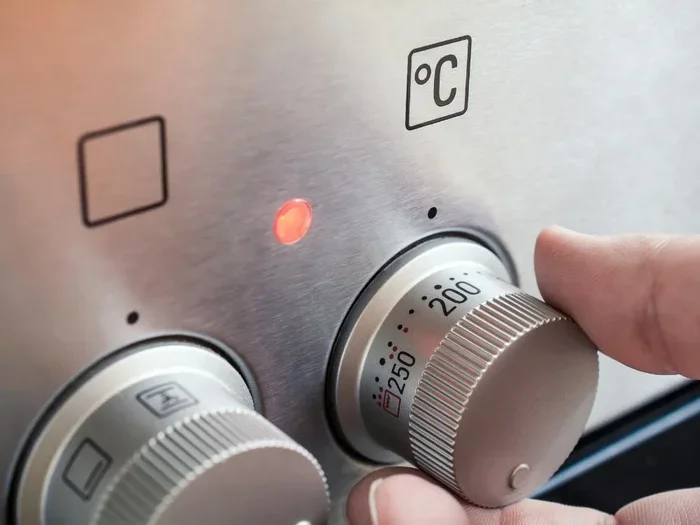
Some modern ovens have a dedicated warm button on the control panel. Others require you to manually set a low temperature. Understanding the difference helps you use your oven temperature settings more effectively. Here is what you need to know about each type.
Ovens With a Dedicated Warm Button
Many newer ovens come with a specific warm function. You simply press the warm button, and the oven maintains a preset low temperature. This is the easiest way to keep food warm without thinking about exact degrees. The oven controls the heat automatically.
These ovens often have a timer for the warm function too. You can set it for 30 minutes or up to a few hours. This is incredibly useful when you are preparing a big meal and need to hold several dishes at once. The warm and hold function takes the guesswork out of keeping meals ready.
Ovens Without a Dedicated Warm Button
If your oven does not have a warm button, you can still achieve the same result. Simply set the temperature dial to the lowest setting. Most ovens will allow you to set a temperature between 150°F and 200°F. This is your manual low heat oven setting.
Older models may not have precise digital controls. In that case, set the dial to the lowest position and monitor the food closely. Using an oven thermometer is a great idea here. It tells you the actual temperature inside, so you do not have to guess. This small tool is a game changer for any kitchen.
What Temperature Should You Set for Warm?
The ideal warm oven temperature depends on what you are doing. Different dishes need different holding temperatures. Let us break this down so you know exactly what to use.
For Reheating Leftovers
When reheating food, set your oven to around 200°F to 250°F. This is warm enough to heat food through without drying it out. Cover your dish with foil to trap moisture. This simple trick keeps reheated meals tasting almost as good as fresh.
For pizza or crispy foods, skip the foil. Place them directly on a baking sheet. The dry heat helps restore that crispy texture. A warm oven setting of 200°F works perfectly for this purpose.
For Keeping Dishes Ready
If you are preparing a meal ahead of time, use a lower holding temperature around 170°F to 180°F. This keeps food warm without continuing to cook it. It is perfect for casseroles, roasted vegetables, and meats.
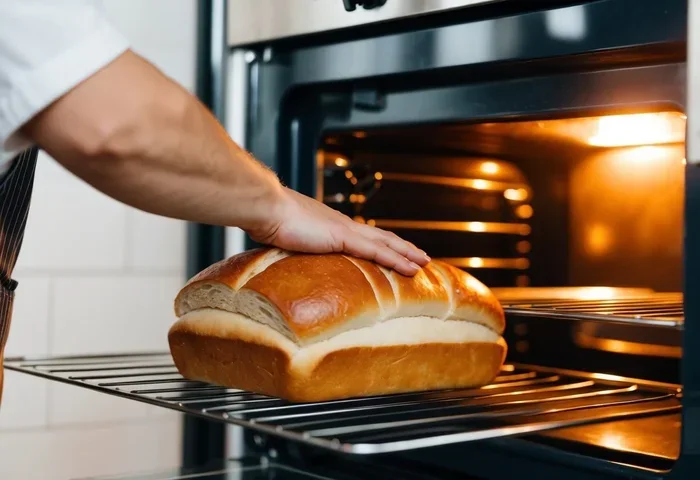
Place your dish in the oven about 15 to 20 minutes before serving. This gives the food time to reach the right temperature. You can also use the warm oven for baking tasks like keeping bread or rolls warm right before a meal.
For Proofing or Slow Rising
Believe it or not, the warm setting can help with bread dough. Setting your oven to 170°F creates a warm environment for dough to rise. Turn the oven off after placing the dough inside. The residual heat helps the process along.
This is a clever trick many bakers use. It works especially well in colder kitchens. The warm oven temperature mimics a proofing box without the extra equipment.
How To Set Your Oven to Warm: Step by Step
Setting your oven to warm does not need to be complicated. Follow these simple steps and you will be a pro in no time. Each step is easy and works for most oven types.
- Check your oven controls. Look for a dedicated warm button or a temperature dial.
- Set the temperature. Choose between 170°F and 200°F for most warm tasks.
- Preheat if needed. Some ovens need a few minutes to reach the warm setting.
- Place your food inside. Use an oven-safe dish and cover it if needed.
- Set a timer. Do not leave food in the warm setting for too long.
- Check the temperature. Use a food thermometer to make sure it is safe to eat.
These steps apply whether you have a gas oven or an electric oven. The process is very similar across different brands. Once you follow this routine a few times, it becomes second nature. You will never wonder how to set oven to warm again.
Common Mistakes When Using the Warm Setting
Even simple tasks come with mistakes. Learning what to avoid saves your food and your time. Here are the most common errors people make with the warm setting.
Setting the Temperature Too High
This is the number one mistake. Some people set the warm setting to 250°F or higher. That is not really warm anymore, it is more like a low bake. Food can dry out or overcook at these temperatures. Stick to 170°F through 200°F for true warm mode.
Leaving Food in Too Long
The warm setting is not meant for long-term storage. Leaving food in a warm oven for hours changes its texture and flavor. Plan your meals so food stays in the warm setting for 30 minutes or less. After that, transfer it to a insulated container.
Skipping the Oven Thermometer
Many ovens do not display accurate temperatures. The dial says 200°F but the inside could be 10 degrees off. An oven thermometer takes away this uncertainty. It is a small investment that pays off every time you cook.
Not Covering Food Properly
Leaving food uncovered in a warm oven causes moisture loss. Your dish can turn dry and tough very quickly. Always use foil, a lid, or an oven-safe cover. This keeps your food moist and flavorful.
Tips for Using the Warm Setting Like a Pro
Once you understand the basics, you can level up your warm oven game. These practical tips help you get the best results every time.
Use the Warming Drawer If You Have One
Many ovens come with a warming drawer underneath. This is a separate compartment designed specifically to keep dishes warm. It uses a low, consistent heat that is perfect for plates and side dishes.
If you have a warming drawer, use it alongside your main oven. This frees up space and keeps everything at the right temperature. It is a feature many people overlook but it is incredibly useful.
Rotate Food for Even Heating
Hot air does not always circulate evenly in an oven. Rotating your dish halfway through ensures consistent warming. This is especially true for larger dishes or multiple plates.
For ovens with a fan or convection setting, the warm air spreads more evenly. You may not need to rotate as often. But it is still a good habit to check on your food periodically.
Let Food Rest Before Warming
If you just finished cooking, let your dish rest for a few minutes before placing it in the warm oven. This allows the internal heat to distribute evenly. It also prevents the warm setting from overcooking the outer layers.
Use Shallow Dishes for Faster Warming
Thick dishes take longer to warm through. Using a shallow or wider dish helps heat reach the center faster. This is especially helpful for casseroles and pasta dishes.
You can also stir your food halfway through warming. This distributes heat evenly and prevents cold spots. A simple step that makes a noticeable difference in your final result.
Warm Setting vs. Other Oven Settings: A Comparison
Understanding how the warm setting compares to other oven modes helps you choose the right one. Here is a simple breakdown of common oven settings.
| Setting | Temperature Range | Best For | Cooking Effect |
|---|---|---|---|
| Warm | 170°F – 200°F | Holding food, reheating | Gentle heat, no cooking |
| Low Bake | 200°F – 250°F | Slow cooking, dehydration | Slow, even cooking |
| Standard Bake | 325°F – 375°F | Cakes, cookies, breads | Moderate cooking |
| Broil | 500°F – 550°F | Browning, finishing dishes | High top-down heat |
| Convection Roast | 300°F – 400°F | Roasting meats, vegetables | Even heat with fan |
As you can see, the warm oven setting is uniquely different from all other modes. It is not meant for cooking, only for holding and reheating. Using the wrong setting for the wrong task leads to poor results. Always match your oven setting to your goal.
Safety Tips for Using the Warm Setting
Food safety is just as important as taste when using the warm setting. Follow these guidelines to keep your meals safe and delicious.
- Keep food above 140°F. This is the minimum safe holding temperature recommended by food safety experts.
- Do not leave food unattended for hours. Check on it every 30 minutes at least.
- Use oven mitts when handling hot dishes. The warm setting still produces hot surfaces.
- Store leftovers promptly. If food has been warming for over two hours, refrigerate it.
- Know your oven model. Read your oven manual to understand specific warm setting features.
These safety tips protect both your food and your family. They are simple habits that make a big difference. A warm oven should make your life easier, not create risks.
Expert Insights on Oven Warm Settings
Professional chefs and cooking experts share a common insight about the warm setting. They say it is all about control. The warm setting gives you precise control over holding temperatures without overcooking.
Chef Maria Torres, a culinary instructor with over 15 years of experience, says: “The warm setting is one of the most underrated tools in the kitchen. When you know how to use it, it transforms the way you serve meals.” She recommends always using an oven thermometer and setting a timer to avoid forgetting about food inside.
Another expert tip from professional kitchens is to warm your plates in the oven before serving. Setting the oven to 150°F for just 5 to 10 minutes warms plates without cooking them. This small detail elevates your dining experience and keeps food hot longer on the plate.
These insights show that the warm oven temperature is more than just a button. It is a tool that, when used correctly, improves every meal you serve.
Key Takeaways
- Warm Setting Basics: Most ovens use a warm setting between 170°F and 200°F to keep food safe and tasty.
- Know Your Oven: Different oven models have different warm modes, so always check your manual or display settings.
- Use a Thermometer: An oven thermometer helps you verify the actual internal temperature for better results.
- Avoid Overheating: Setting the oven too high on warm can dry out or overcook your food quickly.
- Cover Your Dishes: Using foil or a lid traps moisture and keeps food warm without burning it.
- Timing Matters: Only use the warm setting for short periods to maintain food quality and safety.
- Safety First: Keep food above 140°F and do not leave it warming for more than two hours.
Frequently Asked Questions
What temperature should I set my oven to for warm?
Set your oven to between 170°F and 200°F for the warm setting. This range keeps food at a safe holding temperature without cooking it further. If your oven has a dedicated warm button, it usually defaults to around 170°F or 200°F automatically.
Can I use the warm setting to cook food?
No, the warm setting is not designed for cooking. It uses too little heat to properly cook most foods. Use the warm setting only for reheating or holding already-cooked dishes at a safe temperature.
How long can I leave food in the warm oven?
You should not leave food in the warm oven for more than 30 minutes to one hour. After that, the food quality starts to decline. For longer holding times, transfer food to an insulated container or slow cooker.
Do all ovens have a warm setting?
Most modern ovens have a warm setting, but older models may not. If your oven lacks a warm button, you can manually set it to the lowest temperature, usually between 150°F and 200°F. An oven thermometer helps you confirm the actual temperature.
Is it safe to keep food warm in the oven overnight?
No, it is not safe to leave food in a warm oven overnight. Bacteria can grow if food stays between 40°F and 140°F for too long. Always refrigerate leftovers within two hours of cooking and reheat them properly before serving.
What is the difference between warm and low bake on an oven?
The warm setting is lower and gentler than low bake. Warm typically runs at 170°F to 200°F, while low bake starts around 200°F to 250°F. Warm is for holding food, while low bake is for slow cooking or gentle baking over time.
Conclusion
Now you know exactly how to set oven to warm for the best results. From understanding your oven controls to choosing the right temperature, you have all the tools you need. The warm oven setting is a simple yet powerful feature that improves your meals every time you use it.
Remember to keep your temperatures between 170°F and 200°F, cover your dishes, and always use a timer. Avoid the common mistakes like setting the temperature too high or leaving food in too long. With these tips, your meals will taste warm, fresh, and delicious every single time.
Start experimenting with the warm setting today. Try warming plates, reheating leftovers, or keeping side dishes ready for your next family dinner. Once you get comfortable with this setting, you will wonder how you ever cooked without it. Set your oven to warm and enjoy the difference it makes in your kitchen.