How To Cook Juicy Turkey In Oven Without Drying It Out
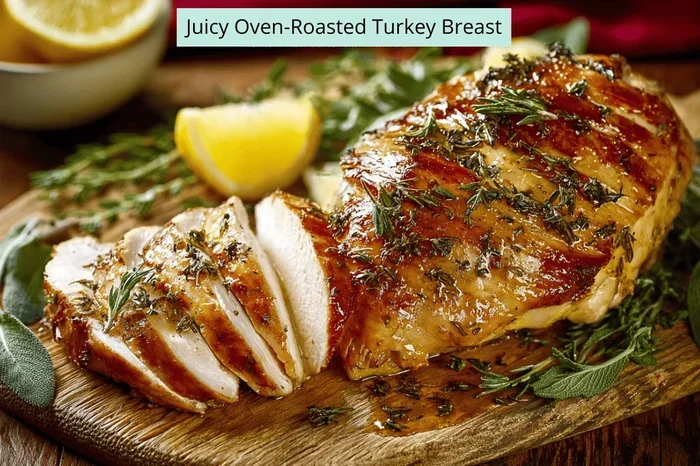
Learning how to cook juicy turkey in oven is simpler than you think. This guide walks you through brining, seasoning, and roasting your turkey so it stays moist and flavorful from start to finish. You will discover the ideal oven temperature, timing tricks, and expert tips that guarantee juicy turkey in oven results every single time.
There is nothing quite like a perfectly roasted turkey. Golden brown skin, tender meat that practically falls off the bone, and juices that pool on the carving board. Yet so many people end up with a dry, bland bird instead. If you have ever wondered how to cook juicy turkey in oven without all the stress, you are in the right place.
This guide covers everything from picking the right bird at the store to the final moments at the carving table. I will share the brining method I swear by, the oven temperature that works every time, and the seasoning trick that takes flavor to the next level. Whether you are cooking for Thanksgiving or a Sunday family dinner, these steps will help you serve juicy oven-roasted turkey that everyone will rave about.
Key Takeaways
- Brine your turkey first: A saltwater soak locks in moisture and seasons the meat deeply for juicier results.
- Use a meat thermometer: Cooking to the right internal temperature prevents overcooking and dry meat.
- Low and slow roasting works best: A moderate oven temperature cooks turkey evenly without drying out the outer layers.
- Herb butter under the skin: This technique adds rich flavor and keeps the breast meat incredibly moist.
- Let the turkey rest: Resting after roasting redistributes juices and makes carving easier and mess-free.
- Bone-in, skin-on turkey cooks more evenly: The bone insulates the meat while the skin crisps up beautifully.
- Cover with foil if needed: Foil tenting prevents the top from burning while the inside finishes cooking.
📑 Table of Contents
- Why Oven-Roasted Turkey Can Dry Out
- Choosing the Best Turkey for Juicy Results
- How To Brine Your Turkey for Maximum Moisture
- The Perfect Oven Temperature and Timing
- Making Herb Butter and Seasoning Like a Pro
- Resting and Carving Your Turkey the Right Way
- Common Mistakes That Lead to Dry Turkey
- Expert Tips for Perfectly Juicy Turkey Every Time
- Frequently Asked Questions
- Final Thoughts
Why Oven-Roasted Turkey Can Dry Out
Understanding why turkey dries out is the first step to preventing it. Turkey is a lean bird, especially the breast meat. Unlike chicken thighs or pork shoulder, turkey has very little fat to keep it moist during long cooking times. When heat breaks down those few fat stores too quickly, the muscle fibers tighten and squeeze out moisture.
Several common mistakes make this problem worse. Cooking at too high a temperature, skipping the brine, and not using a meat thermometer all lead to the same sad result: dry, tough meat. The good news is that each of these mistakes is easy to fix once you know what to do.
The Science Behind Moisture Loss
When turkey cooks, the proteins in the muscle fibers denature and contract. Think of it like a sponge being squeezed. As the temperature rises past 165 degrees Fahrenheit, the fibers tighten and push out water. This is why timing and temperature matter so much. The goal is to cook the turkey just enough to be safe and tender without squeezing out every last drop of juice.
Brining helps here because the salt solution changes how proteins behave. Salt relaxes the muscle fibers, allowing them to hold onto more water even as they cook. This is one of the biggest reasons why brined turkey turns out so much juicier than unbrined turkey.
Choosing the Best Turkey for Juicy Results
Not all turkeys are created equal. The bird you pick at the store sets the foundation for everything that follows. If you start with a low-quality turkey, even the best cooking technique will struggle to deliver juicy results.
Fresh vs Frozen Turkey
Fresh turkeys tend to have better texture and flavor than frozen ones. Freezing can damage cell walls in the meat, which leads to more moisture loss during cooking. That said, a frozen turkey works perfectly fine if you thaw it properly in the refrigerator for several days before cooking.
If you can find a fresh, pasture-raised turkey at a local farm or market, grab it. The meat is denser and more flavorful. You will notice the difference in the final dish.
Size Matters: Breast vs Whole Bird
A whole turkey with bone-in, skin-on pieces cooks more evenly than a boneless turkey breast. The bone acts as insulation, slowing down heat transfer and giving the meat more time to absorb juices. If you only have a turkey breast, do not worry. I will cover techniques later that help keep breast meat moist too.
For a family of six to eight people, a 12 to 14 pound whole turkey is usually the sweet spot. Anything larger and the cooking time gets harder to control. Go with a smaller bird if you want more predictable results.
How To Brine Your Turkey for Maximum Moisture
Brining is the single most important step for how to cook juicy turkey in oven. It might sound technical, but it is really just soaking the bird in a saltwater solution. The salt penetrates the meat and changes its protein structure, allowing it to retain more water during roasting.
Wet Brine Method
A wet brine is the most common approach. You dissolve kosher salt and sugar in water, add herbs and spices, and submerge the turkey for 12 to 24 hours. The salt does the heavy lifting while the sugar balances the flavor and helps with browning.
Here is a simple brine recipe to try:
- 1 gallon of cold water
- 1 cup kosher salt
- 1/2 cup brown sugar
- 5 sprigs of fresh thyme
- 5 sprigs of fresh rosemary
- 1 tablespoon whole black peppercorns
- 1 bay leaf
- 1 onion, quartered
- 4 cloves of garlic, smashed
Stir the salt and sugar into the water until fully dissolved. Add the herbs and aromatics. Submerge the turkey in a large container or brining bag and refrigerate for at least 12 hours. Make sure the bird is fully covered by the liquid at all times.
Dry Brine Alternative
If you do not have enough fridge space for a wet brine, a dry brine works great too. Simply rub the entire turkey with a mixture of kosher salt, a little sugar, and your favorite dried herbs. Place it uncovered on a rack in the refrigerator for 24 to 48 hours. The salt draws moisture out, dissolves, and then gets reabsorbed into the meat. The result is seasoned, juicy turkey with crispy skin.
Many professional cooks prefer the dry brine method because it is simpler and the skin comes out crispier. Both methods deliver excellent results, so choose whichever fits your schedule and kitchen setup.
The Perfect Oven Temperature and Timing
Getting the oven temperature right is critical. Too hot and the outside burns before the inside cooks through. Too low and the turkey sits in the danger zone too long. The sweet spot for roasting a whole turkey is 325 degrees Fahrenheit. This moderate temperature allows the meat to cook evenly from edge to center.
How Long to Cook Turkey at 325 Degrees
Cooking time depends on the weight of the bird. Here is a general guide for a stuffed turkey roasted at 325 degrees:
- 8 to 12 pounds: 2 3/4 to 3 hours
- 12 to 14 pounds: 3 to 3 3/4 hours
- 14 to 18 pounds: 3 3/4 to 4 1/4 hours
- 18 to 20 pounds: 4 1/4 to 4 1/2 hours
- 20 to 24 pounds: 4 1/2 to 4 3/4 hours
These times are approximate. Always rely on a meat thermometer for accuracy. The internal temperature in the thickest part of the thigh should reach 165 degrees Fahrenheit. The breast should read 160 to 165 degrees. Remember that the temperature will rise a few more degrees as the turkey rests.
Should You Start Turkey at a Higher Temperature?
Some recipes call for starting the turkey at 425 degrees for 30 minutes to crisp the skin, then lowering to 325 degrees. This works well for larger birds with thicker skin. The initial blast of high heat promotes browning and crisping without overcooking the interior.
If you try this method, keep a close eye on the turkey during the first 30 minutes. If the skin is darkening too fast, tent it loosely with aluminum foil. The goal is golden-brown skin, not burnt skin.
Making Herb Butter and Seasoning Like a Pro
Seasoning is where your turkey goes from plain to extraordinary. A simple salt and pepper rub works, but adding herb butter takes the flavor up several notches. This is also one of the best ways to keep the breast meat moist during roasting.
Compound Butter for Turkey
Compound butter is softened butter mixed with herbs, garlic, and seasonings. It melts slowly as the turkey roasts, basting the meat from the inside out. Here is how to make it:
- 1 cup softened unsalted butter
- 2 tablespoons fresh thyme, finely chopped
- 2 tablespoons fresh sage, finely chopped
- 2 tablespoons fresh rosemary, finely chopped
- 4 cloves of garlic, minced
- 1 teaspoon lemon zest
- Salt and pepper to taste
Mix everything together in a bowl until well combined. Refrigerate for 30 minutes to firm up slightly, then spread it all over the turkey. For extra juiciness, gently loosen the skin over the breast and spread some butter directly onto the meat underneath. This technique delivers incredibly moist breast meat every time.
Simple Seasoning Rub
If you prefer a simpler approach, a basic seasoning rub works beautifully. Combine kosher salt, black pepper, garlic powder, onion powder, smoked paprika, and dried oregano. Rub this all over the turkey, including under the skin on the breast. The seasoning forms a flavorful crust during roasting that adds depth to every bite.
Do not forget to season the cavity of the turkey too. Stuff it with halved onions, lemon quarters, and fresh herbs. As the turkey roasts, these aromatics release steam that flavors the meat from the inside. It is a simple trick that makes a noticeable difference in the final flavor.
Resting and Carving Your Turkey the Right Way
Plenty of people skip the resting step, but it is just as important as the cooking itself. When you pull the turkey out of the oven, the juices are concentrated near the surface. If you cut into it immediately, those juices run out onto the cutting board instead of staying in the meat. Resting gives the juices time to redistribute throughout the turkey.
How Long to Rest Turkey
Let the turkey rest for at least 30 minutes before carving. For a large bird over 15 pounds, 45 minutes is even better. Tent the turkey loosely with aluminum foil during this time. The foil holds in enough heat to keep the bird warm without trapping so much steam that the skin gets soggy.
During resting, the internal temperature continues to rise by 5 to 10 degrees. This carryover cooking brings the turkey up to the perfect safe temperature of 165 degrees without any extra time in the oven.
Carving Tips for Beautiful Slices
Use a sharp carving knife and a sturdy fork. Start by removing the legs and thighs by cutting through the joint where they meet the body. Then slice the breast meat against the grain in even, uniform pieces. Cutting against the grain shortens the muscle fibers and makes each slice more tender.
Save the drippings from the roasting pan. They make the best gravy you will ever taste. Simply pour off the excess fat, add a little broth, and simmer with a splash of flour or cornstarch for a rich, savory gravy that ties the whole meal together.
Common Mistakes That Lead to Dry Turkey
Even experienced cooks sometimes make mistakes that turn a juicy turkey into a dry one. Knowing what to avoid is just as important as knowing what to do right.
Overcooking the Turkey
This is the number one cause of dry turkey. Every minute beyond the target temperature pulls more moisture from the meat. Always use a reliable meat thermometer and pull the turkey out when the breast reaches 160 degrees and the thigh reaches 165 degrees. The carryover cooking during resting will bring it up to the safe 165-degree mark.
Skipping the Brine
Some people think brining is too much work or not worth the effort. I understand the hesitation. But brining truly makes a dramatic difference in moisture retention. If you only have time for a dry brine, that is perfectly fine. Just do not skip the salting step entirely.
Roasting Without a Rack
Placing the turkey directly on the bottom of the roasting pan traps steam underneath and leads to soggy, unevenly cooked skin. A roasting rack elevates the bird and allows hot air to circulate around it. This promotes even browning and crispy skin on all sides.
Not Letting the Turkey Come to Room Temperature
A cold turkey going into a hot oven cooks unevenly. The outside overcooks while the inside is still raw. Take the turkey out of the refrigerator 1 to 2 hours before roasting. Let it sit on the counter to warm up slightly. This helps it cook more evenly and reduces the total roasting time.
Expert Tips for Perfectly Juicy Turkey Every Time
Here are a few extra tips from experienced cooks and chefs that take your roast turkey to the next level. These small details make a big difference in both flavor and texture.
First, consider adding a liquid to the bottom of the roasting pan. Chicken broth, white wine, or even water creates steam that keeps the oven environment humid. This prevents the turkey from drying out too quickly. Just do not add so much liquid that the bird sits in it, or the bottom will get soggy.
Second, baste the turkey every 45 minutes or so. Use a basting bulb or spoon to scoop up the pan juices and pour them over the bird. This keeps the surface moist and builds flavor. It also helps the skin turn an even, beautiful golden brown.
Third, if you are cooking a turkey breast instead of a whole bird, place a few pats of butter on top and cover with foil for the first half of cooking. Remove the foil for the second half to let the skin crisp up. This technique keeps the breast meat tender while still giving you that satisfying roasted finish.
Fourth, let the turkey rest at room temperature, not in the oven. Some people leave it in the turned-off oven, but this traps too much steam and softens the skin. A wire rack on the counter with a loose foil tent is the best approach.
Frequently Asked Questions
How long does it take to cook a 12-pound turkey in the oven?
A 12-pound turkey typically takes about 3 to 3 1/2 hours at 325 degrees Fahrenheit when roasted unstuffed. Always check the internal temperature with a meat thermometer. The turkey is done when the thigh reaches 165 degrees and the breast reaches 160 degrees.
Should I cover my turkey with foil while roasting?
You do not need to cover the turkey for the entire cook. If the skin is browning too quickly, tent it loosely with foil for part of the roasting time. Remove the foil for the last 30 to 45 minutes to let the skin crisp up. This gives you golden-brown skin without burning the outside.
What is the best temperature to cook turkey in the oven?
325 degrees Fahrenheit is the recommended oven temperature for roasting turkey. It cooks the bird evenly without drying out the outer layers. Some cooks start at 425 degrees for 30 minutes to crisp the skin, then reduce to 325 degrees for the rest of the cook.
Do I need to brine turkey before roasting it?
Brining is not strictly necessary, but it makes a significant difference in juiciness. The salt in the brine changes how the proteins hold onto water, resulting in moister meat. If you do not have time for a wet brine, a dry brine with salt and herbs works well too.
How do I know when the turkey is done?
The most reliable way to check doneness is with a meat thermometer. Insert it into the thickest part of the thigh without touching the bone. The turkey is done when the internal temperature reaches 165 degrees Fahrenheit. The breast should read 160 to 165 degrees. Remember that the temperature will continue to rise a few degrees during resting.
Can I cook a turkey at a lower temperature for longer?
Yes, some cooks prefer roasting at 300 degrees Fahrenheit for a longer period. This low-and-slow method can produce very tender results because the meat has more time to cook gently without drying out. Just make sure the internal temperature still reaches the safe 165-degree mark before serving.
Final Thoughts
Cooking a juicy turkey in the oven does not have to be intimidating. With the right approach, you can serve a show-stopping bird that is moist, flavorful, and beautifully golden. The key is to start with a good turkey, brine it properly, roast it at the right temperature, and let it rest before carving.
How to cook juicy turkey in oven comes down to a few simple principles. Patience with the brine, attention to temperature, and respect for the resting time. These steps might seem small, but they transform an ordinary turkey into something truly special. Your family and guests will not believe you made it yourself.
Next time you are planning a roast, refer back to this guide. Follow each step, trust the process, and enjoy the incredible results. A perfectly juicy turkey straight from your oven is one of the most rewarding things you can cook. Give it a try, and you will never go back to dry, bland turkey again.