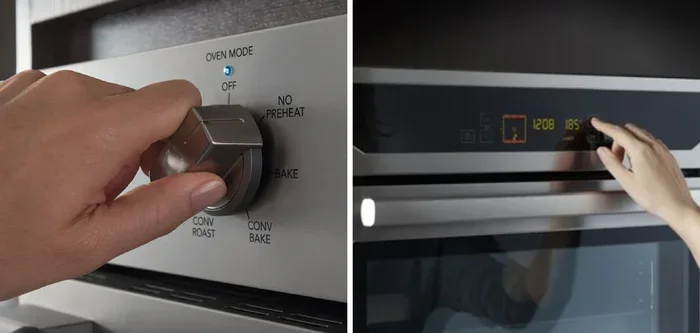
What Happens When An Oven Element Blows And Shuts Off
When an oven element blows, your oven loses its primary heat source and often shuts off completely to protect itself from electrical damage. You may notice sparking, visible damage, or a complete lack of heat during baking or broiling. Understanding what happens next helps you respond safely, diagnose the problem, and decide whether to repair or replace the element yourself.
You are mid-recipe. The oven is preheating. Then you hear a loud pop. Smoke curls from the back of the oven. Your oven element blows and the entire appliance shuts off. It is a scary moment, but it happens more often than most people think. Understanding why it happens and what to do next can save you time, money, and a lot of stress.
This guide walks you through everything that occurs when an oven element fails. We will cover the warning signs, the reasons behind the failure, and the steps you can take to fix it. Whether you have a gas or electric oven, this information applies to most standard kitchen ranges. Let us break it down so you feel confident handling the situation.
Key Takeaways
- Safety First: A blown oven element can cause sparking, burning smells, or complete oven shutdown. Always disconnect power before inspecting.
- Common Signs: Visible damage, uneven heating, error codes, and the oven not reaching temperature all point to a failed element.
- Multiple Causes: Age, moisture, power surges, and faulty wiring can all lead to an oven element blowing out.
- Testing Is Simple: A basic multimeter can confirm if your heating element is blown without calling a technician.
- Replacement Is Usually Affordable: Most bake and broil elements cost between $20 and $80, and many homeowners can swap them out themselves.
- Know When to Call a Pro: If the element keeps blowing or the oven control board shows damage, professional help is the safest route.
- Prevention Matters: Regular cleaning and avoiding moisture buildup can extend the life of your oven elements significantly.
📑 Table of Contents
- What Is an Oven Heating Element?
- Signs That Your Oven Element Has Blown
- What Happens When the Element Blows and the Oven Shuts Off
- Common Causes of a Blown Oven Element
- How to Test If Your Oven Element Is Blown
- Replacing a Blown Oven Element
- When to Call a Professional
- Preventing Future Element Failures
- Understanding the Cost of Oven Element Repair
- Common Mistakes People Make When an Oven Element Blows
- Expert Insights on Oven Element Failure
- Key Takeaways
- Conclusion
What Is an Oven Heating Element?
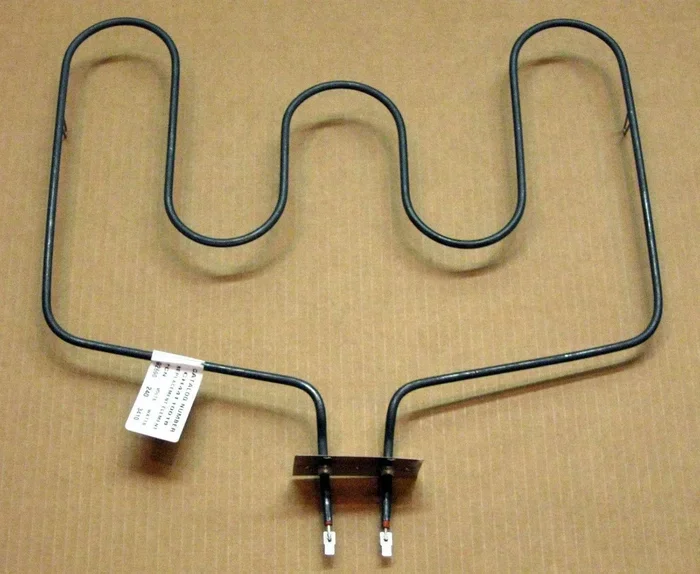
Every electric oven relies on a heating element to generate the warmth needed for cooking. These elements are simple devices. They are coils of metal wire, usually nichrome, encased in a metal tube. When electricity flows through the wire, resistance creates heat. This heat radiates into the oven cavity.
Most ovens have two main elements. The bake element sits at the bottom and handles most of your cooking. The broil element sits at the top and delivers high, direct heat for browning and finishing. Both elements work independently, and either one can fail on its own.
A typical bake element draws around 2,000 to 3,000 watts of power. Over time, the constant heating and cooling cycles wear the metal down. This natural wear is the most common reason an element eventually blows out.
Signs That Your Oven Element Has Blown
A blown element does not always announce itself with a dramatic pop. Sometimes the failure is subtle. Learning to spot the early warning signs can help you catch the problem before it causes further damage to your oven.
Visible Damage or Sparking
The most obvious sign is visual. You may see a hole or crack in the element tubing. Glowing spots or arcing electricity can appear during preheating. If you notice sparking inside the oven, turn it off immediately. Continued use with a damaged element can damage the oven control board or start a fire.
Oven Not Heating at All
If your oven fails to reach the set temperature, a blown element is a prime suspect. The bake element is responsible for the majority of the heat during baking. When it fails, the oven may still run the fan and lights, but no heat will follow. This is one of the clearest signals that something is wrong with the heating element.
Uneven or Inconsistent Heat
A partially damaged element may still produce some heat but not enough to cook evenly. You might notice food burning on one side and staying raw on the other. This uneven heating often means the element has developed weak spots or internal breaks that reduce its effectiveness.
Burning Smell or Smoke
A burning plastic or metallic smell during oven use is never normal. It often means the insulation around the element wire is breaking down. Smoke can accompany this smell. If you detect either, stop using the oven and inspect the element right away.
Error Codes on Digital Displays
Modern ovens with digital controls often display error codes when something goes wrong. Codes like F1, F2, E1, or similar variations can point to heating element faults. Check your oven manual to decode the specific message for your model.
What Happens When the Element Blows and the Oven Shuts Off
When an oven element blows, the event triggers a chain of reactions inside the appliance. Understanding this sequence helps you respond correctly and safely.
The Electrical Circuit Breaks
A heating element is part of a closed electrical circuit. When the element fails, the circuit is interrupted. In many cases, the oven thermostat or control board detects the loss of current and shuts the oven down entirely. This is a safety feature designed to prevent electrical damage or fire.
The Thermal Fuse May Activate
Some ovens have a thermal fuse that monitors excessive heat or electrical faults. If the blown element causes a sudden spike in temperature or current, the thermal fuse may blow as well. Once a thermal fuse is blown, it cannot be reset. It must be replaced.
The Oven Stops Working Completely
After the element blows and the safety systems engage, the oven stops working altogether. The lights may stay on, and the fan might still run, but no heat will generate. The oven will not start a new cycle until the fault is resolved.
Damage to Other Components
In some cases, a blown element can cause collateral damage. Electrical arcing from a failed element can harm the oven wiring or the control board. Moisture from a steam-heavy cooking session can also accelerate the damage. This is why prompt inspection and repair matter.
Can the Oven Be Used Safely After an Element Blows?
No. You should never continue using an oven after an element has blown. The risk of electrical short circuits, fire, or further damage to internal components is too high. Always disconnect the power and address the issue before using the appliance again.
Common Causes of a Blown Oven Element
Elements do not just fail randomly. There are usually underlying reasons that lead to the breakdown. Knowing these causes can help you prevent future failures.
Age and Wear
The most common cause is simply old age. Most oven elements last between 10 and 15 years with normal use. The constant expansion and contraction from heating cycles eventually weakens the metal. When the element can no longer handle the electrical load, it blows out.
Power Surges
A sudden surge of electricity can overwhelm the element. Lightning strikes, grid fluctuations, or even turning on a high-power appliance on the same circuit can send a spike of current through the element. This spike can burn through the element wire instantly.
Moisture and Grease Buildup
Food spills and grease that accumulate on or around the element create a conductive path for electricity. Moisture trapped against the element can cause short circuits. This is why it is important to clean your oven regularly and avoid using water directly on the heating elements.
Faulty Wiring or Connections
Loose or corroded wiring connections at the element terminals can cause arcing and overheating. Over time, this weakens both the wiring and the element itself. A poor connection forces the element to work harder, which shortens its lifespan.
Manufacturing Defects
In rare cases, a new element may fail due to a manufacturing defect. Thin spots in the tubing or weak welds at the terminals can cause premature failure. This is more common with budget oven models or aftermarket replacement parts of questionable quality.
How to Test If Your Oven Element Is Blown
Testing an oven element is straightforward and requires only a basic tool. A multimeter can measure resistance and confirm whether the element is still functional.
First, disconnect the oven from the power supply. Safety must come first. Remove the element from the oven if it is accessible. Most bake elements are held in place by screws or brackets at the back of the oven.
Set your multimeter to the lowest resistance setting. Touch one probe to each terminal on the element. A working element should read between 20 and 50 ohms, depending on the wattage and voltage. If the reading shows zero or infinity, the element is blown and needs replacement.
Also, inspect the element visually. Look for holes, cracks, blistering, or dark spots. Even if the multimeter reading seems normal, visible damage means the element should be replaced. A compromised element can fail at any time.
Quick Tips for Testing:
- Always ensure the oven is completely disconnected from power before testing.
- Clean the terminals before testing to avoid false readings from grease or corrosion.
- Test both the bake and broil elements separately if you are troubleshooting heating issues.
- Keep replacement elements on hand if you know your oven is older than ten years.
Replacing a Blown Oven Element
Replacing a blown oven element is one of the most manageable home repairs. Most homeowners can complete the job in under an hour with basic tools.
What You Will Need
- A matching replacement element (check your oven model number for the correct part)
- A screwdriver set
- A multimeter for verification
- Work gloves for safety
Step-by-Step Replacement Process
- Disconnect the power. Unplug the oven or switch off the circuit breaker. This is non-negotiable for safety.
- Remove the old element. Locate the screws or brackets holding the element in place. Carefully disconnect the wiring and note the connections for reassembly.
- Install the new element. Connect the wires to the new element terminals. Secure the element with the screws or brackets.
- Test the new element. Use your multimeter to verify continuity before restoring power.
- Restore power and test. Plug the oven back in or turn the breaker on. Run a short test cycle to confirm the element heats properly.
If at any point you feel unsure, contact a qualified appliance technician. Replacing an element is safe for most people, but confidence matters when working with electricity.
When to Call a Professional
Not every oven problem is a simple element swap. There are situations where professional help is the right call.
If you replace the element and it blows again within a short period, something deeper is going on. The oven control board may be sending irregular voltage. The wiring harness could be damaged. Or the oven thermostat might be failing and sending too much current through the new element.
Also, if your oven has an electronic ignition system or complex digital controls, the repair may involve more than just the element. A professional technician can diagnose the root cause and prevent repeated failures.
Another reason to call a pro is if you smell gas (in a gas oven) or notice burning insulation. These are serious safety hazards that require immediate expert attention. Do not attempt to fix gas appliance issues on your own unless you are trained and certified.
Preventing Future Element Failures
You cannot stop an oven element from aging, but you can take steps to extend its life and avoid premature failure.
- Keep the oven clean. Wipe up spills promptly. Grease and food debris on or near the element create moisture and conductivity problems.
- Avoid using water directly on the elements. Moisture trapped against the element can cause short circuits and corrosion.
- Use a surge protector. A quality surge protector for your kitchen outlet can absorb electrical spikes that would otherwise damage the element.
- Inspect elements regularly. A quick visual check during oven cleaning can catch small cracks or blistering before they become full failures.
- Do not overload the oven. Excessive grease dripping onto the bottom element can cause smoking and premature wear.
Understanding the Cost of Oven Element Repair
The good news is that replacing an oven element is one of the most affordable repairs you can make. A replacement bake element typically costs between $20 and $60. A broil element ranges from $25 to $80, depending on the brand and model.
If you hire a technician, labor costs add another $75 to $150. The total repair usually stays under $200, which is far less than replacing an entire oven. For most homeowners, a DIY element replacement is the clear choice for saving money.
Keep in mind that some newer ovens have elements that are integrated into the oven cavity and are harder to access. These may require a professional, which can increase the repair cost slightly.
Common Mistakes People Make When an Oven Element Blows
Avoid these common pitfalls when dealing with a blown oven element:
- Continuing to use the oven. This is the most dangerous mistake. A blown element can cause electrical shorts, fire, or further damage to the control board.
- Ignoring error codes. Modern ovens display error codes for a reason. Dismissing them can lead to bigger, more expensive problems.
- Buying the wrong replacement part. Always match the part number to your specific oven model. Generic elements may not fit or perform correctly.
- Forgetting to disconnect power. Working on an oven without cutting the power is a serious electrocution risk.
- Assuming the element is the only problem. If the same element keeps blowing, the fault may lie in the wiring, thermostat, or control board, not the element itself.
Expert Insights on Oven Element Failure
Appliance repair professionals see blown oven elements every day. The consensus among experienced technicians is clear: most element failures are preventable with basic maintenance. Regular cleaning, avoiding moisture exposure, and using surge protection go a long way.
Technicians also emphasize the importance of using OEM (original equipment manufacturer) replacement parts. Aftermarket elements may save a few dollars upfront, but they often have thinner tubing, weaker welds, and shorter lifespans. Investing in a quality OEM element pays off in reliability and safety.
One technician shared this insight: “I see blown elements all the time, and in most cases, the homeowner could have prevented it with a simple cleaning routine. Grease and food buildup create the perfect storm for element failure. A few minutes of maintenance each month can add years to your element life.”
Key Takeaways
- A blown oven element stops your oven from heating and often triggers a safety shutdown. This is normal and expected behavior when the element fails.
- Warning signs include visible damage, sparking, uneven heating, burning smells, and error codes. Catching these early prevents further damage.
- The most common causes are age, power surges, moisture, and faulty wiring. Regular maintenance can address several of these factors.
- Testing with a multimeter is easy and reliable. It confirms whether the element is blown without guesswork.
- Replacement is affordable and often DIY-friendly. Most homeowners can swap out a bake or broil element in under an hour.
- Call a professional if the element keeps failing or if you suspect damage to the control board or wiring. Repeated failures signal a deeper problem.
- Prevention through cleaning and surge protection extends element life significantly. A little effort today saves costly repairs tomorrow.
Conclusion
When an oven element blows and the oven shuts off, it can feel like a kitchen emergency. But in reality, it is a common appliance issue with a clear solution. The oven element blows because of wear, power surges, moisture, or wiring problems. Once the element fails, the oven shuts down to protect itself and your home from electrical hazards.
The most important thing to remember is safety. Never use an oven with a known blown element. Disconnect the power, inspect the element, and either replace it yourself or call a qualified technician. With the right replacement part and basic tools, most element swaps are quick and inexpensive.
Taking care of your oven through regular cleaning and maintenance can prevent many element failures. A little attention goes a long way toward keeping your oven running smoothly for years to come. Now that you understand what happens when an oven element blows, you are better equipped to handle the situation calmly and effectively.
Frequently Asked Questions
Can I use my oven if the element is blown?
No. Using an oven with a blown element is unsafe. The oven will not heat properly, and continuing to use it risks electrical shorts, fire, or damage to other internal components. Always disconnect power and replace the element before using the oven again.
How much does it cost to replace an oven heating element?
A replacement element typically costs between $20 and $80, depending on the type and brand. If you hire a professional, labor adds $75 to $150. Most homeowners find that a DIY replacement saves significant money compared to professional service.
How long do oven elements usually last?
Most oven elements last between 10 and 15 years with normal use. Heavy use, frequent power surges, and poor maintenance can shorten that lifespan. Regular cleaning and avoiding moisture exposure help extend the life of your heating element.
What causes an oven element to blow out suddenly?
Sudden element failure is often caused by power surges, moisture trapped against the element, or a pre-existing weak spot in the metal. Over time, the repeated heating and cooling cycles weaken the element, making it more vulnerable to sudden failure.
How do I know if the bake element or broil element is blown?
If your oven does not heat from the bottom during baking, the bake element is likely blown. If the top does not produce high heat for broiling, the broil element has failed. You can test each element separately with a multimeter to confirm which one is faulty.
Is it safe to replace an oven element myself?
Yes, for most people. As long as you disconnect the power completely before starting, replacing an oven element is a straightforward repair. Wear work gloves, follow the manufacturer instructions, and use a multimeter to verify the new element before restoring power.