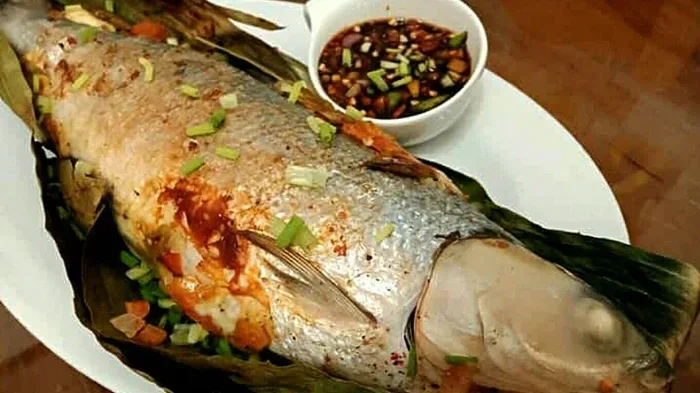
How To Cook Bangus In Oven And Get It Right Every Time
Learning how to cook bangus in oven is one of the easiest ways to enjoy this beloved Filipino dish at home. This guide walks you through every step, from choosing the right fillet to pulling a perfectly golden piece of fish out of the oven. You will learn the ideal oven-baked bangus temperature, timing, and seasoning tricks that guarantee great results. Whether you are a beginner or a home cook looking to level up, this recipe has you covered. Get ready to make oven-baked milkfish that tastes restaurant-quality every single time.
Cooking bangus in the oven might sound intimidating if you have never done it before. But here is the truth: it is one of the simplest and most rewarding ways to prepare this staple Filipino fish. How to cook bangus in oven is a question many home cooks ask, and the answer is easier than you think. With just a few ingredients, the right oven temperature, and a little patience, you can produce a dish that is crispy on the outside and tender on the inside. This guide breaks everything down so you can bake bangus fillet with confidence every time.
Oven-baked milkfish is a healthier alternative to frying, and it still delivers amazing flavor. The oven gently cooks the fish, locking in moisture while the skin becomes beautifully golden and crispy. Whether you are cooking for a family dinner, a weekend meal, or just trying something new in the kitchen, this method works every time. Let us dive into everything you need to know about how to cook bangus in oven like a pro.
Key Takeaways
- Use the right temperature: Baking at 375°F to 400°F ensures the fish cooks evenly and the skin turns crispy.
- Pat the fillet dry: Removing moisture before seasoning is the single best trick for crispy skin.
- Marinate for flavor: A simple garlic butter and lemon marinade adds depth and keeps the fish moist.
- Avoid overcooking: Check the internal temperature at 145°F to keep the fillet tender and juicy.
- Let it rest after baking: Resting the fish for 5 minutes helps the juices redistribute evenly.
- Try different variations: Adding herbs, cheese, or a spicy glaze can completely change the flavor profile.
📑 Table of Contents
What Is Bangus And Why Oven-Bake It?
Understanding Bangus: The Filipino Milkfish
Bangus is the Filipino name for milkfish. It is one of the most popular fish in the Philippines and Southeast Asia. Bangus has a firm, white flesh that holds up well to different cooking methods. It is commonly sold whole, but for oven baking, you want to use deboned bangus fillets. These are easier to handle, cook more evenly, and are much more convenient for home cooking.
The milkfish preparation process involves removing the bones, which can be tricky if you buy whole fish. That is why most home cooks opt for pre-deboned fillets. You can find them fresh or frozen at Asian grocery stores. Frozen fillets work perfectly fine for oven baking, and they save a lot of time in the kitchen.
Why Choose The Oven Over Other Methods?
There are many ways to cook bangus. You can fry it, grill it, or stew it. But oven-baked fish has some clear advantages:
- Less oil: You do not need to deep fry, making it a lighter and healthier option.
- Even cooking: The oven surrounds the fish with consistent heat, so there are no hot spots.
- Easy cleanup: Just line a baking dish with foil, and cleanup is a breeze.
- Hands-off cooking: Once the fish is in the oven, you can prep sides or set the table.
- Crispy results: With the right baking temperature, the skin gets wonderfully crispy.
Compared to frying, oven-baked bangus cuts down on calories and grease while still delivering a satisfying crunch. It is the perfect method for health-conscious cooks who do not want to sacrifice flavor.
Ingredients You Need For Oven-Baked Bangus
The Essential Ingredients
Keeping the ingredient list simple is the key to great oven-baked milkfish. Here is what you will need:
- Bangus fillets: About 2 to 4 pieces, depending on serving size. Look for fresh or thawed fillets with no strong fishy smell.
- Garlic butter: 3 tablespoons of softened butter mixed with 3 cloves of minced garlic. This is the flavor backbone.
- Lemon juice: Freshly squeezed from one lemon. It adds brightness and cuts through the richness.
- Salt and pepper: Basic seasoning that enhances the natural taste of the fish.
- Olive oil: A drizzle helps the seasoning stick and promotes crispy skin.
- Fresh herbs: Optional, but parsley or cilantro adds a wonderful freshness.
Optional Flavor Boosters
If you want to get creative with your milkfish recipe, consider adding any of these:
- Soy sauce and calamansi: A classic Filipino combo that adds a savory, tangy kick.
- Honey glaze: A thin brush of honey mixed with soy sauce creates a sweet-savory crust.
- Cheese topping: A sprinkle of grated Parmesan or cheddar adds a delicious golden crust.
- Chili flakes: For those who love a little heat, a pinch of red pepper flakes works wonders.
- Onion rings: Layering thinly sliced onions on top of the fillet adds sweetness and texture.
| Cooking Method | Time | Oil Used | Crispy Skin | Difficulty |
|---|---|---|---|---|
| Oven-Baked Bangus | 20-25 min | Minimal | Yes (with dry fillet) | Easy |
| Fried Bangus | 10-15 min | High | Yes | Moderate |
| Grilled Bangus | 15-20 min | Low | Moderate | Moderate |
| Stewed Bangus | 30-45 min | Low | No | Easy |
This comparison table shows why oven baking stands out as a balanced option. It gives you crispy skin without the excess oil of frying, and it is simpler than grilling or stewing.
Step-By-Step Guide On How To Cook Bangus In Oven
Step 1: Prepare The Fish Fillet
The first step in bangus preparation is all about getting the fillet ready. Remove the fillets from the refrigerator about 15 to 20 minutes before cooking. Letting the fish come to room temperature helps it cook more evenly. Pat the fillets thoroughly dry with paper towels. This step is crucial because moisture is the enemy of crispy skin.
Check the fillets for any remaining pin bones. Use a pair of clean tweezers or pliers to pull them out gently. Even pre-deboned fillets can have tiny bones left behind. Once the fillets are clean and dry, place them on a clean cutting board and lightly score the skin with a sharp knife. The shallow cuts help the seasoning penetrate and allow heat to reach the flesh more evenly.
Step 2: Season And Marinate
Now it is time to build flavor. In a small bowl, mix the softened butter with minced garlic, lemon juice, salt, and pepper. This garlic butter marinade is simple but incredibly effective. Brush the mixture generously over both sides of each fillet.
For deeper flavor, let the marinated fillets rest in the refrigerator for at least 15 minutes. If you have more time, an hour of marinating works even better. The acid from the lemon juice gently tenderizes the fish, while the garlic infuses it with rich flavor.
Step 3: Preheat The Oven
Preheating is a step many people skip, but it matters. Set your oven temperature to 375°F (190°C). Let the oven fully heat up before placing the fish inside. A properly preheated oven ensures the fish starts cooking immediately, which helps achieve that perfect crispy exterior.
If you like extra crispy skin, you can increase the temperature to 400°F in the last 5 minutes of cooking. Just keep a close eye on it to prevent burning.
Step 4: Arrange In The Baking Dish
Line a baking dish with aluminum foil or parchment paper. This makes cleanup much easier and prevents the fish from sticking. Lightly grease the surface with a thin layer of olive oil or butter.
Place the fillets skin-side down if you prefer softer skin, or skin-side up if you want maximum crispiness. Most people prefer skin-side up for that satisfying crunch. Leave some space between each fillet so the hot air circulates evenly around the fish.
Step 5: Bake To Perfection
Place the baking dish on the middle oven rack. This position allows heat to surround the fish evenly. Bake for 20 to 25 minutes at 375°F. The exact cooking time depends on the thickness of the fillet. Thicker pieces may need a few extra minutes, while thinner ones will be done faster.
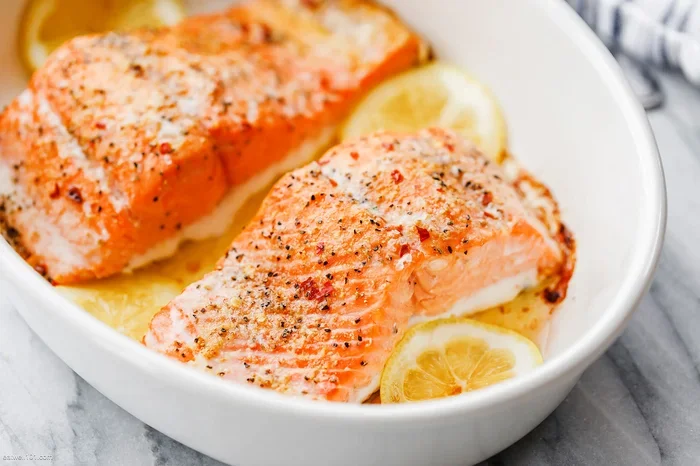
You will know the fish is ready when the flesh turns opaque and flakes easily with a fork. The skin should be golden brown and slightly crispy. Use a meat thermometer to check the internal temperature. The target is 145°F (63°C) at the thickest part of the fillet.
Step 6: Rest And Serve
Remove the baking dish from the oven and let the fish rest for 5 minutes. This resting period allows the juices to redistribute throughout the fillet, making every bite moist and flavorful. Squeeze fresh lemon over the top, garnish with chopped herbs, and serve immediately.
Oven-baked bangus pairs beautifully with steamed rice, sautéed vegetables, or a fresh salad. For a complete Filipino meal, serve it alongside sinigang or garlic rice. The combination of crispy fish, fluffy rice, and tangy soup is absolutely unbeatable.
Tips For Perfect Crispy Skin And Rich Flavor
Quick Tips For Better Results
- Dry the fillet completely: This is the number one secret to crispy skin. Moisture creates steam, which prevents crispiness.
- Use a wire rack: Placing the fillet on a wire rack over the baking dish allows air to flow underneath, crisping the skin evenly.
- Do not overcrowd the pan: Give each fillet space so hot air can reach every surface.
- Brush with oil before baking: A light coat of olive oil on the skin side promotes browning and crispiness.
- Season just before baking: Salt draws out moisture over time, so season close to when the fish goes in the oven.
- Flip halfway through: For even cooking, gently flip the fillet at the halfway mark if your fillets are thick.
Expert Insight
Chef recommendations consistently point to one truth: the quality of the fish fillet matters more than any technique. Choose fresh bangus with bright, clear eyes and firm flesh. If buying frozen, thaw it slowly in the refrigerator overnight rather than at room temperature. This preserves the texture and prevents the flesh from becoming mushy.
Common Mistakes People Make When Cooking Bangus In Oven
Even experienced cooks make errors when baking fish. Here are the most common mistakes to avoid:
- Skipping the drying step: Wet fillets steam instead of roast, resulting in soggy skin. Always pat the fish bone dry.
- Using the wrong temperature: Too low and the fish dries out. Too high and the skin burns before the inside cooks. Stick to 375°F for best results.
- Overcooking the fish: Fish continues to cook after removal from the oven. Pull it out as soon as it flakes easily.
- Not seasoning enough: Bangus has a mild flavor that benefits from generous seasoning. Do not be shy with salt, pepper, and garlic.
- Using a dirty or ungreased pan: The fish will stick and break apart. Always grease your baking dish or use foil.
- Opening the oven door too often: Every time you open the door, heat escapes and cooking time increases. Trust the timer and check only once.
Avoiding these simple errors will dramatically improve your oven-baked bangus results. The difference between a good piece of fish and a great one often comes down to these small details.
Expert Variations And Serving Ideas
Flavor Variations To Try
Once you master the basic how to cook bangus in oven method, you can experiment with different flavors:
- Thai-inspired: Use a marinade of fish sauce, lime juice, brown sugar, and lemongrass for a Southeast Asian twist.
- Mediterranean style: Top the fillet with sliced tomatoes, olives, capers, and a drizzle of olive oil before baking.
- Asian glaze: Brush with a mixture of soy sauce, honey, sesame oil, and grated ginger during the last 5 minutes of baking.
- Spicy Filipino style: Add sliced siling labuyo (bird’s eye chili) and a splash of vinegar to the garlic butter marinade.
- Cheesy crust: Sprinkle grated cheese over the top during the last 3 minutes of baking for a bubbly, golden finish.
Best Side Dishes To Serve With Oven-Baked Bangus
The right sides elevate your meal from simple to memorable:
- Garlic fried rice: A classic Filipino pairing that complements the mild flavor of bangus.
- Steamed broccoli or green beans: Light and healthy, these vegetables balance the richness of the fish.
- Fresh mango salad: The sweetness of mango contrasts beautifully with the savory fish.
- Tomato and onion salad: Simple, refreshing, and full of bright flavors.
- Roasted vegetables: Asparagus, bell peppers, and zucchini roasted in the same oven make an effortless side.
These fish cooking tips for pairing will help you build a complete and satisfying meal around your oven-baked bangus. The versatility of this dish means it works with almost any side you can think of.
Storage And Reheating Tips
If you have leftovers, store them properly to maintain quality:
- Refrigerator: Store cooked bangus in an airtight container for up to 2 days.
- Freezer: Wrap the fillets tightly in plastic wrap and foil. They keep for up to 3 months.
- Reheating: Use the oven at 300°F for 10 minutes. Avoid the microwave, which can make the skin rubbery and the flesh dry.
- Re-crisping: For extra crispy skin, pop the reheated fillet under the broiler for 1 to 2 minutes. Watch it closely to prevent burning.
Conclusion
How to cook bangus in oven is a skill anyone can learn with a little practice. The method is straightforward, the ingredients are simple, and the results are consistently impressive. From the moment you pat the fillet dry to the moment you take that first crispy, flavorful bite, you will understand why oven-baked milkfish has become a favorite in kitchens around the world.
Remember the key points: dry your fillets, season generously, maintain the right baking temperature, and do not overcook. These fundamentals apply whether you are making your first bangus fillet or your fiftieth. The beauty of oven-baked bangus is that it is forgiving and adaptable. You can keep it simple or get creative with marinades, glazes, and toppings.
Now that you have all the tools and knowledge, it is time to head to the kitchen. Grab some fresh or frozen bangus fillets, fire up your oven, and experience the joy of making oven-baked bangus that rivals any restaurant. Your family and guests will thank you. Happy cooking!
Frequently Asked Questions
Can I Use Frozen Bangus Fillets For Oven Baking?
Yes, frozen fillets work perfectly fine for oven-baked bangus. Thaw them overnight in the refrigerator before cooking. Make sure to pat them completely dry after thawing, as frozen fish releases extra moisture that can prevent crispy skin.
What Is The Best Temperature To Bake Bangus?
The ideal oven-baked bangus temperature is 375°F (190°C). This moderate heat cooks the fish evenly without drying it out. For extra crispy skin, increase to 400°F during the final 5 minutes of baking.
How Long Does It Take To Cook Bangus In The Oven?
Most bangus fillets take 20 to 25 minutes at 375°F. Thicker fillets may need up to 30 minutes, while thinner pieces could be done in 15 minutes. Always check that the internal temperature reaches 145°F before serving.
Do I Need To Flip The Bangus While Baking?
Flipping is optional but recommended for thicker fillets. Gently flip the fish halfway through cooking to ensure even browning on both sides. If your fillets are thin, you can skip flipping and let the oven do all the work.
Can I Use A Different Fish Instead Of Bangus?
Absolutely. This oven-baked fish method works well with other firm-fleshed fish like tilapia, snapper, or cod. The cooking time may vary depending on the thickness and density of the fillet you choose.
Why Is My Oven-Baked Bangus Skin Not Crispy?
The most common reason is moisture. If the fillet was not patted dry before seasoning, the skin will steam instead of crisping. Also, make sure your oven is fully preheated before the fish goes in, and avoid covering the dish with foil during baking, as this traps steam.