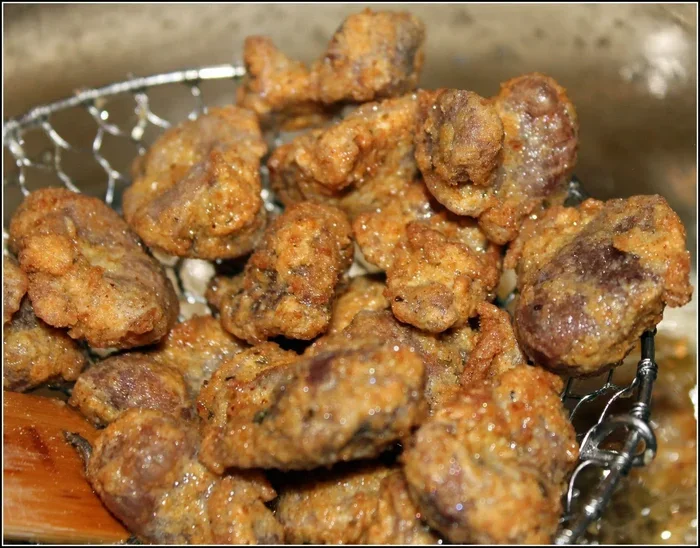
How To Cook Gizzards In The Oven For Tender Results
Cooking gizzards in the oven is simple, hands-off, and delivers tender, flavorful results that rival any fried or boiled version. Whether you are using chicken gizzards or beef gizzards, the right temperature, timing, and seasoning make all the difference. This guide walks you through every step from cleaning and marinating to oven-baking for perfect texture. You will learn pro tips that prevent tough, rubbery gizzards and unlock rich, savory flavor. Follow these methods and enjoy delicious gizzard dishes at home with confidence.
Cooking gizzards in the oven might sound intimidating if you have never done it before. But honestly, it is one of the easiest and most rewarding ways to prepare this underrated cut of meat. Gizzards cooked in the oven come out tender, juicy, and packed with flavor when you follow a few simple steps.
Many people associate gizzards with deep frying or boiling. Those methods work, but the oven gives you more control and less mess. You get even cooking, a beautiful sear on the outside, and a moist interior without standing over a hot stove. Oven-baked gizzards are perfect for weeknight dinners, meal prep, or feeding a crowd.
In this guide, we cover everything you need to know. From cleaning and marinating to temperature and timing, you will find clear, practical steps that work every time. Whether you prefer chicken gizzards or beef gizzards, this article has you covered.
Key Takeaways
- Oven-baked gizzards stay tender when you maintain the right temperature and cooking time.
- Proper cleaning and prep remove grit and improve the final taste of your gizzard dish.
- A good marinade adds flavor and helps break down tough muscle fibers in gizzards.
- Chicken gizzards and beef gizzards both work well in the oven with slight adjustments.
- Resting gizzards after baking keeps them juicy and easy to slice or serve.
- Pair gizzards with sides like rice, mashed potatoes, or roasted vegetables for a complete meal.
📑 Table of Contents
What Are Gizzards and Why Cook Them in the Oven?
Gizzards are a muscular part of the digestive tract found in birds and some animals. They are rich in protein, iron, and nutrients. Chicken gizzards are the most common type people cook at home, but beef gizzards are also popular in many cuisines.
Why the Oven Works Well for Gizzards
The oven provides consistent, dry heat that cooks gizzards evenly. Unlike frying, which can leave the outside burnt while the inside stays undercooked, the oven surrounds the meat with warm air on all sides. This helps tender gizzards develop a golden crust without drying out the inside.
Here are a few reasons to love oven-baked gizzards:
- Hands-off cooking lets you prep other parts of your meal.
- Even heat distribution reduces the risk of unevenly cooked pieces.
- Less oil compared to frying, making it a lighter cooking method.
- Easy cleanup since everything cooks on one sheet pan or dish.
- Better texture control through precise temperature settings.
Oven-baked gizzards also pair well with almost any seasoning or marinade you can think of. You can go spicy, savory, or herb-forward depending on your taste. The versatility is one of the biggest advantages of using the oven.
How To Prepare Gizzards for Oven Cooking
Proper preparation is the foundation of great gizzard dishes. Skipping this step often leads to tough, gritty results. Taking the time to clean and prep your gizzards makes a huge difference in the final taste and texture.
Cleaning Chicken Gizzards
Start by rinsing your gizzards under cold running water. You will likely find small stones or grit inside the gizzard sac. Pick these out carefully and discard them. Next, remove any yellowish membrane or fat deposits on the surface. These can add a waxy taste if left on during cooking.
Once cleaned, pat the gizzards dry with paper towels. This helps them brown better in the oven. If you are using beef gizzards, the cleaning process is similar but may require more trimming of connective tissue.
Trimming and Cutting
Trim away any tough, stringy pieces that do not look appetizing. You can leave gizzards whole or cut them into smaller pieces. Smaller pieces cook more evenly and are easier to eat. For gizzard bites, aim for bite-sized chunks about one inch in size.
Here is a quick trimming checklist:
- Remove all visible grit and stones.
- Peel off yellow membranes and excess fat.
- Cut away any discolored or damaged spots.
- Slice into uniform pieces for even cooking.
- Pat dry before seasoning or marinating.
Best Oven Temperature and Time for Gizzards
Getting the temperature and time right is the most important part of cooking gizzards in the oven. Too high and the outside burns before the inside is done. Too low and the gizzards become chewy and tough.
Recommended Temperature Settings
For most gizzard recipes, a temperature between 375°F and 400°F works best. This range allows the outside to crisp up while the inside stays moist and tender. Oven temperature for gizzards at 375°F is ideal for larger pieces, while 400°F works well for smaller cuts that need a bit more crunch.
Here is a simple comparison of common temperature settings:
| Temperature | Best For | Texture Result |
|---|---|---|
| 350°F | Slow, gentle cooking | Very tender, less browning |
| 375°F | Standard baking | Balanced tenderness and crispness |
| 400°F | Smaller pieces, extra crunch | Crispy outside, juicy inside |
| 425°F | Quick roast or broil finish | Very crispy, watch closely |
Cooking Time Guidelines
Cooking time depends on the size of your gizzard pieces and the type of gizzard you are using. As a general rule, chicken gizzards take about 25 to 35 minutes at 375°F. Beef gizzards need a bit more time, usually 45 to 60 minutes at the same temperature.
Always check for doneness by cutting into the thickest piece. The inside should be white and firm but not rubbery. If you prefer very tender gizzards, you can add a splash of broth to the pan and cover with foil for the first half of cooking.
Seasoning and Marinade Ideas for Gizzards
Seasoning is where you can really make gizzard dishes your own. A good marinade adds flavor and helps break down the tough muscle fibers that make gizzards chewy. Even a simple seasoning mix can transform basic gizzards into something extraordinary.
Simple Seasoning Blend
For a classic flavor, start with salt, black pepper, garlic powder, and paprika. Add a pinch of onion powder and a dash of cayenne if you like heat. Toss the cleaned gizzards in olive oil first, then coat them evenly with your seasoning blend.
Let the gizzards sit in this mixture for at least 30 minutes before baking. For deeper flavor, marinate them overnight in the refrigerator. The longer they sit, the more tender and flavorful they become.
Marinade Recipes Worth Trying
Here are three easy marinade ideas for oven-baked gizzards:
1. Soy Garlic Marinade – Mix soy sauce, minced garlic, olive oil, honey, and a squeeze of lemon. This Asian-inspired blend adds umami depth and sweetness.
2. Lemon Herb Marinade – Combine lemon juice, olive oil, fresh rosemary, thyme, and a little Dijon mustard. This light option lets the natural gizzard flavor shine.
3. Spicy BBQ Marinade – Blend your favorite barbecue sauce with apple cider vinegar, smoked paprika, and brown sugar. This creates a sticky, caramelized coating during baking.
Tips for Maximum Flavor
- Always season just before baking or let them marinate for at least 30 minutes.
- Do not skip the oil when seasoning. It helps the spices adhere and promotes browning.
- Use fresh herbs whenever possible for a brighter, more aromatic flavor.
- Taste your marinade before adding gizzards to make sure the seasoning is balanced.
- Reserve some marinade to brush on gizzards halfway through cooking for extra flavor.
Tips for Getting Tender Gizzards Every Time
Tough gizzards are the number one complaint people have about this cut of meat. But with the right approach, you can achieve perfectly tender gizzards in the oven every single time. The secret lies in a combination of preparation, temperature control, and timing.
The Importance of Marinating
Marinating is the single most effective way to tenderize gizzards. Acidic ingredients like lemon juice, vinegar, and yogurt help break down the tough muscle proteins. Enzymatic ingredients like pineapple juice or papaya also work wonders.
Even a 30-minute marinade makes a noticeable difference. For best results, marinate your gizzards for at least two hours or overnight. The longer the marinating time, the more tender the final product will be.
Temperature and Resting
Never start with cold gizzards straight from the fridge. Let them come to room temperature for about 15 to 20 minutes before placing them in the oven. This promotes more even cooking and reduces the risk of the outside drying out before the inside is done.
After baking, let your gizzards rest for five to ten minutes before serving. This allows the juices to redistribute throughout the meat, resulting in a juicier bite. Cutting into gizzards too early releases all the moisture and can leave them dry.
Common Mistakes to Avoid
- Skipping the cleaning step leaves grit and affects taste.
- Cooking at too high a temperature burns the outside while leaving the inside raw.
- Not marinating long enough results in chewy, flavorless gizzards.
- Overcrowding the pan traps steam and prevents proper browning.
- Cutting too early after baking releases juices and dries out the meat.
Expert Tips from Experienced Cooks
Many home cooks swear by a two-step method for gizzard recipes. First, they boil the gizzards briefly for 10 minutes before transferring them to the oven. This pre-cooking step jumpstarts the tenderizing process and ensures the inside is fully cooked. Then, a quick brush of seasoning and a few minutes in a hot oven creates a beautiful crispy exterior.
Another pro tip is to add a small amount of butter or broth to the baking dish. This creates a steamy environment that keeps gizzards moist during the longer cooking process. It also gives you a delicious pan sauce to drizzle over the finished dish.
Serving Suggestions and Meal Ideas
Now that your gizzards are perfectly baked, it is time to think about how to serve them. Gizzard dishes are incredibly versatile and pair well with a wide range of sides and accompaniments.
Best Side Dishes for Oven Gizzards
- Rice – Steamed white rice or jasmine rice absorbs the gizzard juices beautifully.
- Mashed potatoes – Creamy mashed potatoes complement the rich, savory flavor of gizzards.
- Roasted vegetables – Carrots, zucchini, and bell roasted in the same oven taste amazing together.
- Coleslaw – A fresh, crunchy coleslaw adds contrast to the tender gizzards.
- Cornbread – Warm cornbread is a classic pairing for oven-baked gizzards in Southern-style meals.
Meal Ideas Using Gizzards
Gizzard stir-fry – Slice your baked gizzards and toss them with vegetables and soy sauce for a quick stir-fry. This is a great way to repurpose leftovers.
Gizzard rice bowl – Serve sliced gizzards over a bed of rice with pickled vegetables, hot sauce, and a drizzle of sesame oil.
Gizzard plate – Plate gizzards alongside fried eggs, toast, and a fresh salad for a hearty, protein-packed breakfast or brunch.
Gizzard pasta – Chop gizzards and toss them with pasta, garlic, olive oil, and parmesan for a simple but satisfying meal.
Storing and Reheating Leftover Gizzards
Store leftover gizzards in an airtight container in the refrigerator for up to three days. Reheat them in the oven at 350°F for about 10 minutes to maintain their texture. Microwaving can make them rubbery, so the oven is the best reheating method for gizzard bites and larger pieces.
Conclusion
Cooking gizzards in the oven is one of the easiest and most satisfying ways to prepare this nutrient-rich cut of meat. With the right cleaning, seasoning, temperature, and timing, you can achieve tender, flavorful gizzards that everyone will love. The oven method gives you control, consistency, and a delicious result every time.
Remember to clean your gizzards thoroughly, marinate for at least 30 minutes, and bake at 375°F to 400°F for the best outcome. Whether you are cooking chicken gizzards or beef gizzards, the steps in this guide will help you avoid common mistakes and unlock rich, savory flavor. Oven-baked gizzards are a versatile dish that works for any meal of the day.
Now that you have all the tips and techniques, it is time to put them into practice. Grab some gizzards from your local butcher or grocery store, pick a marinade you love, and get baking. You will be surprised at how simple and delicious homemade gizzards can be. Enjoy the process, experiment with flavors, and share your gizzard recipes with family and friends.
Frequently Asked Questions
Can you cook frozen gizzards in the oven?
Yes, you can cook frozen gizzards in the oven, but it will take longer. Thaw them in the refrigerator overnight for best results. If you cook them from frozen, add about 15 extra minutes to the cooking time and make sure the internal temperature reaches 165°F for chicken gizzards.
What temperature should gizzards reach inside when done?
Chicken gizzards should reach an internal temperature of 165°F. Beef gizzards can be cooked to 145°F for a slightly pink center or 160°F for a more well-done texture. Always use a meat thermometer to check the thickest piece before serving.
How do you keep gizzards from getting tough?
Marinating is the key to tender gizzards. Use acidic ingredients like lemon juice or vinegar in your marinade, and let the gizzards soak for at least two hours. Also, avoid overcooking by checking doneness early and letting them rest after baking.
Are gizzards healthy to eat?
Yes, gizzards are a healthy food choice. They are high in protein, low in fat, and rich in iron and zinc. They also contain vitamin B12, which supports energy and nerve function. Oven-baked gizzards are a healthier option compared to deep-fried versions.
Can you use the same pan juices for gravy?
Absolutely. The pan juices left after baking gizzards make an excellent base for gravy. Simply strain the juices, add a little broth or flour, and heat on the stove until thickened. It adds incredible flavor to your gizzard dish.
How long do cooked gizzards last in the fridge?
Cooked gizzards stored in an airtight container will last up to three days in the refrigerator. For longer storage, freeze them in a sealed bag for up to three months. Always reheat thoroughly before eating leftover gizzards.