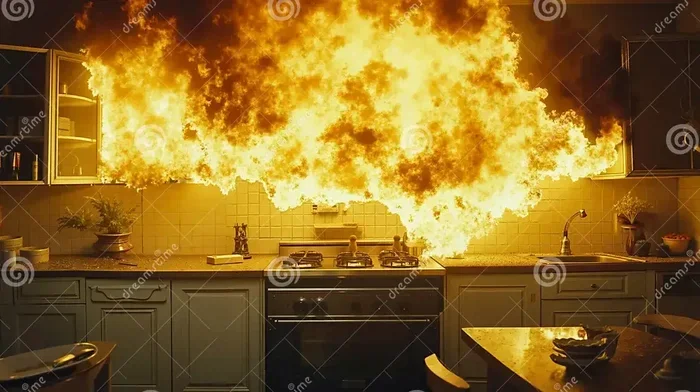
Can An Oven Explode Here Is What You Need to Know Today
Can an oven explode? Yes, it can happen, and it is more common than most people think. Gas leaks, faulty wiring, and extreme heat buildup can turn a normal cooking session into a dangerous event. This guide reveals the real causes, warning signs, and simple steps you can take to protect your home and family from an oven explosion.
Many of us rely on our ovens every single day. We bake cookies, roast dinners, and heat up leftovers without a second thought. But here is a question that might make you pause. Can an oven explode? The short answer is yes. An oven explosion is rare, but it does happen. And when it does, the results can be devastating.
Understanding the risks behind oven explosions is not about fear. It is about staying safe. Whether you have a gas oven or an electric oven, certain conditions can lead to dangerous pressure buildup, gas leaks, or electrical failures. In this article, we will walk you through everything you need to know. We will cover the real causes, the warning signs to watch for, and the steps you can take to prevent a disaster in your kitchen.
So grab a cup of coffee and let us dive in. By the end of this guide, you will know exactly how to keep your oven safe and your family protected.
Key Takeaways
- Oven explosions are real: Gas and electric ovens can both explode under certain conditions like gas leaks, pressure buildup, or electrical faults.
- Warning signs save lives: Unusual smells, strange noises, and visible damage are red flags you should never ignore.
- Regular maintenance matters: Cleaning your oven and scheduling professional inspections greatly reduces explosion risk.
- Self-cleaning ovens carry unique risks: High heat cycles can damage internal components over time.
- Know what to do during an emergency: Shut off the gas, ventilate, and call for help immediately.
- Prevention is simple: Small habits like checking gas lines and not overheating your oven go a long way.
📑 Table of Contents
- Can An Oven Explode? Understanding the Real Risks
- What Causes an Oven Explosion?
- Warning Signs Your Oven Might Explode
- How to Prevent an Oven Explosion
- What to Do If Your Oven Explodes
- Common Myths About Oven Explosions
- Oven Safety Tips Every Homeowner Should Know
- Final Thoughts on Oven Explosion Safety
Can An Oven Explode? Understanding the Real Risks
The idea of an oven exploding might sound like something from a movie. But the truth is, it is a real possibility. When we ask can an oven explode, we need to look at how ovens work. Both gas and electric ovens operate under heat and pressure. When something goes wrong with those systems, the consequences can be serious.
A gas oven uses combustible fuel. If there is a leak and that fuel meets a spark, the result can be a violent explosion. An electric oven does not use gas, but it still carries risks. Faulty wiring, overheating elements, and short circuits can all lead to fires or even explosions in extreme cases.
The key takeaway here is that oven explosions are not common, but they are not impossible either. Knowing the causes puts you ahead of the game.
How Gas Ovens Can Explode
Gas ovens are the most common culprits when it comes to oven explosions. A gas oven relies on a steady flow of natural gas or propane. If something disrupts that flow, trouble follows.
Here are the main ways a gas oven can explode:
- Gas leaks: A damaged gas line or loose connection can let gas build up inside the oven or your kitchen. One spark is all it takes.
- Ignition failure: If the igniter fails to light the gas right away, gas can accumulate inside the oven cavity. When it finally ignites, it can cause a loud bang.
- Pressure buildup: Blocked vents or clogged burners can cause pressure to build up inside the oven, leading to an explosive release.
- Faulty gas valve: A malfunctioning gas valve can allow too much gas into the oven at once.
These scenarios sound scary, but they are preventable. Regular oven maintenance and gas leak detection go a long way toward keeping your kitchen safe.
How Electric Ovens Can Explode
You might think electric ovens are safer because they do not use flammable gas. But that is not entirely true. Electric ovens can still explode or catch fire under the right (or wrong) conditions.
Here is what can go wrong with an electric oven:
- Overheating elements: A damaged heating element can overheat and ignite nearby materials.
- Electrical shorts: Faulty wiring inside the oven can cause sparks that lead to a fire or explosion.
- Thermal runaway: This happens when the oven temperature rises uncontrollably. The heat can damage internal components and cause a sudden failure.
- Self-cleaning cycle risks: The extreme heat during a self-cleaning cycle can stress the oven’s internal parts, especially if the oven is old or poorly maintained.
So when you ask can an oven explode, remember that electric ovens are not immune. Both types carry real risks that deserve your attention.
What Causes an Oven Explosion?
Now that you understand the basic risks, let us get into the specific causes of oven explosions. Knowledge is power, and knowing what to look for can save lives.
Gas Leaks and Poor Ventilation
Gas leaks are the number one cause of oven explosions. If your gas line has a small crack or a fitting is loose, gas can seep into the oven and surrounding areas. Without proper ventilation, that gas builds up until it finds a source of ignition.
Common signs of a gas leak include:
- A rotten egg smell near the oven or kitchen
- A hissing sound near the gas line
- Yellow or orange flames instead of blue
- Feeling dizzy or nauseous while cooking
If you notice any of these signs, turn off the gas supply immediately. Open windows and leave the house. Call your gas company or emergency services right away.
Faulty Ignition Systems
The ignition system in your oven is responsible for lighting the gas. When it works properly, you get a steady, safe flame. When it fails, gas can build up before catching fire. This delayed ignition is one of the most common causes of oven explosions.
You might hear a loud bang when you turn on your gas oven. This is called a “puff back” and it happens when gas accumulates and ignites all at once. A single puff back might not cause serious damage, but repeated incidents can lead to a full-blown explosion.
If your oven takes a long time to light or makes a clicking sound before igniting, get it checked by a professional. These are clear signs of a failing ignition system.
Overheating and Thermal Runaway
Overheating is another major cause of oven explosions. When an oven gets too hot and the thermostat fails to regulate the temperature, the internal components can break down. In gas ovens, this can cause the metal body to weaken. In electric ovens, overheating elements can spark and ignite nearby materials.
Thermal runaway is a particularly dangerous condition. It occurs when the oven temperature keeps climbing beyond the set limit. This can happen due to a broken thermostat, a damaged temperature sensor, or a malfunctioning control board. Left unchecked, thermal runaway can lead to a fire or explosion.
Damaged or Worn-Out Oven Seals
The door seal on your oven keeps heat contained inside the cooking cavity. Over time, this seal can wear out, crack, or tear. When the seal fails, heat escapes and pressure can build up in unexpected ways. In gas ovens, a damaged seal can also allow gas to leak into the kitchen.
Regularly inspect your oven door seal. If you feel heat escaping from around the door or notice visible damage, replace the seal as soon as possible. This is a simple fix that can prevent a serious disaster.
Using the Wrong Cookware
Believe it or not, the cookware you use can contribute to an oven explosion. Glass cookware like Pyrex can shatter if exposed to sudden temperature changes. Metal cookware that is not oven-safe can warp, melt, or spark. And sealed containers can build up pressure and burst inside the oven.
Always use oven-safe cookware and avoid placing sealed containers in a hot oven. These small precautions can prevent unexpected accidents.
Warning Signs Your Oven Might Explode
The good news is that ovens usually give you warning signs before a catastrophic failure. If you know what to look for, you can take action before things get dangerous.
Unusual Smells and Sounds
Your nose and ears are your best tools for detecting oven problems. A gas smell near the oven is an obvious red flag. But other warning signs are more subtle.
Listen for popping, clicking, or banging sounds when the oven is running. These noises can indicate gas buildup, ignition problems, or electrical issues. A burning smell that is not related to food could mean wiring is overheating or insulation is melting.
Visible Damage and Discoloration
Take a close look at your oven regularly. Look for any of the following:
- Discoloration or black marks on the oven walls
- Cracks in the glass door
- Warping or bending of the oven body
- Rust or corrosion on metal parts
- Damaged or frayed wiring
Any of these signs could indicate that your oven is under stress. Addressing them early can prevent a more serious problem down the road.
Inconsistent Heating
If your oven heats unevenly or fails to reach the set temperature, the thermostat or heating element may be failing. A malfunctioning thermostat can cause the oven to overheat, which increases the risk of an explosion. Have a professional inspect your oven if you notice consistent heating problems.
How to Prevent an Oven Explosion
Prevention is the best way to deal with oven explosions. The good news is that most prevention steps are simple and affordable. You do not need to be a professional to keep your oven safe.
Schedule Regular Oven Maintenance
Just like your car needs regular oil changes, your oven needs regular maintenance. A professional technician can inspect your gas lines, check the ignition system, test the thermostat, and look for electrical issues. Schedule a maintenance check at least once a year.
Install a Gas Detector
If you have a gas oven, a gas detector is a must-have. These affordable devices can alert you to gas leaks before they become dangerous. Place the detector near your oven and test it regularly to make sure it works.
Clean Your Oven Properly
Grease and food buildup inside your oven can become fuel for a fire. Regular cleaning reduces this risk. But be careful with the self-cleaning feature. The extreme heat generated during a self-cleaning cycle can stress your oven’s components. If you use the self-cleaning feature, stay home and keep an eye on the oven.
Replace Old or Damaged Parts Promptly
Do not wait for a part to fail completely before replacing it. If your igniter is weak, your thermostat is inaccurate, or your door seal is damaged, get it fixed right away. Using old or worn-out parts increases the risk of oven malfunction and explosion.
Never Ignore Warning Signs
This cannot be stressed enough. If something feels off with your oven, do not ignore it. Unusual smells, strange sounds, inconsistent heating, or visible damage are all warning signs. Turn off the oven and have it inspected by a professional before using it again.
What to Do If Your Oven Explodes
Even with the best prevention, emergencies can still happen. Knowing what to do during an oven explosion can make the difference between a minor incident and a major disaster.
Immediate Steps to Take
If your oven explodes or you suspect a gas leak, follow these steps:
- Do not touch any electrical switches. Flipping a light switch can create a spark that ignites gas.
- Turn off the gas supply. Locate the gas shut-off valve and turn it off immediately.
- Open windows and doors. Ventilate the area to disperse any gas buildup.
- Evacuate the area. Get everyone out of the house and stay outside.
- Call emergency services. Dial 911 or your local emergency number from a safe distance.
- Do not use the oven again. Wait for a professional inspection before turning it back on.
Staying calm and acting quickly is essential during an oven emergency. Panic can lead to poor decisions, so take a deep breath and follow these steps.
After the Explosion
Once the immediate danger has passed, you need to address the damage. Do not attempt to repair the oven yourself. Contact a licensed appliance repair technician or replace the oven if the damage is severe. Document the damage with photos for insurance purposes and file a claim if necessary.
Common Myths About Oven Explosions
There are a lot of misconceptions about oven explosions that can lead to dangerous complacency. Let us clear up some of the most common myths.
Myth: Only Old Ovens Explode
While older ovens do carry more risk due to worn-out components, new ovens can also explode. Manufacturing defects, installation errors, and misuse can all lead to oven explosions regardless of age.
Myth: Electric Ovens Cannot Explode
As we discussed earlier, electric ovens can and do cause fires and explosions. Electrical faults, overheating, and thermal runaway are real risks for any electric oven.
Myth: Self-Cleaning Ovens Are Dangerous
Self-cleaning ovens are not inherently dangerous. The self-cleaning cycle uses high heat to burn off grease and food residue. This is a normal function. However, if the oven is old, damaged, or poorly maintained, the extreme heat can cause problems. Used correctly, self-cleaning is safe.
Oven Safety Tips Every Homeowner Should Know
Safety in the kitchen starts with simple habits. Here are some oven safety tips that every homeowner should follow:
- Never leave your oven unattended while it is on, especially during the self-cleaning cycle.
- Keep flammable materials away from the oven. Oven mitts, towels, and paper products should be stored at a safe distance.
- Install smoke detectors near the kitchen and test them monthly.
- Use your oven for its intended purpose. Do not use it to heat your home or dry clothing.
- Read the owner’s manual. Understanding how your specific oven works helps you use it safely.
- Keep the oven interior clean. Grease buildup is a fire hazard that can lead to an explosion.
- Replace your oven if it is too old. Most ovens last 10 to 15 years. After that, consider upgrading to a newer, safer model.
These tips are simple but effective. Making them part of your routine can significantly reduce the risk of an oven explosion in your home.
Final Thoughts on Oven Explosion Safety
So can an oven explode? The answer is yes, but with the right knowledge and precautions, you can dramatically reduce the risk. Understanding the causes, recognizing the warning signs, and taking preventive action are the keys to keeping your kitchen safe.
An oven explosion is a serious event, but it is also preventable. Regular maintenance, proper use, and prompt attention to warning signs go a long way toward protecting your home and family. Do not wait until something goes wrong to take action. Start today by inspecting your oven, checking for gas leaks, and scheduling a professional maintenance check.
Your kitchen is the heart of your home. Keep it safe by staying informed and proactive. A few small habits now can save you from a life-changing disaster later.
Frequently Asked Questions
What are the most common causes of an oven explosion?
The most common causes include gas leaks, faulty ignition systems, overheating, thermal runaway, and damaged oven seals. Electrical faults in electric ovens and pressure buildup in gas ovens are also major contributors. Regular maintenance can help prevent most of these issues.
How can I tell if my oven has a gas leak?
Signs of a gas leak include a rotten egg smell, a hissing sound near the oven, yellow or orange flames instead of blue, and physical symptoms like dizziness or nausea. If you suspect a gas leak, turn off the gas supply, open windows, and leave the house immediately. Call your gas company or emergency services from outside.
Can a self-cleaning oven explode?
Self-cleaning ovens use extreme heat to burn off grease and food residue. While the self-cleaning cycle itself is a normal function, it can stress old or damaged ovens. If the oven has faulty wiring, a weak door seal, or other issues, the high heat during self-cleaning can increase the risk of an explosion. Always stay home and monitor the oven during a self-cleaning cycle.
What should I do immediately after an oven explosion?
First, do not touch any electrical switches. Turn off the gas supply if it is safe to do so. Open windows and doors to ventilate the area. Evacuate everyone from the house and call emergency services from a safe distance. Do not use the oven again until a professional has inspected it.
How often should I have my oven inspected?
It is recommended to have your oven professionally inspected at least once a year. If you have an older oven or notice any warning signs like unusual smells, strange sounds, or inconsistent heating, schedule an inspection right away. Regular maintenance is one of the best ways to prevent an oven explosion.
Are new ovens safer than old ones?
Newer ovens generally come with improved safety features, better materials, and more reliable components. However, even new ovens can be dangerous if they are improperly installed, defective, or misused. Always follow the manufacturer’s instructions and have new ovens installed by a qualified professional.
=== CONCLUSION ===
The question can an oven explode is one every homeowner should take seriously. Oven explosions are rare, but they are real, and the risks are significant. Gas leaks, faulty ignition systems, overheating, and electrical faults can all lead to dangerous situations in your kitchen. The good news is that most oven explosions are preventable with proper care and attention.
By understanding the causes, recognizing the warning signs, and following the prevention tips in this guide, you can keep your oven running safely for years to come. Regular maintenance, clean oven habits, and prompt repairs are your best defenses against a catastrophic oven failure.
Do not wait for an emergency to take action. Inspect your oven today, check your gas lines, and make sure your kitchen safety equipment is in working order. A little effort now can protect the people you love most. Stay safe, stay informed, and never underestimate the power of a well-maintained oven.