How To Reheat Food In An Oven Without Drying It Out
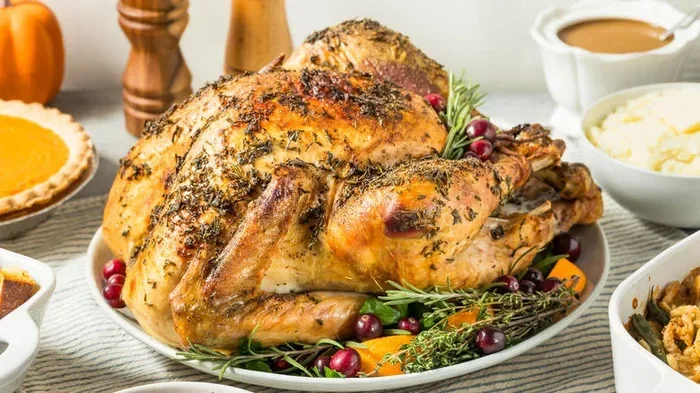
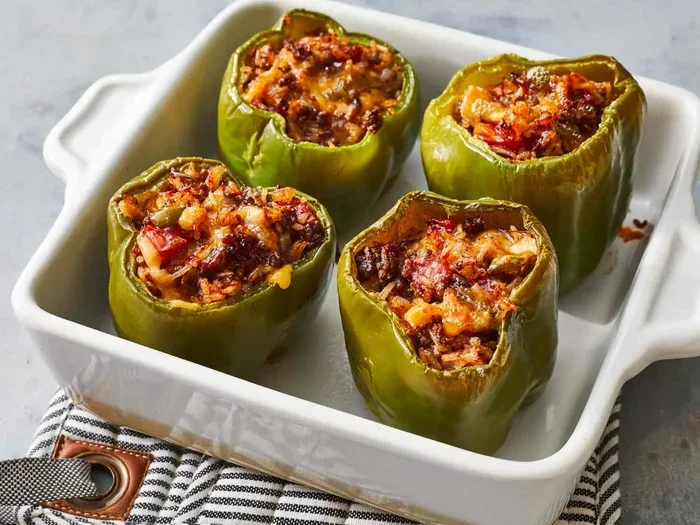
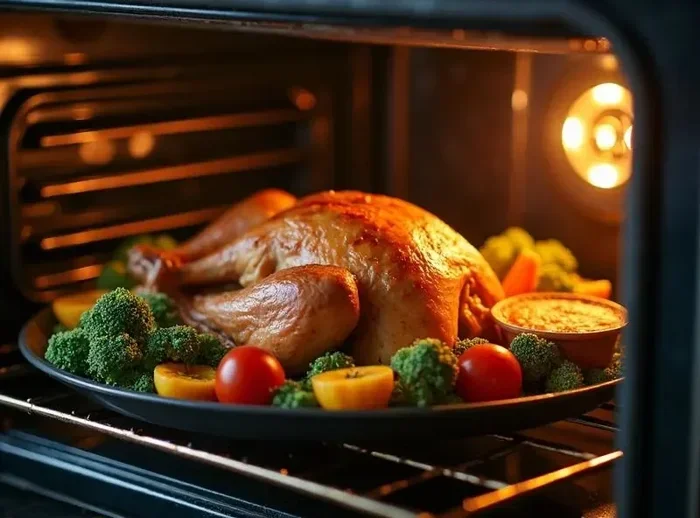
Reheating food in an oven is the best way to bring back crispy edges and moist centers without the rubbery texture microwaves leave behind. This guide covers oven reheating techniques for pizza, chicken, pasta, bread, and steak, so every leftover tastes fresh. You will learn the right oven temperature, how to cover with foil, and simple tricks that lock in moisture and prevent drying out. Follow these steps and your reheat leftovers will taste just like they did the first time.
Key Takeaways
- Use Low and Slow Heat: Reheat at 250-325°F to keep food moist and cook it evenly without burning the edges.
- Always Cover Your Dish: Foil or an oven-safe lid traps steam and prevents moisture loss during reheating.
- Add a Splash of Water or Oil: A small amount of liquid before reheating creates steam that keeps food juicy.
- Let Food Rest After Reheating: Resting allows heat to distribute evenly and keeps juices locked in.
- Use an Oven-Safe Dish: Glass, ceramic, or metal pans work best for even heat distribution and safe reheating.
- Check Internal Temperature: Ensure leftovers reach 165°F for food safety, especially with meat and poultry.
- Avoid the Microwave When Possible: The oven preserves texture and flavor far better than a microwave for most foods.
📑 Table of Contents
- How To Reheat Food In An Oven The Right Way
- Why The Oven Beats The Microwave For Reheating
- The Best Oven Temperature For Reheating Food
- How To Reheat Different Foods In The Oven
- Essential Tips To Prevent Drying Out
- Common Mistakes People Make When Reheating Food
- Expert Insights On Oven Reheating
- Food Safety When Reheating Leftovers
- Comparison: Reheating Methods At A Glance
- Final Thoughts
How To Reheat Food In An Oven The Right Way
There is nothing worse than pulling leftover food out of the oven only to find it dry, tough, or burnt. Whether you are reheating pizza, reheat chicken, or reheat pasta, the oven can do wonders if you use the right method. The microwave might be faster, but it often turns food into a sad, soggy mess. The oven gives you even heating and helps you keep that crispy texture you love.
In this guide, I will walk you through everything you need to know about reheating leftovers in the oven. You will learn the best temperatures, which dishes to cover, and simple tricks that make a huge difference. By the end, you will never waste a meal again. Let us get started.
Reheat leftovers the right way, and they can taste just as good as the first time. The key is patience and a little bit of know-how. Below, I break down the complete oven reheating guide you need.
Why The Oven Beats The Microwave For Reheating
Many people reach for the microwave because it is fast. But speed comes at a cost. Microwaves heat food unevenly, which creates hot spots and cold zones. They also remove moisture quickly, leaving food rubbery or tough. The oven works differently.
Here is why the oven is better for reheat food:
- Even Heat Distribution: The oven surrounds food with warm air, cooking it from all sides at once. This means no more cold centers.
- Better Texture: The oven can restore crispy edges on pizza, fried foods, and baked goods. Microwaves simply cannot do this.
- Moisture Control: When you cover food in the oven, steam builds up and keeps things juicy. You control the moisture level.
- Food Safety: The oven heats food to a safe internal temperature more reliably than a microwave, which often leaves cold pockets.
- Larger Batches: You can reheat a full plate or even multiple servings at once without stacking or rotating.
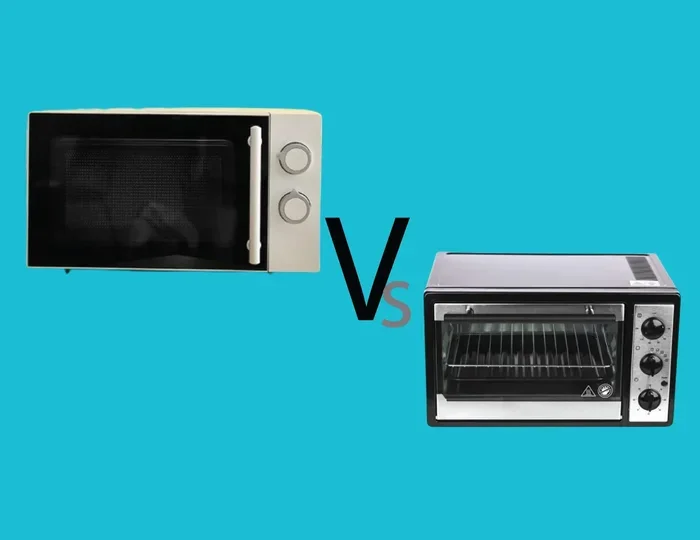
The Microwave vs Oven Debate
If you are short on time, the microwave wins. But if you care about taste and texture, the oven is the clear winner. Think about it. Would you rather have soggy pizza or crispy pizza? The answer is obvious. Use the microwave for quick coffee reheats or single servings of soup. Use the oven for anything that matters.
The Best Oven Temperature For Reheating Food
Getting the oven temperature right is the single most important step. Too hot and the outside burns before the inside warms up. Too low and you wait forever. The sweet spot is between 250°F and 325°F for most foods. This is what people mean when they say low and slow reheating.
Here is a simple breakdown of oven reheating temperatures for different foods:
- Pizza: 375°F for 8-10 minutes. The higher heat helps crisp the crust.
- Chicken: 325°F for 15-20 minutes. Lower heat keeps the meat tender.
- Pasta and Casseroles: 300°F for 10-15 minutes. Gentle heat warms without drying.
- Bread and Rolls: 350°F for 5-8 minutes. Quick heat restores freshness.
- Steak and Meat: 250°F for 10-15 minutes. Very low heat prevents overcooking.
- Fried Foods: 375°F for 5-8 minutes. High heat brings back the crunch.
Why Low and Slow Works So Well
When you reheat at a lower temperature, heat moves slowly into the center of the food. This means the outside does not overcook while the inside is still cold. Low and slow also gives you time to monitor the food and make adjustments. It is the secret to perfectly even heating every single time.
How To Reheat Different Foods In The Oven
Not all foods need the same treatment. A pizza needs a different approach than reheat chicken or reheat steak. Below, I break down the best method for the most common leftovers.
Reheating Pizza Without Soggy Crust
Pizza is the king of leftovers, but it is also the most frustrating to reheat. The microwave turns the crust into a chewy, rubbery disc. The oven brings it back to life. Here is how:
- Preheat your oven to 375°F.
- Place the pizza slice on a baking sheet or oven-safe dish.
- Put a small oven-safe pan or tin of water on the rack below the pizza. This creates steam and prevents the crust from drying out.
- Bake for 8-10 minutes until the cheese is bubbly and the crust is crispy.
- Let it rest for one minute before eating.
This method gives you a crispy texture on the bottom and perfectly melted cheese on top. It is the best way to reheat pizza at home.
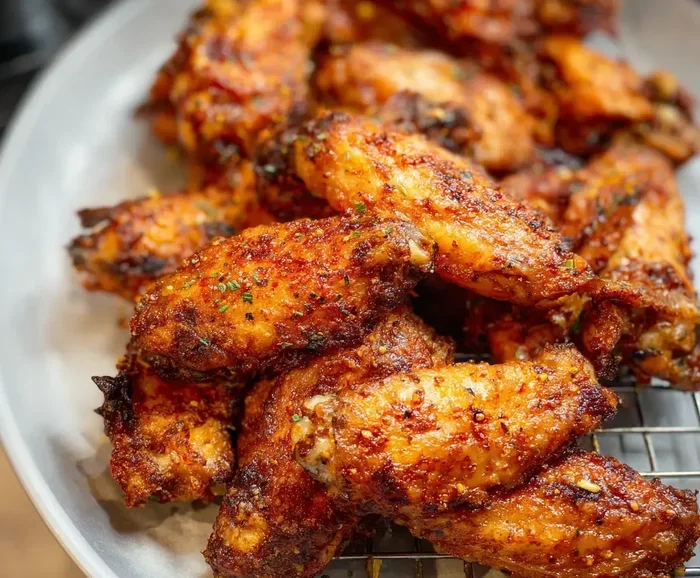
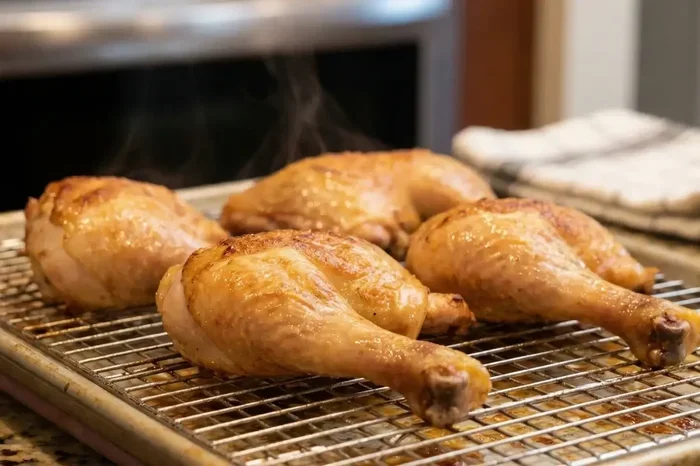
Reheating Chicken Without Drying It Out
Reheat chicken is tricky because chicken breast dries out fast. The key is to add moisture and keep the temperature moderate. Follow these steps:
- Preheat the oven to 325°F.
- Place the chicken in an oven-safe dish.
- Add a splash of chicken broth or water to the bottom of the dish. This creates steam that keeps the meat juicy.
- Cover the dish tightly with aluminum foil or an oven-safe lid.
- Heat for 15-20 minutes, checking the internal temperature with a meat thermometer. It should reach 165°F.
- Remove the foil for the last 2-3 minutes if you want a little extra crispiness on the skin.
Adding broth or water is a game-changer. It replaces some of the moisture lost during storage and keeps the chicken tender. This is one of the best food reheating tips I know.
Reheating Pasta and Casseroles
Pasta dishes and casseroles tend to dry out in the oven because the sauce evaporates. You need to trap that moisture. Here is what to do:
- Preheat the oven to 300°F.
- Place the pasta or casserole in an oven-safe dish.
- Add a tablespoon of water, broth, or milk over the top before covering.
- Cover with foil or a oven-safe lid to trap steam.
- Heat for 10-15 minutes, then remove the cover for the last 3-5 minutes to warm the top.
- Stir gently halfway through for even heat distribution.
This method keeps the sauce creamy and the pasta from clumping together. The result is reheated leftovers that taste freshly made.
Reheating Steak and Meat
If you love a good steak, you know that reheating it wrong ruins the whole cut. You want gentle warmth, not a well-done disaster. Here is how to reheat steak properly:
- Preheat the oven to 250°F. This is very low and slow.
- Place the steak on a wire rack set over a baking sheet. The rack allows air to circulate around the meat.
- Do not cover the steak. You want gentle, dry heat.
- Heat for 10-15 minutes until the internal temperature reaches about 110-120°F for medium-rare.
- Let it rest for 3-5 minutes before slicing.
- For extra flavor, sear the steak in a hot pan for 30 seconds on each side after reheating.
This low and slow method keeps the steak pink and juicy. The brief sear at the end adds a beautiful crust without overcooking the inside.
Reheating Bread, Rolls, and Baked Goods
Fresh bread is hard to beat, but reheat bread in the oven can come surprisingly close. The oven brings back that just-baked feel:
- Preheat the oven to 350°F.
- Wrap the bread or roll in aluminum foil. The foil traps steam and softens the crust.
- Heat for 5-8 minutes. Do not go longer or the bread will dry out.
- Remove from the foil immediately and serve.
For baguettes, skip the foil. Place the bread directly on the oven rack for 3-5 minutes. The direct heat creates a crispy exterior and a soft, warm interior.
Essential Tips To Prevent Drying Out
Drying out is the number one mistake people make when reheating food in an oven. The good news is that it is completely preventable with a few simple habits. Here are the most effective ways to keep your food moist.
Always Cover Your Food
Covering food with aluminum foil or an oven-safe lid is the easiest way to trap steam. Steam creates a humid environment inside the dish, which prevents moisture from escaping. This single step makes the biggest difference in the texture of your reheat leftovers.
Use regular aluminum foil for most dishes. If you have a glass or ceramic oven-safe lid, even better. These lids fit snugly and create a better seal than foil.
Add Liquid Before Reheating
A splash of water, broth, or olive oil before reheating adds moisture that evaporates into steam. This steam warms the food gently and keeps it from drying out. Here are some simple additions based on food type:
- Chicken or Meat: Add a splash of chicken broth or water.
- Pasta or Rice: Add a tablespoon of water or olive oil to prevent sticking.
- Pizza: Add a small pan of water on the rack below for steam.
- Bread: Wrap in foil to trap natural moisture.
- Casseroles: Add a splash of cream, broth, or sauce on top.
Use an Oven-Safe Dish
Not every dish belongs in the oven. Glass, ceramic, and metal pans are all oven-safe and conduct heat evenly. Avoid plastic containers, they can melt or release chemicals. Also, avoid thin or warped trays because they heat unevenly and create hot spots.
Choose a dish that fits the food snugly. A dish that is too large spreads the food out and causes it to dry faster. A dish that is the right size traps heat and moisture better.
Let Food Rest After Reheating
This is a step most people skip, but resting is important. When you take food out of the oven, the heat continues to distribute as the food sits. This process, called carryover cooking, raises the internal temperature slightly and allows juices to redistribute. Resting for 2-3 minutes keeps meat juicy and pasta smooth.
Quick Tips To Remember
- Always preheat the oven before placing food inside.
- Check the internal temperature with a meat thermometer for safety.
- Stir or flip food halfway through reheating for even warmth.
- Do not overcrowd the oven. Leave space between dishes for air to flow.
- Set a timer so you do not forget and burn your food.
- Use a food thermometer to ensure leftovers reach 165°F internally.
Common Mistakes People Make When Reheating Food
Even with the best intentions, it is easy to make mistakes. Here are the most common ones and how to avoid them.
Using Too High a Temperature
This is the biggest mistake. Cranking the oven to 400°F or higher burns the outside while the inside is still cold. Low and slow is the rule for a reason. Stick to 250-325°F for most foods and you will see an immediate improvement.
Forgetting to Cover the Food
Leaving food uncovered in the oven lets all the moisture escape. The result is dry, tough food that nobody wants to eat. Always cover with foil or a lid unless you specifically want a crispy top, like on a casserole.
Reheating Food Straight From the Fridge
Cold food straight from the refrigerator takes much longer to heat evenly. If you have time, let it sit at room temperature for 10-15 minutes before reheating. This small step helps the food warm more evenly and reduces the time it spends in the oven.
Overheating Leftovers
More time does not mean better results. Overheating dries out food and ruins the texture. Follow the recommended times and check the food early. You can always put it back in for a few more minutes if needed.
Using the Wrong Dish
Plastic containers, paper plates, and thin trays are not safe for the oven. They can melt, warp, or even catch fire. Always use oven-safe dishes made of glass, ceramic, or metal.
Expert Insights On Oven Reheating
Reheat food experts agree that the oven is the best tool for quality reheating. Chef Michael Ruhlman once said that the secret to great leftovers is treating them with the same care as a fresh meal. Here is what the professionals recommend:
- Restraint with temperature: Chefs always choose lower temperatures over higher ones. Patience is the key to great reheated food.
- Moisture is everything: A little liquid added before reheating makes a massive difference in the final texture.
- Resting is non-negotiable: Even professional kitchens let food rest after reheating to ensure even heat distribution.
- Invest in oven-safe lids: They are more effective than foil and reusable, which is better for the environment too.
When you follow these food reheating tips, you are not just warming up food. You are preserving flavor, texture, and nutrition. That is the real value of using the oven to reheat leftovers.
Food Safety When Reheating Leftovers
Reheating is not just about taste and texture. It is also about safety. The United States Department of Agriculture recommends that leftovers reach an internal temperature of 165°F before eating. This applies to all meats, poultry, seafood, and dairy-based dishes.
Use a food thermometer to check the thickest part of the food. Do not rely on how the food looks or smells. Some harmful bacteria do not change the appearance or odor of food. When in doubt, check the temperature.
Also, do not reheat food more than once. Each cycle of cooling and reheating increases the risk of bacterial growth. Portion your leftovers before storing them so you only reheat what you plan to eat.
Comparison: Reheating Methods At A Glance
| Method | Texture | Moisture | Best For | Speed |
|---|---|---|---|---|
| Oven | Crispy, even | Good (with cover) | Pizza, chicken, steak, bread | Slow (10-20 min) |
| Microwave | Soggy, uneven | Low | Soup, quick single servings | Fast (1-3 min) |
| Stovetop | Good, with control | Moderate | Stir-fry, pasta, soups | Medium (5-10 min) |
| Air Fryer | Very crispy | Low | Fried foods, small portions | Fast (5-8 min) |
As you can see, the oven offers the best balance of texture, moisture, and versatility. It is the go-to method for most reheat food situations. Use the microwave for speed, the stovetop for control, and the air fryer for small crispy batches. But for the best overall results, the oven wins.
Final Thoughts
How to reheat food in an oven without drying it out comes down to three simple principles: low temperature, covered dishes, and added moisture. Follow these rules and your leftovers will taste amazing every time. Whether you are reheating pizza, reheat chicken, or reheat pasta, the oven gives you results that no microwave can match.
Take the extra five minutes to preheat the oven. Use aluminum foil or an oven-safe lid. Add a splash of broth or water. These small efforts make a huge difference in the quality of your reheat leftovers. Your food will taste fresher, feel better, and look more appetizing.
The next time you open the fridge and see yesterday’s dinner, do not reach for the microwave. Reach for the oven instead. Your taste buds will thank you. Reheat food in an oven the right way, and you will never look at leftovers the same way again.
Frequently Asked Questions
What Is The Best Temperature To Reheat Food In The Oven?
The best oven temperature for reheating most foods is between 250°F and 325°F. This low and slow approach warms food evenly without drying it out or burning the edges. For crispy foods like pizza or fried items, you can go up to 375°F for a shorter time.
How Long Should I Reheat Leftovers In The Oven?
Most leftovers need 10-20 minutes in the oven depending on the food type and portion size. Thicker items like reheat chicken or reheat steak take longer, while thinner items like pizza or bread heat up faster. Always check the internal temperature to make sure it reaches 165°F.
Can I Reheat Food In The Oven Without Covering It?
You can, but covering food with aluminum foil or an oven-safe lid helps trap moisture and prevents drying. If you want a crispy top, like on a casserole, you can leave it uncovered for the last few minutes of reheating. This gives you the best of both worlds.
Is It Safe To Reheat Food In The Oven Multiple Times?
No, you should only reheat food once. Each cycle of cooling and reheating increases the risk of bacterial growth. Portion your leftovers before storing them so you only reheat what you plan to eat in one sitting. This keeps your food safe and delicious.
What Types Of Food Reheat Best In The Oven?
Foods with a crust or crispy texture reheat best in the oven. This includes reheat pizza, bread, fried foods, roasted meats, and casseroles. Soups and stews are better suited for the stovetop or microwave. The oven excels at restoring crispy texture and even heating in solid foods.
Do I Need To Preheat The Oven Before Reheating Food?
Yes, always preheat the oven before placing food inside. A preheated oven provides consistent heat from the start, which leads to more even heat distribution and better results. Skipping this step can cause uneven warming and longer reheating times.
=== CONCLUSION ===
How to reheat food in an oven without drying it out is a simple skill that transforms your leftovers into restaurant-quality meals. Use low and slow temperatures, cover your dishes, add a splash of liquid, and always let your food rest. These food reheating tips work for pizza, chicken, pasta, steak, bread, and casseroles. With the right oven temperature and a little patience, you will never waste a meal again. Start using your oven for reheat leftovers today, and taste the difference it makes.