Do You Cover Lobster Tails In The Oven For Perfect Results
Do you cover lobster tails in the oven? The answer depends on your desired texture and recipe. Covering lobster tails with foil traps steam and keeps the meat moist, while baking uncovered creates a golden, slightly crispy top. Most home cooks prefer a hybrid approach: cover for the first half, then uncover to finish. This guide covers the best oven temperature for lobster tails, timing, seasoning ideas, and common mistakes to avoid.
Baking lobster tails in the oven is one of the easiest ways to enjoy this luxurious seafood at home. But there is one question that trips up almost every home cook: do you cover lobster tails in the oven? The answer might surprise you. It is not a simple yes or no. The best approach actually changes depending on what kind of texture you want and which lobster tail recipe you are following.
In this guide, we will walk through everything you need to know about cooking lobster tails in the oven. We will cover whether to use foil, the best temperature, timing, seasoning ideas, and the mistakes that ruin a perfectly good lobster tail. Whether you are a beginner or a seasoned home chef, these tips will help you get perfectly baked lobster tails every single time.
The truth is, oven-baked lobster tails can be incredibly juicy and flavorful when you get the method right. The big secret most people miss? It is all about the cover. Let us break it down step by step so you never have to guess again.
Key Takeaways
- Covering lobster tails helps retain moisture: Foil traps steam and prevents the delicate meat from drying out during baking.
- Uncovering creates a beautiful golden finish: Removing the foil in the last few minutes lets the top brown and crisp up nicely.
- The best oven temperature is 400°F to 425°F: This range cooks lobster tails evenly without overcooking the tender flesh.
- Baking time ranges from 10 to 20 minutes: It depends on tail size, whether they are shell-on or split, and your oven’s accuracy.
- Butter and garlic are essential flavor boosters: A simple garlic herb butter elevates baked lobster tails from good to restaurant-quality.
- Always check internal temperature: The target is 140°F to 145°F for perfectly cooked, juicy lobster meat.
- Avoid common mistakes like overcooking: Overcooked lobster becomes rubbery and tough, so timing and temperature matter greatly.
📑 Table of Contents
- Do You Cover Lobster Tails In The Oven?
- How To Prepare Lobster Tails For Oven Baking
- The Best Oven Temperature And Time For Lobster Tails
- Foil Vs. No Foil: What Works Better For Baking Lobster Tails?
- Flavor Boosters: Butter, Herbs, And Seasonings For Baked Lobster
- Common Mistakes To Avoid When Baking Lobster Tails In The Oven
- How To Tell When Lobster Tails Are Perfectly Done
- Frequently Asked Questions
- Conclusion
Do You Cover Lobster Tails In The Oven?
So, do you cover lobster tails in the oven? The short answer is: it depends on the stage of cooking. Most expert cooks recommend a two-step approach. You cover the tails for the first part of baking, then remove the cover to finish them off. This gives you the best of both worlds.
Why Covering Matters
When you cover lobster tails with foil, you create a small steam environment inside the oven. The steam gently cooks the meat and keeps it from drying out. Lobster tail is naturally lean, which means it has very little fat to keep it moist on its own. Without a cover, the heat dries the surface quickly, and the inside can turn rubbery before the outside even looks done.
Think of it like this. Covering the lobster is like giving it a gentle, humid blanket. The heat wraps around the meat evenly, and the juices stay locked inside the shell. This is especially important for larger tails, which need more time to cook through.
When To Leave Lobster Tails Uncovered
Leaving the tails baked uncovered does something different. It allows the top surface to brown and develop a slight crunch. This adds a nice contrast to the soft, tender meat underneath. Many lobster tail recipes call for this step near the end of cooking, usually the last three to five minutes.
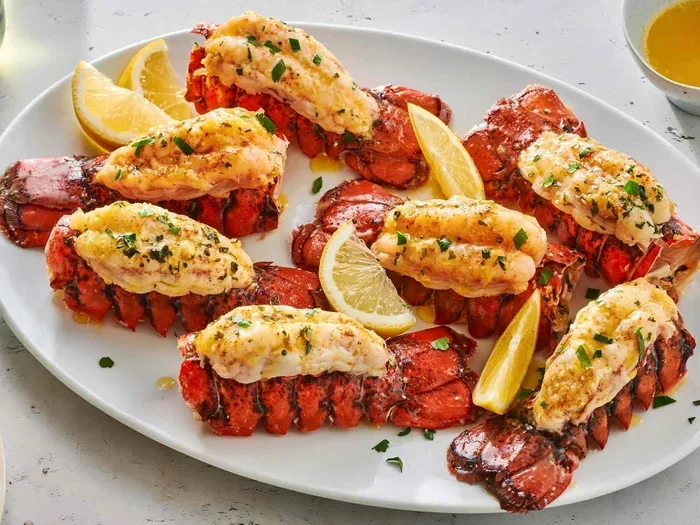
Uncovering also helps any butter or glaze on top caramelize. That golden, bubbly finish on a garlic butter lobster tail? That only happens when the foil comes off. It is the difference between good and absolutely stunning.
How To Prepare Lobster Tails For Oven Baking
Before you even think about temperature or timing, you need to prep your lobster tails correctly. Proper preparation makes a huge difference in the final result. Skipping this step is one of the most common mistakes people make.
Choosing The Right Lobster Tails
Start by selecting good-quality tails. Look for tails that are fresh or properly frozen. Shell-on lobster tails hold more flavor and protect the meat during baking. However, split lobster tails cook faster and are easier to eat. Both work great in the oven.
Here are a few quick tips for choosing:
- Pick tails that are similar in size so they cook evenly.
- Fresh tails should smell like the ocean, not fishy or ammonia-like.
- Frozen tails are fine, but thaw them in the fridge overnight before baking.
- Larger tails (8 ounces or more) benefit most from the covering method.
Prepping The Tails
Once you have your tails, it is time to prep them. If they are shell-on, use kitchen shears to cut along the top of the shell from the open end to the tail fan. Gently pull the shell apart without detaching it. Use your fingers or a spoon to carefully lift the meat out of the shell, keeping it attached at the base. Place the meat back on top of the shell.
For split lobster tails, use scissors to cut through the shell lengthwise. Remove the vein that runs along the back. Rinse the tails gently under cold water and pat them dry with a paper towel.
This prep work might feel a little fussy, but it pays off. The meat cooks more evenly, and the presentation looks restaurant-quality. Plus, the lobster tail butter can seep underneath the meat and flavor it from below.
Seasoning Ideas That Work Wonders
Seasoning is where you can get creative. A classic combination works every time. Melt some butter and mix in minced garlic, a squeeze of lemon juice, and a pinch of salt and pepper. Brush this mixture generously over the meat.
Here are some other flavor boosters to try:
- Fresh herbs like parsley, dill, or chives mixed into the butter.
- A sprinkle of smoked paprika for a subtle smoky flavor.
- A drizzle of honey or maple syrup for a sweet glaze.
- Grated parmesan cheese for a rich, savory crust.
- Lemon zest for a bright, fresh finish.
Keep it simple if you want to taste the lobster itself. Add bold flavors if you want a more dramatic result. Either way, the seasoning goes a long way in making your oven-baked lobster truly special.
The Best Oven Temperature And Time For Lobster Tails
Getting the oven temperature for lobster tails right is critical. Too hot and the outside burns before the inside cooks. Too low and the meat turns tough and rubbery. The sweet spot is between 400°F and 425°F. This range cooks the tails quickly enough to keep them tender while developing a nice color on the surface.
Temperature Guide By Tail Size
Different sizes need slightly different approaches. Here is a quick guide to help you set the right lobster tail cooking time and temperature:
- Small tails (4 to 6 ounces): Bake at 425°F for 10 to 12 minutes.
- Medium tails (6 to 8 ounces): Bake at 400°F for 12 to 15 minutes.
- Large tails (8 to 12 ounces): Bake at 400°F for 15 to 20 minutes.
- Jumbo tails (12+ ounces): Bake at 400°F for 18 to 22 minutes.
These times assume you start with room temperature lobster tails. Never bake cold tails straight from the fridge. Take them out about 15 to 20 minutes before cooking. This small step helps them cook more evenly throughout.
Using A Meat Thermometer
The most reliable way to know if your baked lobster tails are done is to use a meat thermometer. Insert it into the thickest part of the meat, avoiding the shell. The internal lobster tail internal temperature should read 140°F to 145°F. The meat should be opaque white and firm to the touch but still juicy.
If you do not have a thermometer, look for these signs:
- The meat turns fully white with no translucent areas.
- The flesh becomes firm but still has a slight give.
- The juices run clear, not milky.
- The shell turns bright red and the meat pulls slightly away from the shell.
Overcooking is the number one enemy of lobster. Once it goes past 150°F internally, the proteins tighten up and the meat becomes chewy. Set a timer, check early, and pull them out the moment they are done.
Foil Vs. No Foil: What Works Better For Baking Lobster Tails?
This is the big debate. Should you cover lobster tails with foil or bake them bare? Let us compare both methods so you can decide what works best for your situation.
The Foil Method
Covering lobster tails with aluminum foil is the go-to method for many home cooks. Here is why it works so well:
- It traps steam and keeps the meat moist throughout cooking.
- It protects the delicate surface from direct oven heat.
- It cooks the meat more evenly, especially for thicker tails.
- It reduces the risk of the edges drying out or burning.
The downside? You miss out on that golden, caramelized top. The meat stays pale and soft all over. Some people do not mind this, but others feel the presentation and texture are lacking without a bit of browning.
The Uncovered Method
Baking lobster tails without foil gives you a beautiful, golden finish. The top gets slightly crispy, and any butter or seasoning on the surface caramelizes into a flavorful crust. The meat stays tender on the inside while developing a lovely texture on top.
The risk? The meat can dry out, especially if you cook it too long or at too high a temperature. This method works best for thinner or medium-sized tails that cook quickly.
The Hybrid Approach (Best Of Both Worlds)
Here is the method most professional and home cooks agree on. Cover the lobster tails with foil for the first two-thirds of cooking time. Then remove the foil and bake for the remaining one-third. This gives you juicy, tender meat inside with a gorgeous golden top.
For example, if you are baking medium tails for 15 minutes total, cover them with foil for the first 10 minutes. Then uncover them for the last 5 minutes. The result is perfectly cooked, moist meat with a slightly caramelized finish.
| Method | Moisture | Texture | Best For |
|---|---|---|---|
| Foil Covered | Very moist | Soft and tender throughout | Large tails, beginners, moist texture priority |
| Uncovered | Moderate | Golden, slightly crispy top | Small to medium tails, presentation focus |
| Hybrid (Foil then uncovered) | Moist with a crisp finish | Tender inside, golden outside | All sizes, best overall results |
Flavor Boosters: Butter, Herbs, And Seasonings For Baked Lobster
Lobster tails are delicious on their own, but the right flavors take them to the next level. The best lobster tail butter is simple, rich, and lets the natural sweetness of the lobster shine through.
The Classic Garlic Butter
This is the gold standard. Melt a quarter cup of butter in a small bowl. Add two minced garlic cloves and a squeeze of fresh lemon juice. Stir in a pinch of salt and a dash of paprika. Brush this mixture over the lobster meat before baking and again halfway through cooking.
The garlic infuses the butter with incredible flavor, and the lemon adds brightness. The butter bakes right into the meat and the shell, creating a rich, savory sauce that pools around the lobster. It is hard to beat.
Herb Butter Variations
Want to switch things up? Try adding fresh herbs to your butter. Chopped parsley, dill, or tarragon all pair beautifully with lobster. You can also mix in a tiny bit of lemon zest for extra freshness.
For a more indulgent version, stir in a spoonful of cream cheese or a drizzle of honey. These additions create a richer glaze that browns beautifully in the oven.
Quick Tips For Maximum Flavor
- Always use unsalted butter so you can control the salt level.
- Brush the butter on generously, especially between the meat and the shell.
- Let the seasoned tails sit for 10 minutes before baking so the flavors absorb.
- Add a splash of white wine or sherry to the butter for a gourmet touch.
- Finish with a squeeze of fresh lemon right after baking to brighten everything up.
Common Mistakes To Avoid When Baking Lobster Tails In The Oven
Even experienced cooks make mistakes when cooking lobster in the oven. Knowing what to avoid saves you from serving tough, dry, or undercooked lobster. Here are the most common pitfalls.
Overcooking The Lobster
This is the biggest mistake by far. Lobster meat goes from perfectly cooked to rubbery in just a couple of minutes. The lobster tail cooking time is shorter than most people think. When in doubt, pull them out early. The residual heat will continue cooking the meat slightly as it rests.
Starting With Cold Lobster Tails
Cold lobster takes longer to cook in the center, which means the outside can overcook while waiting for the inside to be done. Always let your tails come to room temperature before they go in the oven. This simple step makes a noticeable difference.
Skipping The Prep Work
Not splitting or butterflying the tails properly leads to uneven cooking. The thick part of the meat can stay raw while the thin part overcooks. Take the extra few minutes to cut and clean the tails correctly. Your patience will be rewarded.
Using Too Much Or Too Little Butter
Too little butter means dry, bland lobster. Too much can cause the meat to steam instead of bake, especially if you cover it with foil. A thin, even coating is all you need. The butter should lightly coat the surface, not pool around the tails.
Ignoring Your Oven Hot Spots
Every oven has hot spots. If you place the lobster on one side of the pan, one tail might cook faster than the other. Rotate the pan halfway through baking to ensure even cooking. This small habit makes a big difference.
How To Tell When Lobster Tails Are Perfectly Done
Knowing when to pull your baked lobster tails out of the oven is a skill that improves with practice. But there are clear signs to look for that take the guesswork out of it.
The meat should be opaque white all the way through. No translucent or grayish areas should remain. The texture should be firm yet tender. If you press it gently with a fork, it should flake apart easily but not fall apart into mush.
The shell should be bright red, and the meat should have pulled back slightly from the shell edges. A good visual cue is that the internal temperature reaches 140°F to 145°F. Use a reliable instant-read thermometer to confirm.
Let the tails rest for two to three minutes after removing them from the oven. This allows the juices to redistribute throughout the meat. The result is a more tender, flavorful bite every time.
Once rested, serve the lobster tails immediately with extra melted butter, lemon wedges, and any fresh herbs you like. A side of roasted vegetables, garlic bread, or a light salad pairs perfectly with oven-baked lobster.
Frequently Asked Questions
Should I Use Foil Or No Foil When Baking Lobster Tails?
The best approach is the hybrid method. Cover the tails with foil for the first two-thirds of baking time to keep the meat moist, then remove the foil for the last few minutes to let the top brown and crisp. This gives you juicy lobster with a beautiful golden finish.
What Is The Best Oven Temperature For Baking Lobster Tails?
Bake lobster tails at 400°F to 425°F. This temperature range cooks the meat quickly enough to keep it tender while developing a nice color on the surface. 400°F is the most commonly recommended temperature for even, reliable results.
How Long Does It Take To Bake Lobster Tails In The Oven?
Baking time depends on the size of the tail. Small tails take about 10 to 12 minutes, medium tails take 12 to 15 minutes, and large or jumbo tails take 15 to 22 minutes. Always check the internal temperature, which should reach 140°F to 145°F for perfectly cooked lobster.
Can I Bake Lobster Tails Without Splitting Them First?
Yes, you can bake shell-on lobster tails without splitting them. However, you need to cut a slit in the top of the shell to allow steam to escape and heat to reach the meat. Split tails cook more evenly and are easier to serve, so they are generally recommended for oven baking.
How Do I Keep Lobster Tails Moist In The Oven?
To keep lobster tails moist, cover them with foil during the first part of baking, use room temperature tails, brush them with garlic butter, and do not overcook them. Pulling them out at 140°F to 145°F internal temperature ensures the meat stays juicy and tender.
Is It Better To Bake Or Broil Lobster Tails?
Baking is more forgiving and easier to control, making it the better choice for most home cooks. Broiling cooks faster and creates a nice top browning, but it requires close attention to prevent burning. A hybrid approach of baking and then broiling for the last minute or two works wonderfully too.
Conclusion
Do you cover lobster tails in the oven? Now you know the answer is not a simple yes or no. The best method is to cover them with foil for most of the cooking time, then uncover them at the end for a golden, caramelized finish. This hybrid approach gives you juicy, tender meat inside and a beautiful, slightly crispy top outside.
Remember to prep your tails properly, use the right oven temperature for lobster tails (400°F to 425°F), and keep a close eye on the clock. Overcooking is the number one enemy, so use a meat thermometer and pull the tails out the moment they hit 140°F to 145°F internally.
Seasoning with garlic butter and fresh herbs takes your baked lobster tails from ordinary to extraordinary. And avoiding common mistakes like starting with cold tails or skipping the prep work ensures consistent, restaurant-quality results every time.
Now that you have all the tips and techniques, it is time to put them into practice. The next time you are craving lobster tail recipes that impress, fire up your oven and give these methods a try. You will not be disappointed. Happy cooking!