How To Cook Chicken In A Convection Oven Like A Pro
Cooking chicken in a convection oven is a game-changer for home cooks. The fan circulates hot air for crispy skin and even cooking, cutting down time. You’ll learn how to cook chicken in a convection oven perfectly every time, from juicy breasts to fall-off-the-bone thighs.
Learning how to cook chicken in a convection oven is a skill that will change your weeknight dinners. The circulating hot air cooks food faster and browns it more evenly than a standard oven. You get crispy skin without drying out the meat, and you can roast a whole bird or individual pieces with confidence.
Whether you are a beginner or a seasoned home cook, this guide covers everything you need. We will walk through cut selection, seasoning, timing, and pro techniques. By the end, you will know exactly how to cook chicken in a convection oven for perfect results every single time.
The beauty of a convection oven lies in its fan. It blows hot air around the food, creating a uniform cooking environment. This means no more hot spots or undercooked sections. The result is juicy chicken with golden, crispy skin that looks and tastes restaurant-quality.
Key Takeaways
- Convection ovens cook chicken faster and crispier: The fan reduces cooking time by up to 25% and delivers even browning.
- Choose the right cut and prep properly: Dry rubs, marinades, and brines boost flavor and moisture.
- Use a meat thermometer: Internal temperature is the only foolproof way to ensure juicy, safe chicken.
- Rest the chicken before cutting: This keeps the juices locked in for tender results.
- Avoid common mistakes: Overcrowding the pan and skipping the rest are the top errors home cooks make.
- Follow the temperature guide: Different cuts need different times and temps for perfect outcomes.
📑 Table of Contents
Why a Convection Oven Is Perfect for Chicken
How Convection Cooking Works
A convection oven uses a rear fan to circulate hot air. This constant airflow transfers heat to the food more efficiently. In a standard oven, heat rises from the bottom and can create uneven pockets of warmth. With convection, the hot air wraps around the chicken from all sides.
This means the chicken cooks faster and more evenly. You also get better browning because the surface dries out quicker, which helps create that sought-after crispy skin. The fan also helps render fat from the chicken skin, adding flavor and crunch.
Benefits Over a Standard Oven
There are several clear advantages when you use a convection oven for chicken. First, cooking time drops by about 25%. Second, you get more even browning without needing to rotate the pan. Third, the chicken stays juicier because the faster cook time reduces the chance of drying out.
Another benefit is energy efficiency. Since the food cooks faster, you save on electricity or gas. The fan-forced oven also allows you to cook multiple trays at once without flavor transfer, as the air flow keeps temperatures consistent across the oven cavity.
Choosing the Right Chicken Cut
Not all chicken cuts behave the same way in a convection oven. Picking the right piece affects your time, temperature, and final texture. Here is a quick look at your options.
Whole Chicken
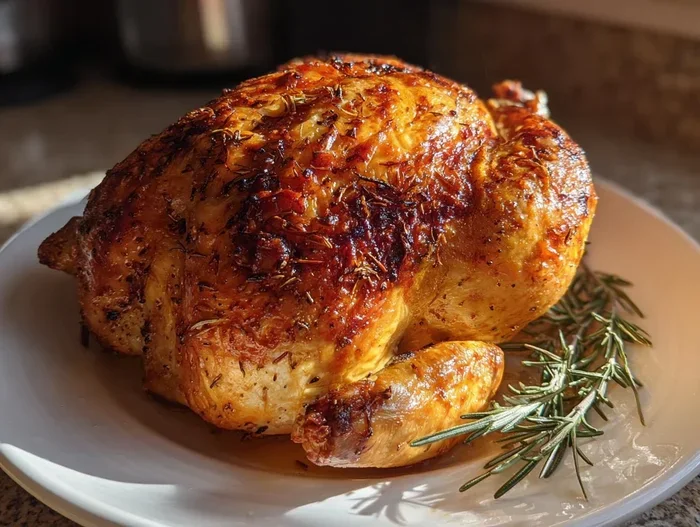
A whole chicken is a showstopper for Sunday dinner. Convection cooking works beautifully for a full bird because the circulating air reaches every part. You get even browning on the skin and moist meat inside. Plan for about 15 minutes per pound at 425°F (220°C). Use a meat thermometer to check the thickest part of the thigh; it should read 165°F (74°C).
Chicken Breasts
Bone-in, skin-on breasts are the juiciest option. Boneless breasts cook faster but can dry out if you are not careful. For bone-in breasts, aim for 400°F (200°C) and 25–30 minutes. Boneless breasts need only 15–20 minutes at the same temperature. Always let the chicken rest for 5 minutes before cutting.
Thighs, Drumsticks, and Wings
Dark meat is more forgiving and stays moist longer. Chicken thighs and drumsticks thrive in a convection oven at 425°F (220°C) for 30–35 minutes. Wings cook even faster, typically 20–25 minutes. Their higher fat content and skin make them perfect for achieving crispy results. You can cook wings and thighs on the same sheet pan because they finish at similar times.
Prep and Seasoning for Maximum Flavor
Great chicken starts before it ever touches the oven. Proper prep and seasoning make a huge difference in the final taste and texture.
Dry Rubs vs. Marinades
Dry rubs are the easiest path to crispy skin. Mix salt, pepper, garlic powder, paprika, and a touch of cumin. Rub it all over the chicken and let it sit for at least 30 minutes. The salt draws out moisture, which then dissolves into the seasonings and creates a flavorful crust during cooking.
Marinades add moisture and depth. A simple blend of olive oil, lemon juice, garlic, and herbs works wonders for chicken breasts. Marinate for 2–4 hours, but no longer than 8 hours, or the acid can break down the meat and make it mushy.
Brining for Extra Juiciness
Brining is a secret weapon for juicy chicken. A quick brine of 1/4 cup salt per 4 cups of water, with a splash of honey, keeps the meat moist during cooking. Submerge the chicken for 1–2 hours, then pat it completely dry before seasoning. Dry skin is essential for crispiness in a convection oven.
Quick Tips for Seasoning Success
- Always pat the chicken dry: Moisture is the enemy of crispy skin. Use paper towels to blot the surface.
- Season generously: Do not be shy with salt. It enhances the natural flavor of the chicken.
- Let the chicken come to room temperature: Take it out of the fridge 20–30 minutes before cooking. This promotes even cooking.
- Use fresh herbs: Add rosemary, thyme, or oregano just before roasting for a bright, aromatic finish.
How to Cook Chicken in a Convection Oven: Temperature and Time Guide
Getting the temperature and time right is the most important part of how to cook chicken in a convection oven. The fan makes the oven run hotter than a standard oven, so you usually reduce the temperature by 25°F. Here is a complete guide for every cut.
Whole Chicken
Roast a whole chicken at 425°F (220°C) for 15 minutes per pound, plus an extra 10–15 minutes. A 4-pound bird takes about 75–80 minutes. The skin should be deep golden brown and crispy. Always check the internal temperature in the thickest part of the thigh, avoiding the bone. It must reach 165°F (74°C).
Chicken Breasts
Bone-in, skin-on breasts go in at 400°F (200°C) for 25–30 minutes. Boneless breasts need just 15–20 minutes at the same temperature. If you prefer a softer texture, drop the temperature to 375°F (190°C) and add 5–10 minutes. Use a quick-read thermometer to avoid overcooking.
Thighs, Drumsticks, and Wings
Bone-in thighs and drumsticks cook best at 425°F (220°C) for 30–35 minutes. Wings need 20–25 minutes at the same temperature. You can increase the heat to 450°F (230°C) for extra crispiness, but watch them closely to prevent burning. The high heat renders the fat quickly and puffs up the skin.
Cooking Time and Temperature Comparison Table
| Chicken Cut | Convection Oven Temp | Approximate Cooking Time | Internal Temp (Safe) |
|---|---|---|---|
| Whole Chicken (4 lb) | 425°F (220°C) | 75–85 minutes | 165°F (74°C) |
| Bone-in Breasts | 400°F (200°C) | 25–30 minutes | 165°F (74°C) |
| Boneless Breasts | 400°F (200°C) | 15–20 minutes | 165°F (74°C) |
| Thighs & Drumsticks | 425°F (220°C) | 30–35 minutes | 165°F (74°C) |
| Wings | 425°F (220°C) | 20–25 minutes | 165°F (74°C) |
Expert Insight: The Resting Period
Resting is non-negotiable for juicy chicken. When you pull the chicken from the oven, the juices are concentrated in the center. Cutting too soon releases those juices onto the cutting board, leaving the meat dry. Let the chicken rest for 5–10 minutes before slicing or serving. Tent it loosely with foil to keep the heat in without steaming the skin.
Pro Techniques for Juicy, Crispy Results
Once you understand the basics, you can elevate your how to cook chicken in a convection oven game with a few pro tricks. These techniques ensure every piece comes out restaurant-quality.
Position the Oven Rack Correctly
Place the rack in the center of the oven. This allows the hot air to circulate evenly around the chicken. If you place the chicken too close to the top or bottom element, one side will cook faster than the other. For a whole chicken, use a roasting rack inside a pan. The rack lifts the bird, allowing air to flow underneath and crisp the bottom skin.
Use Parchment Paper or a Silicone Mat
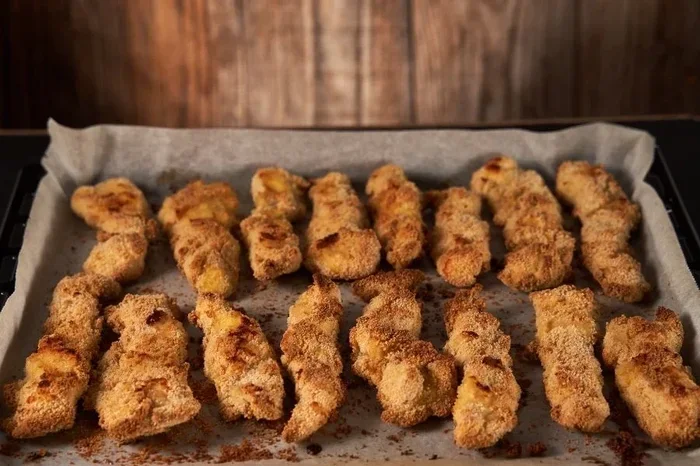
Lining your baking sheet with parchment paper prevents sticking and makes cleanup a breeze. It also promotes even browning. If you want extra crispy skin, skip the parchment and use a bare baking sheet or a wire rack set over a sheet pan. The wire rack allows air to hit the entire surface of the chicken, which is especially helpful for pieces like wings and drumsticks.
Brush with Oil or Butter
A thin coat of oil or melted butter helps the skin brown and crisp up faster. Use a pastry brush to apply a light, even layer. This is especially effective for chicken breasts, which can otherwise look pale. The fat also carries flavor, so use a good quality olive oil or herb-infused butter for extra tastiness.
Quick Tips for Crispy Skin
- Dry the skin thoroughly: Pat the chicken with paper towels right before seasoning.
- Refrigerate uncovered: Leave the seasoned chicken in the fridge for a few hours or overnight. The dry air in the fridge further dries the skin, leading to maximum crispiness.
- Do not skip the convection fan: The fan is what creates the crispy, even browning. Use the convection or fan-forced setting.
- Baste once during cooking: Open the oven halfway through and spoon hot juices or melted butter over the chicken. This adds flavor and moisture.
Common Mistakes to Avoid
Even experienced cooks make errors when roasting chicken in a convection oven. Knowing what to avoid saves you from dry, overcooked, or unevenly cooked meat.
Overcrowding the Pan
The biggest mistake is placing too much chicken on one sheet pan. The convection fan needs space to circulate air. If pieces are touching or stacked, the air cannot reach all surfaces, and you end up with steamed, pale chicken instead of crispy, browned pieces. Use two sheet pans or a larger roasting pan if needed. Give each piece at least an inch of space.
Skipping the Rest
As mentioned earlier, cutting into chicken immediately after it comes out of the oven causes the juices to run out. The meat becomes dry and loses its tenderness. Always let it rest, tented loosely with foil, for 5–10 minutes. This applies to every cut, from a whole bird to a single breast.
Using the Wrong Temperature
Convection ovens cook hotter than conventional ovens. If you use the same temperature you would for a standard oven, the chicken will cook too fast on the outside and may dry out before the inside is done. Reduce the temperature by 25°F as a general rule. Also, avoid opening the oven door too often, as it releases the hot air and disrupts the cooking cycle.
Not Using a Meat Thermometer
guessing when chicken is done leads to either undercooked or overcooked meat. A reliable meat thermometer takes the guesswork out. Insert it into the thickest part of the meat, avoiding bone. The safe internal temperature is 165°F (74°C). Remove the chicken from the oven when it is 5°F below that, as the temperature will continue to rise during resting.
Final Thoughts
Mastering how to cook chicken in a convection oven is one of the most useful skills in the kitchen. The fan-forced oven delivers crispy skin, juicy meat, and faster cooking times with minimal effort. From a whole roasted bird to simple weeknight chicken breasts, the results are consistently excellent.
Remember to dry the chicken, season generously, use the right temperature and time, and always let it rest. Keep a meat thermometer handy and avoid overcrowding the pan. With these steps, you will cook perfect chicken every time. The convection oven is your best friend for restaurant-quality results at home, so get in there and start roasting.
Frequently Asked Questions
Can I cook frozen chicken in a convection oven?
Yes, but you must increase the cooking time significantly. Frozen chicken needs about 50% more time than fresh. Roast at 400°F (200°C) and use a meat thermometer to ensure the internal temperature reaches 165°F (74°C) in the thickest part. Always check for even cooking, as frozen pieces can cook unevenly.
What temperature should I set my convection oven for chicken?
For most chicken cuts, set the convection oven between 400°F and 425°F (200–220°C). Whole chickens do well at 425°F, while boneless breasts are better at 400°F. The fan circulates the heat efficiently, so you can cook at these temperatures without drying out the meat.
How long does it take to cook a whole chicken in a convection oven?
A 4-pound whole chicken takes approximately 75–85 minutes at 425°F (220°C). The general rule is 15 minutes per pound plus an extra 10–15 minutes. Always use a meat thermometer to confirm the internal temperature reaches 165°F (74°C) in the thigh.
Do I need to flip chicken pieces when using a convection oven?
Usually no. The circulating hot air cooks the chicken evenly on all sides, so flipping is not necessary. This is one of the biggest advantages of convection cooking. However, if you notice one side browning faster, you can rotate the pan halfway through for more even results.
Is it better to use a convection oven or an air fryer for chicken?
An air fryer is essentially a small convection oven. Both produce crispy, evenly cooked chicken. A convection oven can handle larger quantities and whole chickens, while an air fryer is great for smaller batches and wings. The cooking principle is the same, so the techniques transfer easily between the two.
How do I keep chicken moist in a convection oven?
Pat the chicken dry before seasoning, brine it for extra juiciness, and avoid overcooking. Use a meat thermometer and remove the chicken as soon as it hits 165°F (74°C). Let it rest for 5–10 minutes before cutting. Also, avoid overcrowding the pan so the hot air can circulate freely around each piece.