How Long To Cook Halibut In Oven At 350 For Best Results
Discover the perfect how long to cook halibut in oven at 350 for tender, flaky fish every time. This guide covers exact baking times, temperature tips, and simple seasoning ideas so you can enjoy a healthy oven-baked halibut dinner in under 20 minutes. Whether you’re using fillets or steaks, you’ll learn the precise cooking time to avoid dry, overcooked fish.
If you’re wondering how long to cook halibut in oven at 350, you’re in the right place. This simple guide will show you the exact time and temperature for perfectly baked halibut every time. Halibut is a delicate, flaky white fish that turns dry if you cook it too long. Baking at 350°F is the ideal method because it gently cooks the fish while keeping it moist. You’ll learn the precise cooking time for different cuts, plus tips to avoid common mistakes.
Many home cooks fear baking fish. They worry it will stick to the pan or turn rubbery. But with the right oven temperature and a watchful eye, you can serve restaurant-quality oven-baked halibut on a weeknight. This article breaks down everything you need to know. From choosing the right fillet to knowing when it’s done, we’ve got you covered.
Key Takeaways
- 350°F is the ideal temperature: It cooks halibut gently, keeping it moist and flaky without drying out.
- Time depends on thickness: Thin fillets need 8-10 minutes; thicker steaks take 12-15 minutes at 350°F.
- Internal temperature matters: Cook until the fish reaches 145°F for safe, perfectly done halibut.
- Use parchment paper: It prevents sticking and makes cleanup a breeze after baking.
- Season simply: Salt, pepper, lemon, and herbs are all you need for delicious oven-baked halibut.
- Let it rest: Allow the fish to rest for 3 minutes after baking to lock in juices.
- Avoid overcooking: Check early and use the flake test to keep halibut tender.
📑 Table of Contents
Why 350°F Is the Sweet Spot for Baking Halibut
Baking halibut at 350 degrees Fahrenheit gives you the best results. This moderate heat cooks the fish evenly. It prevents the outside from burning before the inside is done. You get a tender, flaky texture with a light golden top. Higher temperatures can dry out the fish quickly. Lower temperatures take too long and can make the texture mushy.
The Science Behind the Temperature
At 350°F, the proteins in the halibut denature slowly. This means the fish stays juicy. The gentle heat also melts any butter or oil you’ve added. That creates a small basting effect. The fish cooks through without losing its moisture. Baking halibut at this temperature works for both thin fillets and thick steaks. It’s a forgiving range that suits most home ovens.
How Long to Cook Halibut in Oven at 350 for Different Cuts
The thickness of your halibut piece is the biggest factor. A thin fillet cooks much faster than a thick steak. Here’s a simple guide to help you plan your meal. Use this table as a starting point. Always check the internal temperature for the best results.
| Halibut Cut | Thickness | Cooking Time at 350°F | Result |
|---|---|---|---|
| Thin Fillet | 1/2 inch | 8-10 minutes | Very tender, quick cook |
| Standard Fillet | 3/4 inch | 10-12 minutes | Flaky, moist center |
| Thick Fillet | 1 inch | 12-15 minutes | Perfectly cooked throughout |
| Steak | 1.5 inches | 15-18 minutes | Sturdy, meaty texture |
| Extra Thick Steak | 2 inches | 18-22 minutes | Requires careful monitoring |
These times are for raw halibut placed in a preheated oven. If you start with frozen halibut, add 5-7 minutes. Always use a meat thermometer. The internal temperature should read 145°F at the thickest part. This ensures the fish is safe to eat and perfectly cooked.
How Long to Cook Halibut in Oven at 350: Step-by-Step Preparation
Preparing your halibut correctly makes a big difference. Good prep work ensures even cooking and great flavor. Follow these simple steps for the best baked halibut every time.
Choosing the Right Halibut
Start with fresh or properly thawed halibut. Look for fillets that are pearly white. They should have a mild, ocean-like smell. Avoid any fish that looks yellow or dull. The flesh should be firm and bounce back when pressed. If buying frozen, thaw it slowly in the refrigerator overnight. Never thaw fish at room temperature. That can lead to uneven cooking and food safety issues.
Pat the fish dry with paper towels before seasoning. Moisture on the surface creates steam. Steam prevents the fish from getting slightly crispy on top. Dry fish browns better and absorbs seasoning more evenly. This small step takes seconds but improves the final dish greatly.
Simple Seasoning Ideas
Halibut has a mild, sweet flavor. It pairs well with many seasonings. Keep it simple to let the fish shine. Here are some easy options:
- Classic Lemon Herb: Olive oil, minced garlic, fresh dill, and a squeeze of lemon juice.
- Mediterranean Style: Olive oil, dried oregano, paprika, and a pinch of red pepper flakes.
- Asian Inspired: Sesame oil, low-sodium soy sauce, ginger, and a touch of honey.
- Buttery Pan Sauce: Melted butter, lemon zest, salt, and black pepper.
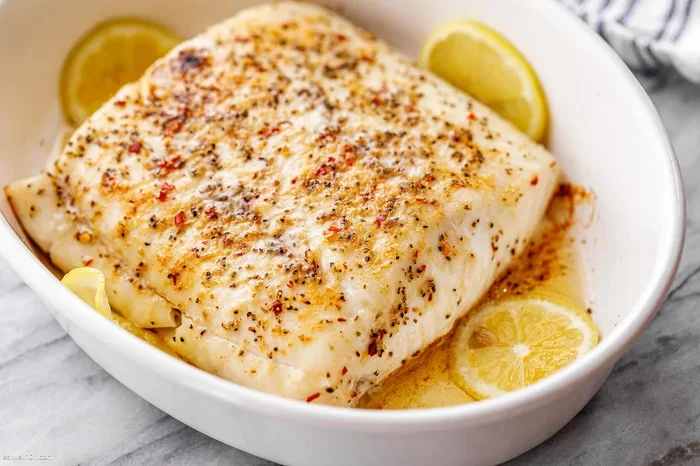
Brush the seasoning mixture lightly over the top and sides. You don’t need a lot. A thin layer is enough. Too much seasoning can overpower the delicate fish. For extra flavor, place thin lemon slices on top of the fillet before baking.
The Ultimate Halibut Oven Recipe at 350
Now that you know the timing and prep, here’s a foolproof recipe. This method works every time. It’s simple enough for a busy Tuesday and elegant enough for guests.
Ingredients You’ll Need
- 1 pound halibut fillet or steak, skin removed
- 1 tablespoon olive oil or melted butter
- 1 clove garlic, minced
- 1 tablespoon fresh lemon juice
- 1/2 teaspoon salt
- 1/4 teaspoon black pepper
- Fresh parsley or dill for garnish
- Parchment paper or aluminum foil
Baking Instructions
Preheat your oven to 350°F. While the oven heats, line a baking sheet with parchment paper. This prevents sticking and makes cleanup easy. Place the halibut on the prepared sheet. Drizzle the olive oil and lemon juice over the fish. Sprinkle the garlic, salt, and pepper evenly. Gently rub the seasoning into the surface with your fingers.
Slide the baking sheet into the preheated oven. Set a timer for 8 minutes if the fillet is thin. For thicker pieces, set it for 12 minutes. Do not open the oven door too often. Every time you open it, the temperature drops. This can extend the cooking time and dry out the fish. After the timer goes off, check the internal temperature. If it’s not at 145°F yet, return it to the oven for 1-2 more minutes.
Once the fish reaches 145°F, remove it from the oven. Let it rest on the baking sheet for 3 minutes. The temperature will continue to rise slightly. This resting period allows the juices to redistribute. The result is a moist, flaky fillet that falls apart at the touch of a fork.
Common Mistakes That Ruin Your Halibut
Even experienced cooks can make errors when baking fish. Knowing what to avoid saves your dinner from disaster. Here are the most common mistakes and how to fix them.
Overcooking the Fish
Overcooking is the number one enemy of halibut. The fish goes from perfectly done to dry and chalky in just two minutes. The cooking time I listed above is a guideline. Your oven may run hot or cold. Start checking a few minutes early. Use the internal temperature of 145°F as your guide. When in doubt, pull the fish out early. It will continue to cook on the hot pan.
Another sign of overcooking is a white, chalky protein called albumin. It oozes out when the fish is cooked too long. A little bit is normal. A lot of it means the fish is overdone. Don’t worry if you see some; it’s still safe to eat. But it affects the texture and appearance.
Skipping the Rest Time
Cutting into the halibut right after it comes out of the oven is tempting. Resist that urge. The fish needs a few minutes to rest. During baking, the juices move toward the center. Resting allows them to spread back through the fillet. If you cut too soon, the juices run out onto the plate. The fish ends up drier than it should be. Set a timer for 3 minutes. Use that time to prepare a quick side dish or sauce.
Using a Cold Pan
Never place raw halibut on a cold baking sheet. The fish will stick and cook unevenly. A hot pan helps sear the bottom slightly. It creates a nice texture contrast. Preheat your baking sheet in the oven while it heats up. Or, let the sheet come to room temperature before adding the fish. This small trick makes a big difference in the final result.
How to Tell When Halibut Is Done
Knowing the doneness of your halibut is a key kitchen skill. You don’t have to guess. There are clear signs that tell you the fish is ready. Use these methods together for the best results.
Visual Cues and Internal Temperature
The most reliable way to check is with an instant-read thermometer. Insert the probe into the thickest part of the fish. Angle it toward the center. Wait for the reading to stabilize. The temperature should be 145°F. At this point, the fish is opaque white throughout. It should not look translucent or shiny. If you see any raw, glassy areas, it needs more time.
Color is a good visual indicator. Freshly cooked halibut is a solid, pearly white. It should not be gray or dull. The flesh will also start to separate into flakes. You’ll see visible lines where the muscle fibers have cooked apart. This flaking is a natural sign of doneness.
The Flake Test
The flake test is the classic way to check fish. Gently press the top of the fillet with the back of a fork. If the fish resists and springs back, it needs more time. When it’s done, it will flake easily. The fork will slide through the flesh with little pressure. The fish will look like it’s falling apart in soft, tender pieces. This is the perfect moment to take it out of the oven.
Be careful not to press too hard. You don’t want to break the fillet apart before serving. A gentle touch is all you need. The flake test works best for fillets that are at least 3/4 inch thick. Thinner fillets may fall apart before you can test them. That’s why the thermometer method is more reliable for thin pieces.
Serving Suggestions and Flavor Boosters
Baked halibut is delicious on its own. But a simple sauce or side dish can turn it into a memorable meal. Here are some ideas to elevate your oven-baked halibut.
Best Sauces for Baked Halibut
A light sauce adds moisture and flavor. Choose something that complements the mild fish. Here are three quick options you can make while the halibut bakes:
- Lemon Butter Sauce: Melt 2 tablespoons of butter in a small pan. Squeeze in half a lemon. Add a pinch of salt and a sprinkle of fresh parsley. Drizzle over the fish just before serving.
- Garlic Aioli: Mix 1/4 cup of mayonnaise with a minced garlic clove and a teaspoon of lemon juice. This creamy sauce pairs perfectly with any baked white fish.
- Herb Yogurt: Combine 1/4 cup of plain Greek yogurt with chopped dill, chives, and a squeeze of lemon. It adds a cool, tangy contrast to the warm fish.
Spoon the sauce over the halibut right before you serve it. The residual heat of the fish will warm the sauce slightly. This keeps the flavors fresh and bright.
Pairing with Veggies and Grains
Halibut is a healthy, high-protein fish. Pair it with nutritious sides for a balanced dinner. Roasted vegetables are a natural choice. Asparagus, broccoli, and cherry tomatoes all roast well at 350°F. Toss them in olive oil, salt, and pepper. Spread them on a separate sheet pan. They’ll cook in the same oven while the halibut bakes. This saves time and cleanup.
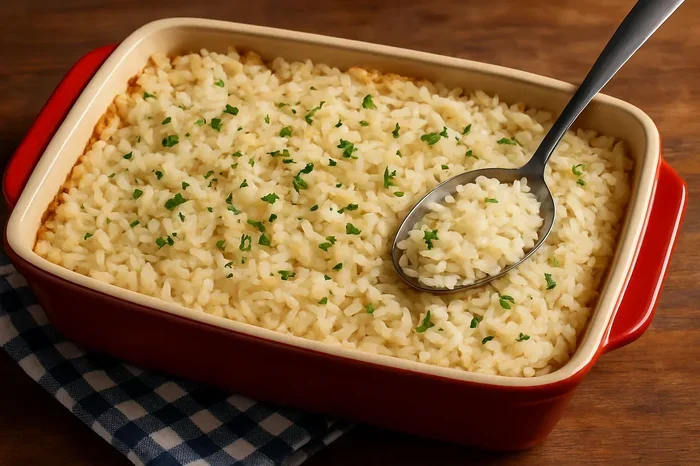
For a heartier meal, serve the halibut over a bed of grains. Quinoa, farro, or brown rice all work well. Cook the grains according to package directions. Fluff them with a fork and place the halibut on top. The grains absorb the fish juices and any sauce. This creates a complete, satisfying dish. A simple side salad with a lemon vinaigrette adds freshness and color to the plate.
Conclusion
Baking halibut at 350°F is one of the easiest and healthiest ways to prepare this wonderful fish. The key is knowing how long to cook halibut in oven at 350. Thinner fillets need 8-10 minutes. Thicker steaks take 12-18 minutes. Always use a thermometer to hit the target of 145°F. This ensures the fish is safe, moist, and full of flavor. Avoid the common pitfalls of overcooking and skipping the rest time. With a little practice, you’ll bake perfect halibut every single time. Try the recipe above tonight. You’ll be surprised how simple and delicious a homemade oven-baked halibut dinner can be.
Frequently Asked Questions
Can I cook halibut at 400°F instead of 350°F?
Yes, you can. Baking at 400°F will reduce the cooking time slightly. However, the higher heat increases the risk of drying out the fish. If you choose 400°F, check the internal temperature early. Thin fillets may only need 6-8 minutes. The 350°F method is more forgiving and produces a more even cook.
Should I cover halibut with foil when baking?
Covering is optional. Foil traps steam and keeps the fish very moist. It also prevents the top from browning. If you prefer a lightly crispy top, leave the foil off. Parchment paper is a great alternative. It prevents sticking without trapping as much steam. Both methods work well for oven-baked halibut.
What is the best way to thaw frozen halibut before baking?
The safest method is to thaw it in the refrigerator overnight. Place the frozen fish on a plate and let it sit in the fridge for 12-24 hours. If you’re short on time, you can thaw it under cold running water in a sealed plastic bag. Never use warm water or a microwave. Those methods can partially cook the edges and ruin the texture.
How do I prevent my halibut from sticking to the baking sheet?
Line the baking sheet with parchment paper or lightly grease it with oil. Parchment paper is the easiest solution. It creates a non-stick surface without adding extra fat. Make sure the oven is fully preheated before the pan goes in. A hot pan helps the bottom of the fish set quickly, reducing sticking.
Can I bake halibut with the skin on?
Yes, you can. The skin helps hold the fillet together during baking. It also adds a slight crispiness. If you prefer not to eat the skin, you can remove it before or after baking. To remove it easily, slide a sharp knife between the skin and the flesh at one corner. Grip the skin and pull it off in one smooth motion.
What sides go best with baked halibut at 350°F?
Baked halibut pairs well with roasted vegetables like asparagus or zucchini. A light grain such as quinoa or couscous is also excellent. For a low-carb option, serve it with a crisp green salad. The mild flavor of halibut complements almost any side dish. Keep the seasonings light so they don’t overpower the fish.