How Do Professional Oven Cleaners Clean Ovens Effectively
Professional oven cleaners use a mix of industrial-grade products, specialized tools, and proven techniques to remove baked-on grease and grime. They follow a systematic process that covers every part of the oven, from the interior walls to the racks and door seals. Learning how they do it can help you maintain a cleaner oven between professional visits.
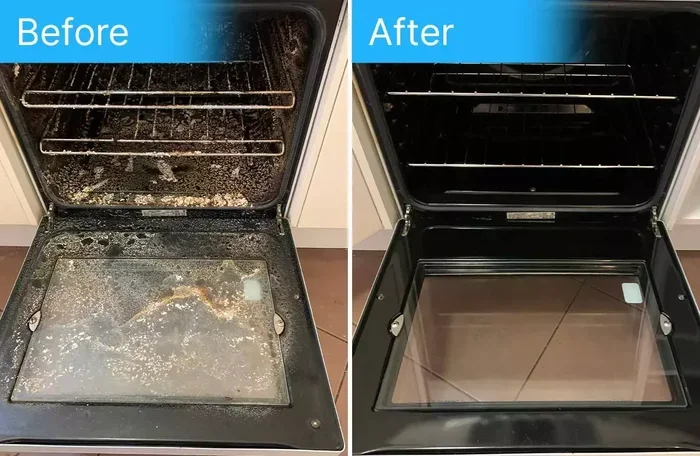
Have you ever opened your oven and felt your stomach drop? The baked-on grease. The charred food spots. The stubborn stains that just won’t budge no matter how hard you scrub. We’ve all been there. But here’s the thing — professional oven cleaners don’t struggle with this. They walk in, work their magic, and walk out with an oven that looks brand new. So how exactly do they do it? That’s what we’re going to break down today.
In this guide, we’ll walk you through the exact oven cleaning methods that professionals use. You’ll learn about the products they reach for, the tools they swear by, and the step-by-step process they follow. Whether you’re curious about commercial oven cleaning or just want to keep your oven in top shape, this article has you covered. Let’s dive in.
Key Takeaways
- Professionals start with a thorough inspection to assess the level of grime and choose the right approach.
- Industrial-strength degreasers and steam cleaning are their go-to methods for tough baked-on grease.
- Every part of the oven gets attention, including racks, door seals, and the oven floor.
- Eco-friendly and safe products are often preferred to protect your health and kitchen surfaces.
- Regular maintenance after a professional clean keeps your oven performing at its best.
- Hiring a pro saves time and effort, especially for heavily soiled ovens.
📑 Table of Contents
- What Professional Oven Cleaners Do First
- The Cleaning Products and Tools They Use
- Step-by-Step: How Professionals Clean an Oven
- Special Techniques for Tough Stains and Grease
- How to Maintain Your Oven After a Professional Clean
- Should You Hire a Professional or Clean Your Oven Yourself?
- Common Mistakes People Make When Cleaning Their Ovens
- Final Thoughts
What Professional Oven Cleaners Do First
Before a single spray bottle comes out, professionals start with a careful assessment. This first step is crucial. It sets the tone for the entire oven cleaning process. Here’s what happens during this initial phase.
Inspecting the Oven Interior
A cleaning professional will open up your oven and take a close look at every surface. They check for baked-on grease, carbon buildup, and any food residue that has been cooking on for months. They also look at the condition of the oven walls, the floor, and the ceiling inside the cavity.
This inspection helps them determine the level of grime. A lightly used oven needs a different approach than a heavily soiled one. They also check for any damage, like cracks or peeling enamel, which could affect how they proceed with oven interior cleaning.
Identifying the Oven Type
Not all ovens are the same. A self-cleaning oven has a different cleaning process than a standard gas or electric model. Professionals identify whether your oven has a self-cleaning cycle, a catalytic liner, or traditional surfaces. This matters because some oven cleaning products aren’t safe for certain types of ovens.
For example, using a harsh chemical cleaner inside a self-cleaning oven could damage the special coating. A trained professional knows this and adjusts their grease removal strategy accordingly. They also check if your oven has removable parts, like racks and trays, that need separate treatment.
Gathering the Right Tools
Once they know what they’re dealing with, cleaning professionals gather their supplies. This might include industrial-grade degreasers, steam cleaners, microfiber cloths, scrub brushes, and protective gloves. Having the right tools before they start ensures the job goes smoothly and efficiently.
The Cleaning Products and Tools They Use
One of the biggest differences between a DIY clean and a professional oven cleaning service is the quality of products used. Professionals have access to powerful, commercial-grade solutions that you won’t find on a supermarket shelf.
Industrial-Strength Degreasers
These are the heavy lifters of the oven cleaning world. A commercial oven degreaser is formulated to break down layers of baked-on fat and grease that regular household cleaners can’t touch. They work by chemically dissolving the grease bonds, making it easy to wipe everything away.
Many professionals use alkaline-based degreasers because they are highly effective against kitchen grease. These products are strong but, when used correctly, are safe for your oven’s surfaces. A trained cleaner knows exactly how long to let the degreaser sit and how to rinse it off properly.
Steam Cleaning Technology
Steam cleaning oven methods have become very popular among cleaning professionals. Steam uses high heat and moisture to loosen grime without harsh chemicals. This makes it a great option for eco-friendly oven cleaning and for households with pets or children.
The steam penetrates the baked-on residue and softens it. The cleaner then wipes it away with ease. Steam cleaning is especially effective for light to moderate oven grime. For heavy buildup, professionals might combine steam with a degreaser for the best results.
Specialized Tools and Equipment
Professionals don’t just use spray bottles and rags. They use specialized tools designed for deep oven upkeep. Here are some of the tools you might see a pro use:
- Steam cleaners — for chemical-free grease loosening.
- Microfiber cloths — for streak-free wiping and polishing.
- Soft-bristle brushes — for scrubbing without scratching surfaces.
- Plastic scrapers — for removing stubborn, flaking residue.
- Protective covers — to shield your kitchen from spills and drips.
- Heat-resistant gloves — for safe handling of hot surfaces and chemicals.
Step-by-Step: How Professionals Clean an Oven
Now let’s get into the actual process. Here is the step-by-step approach that most professional oven cleaners follow. Understanding this can help you appreciate the level of care they put into every job.
Step 1: Remove All Removable Parts
The first real action step is to take out everything that can be removed. This includes oven racks, trays, and any other detachable parts. These items are cleaned separately, often in a large sink or basin filled with hot water and degreaser. Soaking them loosens the grime and makes scrubbing much easier.
Step 2: Apply the Cleaning Solution
Next, the cleaner applies their chosen oven cleaning solution to the interior surfaces. They start from the top and work their way down. This ensures that any dripping solution gets wiped up as they go. The product is left to sit for a specific amount of time, usually between 10 and 30 minutes, depending on how heavy the grime is.
Step 3: Scrub and Agitate
After the solution has had time to work, the cleaner starts scrubbing. They use brushes and cloths to break up any remaining grease and food residue. For baked-on grease, they might apply extra product and let it sit a bit longer. The goal is to dissolve as much buildup as possible without harsh scrubbing that could damage the oven surfaces.
Step 4: Wipe Down and Rinse
Once the grime is lifted, the cleaner thoroughly wipes down all interior surfaces. They rinse with clean water or use a damp cloth to remove any cleaning product residue. This step is important because leftover chemicals can produce fumes or affect the taste of food cooked in the oven later.
Step 5: Clean the Oven Door and Seals
Professionals don’t forget the oven door. They clean both sides of the glass, the door frame, and the rubber seals. The seals are a common spot for hidden grease and food particles. If the seals are very dirty, they might use a small brush or a cotton swab to get into the grooves.
Step 6: Reassemble and Inspect
Finally, all the removable parts are put back in place. The cleaner does a final inspection to make sure every surface is clean and free of residue. They also check that the oven is dry before closing the door. A quick wipe-down of the exterior completes the job.
Special Techniques for Tough Stains and Grease
Sometimes, a regular cleaning just isn’t enough. Some ovens have layers of grease and carbon that have built up over years. Professional oven cleaners have advanced techniques to handle these tough situations.
Heat Activation Method
In this method, the cleaner applies a cleaning solution and then uses gentle heat to activate it. The heat helps the product penetrate deeper into the grease layer. This technique is especially useful for ovens that haven’t been cleaned in a long time. The warmth opens up the grease molecules and makes them easier to dissolve.
Enzyme-Based Cleaners
Some professionals use enzyme-based cleaning products for a more natural approach. These cleaners use enzymes that break down organic matter like food residue and grease. They are gentle, effective, and a great choice for safe oven cleaning in homes where chemical residues are a concern.
Repeated Application for Heavy Buildup
For extremely dirty ovens, a single cleaning session might not do the trick. Professionals may apply a cleaning solution multiple times, letting it sit and work between applications. This patient approach ensures that even the most stubborn baked-on grease is fully removed. It takes more time, but the results are worth it.
Odor Removal After Cleaning
A clean oven shouldn’t smell bad. After the main cleaning is done, professionals often address any lingering odors. They might use a baking soda solution or a natural deodorizer to neutralize smells. This step is part of thorough deep clean oven services and leaves the oven smelling fresh.
How to Maintain Your Oven After a Professional Clean
Getting your oven professionally cleaned is a great step. But the real secret to a long-lasting clean is regular oven maintenance. Here are some simple tips to keep your oven in great shape between professional visits.
- Wipe spills immediately. Don’t let food and grease sit in the oven. The longer it stays, the harder it becomes to remove.
- Use oven liners. Placing a liner on the oven floor catches drips and spills before they bake on. It’s one of the easiest oven upkeep habits you can build.
- Run your self-cleaning cycle (if you have one) every few months. This helps prevent heavy buildup between deeper cleans.
- Avoid using too much foil on the oven floor. It can block airflow and cause uneven heating.
- Schedule professional cleans every 3 to 6 months, depending on how often you cook.
- Keep the oven door seal clean by wiping it down regularly with a damp cloth.
Following these simple steps means your next professional cleaning will be quicker and easier. It also keeps your oven running efficiently, which can save energy and extend the life of your appliance.
Should You Hire a Professional or Clean Your Oven Yourself?
This is a question many homeowners ask. The answer depends on your situation, your budget, and how much time you have.
When to Hire a Professional
You should consider hiring a professional cleaning service if your oven is heavily soiled and you don’t want to spend hours scrubbing. If you have a self-cleaning oven that isn’t working properly, a professional can safely handle the cleaning without risking damage. Also, if you’re selling your home or preparing for a special event, a spotless oven makes a big difference.
Professionals also save you time and effort. A thorough deep clean oven session can take several hours if you do it yourself. A pro can often finish the job in one to two hours, depending on the oven’s condition.
When DIY Cleaning Makes Sense
If your oven is only lightly dirty, a DIY clean might be all you need. There are many effective oven cleaning products available for home use. Baking soda and vinegar make a great natural paste for light grease. Just be sure to follow safety guidelines and avoid mixing chemicals.
DIY cleaning is also a good option if you’re on a tight budget and have the time and patience to do the job properly. Just remember that regular maintenance will reduce the need for deep cleaning sessions, whether you do them yourself or hire a pro.
Common Mistakes People Make When Cleaning Their Ovens
Even with the best intentions, people often make mistakes that can damage their oven or reduce cleaning effectiveness. Here are a few to avoid:
- Using abrasive scrubbers — these can scratch and damage the oven’s interior coating.
- Leaving chemical residue — not rinsing properly can leave harmful fumes and affect food taste.
- Ignoring the door seal — dirty seals can cause heat loss and higher energy bills.
- Overusing the self-cleaning cycle — this uses extreme heat that can wear out oven components faster.
- Skipping regular maintenance — letting grease build up makes future cleaning much harder.
Avoiding these mistakes will help your oven stay clean and function well for years to come. And if you ever feel overwhelmed, remember that professional oven cleaners are just a phone call away.
Final Thoughts
Professional oven cleaners bring expertise, the right tools, and powerful products to every job. Their systematic approach ensures that every part of your oven gets the attention it needs. From the initial inspection to the final wipe-down, each step is designed to deliver the best possible results.
Whether you choose to hire a professional or clean your oven yourself, the key is consistency. Regular maintenance and timely cleaning keep your oven running efficiently and looking great. Now that you know how professional oven cleaners clean ovens effectively, you can make a more informed decision about your own oven cleaning routine.
Take what you’ve learned from this guide and put it into action. Your oven will thank you — and so will your sense of smell when you open it up next time you bake something delicious.
Frequently Asked Questions
How long does a professional oven cleaning take?
A standard professional oven cleaning session usually takes between one and three hours. The time depends on how dirty the oven is and what type of oven you have. Heavily soiled ovens or those with lots of removable parts may take a bit longer.
Is professional oven cleaning safe for all oven types?
Yes, experienced cleaning professionals know how to handle different oven types safely. They adjust their methods and products based on whether you have a self-cleaning oven, a gas oven, or an electric model. Always let the cleaner know about any special features your oven has.
How often should I get my oven professionally cleaned?
Most experts recommend a professional oven cleaning service every three to six months. If you cook frequently or use your oven a lot, you might benefit from more regular cleans. Regular cleaning also helps maintain your oven’s efficiency and extends its lifespan.
Can professional cleaners remove baked-on grease completely?
In most cases, yes. Professional oven cleaners use industrial-strength degreasers and specialized techniques that can remove even the most stubborn baked-on grease. For extremely heavy buildup, they may need to apply the cleaning solution multiple times for the best results.
Are the products used by professional oven cleaners safe?
Reputable cleaning professionals use products that are effective yet safe when applied correctly. Many now offer eco-friendly oven cleaning options that are free from harsh chemicals. Always ask your cleaner about the products they use if you have safety concerns.
What should I do to prepare my oven for a professional cleaning visit?
There’s not much you need to do. Remove any large food debris from the oven floor if you can. Make sure the oven is accessible and that the area around it is clear. The cleaning professional will handle everything else from there.
=== CONCLUSION ===
Professional oven cleaners know exactly how to tackle even the toughest oven grime. Their process combines the right products, the right tools, and a methodical approach that delivers outstanding results. From the initial inspection to the final polish, every step is designed to make your oven look and work like new.
Understanding how professional oven cleaners clean ovens effectively gives you the confidence to either tackle the job yourself or hire a pro with full knowledge of what’s involved. Either way, regular cleaning and maintenance are the keys to a long-lasting, high-performing oven. So take action today — your oven deserves it.