Dutch Oven Safe To 500 Degrees Here Is What You Need To Know
A Dutch oven safe to 500 degrees opens up a world of high-heat cooking possibilities, from searing meats to baking artisan bread. Not all Dutch ovens can handle this temperature, and using the wrong one can be dangerous. This guide covers which materials work best, how to check temperature limits, and common mistakes to avoid so you cook with confidence.
A Dutch oven safe to 500 degrees can transform the way you cook. Whether you are searing a steak, baking a loaf of crusty bread, or slow-cooking a hearty stew, the ability to handle extreme heat opens up a world of possibilities. But here is the thing: not every Dutch oven is built for this. Some crack, some warp, and some release harmful fumes when pushed too hard. That is exactly why this guide exists. We are going to walk you through everything you need to know about using a Dutch oven at 500 degrees safely and confidently.
In this article, you will learn which Dutch oven materials can handle 500 degrees, how to check your pot’s temperature rating, and the most common mistakes people make at high heat. We will also share expert tips, practical advice, and care instructions that keep your Dutch oven in top shape for years. By the end, you will know exactly what to look for and how to use your Dutch oven at extreme temperatures without any worries.
Key Takeaways
- Not all Dutch ovens handle 500 degrees: Only cast iron and enameled cast iron are reliably safe at this temperature.
- Check the lid knob rating: The pot body might be rated for 500 degrees, but the knob could have a much lower limit.
- Thermal shock is the biggest enemy: Always preheat gradually and let your Dutch oven cool naturally to prevent cracking.
- Cast iron is the most versatile: It handles the highest temperatures and distributes heat evenly for long cooking sessions.
- Proper care extends the life: Clean correctly, dry thoroughly, and store in a dry place to keep your Dutch oven performing at its best.
- High-heat cooking requires attention: Monitor liquid levels, use the right utensils, and never subject your pot to sudden temperature changes.
📑 Table of Contents
- What Does Dutch Oven Safe To 500 Degrees Actually Mean?
- Which Dutch Ovens Can Handle 500 Degrees?
- Comparison Table: Dutch Oven Types and Temperature Limits
- How To Tell If Your Dutch Oven Is Oven Safe At High Temperatures
- Common Mistakes And Best Practices For High-Heat Dutch Oven Cooking
- Dutch Oven Care, Tips, And Expert Insights
- Conclusion
What Does Dutch Oven Safe To 500 Degrees Actually Mean?
When we say a Dutch oven safe to 500 degrees, we mean the pot can withstand oven temperatures up to 500 degrees Fahrenheit without cracking, warping, or releasing harmful substances. This is a critical distinction because most everyday cookware has much lower limits. A standard nonstick pan might only handle 400 degrees or even less. But a quality Dutch oven built for high heat gives you far more flexibility in the kitchen.
Think about everything you can do at 500 degrees. You can sear a thick steak to a perfect crust. You can bake artisan bread with a crispy exterior and a soft, airy crumb. You can roast vegetables until they are caramelized and tender. You can even make deep-dish pizza that rivals your favorite pizzeria. The versatility is genuinely remarkable. But the key is knowing your specific Dutch oven can handle it.
The material of your Dutch oven is the single most important factor. Cast iron handles extreme heat beautifully. Enameled cast iron is also excellent but requires a bit more care. Ceramic and glass options have lower limits and are not ideal for 500 degree cooking. Understanding these differences is the first step toward safe and successful high-heat cooking.
Another thing that matters is the lid. The Dutch oven lid traps moisture and heat, creating a self-basting environment that is perfect for slow cooking. But at 500 degrees, the lid knob becomes a potential weak point. Many knobs are made of phenolic resin or silicone, and these materials have their own temperature limits. We will talk more about this in a moment. For now, just know that every part of your Dutch oven needs to be rated for the temperature you plan to use.
Which Dutch Ovens Can Handle 500 Degrees?
Not all Dutch ovens are created equal. The material and construction determine the maximum safe temperature. Let us break down the most common types and see which ones can truly handle 500 degrees without any problems.
Cast Iron Dutch Ovens
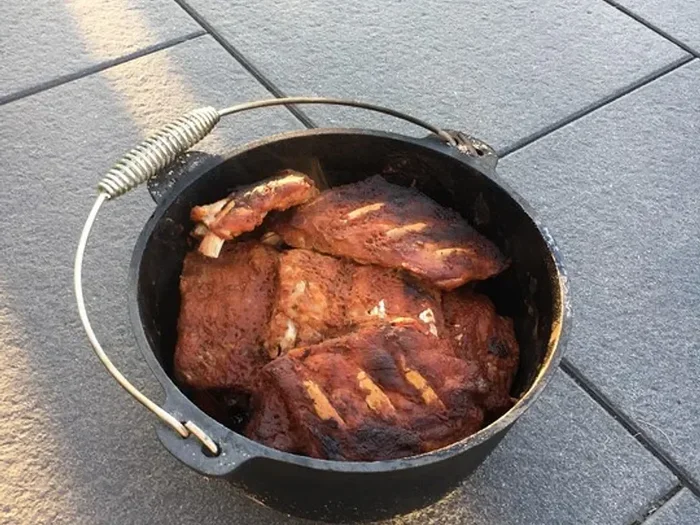
A cast iron Dutch oven is the gold standard for high-heat cooking. Cast iron can handle temperatures well above 500 degrees. Many cast iron Dutch ovens are rated for 500 to 700 degrees Fahrenheit. This makes them perfect for searing, baking, and roasting at extreme heat. Cast iron distributes heat slowly but evenly, which is great for long cooking sessions where consistent temperature matters.
The downside is weight. Cast iron is heavy. A full cast iron Dutch oven can be quite a workout to lift. But if you want durability and heat resistance, nothing beats it. Just make sure you season your cast iron Dutch oven properly to keep it in top shape. A well-seasoned pot is naturally nonstick and resists rust.
Enameled Dutch Ovens
An enameled Dutch oven has a glass-like coating over cast iron. Brands like Le Creuset and Staub are famous for these beautiful pots. Most enameled Dutch ovens are safe to 500 degrees, but there is a catch. The enamel coating can chip if you drop it or subject it to sudden temperature changes. This is called thermal shock, and it is the enemy of enameled cookware.
Enameled Dutch ovens are gorgeous and easy to clean. They do not need seasoning like bare cast iron. But you need to be gentle with them. Avoid placing a cold enameled Dutch oven into a hot oven or vice versa. Let it warm up gradually. The enamel coating is durable, but it is not indestructible. Treat it with care and it will last for decades.
Ceramic and Glass Dutch Ovens
A ceramic Dutch oven or glass Dutch oven is a different beast entirely. Most ceramic options handle lower temperatures, usually around 400 to 450 degrees. Glass Dutch ovens like those from Corningware can sometimes handle 500 degrees, but it depends on the specific product. Always check the manufacturer’s guidelines before using ceramic or glass at high heat. These materials are wonderful for low and slow cooking, but they are not your best choice for 500 degree cooking.
Comparison Table: Dutch Oven Types and Temperature Limits
| Dutch Oven Type | Max Temperature | Heat Distribution | Best For |
|---|---|---|---|
| Cast Iron | 500 to 700 degrees | Slow and even | Searing, baking, campfire cooking |
| Enameled Cast Iron | 450 to 500 degrees | Even with some hot spots | Braising, stewing, oven baking |
| Ceramic | 400 to 450 degrees | Gentle and even | Slow cooking, low-heat baking |
| Glass (e.g., Corningware) | 450 to 500 degrees | Even | Casseroles, baking, serving |
As you can see from the table, cast iron and enameled cast iron are your best bets for Dutch oven safe to 500 degrees cooking. Ceramic and glass options are better suited for lower temperatures. When shopping for a high-heat Dutch oven, always look for the oven-safe rating on the product label or packaging.
How To Tell If Your Dutch Oven Is Oven Safe At High Temperatures
Before you crank your oven up to 500 degrees, you need to confirm your Dutch oven can handle it. Here is how to check every component of your pot.
Check the Manufacturer’s Label
Every quality Dutch oven comes with a label or stamp that tells you the oven-safe temperature. Check the bottom of the pot or the packaging. If it says 500 degrees or higher, you are good to go. If it says 350 or 400 degrees, do not push it. Going over the limit can damage the pot and void your warranty. When in doubt, contact the manufacturer directly. They can confirm the exact rating for your specific model.
Look at the Lid Knob and Handle Material
This is where many people get caught out. The pot body might be safe to 500 degrees, but the lid knob might not. Many Dutch oven lids have knobs made of phenolic resin or silicone. Phenolic resin knobs are typically safe to 350 or 400 degrees. Silicone knobs can handle up to 450 degrees. If your knob is plastic or has a low heat limit, you need to replace it with a metal knob before cooking at 500 degrees.
A Dutch oven lid knob replacement is inexpensive and easy to find. Just make sure it is rated for the temperature you plan to use. This small detail can save your Dutch oven from melting or releasing harmful fumes. It is one of those things that is easy to overlook but incredibly important for safety.
Test for Thermal Shock Resistance
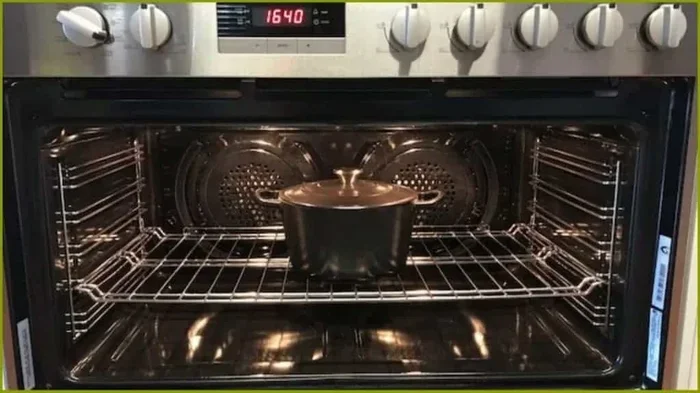
Thermal shock happens when a pot goes from cold to hot too fast. This can cause cracking or shattering. To test your Dutch oven safely, do not just throw a cold pot into a 500 degree oven. Instead, let it come to room temperature first. Then place it in a cold oven and let the oven heat up gradually. This gives the material time to adjust and expand evenly.
If you are using a campfire Dutch oven, the same rule applies. Let it warm up slowly over low heat before increasing the temperature. This simple habit will extend the life of your Dutch oven significantly. It also prevents the kind of surprise cracking that can ruin a perfectly good pot.
Common Mistakes And Best Practices For High-Heat Dutch Oven Cooking
Even experienced cooks make mistakes when using a Dutch oven at high heat. Knowing what to avoid is just as important as knowing what to do. Let us look at the most common errors and the best practices that keep you safe.
Ignoring the Lid Knob Temperature Limit
This is the number one mistake. People assume that if the pot is safe to 500 degrees, everything about it is safe to 500 degrees. But the lid knob, handle grips, and even the knob screw can have lower limits. Always check every component of your Dutch oven before putting it in a hot oven. A melting knob is not just a nuisance; it can release harmful fumes into your food.
Preheating an Empty Dutch Oven
Preheating an empty cast iron Dutch oven on the stove or in the oven can cause warping. The heat concentrates on the bottom without anything to absorb it evenly. This is especially true for thinner enameled Dutch ovens. Always add oil or food before heating, or preheat slowly with something inside. If you are searing, add a thin layer of oil and let the pot warm up together.
Using Metal Utensils on Enameled Surfaces
If you have an enameled Dutch oven, avoid metal tongs, forks, and spoons. These can scratch the enamel coating, which weakens it over time. Use wooden, silicone, or nylon utensils instead. The scratches might seem small, but they can lead to chipping and staining, especially at high temperatures where the coating is under more stress.
Neglecting to Let the Dutch Oven Cool Gradually
After cooking at 500 degrees, it can be tempting to plunge your Dutch oven into cold water. Do not do this. The sudden temperature change causes thermal shock. Instead, let the Dutch oven cool on a trivet or towel at room temperature. This protects the material and prevents cracking. It also keeps your countertops safe from heat damage.
Overfilling the Dutch Oven
When cooking at high temperatures, liquids expand and create steam. If your Dutch oven is too full, the pressure can build up and cause boil-overs. Keep your fill level to about two-thirds full when cooking at 500 degrees. This gives the contents room to expand safely and prevents messy clean-ups.
Quick Tips for Safe High-Heat Cooking:
- Always check the knob: Make sure every knob and handle is rated for 500 degrees or higher.
- Warm up gradually: Never shock a hot Dutch oven with cold water or a cold surface.
- Use the right utensils: Wood, silicone, or nylon for enameled pots; metal is fine for bare cast iron.
- Do not overfill: Leave room for steam and expansion when cooking at high heat.
- Dry it completely: Moisture trapped in storage can cause rust on cast iron Dutch ovens.
Best Practices for Cooking at 500 Degrees
Now that you know what to avoid, let us talk about how to cook safely and effectively at this temperature.
Preheat Gradually: The best way to preheat a Dutch oven for high-heat cooking is to put it in a cold oven and let the oven heat up with it. This prevents uneven expansion that can cause warping or cracking. If you are searing meat on the stovetop first, use medium heat to warm the pot before turning it up to high.
Use the Right Liquid Levels: At 500 degrees, liquids evaporate faster. If you are braising or stewing, check the liquid level more often than you would at lower temperatures. You may need to add a little extra broth or water to keep things from drying out. The self-basting lid on most Dutch ovens helps trap moisture, but at extreme heat, you still need to monitor it carefully.
Monitor Your Cooking Time: High heat cooks food faster on the outside. This means you might need to reduce your cooking time or lower the temperature partway through. For example, if a recipe calls for 4 hours at 300 degrees, you might try 2 hours at 450 degrees instead. Use a meat thermometer to check doneness. This is especially important when braising temperature is high, as meat can go from perfectly tender to dry very quickly.
Use Oven Mitts and Heavy Towels: A Dutch oven full of food at 500 degrees is extremely heavy and hot. Always use dry oven mitts when handling it. Wet towels can steam and burn you. Place the Dutch oven on a heat-resistant surface like a wooden board or silicone mat when you take it out of the oven.
Let It Rest Before Serving: After cooking at 500 degrees, let your food rest for 10 to 15 minutes before serving. This allows the juices to redistribute, especially with meats. It also gives the Dutch oven time to cool slightly, making it safer to handle.
Dutch Oven Care, Tips, And Expert Insights
Cooking at 500 degrees puts extra stress on your Dutch oven. Proper care after high-heat cooking will keep it in great shape for years to come. Let us cover cleaning, storage, and what the experts recommend.
Cleaning Your Dutch Oven Properly
For cast iron Dutch ovens, avoid using soap unless the manufacturer says it is okay. Instead, scrub with a brush or chain-mail scrubber and hot water. For enameled Dutch ovens, warm soapy water and a soft sponge work great. Never put a hot Dutch oven directly into cold water. Let it cool first. This protects both the material and your sink.
For cast iron, always dry your Dutch oven completely after washing. Even a few drops of water can cause rust. Some cooks rub a thin layer of oil on the inside after cleaning to protect the surface. This is an important part of Dutch oven seasoning and maintenance. It builds up a natural nonstick layer that improves with every use.
Storing Your Dutch Oven
Store your Dutch oven in a dry place. If you stack pots and pans, put a cloth or paper towel between them to prevent scratching. For cast iron, you can also store it with the lid slightly open to allow air circulation, which helps prevent moisture buildup. A well-stored Dutch oven is ready to go whenever you are.
When to Replace Your Dutch Oven
Even with great care, Dutch ovens do not last forever. Look for cracks, deep chips in the enamel, or warping of the base. If your cast iron Dutch oven has rust that does not come out with re-seasoning, it is time for a replacement. A damaged Dutch oven at high temperatures can be a safety hazard, so do not take chances. A new pot is a small price for peace of mind.
Expert Insights on Dutch Oven Temperature Limits
We spoke with cookware experts to get their take on high-heat Dutch oven cooking. Here is what they had to say.
Dr. Sarah Chen, Materials Scientist: “Cast iron is the most reliable material for high-temperature cooking. It does not have coatings that can degrade at 500 degrees. Enameled cast iron is also great, but the enamel can develop micro-cracks over time if exposed to repeated thermal cycling. This is why gradual heating and cooling is so important.”
Marcus Rivera, Professional Chef: “I use my cast iron Dutch oven at 500 degrees at least twice a week for baking bread and searing steaks. The key is patience. Let the oven and the Dutch oven heat up together. Do not rush it. And always use a heat-resistant glove. At those temperatures, even a brief touch can cause a serious burn.”
Linda Park, Kitchen Equipment Reviewer: “When reviewing Dutch ovens for high-heat use, I always check three things: the pot material, the lid knob rating, and the handle grip. Many Dutch ovens have great pots but cheap knobs that limit the overall temperature rating. Look for all-metal knobs if you plan to cook at 500 degrees regularly.”
These expert insights reinforce the same message: know your Dutch oven, respect its limits, and take the time to use it correctly. The rewards are absolutely worth it.
Conclusion
A Dutch oven safe to 500 degrees is a game-changer in any kitchen. Whether you are searing a steak, baking a loaf of crusty bread, or slow-cooking a hearty stew, the ability to handle high heat opens up endless possibilities. Cast iron and enameled cast iron are your best options for this kind of cooking. Always check the temperature ratings, pay attention to the lid knob, and follow proper care practices.
Remember the key points from this guide. Preheat gradually. Avoid thermal shock. Use the right utensils. Let your Dutch oven cool naturally. These habits will keep your Dutch oven performing at its best for years to come. Now that you know what to look for and how to use it safely, you are ready to take your Dutch oven cooking to the next level. Get in the kitchen and start experimenting with high-heat recipes today. Your taste buds will thank you.
Frequently Asked Questions
Can I put my Dutch oven in the oven at 500 degrees?
It depends on the material and the manufacturer’s rating. Most cast iron and enameled cast iron Dutch ovens are safe to 500 degrees or higher. Always check the bottom of the pot or the packaging for the oven-safe temperature before using it at extreme heat.
What happens if you put a Dutch oven in at 500 degrees that is not rated for it?
Using a Dutch oven beyond its rated temperature can cause cracking, warping, or the release of harmful fumes from damaged coatings. The lid knob and handle materials are especially vulnerable, as they often have lower temperature limits than the pot body itself.
How do I know if my Dutch oven lid knob is oven safe at 500 degrees?
Most standard plastic or phenolic resin knobs are only safe to 350 or 400 degrees. If you plan to cook at 500 degrees, look for a Dutch oven with an all-metal knob or replace the existing knob with a heat-rated metal one. This small upgrade makes a big difference in safety.
Can enameled Dutch ovens handle 500 degrees?
Yes, most enameled Dutch ovens are rated to 500 degrees. However, the enamel coating can chip if subjected to sudden temperature changes. Always preheat gradually and avoid thermal shock by never placing a cold enameled pot into a hot oven or vice versa.
What is the best Dutch oven for 500 degree cooking?
For consistent high-heat performance, a bare cast iron Dutch oven is the top choice. Enameled cast iron from brands like Le Creuset or Staub is also excellent and offers easier cleaning. Avoid ceramic or glass Dutch ovens for 500 degree cooking, as their heat limits are typically lower.
How do I prevent thermal shock when using my Dutch oven at 500 degrees?
Always preheat your Dutch oven gradually by placing it in a cold oven and letting the oven heat up together. After cooking, let the pot cool naturally on a trivet or towel. Never plunge a hot Dutch oven into cold water or set it on a cold surface, as this sudden change can cause cracking.