What Temperature Should The Oven Be To Cook Chicken
Getting the right oven temperature is the single most important step when you want to bake chicken properly. The ideal what temperature should the oven be to cook chicken depends on the cut you are preparing and how crispy or tender you want the result. Most chicken pieces do best at 400 to 425 degrees Fahrenheit, which delivers a crispy exterior while keeping the inside moist and safe to eat. Using a food thermometer and letting the chicken rest after baking are two simple habits that will transform your results every single time.
Baking chicken in the oven is one of the easiest and most satisfying ways to prepare a meal. But here is the thing that trips up so many home cooks: what temperature should the oven be to cook chicken is not always a simple one-size-fits-all answer. The right heat depends on what cut you are using, how thick the pieces are, and what kind of texture you are going for.
If you have ever opened your oven to find dry, overcooked chicken or pale, undercooked pieces, you know how frustrating it can be. The good news is that nailing the right oven temperature is easier than you think. With a little know-how and a few simple tools, you can bake crispy, juicy chicken every single time. This guide walks you through everything you need to know, from the best heat settings to the most common mistakes people make.
Whether you are cooking chicken breasts, thighs, drumsticks, or a whole bird, the temperature you choose makes all the difference. Let us break it all down so you can feel confident the next time you preheat your oven and get ready to bake.
Key Takeaways
- 400 to 425 degrees Fahrenheit is the sweet spot for most chicken cuts, giving you crispy skin and juicy meat.
- Always use a food thermometer to check that the internal temperature reaches 165 degrees Fahrenheit for safe eating.
- Different chicken cuts need different temperatures and times, so knowing your specific cut matters a lot.
- Preheating the oven is essential for even cooking and getting that perfect golden crust.
- Let chicken rest for 5 to 10 minutes after baking to lock in juices and keep it moist.
- Avoid overcooking by setting timers and checking early, since dry chicken is the most common baking mistake.
- Brining or marinating beforehand adds flavor and helps keep the meat tender throughout the bake.
📑 Table of Contents
What Temperature Should The Oven Be To Cook Chicken
The most widely recommended oven temperature for chicken falls between 400 and 425 degrees Fahrenheit. This range works beautifully for nearly every type of chicken cut. At this heat, the outside gets golden and crispy while the inside stays moist and tender.
Here is why this temperature range works so well:
- It cooks chicken fast enough to prevent the meat from drying out.
- The high heat crisps up the skin beautifully, especially on thighs and drumsticks.
- It creates a good sear on chicken breast pieces without burning them.
- The inside reaches the safe 165 degrees Fahrenheit before the outside becomes overcooked.
If you are baking bone-in chicken pieces, 425 degrees Fahrenheit is your best bet. The higher heat helps render the fat under the skin and gives you that satisfying crunch. For boneless chicken breast, 400 degrees Fahrenheit is ideal because the meat cooks more evenly and stays juicy.
Why Temperature Control Matters So Much
Cooking chicken at the wrong temperature can lead to two big problems. Too low and the chicken takes forever to cook, which means the moisture escapes and you end up with dry meat. Too high and the outside burns before the inside reaches a safe temperature.
Think of it like this: oven temperature is the steering wheel of your cooking process. Get it right and everything flows smoothly. Get it wrong and the whole dish suffers. This is why knowing the correct heat setting is the foundation of great oven-baked chicken.
Expert Insight: Professional chefs often start chicken at a higher temperature for the first 10 to 15 minutes, then lower it slightly. This technique gives you a crispy exterior and a perfectly cooked interior. Try it next time and you will notice the difference immediately.
Best Temperatures for Different Chicken Cuts
Not all chicken cuts are the same, and neither should their baking temperatures be. Different pieces have different thicknesses, fat content, and bone structures. Adjusting your oven heat based on the cut you are preparing is one of the easiest ways to level up your cooking.
Chicken Breast Oven Settings
Chicken breast is lean and can dry out quickly if you are not careful. The best oven temperature for chicken breast is 400 degrees Fahrenheit. At this heat, the breast cooks through in about 20 to 25 minutes without losing too much moisture.
Here are a few tips for perfect baked chicken breast:
- Pound the breasts to even thickness so they cook uniformly.
- Brine the chicken for 30 minutes before baking to add moisture.
- Use a meat thermometer and pull the chicken out at 160 degrees Fahrenheit. It will continue cooking as it rests.
- Let it rest for 5 minutes before cutting to lock in the juices.
Chicken Thighs and Drumsticks Temperature
Chicken thighs and drumsticks have more fat and connective tissue, which makes them more forgiving during cooking. These cuts shine at 425 degrees Fahrenheit. The higher heat melts the fat and crisps the skin to perfection.
Drumsticks oven baking takes about 35 to 40 minutes at this temperature. Chicken thighs need a similar amount of time, though bone-in thighs may need an extra 5 to 10 minutes.
Quick tips for crispy chicken thighs and drumsticks:
- Pat the skin dry before seasoning. Dry skin crisps up much better.
- Place the pieces skin-side up on the baking sheet.
- Do not overcrowd the pan. Leave space between pieces for air to circulate.
- Flip the pieces halfway through for even browning on both sides.
Whole Chicken Baking Temperature
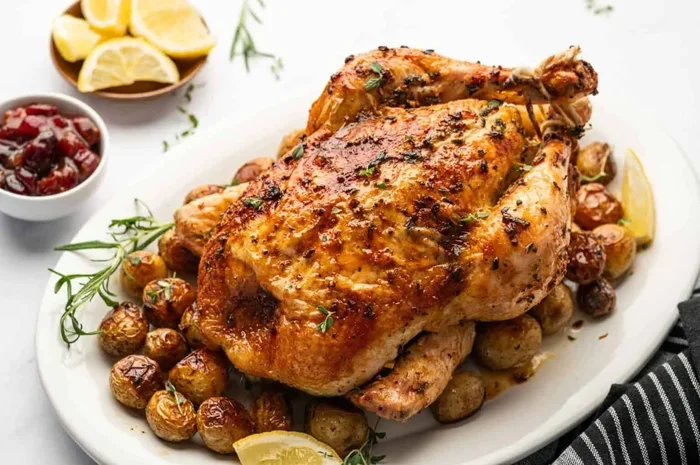
Cooking a whole chicken is a different beast entirely. The best temperature for a whole chicken is 425 degrees Fahrenheit. This high heat helps crisp the skin all over while the thickest parts of the bird cook through.
A whole chicken typically takes about 1 hour and 15 minutes to 1 hour and 30 minutes at 425 degrees Fahrenheit, depending on the size. The internal temperature of a whole chicken should reach 165 degrees Fahrenheit in the thickest part of the thigh, away from the bone.
Comparison Table: Chicken Cuts, Temperatures, and Times
| Chicken Cut | Oven Temperature | Cooking Time | Internal Temp Target |
|---|---|---|---|
| Boneless Chicken Breast | 400 degrees F | 20 to 25 minutes | 165 degrees F |
| Bone-in Chicken Breast | 400 degrees F | 25 to 30 minutes | 165 degrees F |
| Chicken Thighs (bone-in) | 425 degrees F | 35 to 40 minutes | 165 degrees F |
| Chicken Drumsticks | 425 degrees F | 35 to 40 minutes | 165 degrees F |
| Chicken Wings | 425 degrees F | 25 to 30 minutes | 165 degrees F |
| Whole Chicken | 425 degrees F | 1 hour 15 min to 1 hour 30 min | 165 degrees F |
How to Tell When Chicken Is Fully Cooked
Knowing the right oven temperature for chicken is only half the battle. You also need to know when the chicken is actually done. Undercooked chicken is a food safety risk, and overcooked chicken is just plain disappointing.
Use a Food Thermometer
The single best tool for checking chicken doneness is a food thermometer. Insert it into the thickest part of the meat, avoiding bone and gristle. When the reading hits 165 degrees Fahrenheit, your chicken is safe to eat.
Here is why this matters so much:
- The USDA safe chicken temperature is 165 degrees Fahrenheit for all cuts.
- A food thermometer takes the guesswork out and removes all doubt.
- It prevents overcooking because you can pull the chicken out the moment it hits the target.
- Digital instant-read thermometers give you results in seconds and are well worth the investment.
Quick Tip: Keep a small bowl of water next to your cutting board. After testing the chicken with a thermometer, dip the probe in the water to clean it before storing it. This keeps your tool accurate and hygienic.
Visual and Touch Signs of Doneness
While a thermometer is the most reliable method, there are other signs that can help you judge chicken cooking doneness:
- The juices should run clear, not pink, when you pierce the thickest part.
- The meat should feel firm but still springy when you press it.
- The skin should be golden brown and look crispy all over.
- The chicken should pull away slightly from the bone on bone-in pieces.
However, these visual cues are not as reliable as a thermometer. Color can be misleading, especially with bone-in chicken where the meat near the bone can look slightly pink even when fully cooked. Always trust the thermometer over your eyes.
Common Mistakes to Avoid When Baking Chicken
Even experienced home cooks make mistakes when baking chicken. Learning from these common errors will save you a lot of frustration and help you serve better oven-baked chicken every time.
Skipping the Preheating Step
One of the biggest mistakes people make is putting chicken into a cold oven. Preheating the oven is not optional. When the oven is not hot enough when the chicken goes in, the meat cooks unevenly and the skin does not crisp up properly.
Always give your oven at least 10 to 15 minutes to reach the target temperature before the chicken goes in. This small habit makes a surprisingly big difference in your results.
Overcooking the Chicken
Overcooking is the number one enemy of juicy chicken. Because chicken continues to cook after you take it out of the oven (called carryover cooking), pulling it off a few degrees early is the smartest move you can make.
Signs of overcooked chicken include:
- Dry, stringy texture that is hard to chew.
- Burnt or overly dark skin while the inside is still dry.
- Loss of juice when you cut into the meat.
- A rubbery feel when you press the chicken.
To avoid this, set a timer and check the temperature early. It is always better to pull the chicken out a little early and let it rest than to leave it in too long.
Not Letting the Chicken Rest
Another mistake people make is cutting into the chicken right after it comes out of the oven. Resting the chicken for 5 to 10 minutes allows the juices to redistribute throughout the meat. If you cut too soon, all those juices run out onto the cutting board instead of staying in the chicken.
Overcrowding the Baking Sheet
When pieces are too close together, the steam gets trapped and the chicken steams instead of roasting. This means no crispy skin and uneven cooking. Give each piece plenty of space on the pan for the best crispy chicken results.
Expert Tips for Juicy and Crispy Results
Now that you know the right temperatures and common mistakes to avoid, here are some expert-level tips that will take your baked chicken to the next level.
Brining and Seasoning Tips
Brining is the process of soaking chicken in a saltwater solution before cooking. It sounds fancy, but it is incredibly simple and effective. Even a quick 30-minute brine makes a noticeable difference in how moist and flavorful your chicken turns out.
Here is a simple brine you can try at home:
- Dissolve 1/4 cup of salt in 4 cups of warm water.
- Add any seasonings you like, such as garlic, pepper, or herbs.
- Submerge the chicken and refrigerate for 30 minutes to 2 hours.
- Pat the chicken dry before seasoning and baking.
For even simpler results, just season the chicken generously with salt, pepper, olive oil, and your favorite herbs before it goes into the oven. Salt is the secret weapon that draws out moisture and then reabsorbs it, keeping the meat tender.
Resting the Chicken After Cooking
Resting is not just waiting. It is an active part of the cooking process. During resting, the temperature inside the chicken equalizes and the muscle fibers relax, which means the juices spread evenly throughout the meat.
Follow these simple resting rules:
- Let chicken pieces rest for 5 minutes before serving.
- Let a whole chicken rest for 10 to 15 minutes before carving.
- Tent the chicken loosely with foil to keep it warm without steaming the skin.
- Do not skip this step, even if you are hungry. The wait is worth it.
Expert Insight: Many professional cooks rest their chicken on a warm cutting board rather than a cold plate. This keeps the bottom of the chicken from getting soggy while it rests. A simple wooden board works perfectly for this.
The Role of Pan Selection and Rack Position
What you bake your chicken on matters more than most people realize. A wire rack set over a baking sheet allows air to circulate all around the chicken, which means crispier skin on every side. If you do not have a rack, a rimmed baking sheet works fine, but flip the pieces halfway through for even browning.
For whole chicken baking, place the bird breast-side up on a rack in a roasting pan. This position lets the heat circulate around the breast while the fat drips down and bastes the thighs and legs naturally.
Quick Reference Guide for Chicken Cooking Times
Having a quick reference guide makes it so much easier to plan your meals. Here is a handy summary of the key chicken cooking temperature and time combinations you need to remember:
- Boneless chicken breast at 400 degrees F takes about 20 to 25 minutes.
- Bone-in chicken breast at 400 degrees F takes about 25 to 30 minutes.
- Chicken thighs at 425 degrees F take about 35 to 40 minutes.
- Chicken drumsticks at 425 degrees F take about 35 to 40 minutes.
- Chicken wings at 425 degrees F take about 25 to 30 minutes.
- A whole chicken at 425 degrees F takes about 1 hour 15 minutes to 1 hour 30 minutes.
Remember that these times are guidelines. The actual cooking time depends on the size of the pieces, your specific oven, and how cold the chicken was when it went in. Always use a food thermometer to confirm doneness rather than relying solely on the clock.
Quick Tip: If you are baking frozen chicken, add about 50 percent more cooking time and check the internal temperature frequently. Never cook frozen chicken at a low temperature for a long time, as this creates a risk zone for bacteria growth.
The Importance of the USDA Chicken Temperature Standard
The USDA chicken temperature standard of 165 degrees Fahrenheit is not just a suggestion. It is a food safety guideline based on extensive research. At this temperature, harmful bacteria like Salmonella are destroyed quickly, making the chicken safe to eat.
Some people argue that chicken can be safely eaten at slightly lower temperatures if held for a longer time, but for home cooking, sticking with 165 degrees Fahrenheit is the simplest and safest approach. When in doubt, cook a little longer rather than a little shorter.
Oven-baked chicken is a staple in kitchens around the world for good reason. It is simple, versatile, and delicious when done right. By paying attention to what temperature should the oven be to cook chicken and following the tips in this guide, you will serve chicken that is juicy, flavorful, and perfectly cooked every time you step into the kitchen.
Start with the right heat, use a thermometer, let the chicken rest, and never underestimate the power of a good seasoning. These small habits add up to big improvements in your cooking. Your family and dinner guests will notice the difference, and you will feel more confident every time you turn on that oven.
The beauty of baking chicken is that once you understand the basics, you can get creative. Try different marinades, spice rubs, and cooking times until you find your personal favorite. The right chicken cooking temperature gives you a solid foundation, and from there, the possibilities are endless.
Frequently Asked Questions
What is the best oven temperature for cooking chicken breast?
The best oven temperature for chicken breast is 400 degrees Fahrenheit. This heat cooks the breast evenly and keeps it juicy without drying it out. Always use a thermometer and pull the chicken out when it reaches 160 degrees Fahrenheit, as it will continue cooking while resting.
Can I cook chicken at 350 degrees Fahrenheit instead of 400?
Yes, you can cook chicken at 350 degrees Fahrenheit, but it will take longer and the skin may not get as crispy. The lower temperature is fine for bone-in pieces and whole chickens if you are not in a hurry. For the best results with oven-baked chicken, 400 to 425 degrees Fahrenheit is recommended.
How long does it take to bake chicken at 400 degrees Fahrenheit?
Baking time depends on the cut. Boneless chicken breast takes about 20 to 25 minutes, thighs and drumsticks take 35 to 40 minutes, and a whole chicken takes about 1 hour and 15 minutes. Always check the internal temperature with a food thermometer to confirm doneness.
Is it safe to eat chicken at 160 degrees Fahrenheit?
The USDA recommends cooking chicken to an internal temperature of 165 degrees Fahrenheit for food safety. However, many chefs pull chicken out at 160 degrees and let it rest, since carryover cooking will raise the temperature a few more degrees. Using a reliable thermometer is the best way to ensure safety.
Should I cover chicken with foil when baking?
Generally, you should not cover chicken with foil if you want crispy skin. Foil traps steam and prevents the skin from crisping up. If your chicken is browning too quickly, you can loosely tent it with foil for the last 10 minutes of cooking, but leaving it uncovered for most of the bake gives the best results.
What is the difference between baking and roasting chicken?
Baking and roasting are essentially the same cooking method. Roasting typically refers to cooking larger pieces or whole chicken at higher temperatures, while baking often refers to smaller cuts or dishes with liquid. For practical purposes, both methods use the same chicken cooking temperature guidelines, usually between 400 and 425 degrees Fahrenheit.