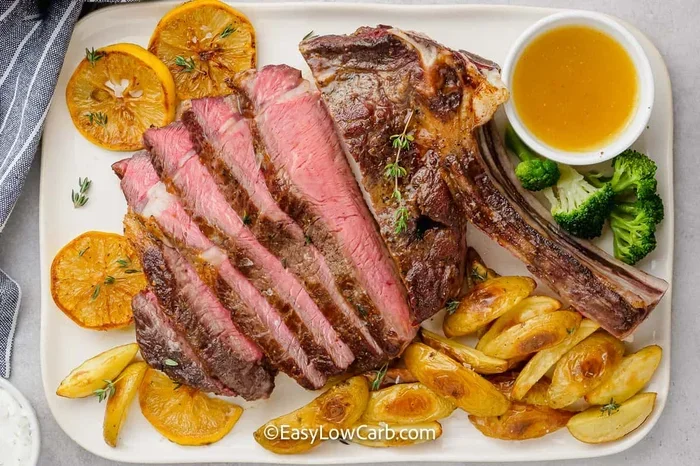
How To Cook Cowboy Ribeye In Oven And Get It Perfect
Cooking a cowboy ribeye in oven is easier than you think. This guide walks you through every step, from choosing the perfect cut to achieving a restaurant-quality charred crust at home. You will learn the reverse sear method, ideal oven temperatures, and seasoning tricks that make thick-cut bone-in ribeye shine. Whether you prefer medium-rare or well-done, these techniques guarantee a juicy, flavorful steak every single time.
There is something magical about a cowboy ribeye in oven. It is one of those meals that makes any evening feel special. You do not need a fancy grill or a backyard fire pit. Your oven can deliver stunning results with this thick, bone-in cut of beef.
A cowboy ribeye is not your everyday steak. It is a thick, bone-in ribeye that comes from the rib section of the cow. The bone adds incredible flavor during cooking. The fat cap renders down and basts the meat from the inside out. The result is a juicy, tender, deeply beefy steak that feels like a luxury meal right at your dinner table.
If you have been searching for how to cook cowboy ribeye in oven, you are in the right place. This guide covers everything you need to know. From picking the right steak at the butcher counter to pulling it off the heat at the perfect moment, we have got you covered. Let us get into it.
Key Takeaways
- Choose the right cut: A bone-in cowboy ribeye, at least 1.5 inches thick, gives you the best flavor and texture.
- Dry brine ahead of time: Salting your steak 1-2 hours before cooking draws out moisture and builds a deeper flavor.
- Use the reverse sear method: Low oven heat followed by a hot sear creates an even cook and a perfect crust.
- Invest in a meat thermometer: Pulling the steak at the right internal temperature is the single most important step.
- Rest your steak: Letting it rest for 8-10 minutes keeps all those juices locked inside.
- Season simply but well: Quality salt, cracked pepper, garlic, and fresh herbs go a long way with a premium cut like this.
- Use cast iron or a heavy oven-safe pan: It retains heat better and gives you that restaurant-worthy sear.
📑 Table of Contents
- What Is a Cowboy Ribeye?
- Choosing the Perfect Cowboy Ribeye
- Preparing Your Cowboy Ribeye
- How to Cook Cowboy Ribeye in Oven
- Getting the Perfect Internal Temperature
- Searing Like a Pro
- Resting and Serving Your Cowboy Ribeye
- Common Mistakes to Avoid
- Expert Tips for the Best Cowboy Ribeye
- Frequently Asked Questions
- Final Thoughts
What Is a Cowboy Ribeye?
Understanding the Cut
A cowboy ribeye is essentially a bone-in ribeye steak. It is cut from the rib primal, which sits between the shoulder and the loin of the cow. The long bone runs through the center, which is why it is sometimes called a tomahawk steak when the bone is extra long and frenched.
What makes this cut special is the ratio of meat to fat. A good cowboy ribeye has generous marbling throughout. That marbling is the white streaks of intramuscular fat. When heat hits that fat, it melts and keeps the steak moist and flavorful. The bone also acts as a natural heat shield, slowing down cooking near the bone and creating a subtle gradient of doneness.
Why Cook It in the Oven?
You might wonder why you would cook a thick-cut steak in the oven instead of on a grill or stovetop. The answer comes down to control. A bone-in ribeye that is 1.5 to 2 inches thick is tricky to cook evenly on a hot skillet. The outside can burn before the inside reaches your desired doneness.
The oven method solves this problem. By starting at a low temperature, you gently bring the steak up to an even temperature throughout. Then a quick, blazing-hot sear on the stovetop gives you that golden-brown crust everyone loves. This approach is called the reverse sear method, and it works beautifully for oven-baked ribeye steaks.
Choosing the Perfect Cowboy Ribeye
What to Look For at the Store
Not all cowboy ribeyes are created equal. Your steak experience starts at the meat counter, so take your time choosing. Here is what to look for:
- Thickness: Go for at least 1.5 inches thick. Two inches is even better. Thinner steaks overcook too easily in the oven.
- Marbling: Look for fine white lines of fat running through the red meat. More marbling means more flavor and juiciness.
- Color: The meat should be a bright cherry-red. Avoid anything that looks brown or gray on the surface.
- Fat cap: The outer layer of fat should be creamy white, not yellow. Yellow fat often comes from older cattle and can taste different.
- Bone: A clean, well-trimmed bone adds flavor and looks impressive on the plate.
Grass-Fed vs. Grain-Fed
You will also need to decide between grass-fed and grain-fed ribeye. Grain-fed beef tends to have more marbling and a buttery, rich flavor. Grass-fed beef is leaner and has a slightly more mineral taste. Both work great in the oven. If you go with grass-fed, be careful not to overcook it since there is less fat to protect the meat from drying out.
If budget allows, look for USDA Prime or Choice grade. These grades have the most marbling and will give you the best results. Select grade works too, but you may need to be more careful with cooking times.
Preparing Your Cowboy Ribeye
Dry Brining: The Secret Weapon
Dry brining is the single best thing you can do to improve your oven-baked steak. It is incredibly simple. Simply take your ribeye out of the fridge about 1 to 2 hours before cooking. Pat it dry with paper towels. Then sprinkle generously on both sides with coarse kosher salt.
Set the steak on a wire rack over a sheet pan and leave it uncovered in the fridge. The salt draws moisture out of the meat, which then gets reabsorbed. This process seasons the steak deeply and helps create a crispy, caramelized exterior when you sear it. It also helps the muscle fibers retain more moisture during cooking.
Seasoning Your Steak
When it comes to seasoning a cowboy ribeye, less is more. The quality of the beef speaks for itself. Here is a simple approach:
- Coarse kosher salt (about 1 teaspoon per side)
- Freshly cracked black pepper
- Garlic powder (a light sprinkle)
- Fresh thyme or rosemary (optional, for the butter baste)
Avoid heavy spice rubs that mask the natural flavor of the beef. A simple ribeye seasoning of salt and pepper is all you really need. If you want to get fancy, a compound butter with garlic and herbs makes an incredible finishing touch.
Bringing the Steak to Room Temperature
Take your steak out of the refrigerator about 30 to 45 minutes before cooking. This lets it warm up slightly. A cold steak hitting a hot oven cooks unevenly. The outside overcooks while the center stays cold. Letting it come closer to room temperature promotes more even cooking throughout the thick cut.
How to Cook Cowboy Ribeye in Oven
The Reverse Sear Method
The reverse sear method is the gold standard for cooking thick-cut bone-in ribeye in the oven. It gives you perfect doneness edge to edge with a stunning crust. Here is how it works:
First, you cook the steak in a low oven until it is about 10 to 15 degrees below your target internal temperature. Then you transfer it to a ripping hot cast iron skillet for a quick sear on each side. The result is a steak that is perfectly pink and juicy from the center to the edges, with a deep brown crust on the outside.
Step-by-Step Instructions
Follow these steps for the best oven-baked cowboy ribeye every time:
- Preheat your oven to 250°F (120°C). Place a wire rack inside a sheet pan.
- Season your steak with salt, pepper, and any other desired spices. Place it on the wire rack.
- Insert a meat thermometer into the thickest part of the steak, avoiding the bone.
- Put the steak in the oven and cook until it reaches about 110°F for medium-rare. This usually takes 25 to 40 minutes depending on thickness.
- Heat a cast iron skillet over high heat while the steak finishes cooking. Add a high smoke-point oil like avocado or grapeseed oil.
- Remove the steak from the oven and pat it dry with paper towels. This helps the crust form better.
- Sear each side for about 1 to 2 minutes until a deep brown crust forms. Add butter, garlic, and fresh herbs to the pan and baste the steak as it sears.
- Remove the steak and let it rest on a cutting board for at least 8 to 10 minutes before slicing.
Oven Temperature and Time Guide
The right oven temperature makes all the difference when you are learning how to cook cowboy ribeye in oven. Here is a quick reference:
- 250°F (120°C): Best for a gentle, even cook. This is the recommended temperature for the reverse sear.
- 300°F (150°C): Works well too but cooks the steak a bit faster. Keep a closer eye on your thermometer.
- 350°F (175°C): Not ideal for thick cuts. It can cook the outside too fast before the inside reaches temperature.
A good rule of thumb is to plan for about 20 to 30 minutes of oven time per inch of thickness. But always rely on your meat thermometer rather than the clock. Every steak is different.
Getting the Perfect Internal Temperature
Why Temperature Matters
The difference between a great steak and a mediocre one often comes down to internal temperature. A cowboy ribeye is thick enough that even a few degrees can make a big difference in texture and juiciness. This is why a digital meat thermometer is absolutely essential.
Guessing when a steak is done is a thing of the past. A thermometer takes all the guesswork out of the equation. It tells you exactly what is happening inside the meat so you can pull it at the perfect moment.
Target Temperatures for Doneness
Here are the target temperatures for a bone-in ribeye. Remember that the temperature will rise about 5 degrees as the steak rests:
- Rare: Pull at 120°F, final temp around 125°F
- Medium-Rare: Pull at 125°F, final temp around 130°F
- Medium: Pull at 135°F, final temp around 140°F
- Medium-Well: Pull at 145°F, final temp around 150°F
- Well-Done: Pull at 155°F, final temp around 160°F
For a cowboy ribeye, medium-rare is the sweet spot for most people. It brings out the best flavor and keeps the meat tender and juicy. If you prefer your steak more done, go for it, but know that a thicker cut will dry out faster as you push past medium.
Searing Like a Pro
Why the Sear Matters
The sear is what transforms a good steak into a great one. When you cook a thick-cut steak at low oven heat, the surface does not brown much. The Maillard reaction is what creates that deep, complex flavor and beautiful brown crust. This reaction happens when proteins and sugars in the meat hit high heat.
A proper sear adds texture and depth that the oven alone cannot achieve. It gives the steak that restaurant-quality presentation and an incredible aroma that fills your kitchen.
Tips for the Best Sear
- Use a cast iron skillet. It holds heat better than any other pan and gives you a more even sear.
- Get the pan ripping hot. Heat it on the stove for several minutes before adding the steak. You should see a faint wisp of smoke.
- Pat the steak dry. Moisture is the enemy of a good sear. Use paper towels to remove any surface wetness.
- Do not overcrowd the pan. Give the steak plenty of room so steam can escape and a crust can form.
- Use a high smoke-point oil. Avocado oil, grapeseed oil, or clarified butter work great. Regular butter will burn.
- Sear for 1 to 2 minutes per side. Do not move the steak around. Let it sit and develop that crust.
The Butter Baste Technique
Once you have seared both sides, drop a tablespoon of butter into the pan along with a few crushed garlic cloves and a sprig of fresh thyme. As the butter foams, tilt the pan and use a spoon to baste the steak repeatedly. This butter baste adds richness and a nutty, aromatic flavor to the steak. It is a technique used by professional chefs and it is incredibly easy to do at home.
Resting and Serving Your Cowboy Ribeye
Why Resting Is Non-Negotiable
Resting your steak after cooking is just as important as the cooking itself. When you pull a cowboy ribeye off the heat, the juices inside are pushed toward the center by the high temperature. If you cut into it immediately, those juices run out onto the cutting board and the steak ends up dry.
Letting the steak rest for 8 to 10 minutes allows the juices to redistribute throughout the meat. The internal temperature also equalizes, so the outer edges do not overcook while the center cools down. This simple step makes a noticeable difference in every bite.
How to Slice and Serve
When it is time to serve, use a sharp carving knife. Slice against the grain for maximum tenderness. The grain is the direction of the muscle fibers. Cutting across them shortens the fibers and makes each bite easier to chew.
Serve your oven-baked ribeye with a pat of compound butter on top. Let it melt slowly over the warm meat. Pair it with roasted vegetables, garlic mashed potatoes, or a simple side salad. A bold red wine like a Cabernet Sauvignon or Malbec complements the rich flavor of bone-in ribeye beautifully.
Common Mistakes to Avoid
Skipping the Dry Brine
Many people rush straight to cooking without dry brining. This is a missed opportunity. Dry brining seasons the meat deeply and helps create a better crust. Even 30 minutes makes a difference, but overnight is ideal if you plan ahead.
Using the Wrong Pan
Do not use a thin, flimsy skillet for searing. It does not retain enough heat and the steak will steam instead of sear. A cast iron skillet or a heavy stainless steel pan is essential for a proper crust.
Overcooking the Steak
The most common mistake is cooking the steak too long. A thick-cut steak continues to cook after you remove it from the oven due to carryover heat. Pull it early and let it rest. You can always put it back for a few more minutes if needed, but you cannot undo an overcooked steak.
Not Using a Thermometer
Relying on touch or time alone is unreliable. Every oven is different. Every steak is different. A digital instant-read thermometer is the only way to know with certainty that your steak is done to your liking. They are inexpensive and they take the guesswork out of cooking.
Cutting Into the Steak Too Soon
It can be tempting to slice into that beautiful steak the moment it comes off the heat. Resist that urge. The resting period is critical for keeping the juices inside. Wait at least 8 minutes and your steak will reward you with every bite.
Expert Tips for the Best Cowboy Ribeye
Let the Steak Shine
A great cowboy ribeye does not need a complicated sauce. The beef itself is the star. Keep your seasoning simple and let the quality of the cut do the talking. A sprinkle of flaky sea salt right before serving adds a beautiful finishing touch.
Experiment with Wood-Fired Flavor
If you want to add a smoky dimension, try adding a small piece of soaked wood chip to the butter during the baste. Hickory, applewood, or cherry wood all work wonderfully. This gives you a hint of smoked ribeye flavor without needing a smoker.
Make It a Special Occasion
A cowboy ribeye cooked in the oven is perfect for date night, anniversaries, or a weekend treat. Set the table nicely, light a candle, and make it an event. Cooking a great steak at home is one of life’s simple pleasures and it does not have to be complicated.
Frequently Asked Questions
How long should I cook a cowboy ribeye in the oven?
For a reverse sear, cook the steak at 250°F for about 25 to 40 minutes depending on thickness. You are looking for an internal temperature of about 110°F to 115°F before searing. Always use a meat thermometer to check rather than relying on time alone.
What temperature should I cook cowboy ribeye in the oven?
250°F is the ideal oven temperature for the reverse sear method. It gently brings the steak up to temperature without cooking the edges too much. You finish with a hot stovetop sear for the crust.
Can I cook a cowboy ribeye in the oven without searing it?
Yes, you can. You can cook the entire steak in the oven at 250°F until it reaches your desired internal temperature. However, you will miss out on the crust and the extra flavor that a sear provides. The sear is what gives the steak its restaurant-quality finish.
How thick should a cowboy ribeye be for oven cooking?
At least 1.5 inches thick is ideal. Two inches or more works even better. Thinner steaks overcook easily in the oven. The thickness gives you a buffer that allows the outside to sear without the inside drying out.
Do I need to bring the steak to room temperature before cooking?
Yes, this is recommended. Take the steak out of the fridge 30 to 45 minutes before cooking. This promotes more even cooking throughout the thick cut. A cold steak going into a hot oven will cook unevenly.
What is the best way to reheat leftover cowboy ribeye?
The best way is to warm it in a low oven at 250°F for about 15 to 20 minutes. You can also use a cast iron skillet on low heat with a little butter. Avoid the microwave, as it tends to dry out the steak and make it rubbery.
Final Thoughts
Learning how to cook cowboy ribeye in oven is one of the most rewarding skills you can develop in the kitchen. It is not complicated. It does not require expensive equipment. All you need is a good cut of beef, a little patience, and a reliable meat thermometer.
The reverse sear method gives you control and consistency. You get to decide exactly how done you want your steak, edge to edge. The dry brine builds flavor and improves texture. The cast iron sear adds that irresistible crust. And the resting period keeps everything juicy.
Next time you want to impress yourself or someone special, reach for a thick bone-in ribeye and give this method a try. Once you taste the difference, you will never go back to guessing again. A perfectly cooked cowboy ribeye from the oven is one of the most satisfying meals you can make at home.