What Oven Setting Do You Cook Half a Leg of Lamb On
Learning what oven setting do you cook half a leg of lamb on is the key to a perfectly juicy roast. Most experts recommend a moderate oven temperature between 325°F and 375°F for even cooking and a beautiful crust. This guide walks you through every step, from seasoning to resting, so you can serve restaurant-quality lamb at home.
So you picked up a beautiful half leg of lamb and now you are standing in front of your oven wondering what oven setting do you cook half a leg of lamb on. It is a great question, and one that trips up a lot of home cooks. The good news is that nailing this roast is easier than you think once you know the basics.
This guide covers everything you need to cook a stunning half leg of lamb. We will talk about oven temperatures, cooking times, seasoning tricks, and how to tell when your lamb is perfectly done. Whether you are a beginner or a seasoned cook looking for a refresher, you will find practical tips here that work every single time.
The beauty of a half leg of lamb is that it is forgiving. It has plenty of fat and connective tissue that breaks down during roasting, which means even if you are not a perfect timer, the meat stays juicy. That said, knowing the right oven setting makes all the difference between good and outstanding.
Key Takeaways
- Low and slow wins: Roasting at 325°F to 375°F delivers tender, evenly cooked lamb every time.
- Internal temperature matters: Aim for 135°F for medium-rare or 145°F for medium for the best texture.
- Resting is non-negotiable: Letting the lamb rest for 15 to 20 minutes keeps the juices locked in.
- Bone-in vs boneless changes timing: Bone-in roasts take longer but offer more flavor.
- Seasoning early makes a difference: Marinating or dry-brushing hours ahead deepens the flavor profile.
- A meat thermometer is essential: Guessing leads to overcooked or undercooked meat every time.
- Searing before roasting adds crunch: A quick sear creates a delicious crispy lamb crust.
📑 Table of Contents
- Understanding Your Half Leg of Lamb
- What Oven Setting Do You Cook Half a Leg of Lamb On
- Step-by-Step Cooking Guide
- Common Mistakes to Avoid
- Flavor Variations and Seasoning Ideas
- Quick Tips for Perfect Half Leg of Lamb
- Expert Insights on Lamb Roast Settings
- How to Carve and Serve Your Half Leg of Lamb
- Storing and Reheating Leftover Lamb
- FAQ Section
- Conclusion
Understanding Your Half Leg of Lamb
Before we dive into oven settings, let us talk about what you are actually cooking. A half leg of lamb comes from the rear section of the animal. It is a large, cylindrical cut that can be bone-in or boneless. Each type behaves a little differently in the oven, so understanding your cut matters.
Bone-In vs Boneless Half Leg of Lamb
A bone-in half leg of lamb looks impressive on the table and adds flavor during roasting. The bone slows down heat transfer slightly, which means you need a bit more cooking time. Think of it like a built-in slow-roasting tool.
A boneless half leg of lamb is easier to carve and usually cooks a bit faster. It is also easier to season evenly since you can work the rub into the meat more thoroughly. Both cuts produce wonderful results when you use the right oven setting.
What Makes Half Leg of Lamb Special
This cut has a natural fat cap that bastes the meat as it cooks. The fat melts slowly and keeps the interior moist. This is why lamb roast recipes often call for minimal added fat. The lamb does most of the work on its own.
The muscle fibers in a leg of lamb are also longer and thicker than in smaller cuts. This means they need steady, even heat to break down properly. A rushed high heat approach can leave you with tough, chewy meat on the outside and raw meat on the inside.
What Oven Setting Do You Cook Half a Leg of Lamb On
Here is the answer you have been waiting for. The best oven setting to cook half a leg of lamb is a moderate temperature between 325°F and 375°F. This range allows the meat to cook evenly from edge to center without drying out the outer layers.
Why Moderate Heat Works Best
High heat might seem tempting because it speeds things up. But with a large roast like a half leg of lamb, high heat creates a problem. The outside overcooks and dries out while the inside is still catching up. Moderate heat gives you a beautiful, even doneness throughout.
At 325°F, your lamb roast will cook gently and develop a lovely golden crust over time. At 375°F, the cooking accelerates slightly and you get a crispier exterior. Both temperatures work wonderfully for oven-baked lamb.
If you are using a convection oven, reduce the temperature by about 25°F. Convection fans circulate hot air more efficiently, so your lamb cooks faster and more evenly. This is one of the best oven-baked lamb tips experienced cooks swear by.
The Ideal Temperature for Different Doneness Levels
Your target internal temperature determines how done you want the lamb. Here is a quick reference for lamb meat temperature goals:
- Rare: 125°F internal temperature, very red and juicy
- Medium-Rare: 135°F, the most popular choice with a pink center
- Medium: 145°F, slightly pink but firmer texture
- Well-Done: 160°F and above, fully cooked through
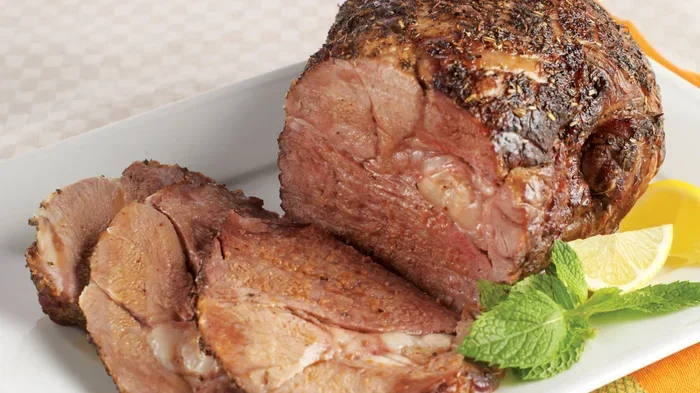
Most lamb roast recipes and experts recommend medium-rare at 135°F. This is where the lamb is tender, juicy, and full of flavor. The meat thermometer is your best friend here. Do not skip this tool.
Step-by-Step Cooking Guide
Now that you know the oven setting, let us walk through the full process of cooking a half leg of lamb. Follow these steps and you will get consistent, delicious results.
Step 1: Prep and Season Your Lamb
Take your half leg of lamb out of the refrigerator about 30 to 45 minutes before cooking. Letting it come to room temperature helps it cook more evenly. While you wait, pat the meat dry with paper towels.
For seasoning, keep it simple but effective. A mix of garlic, rosemary, oregano, salt, and black pepper works beautifully on lamb. You can also add lemon zest or cumin for a flavor twist. Rub the seasoning generously over the entire surface, including under any folds of meat.
Pro tip: If you have time, dry-brine the lamb overnight. Sprinkle coarse salt all over and let it sit uncovered in the fridge. This draws out moisture and then reabsorbs it, seasoning the meat deeply and creating a better crust.
Step 2: Preheat Your Oven
Set your oven to 325°F for a gentle, foolproof roast or 375°F for a slightly faster cook with a crispier exterior. Let the oven fully preheat before the lamb goes in. A properly preheated oven ensures the lamb starts cooking immediately and evenly.
If you like a crispy lamb crust, you can start at 425°F for the first 15 minutes and then drop to 325°F. This sear-and-roast method gives you the best of both worlds. Many home cooks swear by this approach for lamb roast settings.
Step 3: Sear the Lamb (Optional but Recommended)
Searing is not mandatory, but it adds a fantastic flavor layer. Heat a large skillet over high heat with a little olive oil. Place the lamb in the pan and sear each side for about 2 to 3 minutes until a deep brown crust forms.
After searing, transfer the lamb to a roasting pan. This step creates a Maillard reaction on the surface, which gives you that rich, savory flavor that makes lamb roast so irresistible.
Step 4: Roast and Monitor
Place the lamb in the preheated oven, fat side up. Insert a meat thermometer into the thickest part of the meat, avoiding the bone if you have one. The bone conducts heat differently and can give you a false reading.
Here is a general cooking time guide for a half leg of lamb:
- At 325°F: About 20 to 25 minutes per pound for medium-rare
- At 375°F: About 15 to 20 minutes per pound for medium-rare
- Bone-in roasts: Add 10 to 15 minutes to the total time
Check the internal temperature frequently after the halfway mark. Remember, the temperature will rise another 5 to 10 degrees after you pull the lamb out. This is called carryover cooking, and it is a crucial part of the lamb cooking guide that many beginners overlook.
Step 5: Rest the Lamb
Once your lamb reaches the target temperature, pull it out and let it rest. This is one of the most important steps in the entire process. Tent the lamb loosely with aluminum foil and let it sit for 15 to 20 minutes.
During resting, the juices redistribute throughout the meat. If you cut too early, those juices run out onto the cutting board instead of staying in the meat. A properly rested half leg of lamb will be noticeably juicier and more flavorful.
Common Mistakes to Avoid
Even experienced cooks make mistakes with lamb roasts. Here are the most common ones and how to avoid them.
Skipping the Meat Thermometer
guessing the doneness of a half leg of lamb is a recipe for disaster. Without a thermometer, you are relying on luck. Invest in a good instant-read thermometer and use it every single time. It removes all the guesswork and takes the stress out of cooking lamb.
Cooking at Too High a Temperature
Some cooks crank the oven to 450°F thinking it will speed things up. The result is often a burnt exterior and a raw interior. Stick with the recommended 325°F to 375°F range for the best oven-baked leg of lamb results.
Not Letting the Lamb Rest
Cutting into the lamb immediately after pulling it from the oven is tempting but harmful. The meat needs that rest time to relax and reabsorb its juices. Set a timer and be patient. The payoff is worth it.
Over-Salting at the Last Minute
Adding salt right before cooking draws moisture to the surface and can interfere with crust formation. Season your lamb well in advance, or use the dry-brine method mentioned earlier. This small change makes a big difference in your lamb roast tips.
Flavor Variations and Seasoning Ideas
One of the best things about a half leg of lamb is how versatile it is. You can change the flavor profile dramatically with different seasonings and marinades.
Mediterranean Style
Use olive oil, lemon juice, garlic, oregano, and fresh rosemary. This classic combination pairs beautifully with the rich flavor of lamb. Add a few sprigs of fresh thyme inside any cavity of the meat for extra aroma.
Middle Eastern Inspired
Try cumin, coriander, paprika, cinnamon, and a touch of cayenne. This spice blend creates a warm, aromatic crust that complements the lamb perfectly. A yogurt-based marinade the night before adds tenderness and tang.
Herb Butter Crust
Mix softened butter with minced garlic, parsley, and lemon zest. Spread this over the lamb before roasting for a rich, savory crust. This technique is a favorite among chefs and home cooks alike for achieving a golden, flavorful finish.
Quick Tips for Perfect Half Leg of Lamb
- Always use a meat thermometer. It is the single most important tool for roasting lamb.
- Let the lamb come to room temperature before cooking. This reduces cooking time and ensures even results.
- Score the fat cap. Making shallow cuts helps the seasoning penetrate and the fat render evenly.
- Use a roasting rack. It allows hot air to circulate around the entire cut for more even cooking.
- Save the drippings. The juices from the roasting pan make an incredible gravy or sauce.
- Experiment with temperatures. Try 325°F for one roast and 375°F for the next. Compare the results and find your preference.
- Cook a day ahead. Lamb roast often tastes even better the next day as the flavors meld together.
Expert Insights on Lamb Roast Settings
Professional chefs and food scientists agree that the key to a perfect half leg of lamb lies in patience and temperature control. Chef Michael Ruhlman once said that low and slow roasting is the secret to tender, flavorful meat. This philosophy applies perfectly to leg of lamb cooking.
Food science tells us that collagen in the lamb breaks down at around 160°F to 180°F, but the meat can still be tender at lower temperatures if given enough time. This is why a moderate oven setting and a longer cook time produce superior results compared to a high-heat rush job.
According to the USDA, lamb should be cooked to a minimum internal temperature of 145°F for safety. However, many chefs prefer to pull the lamb at 135°F for medium-rare and let carryover cooking bring it up to a safe temperature during resting. This is a widely accepted practice in the culinary world.
How to Carve and Serve Your Half Leg of Lamb
Once your lamb has rested, it is time to carve and serve. A sharp carving knife makes this step much easier. If your lamb is bone-in, slice along the bone first to release the meat. Then cut against the grain into thin, even slices.
For boneless lamb, simply slice across the width of the roast at a slight angle. Thinner slices look more elegant and are easier to eat. Arrange the slices on a warm platter and spoon any accumulated juices over the top.
Serve your perfectly roasted lamb with roasted vegetables, mashed potatoes, or a fresh salad. A simple mint sauce or chimichurri pairs wonderfully with the rich flavor of the meat.
Storing and Reheating Leftover Lamb
Leftover half leg of lamb keeps well in the refrigerator for up to 3 to 4 days. Store it in an airtight container or wrap it tightly in plastic wrap. The meat actually improves in flavor overnight, making it a great option for meal prep.
To reheat, use a low oven setting at 275°F and cover the slices with foil. This gentle reheating prevents the lamb from drying out. You can also use leftover lamb in sandwiches, salads, or curries for a delicious second life.
FAQ Section
What is the best oven temperature for a half leg of lamb?
The best oven setting to cook half a leg of lamb is between 325°F and 375°F. This moderate range ensures even cooking and a tender, juicy result. Avoid high heat, which can dry out the outer layers before the inside is done.
How long does it take to roast a half leg of lamb at 350°F?
At 350°F, a half leg of lamb typically takes about 20 minutes per pound for medium-rare doneness. Always use a meat thermometer to check the internal temperature, as cooking times can vary based on the size and bone configuration of your cut.
Should I cover my lamb with foil while roasting?
No, you should not cover the lamb during roasting. Leaving it uncovered allows the heat to circulate freely and creates a beautiful golden crust. You can tent it with foil during the resting period to keep it warm while the juices redistribute.
Can I cook a half leg of lamb from frozen?
It is not recommended to cook a half leg of lamb directly from frozen. Thawing it in the refrigerator for 24 to 48 hours beforehand ensures more even cooking and better food safety. Cooking from frozen can lead to uneven doneness and longer time in the danger zone.
What internal temperature should half leg of lamb reach?
For medium-rare, pull the lamb at 135°F internal temperature. For medium, aim for 145°F. Remember that the temperature will rise by 5 to 10 degrees during resting, so factor that into your decision. A reliable meat thermometer takes all the guesswork out.
Is it better to cook bone-in or boneless half leg of lamb?
Bone-in lamb adds more flavor during roasting and looks stunning on the table, but it takes slightly longer to cook. Boneless lamb is easier to carve and seasons more evenly. Both are excellent choices depending on your preference and the occasion.
Conclusion
Knowing what oven setting do you cook half a leg of lamb on transforms this intimidating cut into a weekly dinner staple. The answer is simple: a moderate temperature between 325°F and 375°F, with close attention to internal temperature and proper resting time.
Half leg of lamb is one of the most rewarding cuts to cook at home. It is forgiving, flavorful, and impressive enough for dinner guests or a special family meal. With the right oven-baked lamb approach, you can consistently deliver results that rival any restaurant.
Start with the basics from this guide, experiment with seasoning blends, and invest in a good meat thermometer. These small steps will elevate your lamb roast game dramatically. Soon, you will be confidently adjusting your lamb roast settings and creating your own signature recipes.
Remember, the best lamb roast tips come from practice and patience. Give yourself permission to learn as you go, and do not be afraid to try new flavor combinations. A perfectly cooked half leg of lamb is one of the most satisfying things you can create in your kitchen, and now you have everything you need to make it happen.